





 Portuguese
  English
  Spanish
 3 min of reading


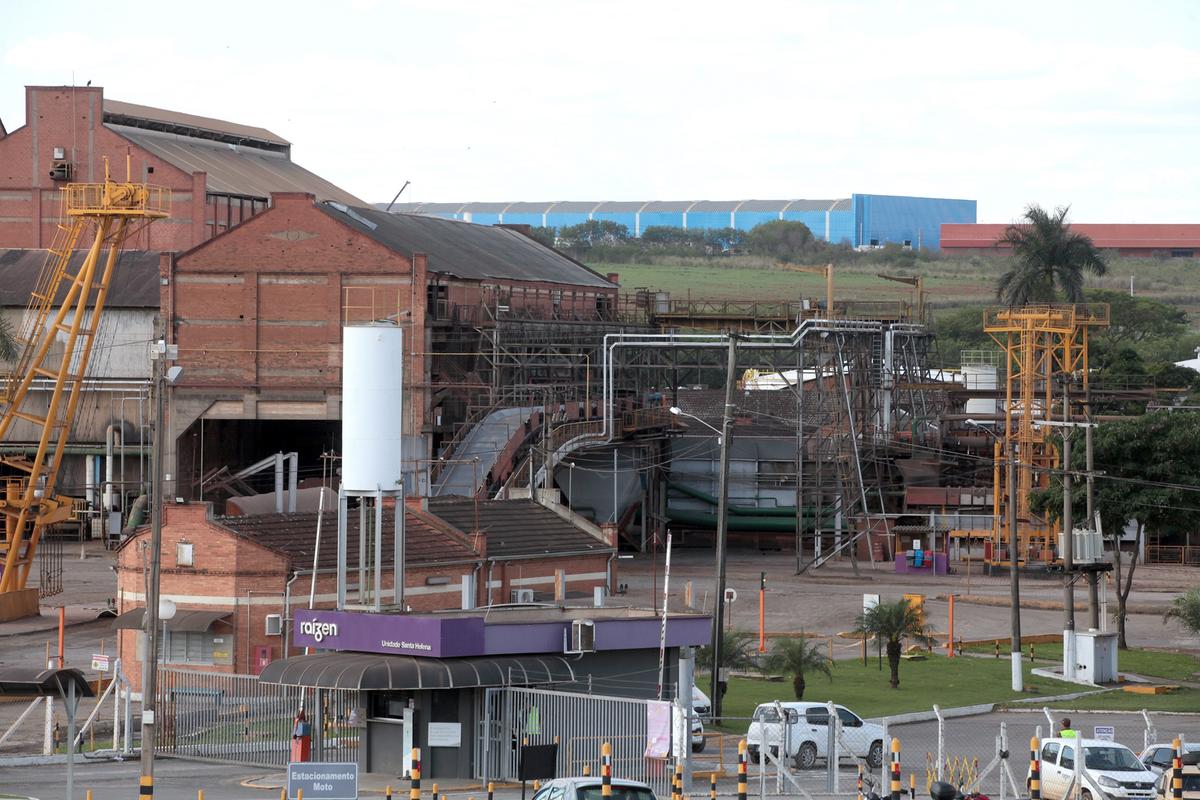
The Ethanol Plant Was Shut Down Due to Low Sugar Cane Productivity in the Region, As Well as a Deficit in Product Supply. Raízen Highlighted That Production in Santa Helena Should Remain Idle for Another 2 Years, As Expected.
Projections for the future of Raízen’s Santa Helena plant for this Wednesday, (01/25), are not promising. After being idle for several months, the company reported that it will remain this way for about another two years, due to low sugar cane productivity. It also emphasizes that a decision regarding the future of ethanol production at the plant will be made later, but for now, it will remain shut down.
Raízen Does Not Intend to Resume Ethanol Production at the Santa Helena Plant in the Next 2 Years, Due to Low Raw Material Productivity
November 2022 marked the indefinite shutdown of the Santa Helena plant, owned by Raízen, which redirected the raw material from the plant to other facilities.
After a few months of this decision, the energy company spoke about the matter again, highlighting that it still has no plans for the future of the plant.
-
Renewable energy advances globally with Asia taking the lead; Irena’s analysis indicates a strategic progress that drives the energy transition and reduces generation costs.
-
Globo broadcaster achieves 100% renewable energy and advances climate goal, strengthening environmental commitment, reducing emissions, and influencing large companies to adopt more sustainable and competitive strategies.

-
New mapping reveals the Brazilian states with the greatest potential for the production and use of green hydrogen in Brazil to lead the global market.

-
Historical drought and lack of snow in the Norwegian Alps threaten the largest clean energy reserve in Europe and could drive up electricity prices.
According to them, Santa Helena is expected to remain idle for the next two years due to low sugar cane productivity in the region.
Information about the continuation of the ethanol production shutdown was disclosed by the company’s industrial director, Juliano Oliveira.
He pointed out that in the Piracicaba hub — where the plant is located and which also includes the São Francisco, Rafard, and Costa Pinto units — a significant discrepancy was identified between the amount of available cane and the milling capacity.
This way, the entire ethanol production chain at the Santa Helena plant ended up being compromised, leading to the decision to shut it down.
“We are operating with a mix of 70% third-party cane and 30% our own cane there, while Raízen as a whole is 50% to 50%. Since we had this raw material deficit, we opted to hibernate Santa Helena and, with the volume we have, we can mill comfortably within the three bioparks of the hub,” he emphasized.
The Company Held Internal Discussions on the Future of Ethanol Production at the Santa Helena Plant, But Hibernation Was Still the Most Accepted Decision
The director of Raízen also stated that there were recent internal discussions regarding the status of the plant and the future of ethanol production in Santa Helena.
However, the most sensible decision in the view of the internal representatives is to maintain hibernation for at least another two years.
“If we can see opportunities, both to buy cane and for synergy with other groups, or anything that could reactivate Santa Helena, we will return to it,” he said.
Raízen does not rule out the possibility of resuming ethanol production at the plant but needs the correct raw material productivity conditions for that.
Thus, Santa Helena will remain intact, without modifications, until a more favorable scenario is created in the region.
The company believes it is possible to find favorable conditions to resume operations at the site after a few years of hibernation.
For now, the shutdown of ethanol production at the Santa Helena plant is still the most favorable scenario for Raízen’s operations.
Get to Know Raízen
“A global reference in bioenergy, we are leaders in the energy transition and are redefining the future of energy. We rank among the largest privately held business groups in Brazil, and our team is our greatest asset: over 40,000 employees and 15,000 business partners spread across the country.”









Seja o primeiro a reagir!