





 Portuguese
  English
  Spanish
  5 min of reading
  0 comments



Discover How Natural Gas Plants Drive the Energy Matrix with Efficiency and Technology, Uniting History, Innovation, and Safety.
Natural gas plants today occupy a central space in the discussion about energy efficiency and transition to a more diversified energy matrix. In this sense, they represent a strategic alternative between expanding renewable sources and traditional ones, such as coal and oil. Moreover, natural gas has established itself as a cleaner and more efficient option, capable of meeting growing energy demands in various countries.
In Brazil and the United States, this sector has rapidly expanded, supported by large investments and the modernization of infrastructures. More than just energy generation, these plants demonstrate how technology and regulation go hand in hand.
For this reason, engineer Elisson Nantes Lins, a specialist in commissioning and industrial automation, emphasizes that efficiency is not limited to turbine operation, but depends on the integration of people, processes, and systems.
-
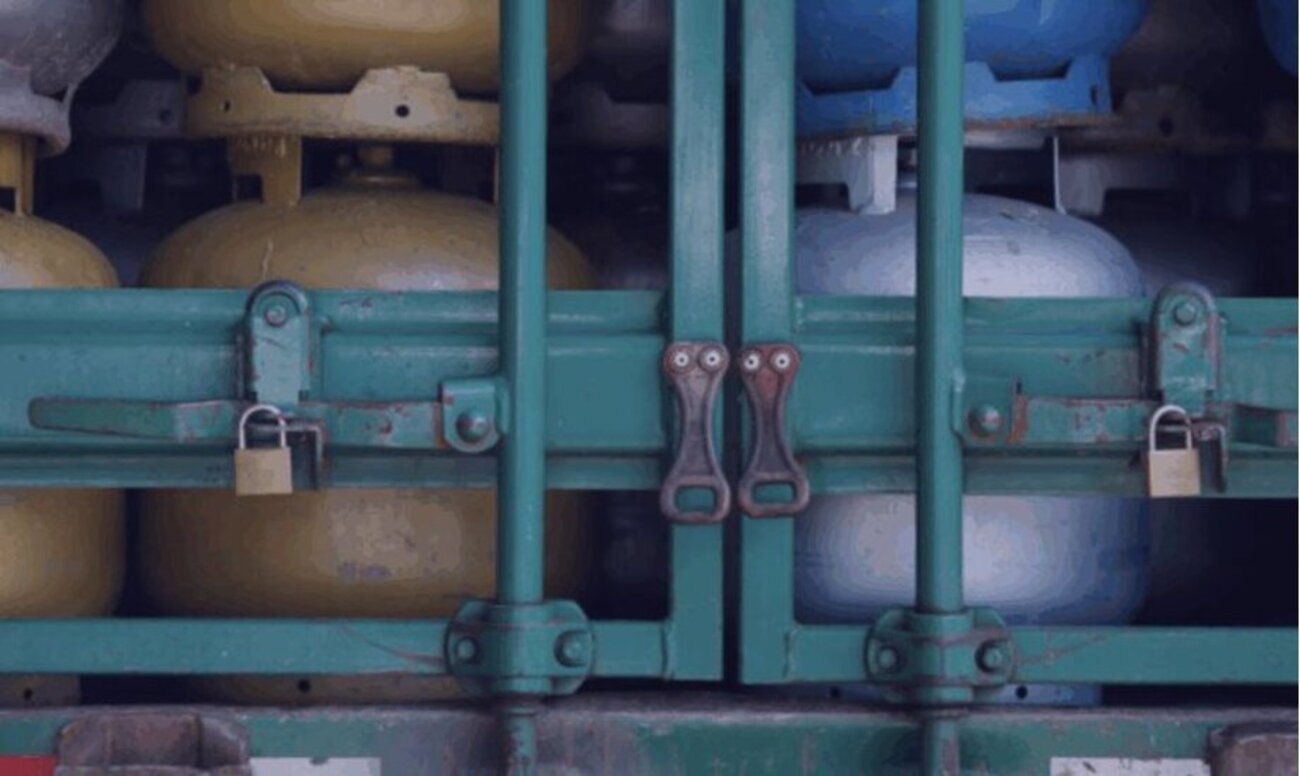
Petrobras evaluates suspension of sales to distributors and considers canceling the cooking gas auction following guidelines from the Federal Government.
-
Lula reveals a masterstroke by Petrobras to undo a deal made by Bolsonaro, which involves the return of an important refinery that currently produces less than half of what was expected and makes Brazil dependent on international diesel.
-
A study confirms that the natural gas sector will reduce greenhouse gas emissions in Brazil by 0.5% and accelerate the energy transition by 2026.

-
Petrobras implements a severe adjustment and confirms a 55% increase in the price of aviation kerosene with a proposal for installment payments for the companies.

The Historical Path of Natural Gas
The use of natural gas for electricity generation dates back to the 20th century when a more stable and less polluting energy source than coal was sought. Over the years, the discovery of large reserves in different parts of the world has solidified its relevance as a strategic fuel.
In Brazil, gas began to gain more ground starting in the 1990s, especially with the construction of gas pipelines and thermoelectric plants.
In the United States, the expansion occurred more rapidly due to the abundance of local reserves and advances in hydraulic fracturing technology. Thus, the country transformed into one of the largest producers and exporters worldwide, creating a dynamic and competitive market.
History shows, therefore, that natural gas always emerges in times of need for diversification and stability.
Today, the context is no different. In fact, the growth of renewable energies, such as solar and wind, requires firm support to ensure supply security, especially during periods of low production from these sources.
It is in this scenario that natural gas plants become relevant, as they offer flexibility and reliability to balance the electrical system.
Efficiency and Technology in Commissioning
In Brazil, the startup of the largest gas plant reinforces the importance of this energy model. However, as engineer Elisson Lins points out, the real differentiator lies in the quality of commissioning and the automation systems that support operations.
He explains that an efficient commissioning reduces failures, optimizes costs, and ensures greater reliability in energy delivery. Thus, the process is not limited to a checklist of tasks but involves integration tests, safety protocol adjustments, and turbine calibration with a high level of precision.
In the United States, the experience confirms this view, as the pressure for new projects increases the need for strict standards to avoid large-scale failures.
Moreover, technological advancement has brought new solutions to the sector. Currently, the use of digital systems, remote monitoring, and predictive maintenance transforms how a plant is managed.
These resources enable problem anticipation and risk reduction, while also increasing operational efficiency. Thus, automation integrated with intelligent commissioning has become the pillar of a new phase for natural gas plants.
The Role of Regulation and Investment
In addition to technology, regulation plays a decisive role in strengthening the sector. In Brazil, the National Agency of Petroleum, Natural Gas and Biofuels (ANP) facilitated public consultations to discuss access to LNG terminals. In this context, the opening facilitates the entry of new players and stimulates competitiveness.
This measure expands the possibilities for importing and utilizing the input, creating a more dynamic and attractive environment for investors. Thus, the country can accelerate the construction of new enterprises and reinforce its energy security.
This regulatory process also directly impacts the efficiency of operations, as it enhances the level of integration among different sector players.
In the United States, the scenario shows how regulation can favor expansion. The country created conditions to accelerate the construction of thermoelectric plants and has established itself as a reference in the sector.
Thus, experience demonstrates that a well-structured regulatory framework boosts investments and ensures greater predictability for projects.
Perspectives for the Future of Natural Gas Plants
The future of natural gas plants is expected to be marked by constant innovation. Elisson Nantes Lins believes that the integration of engineering, automation, and intelligent protocols will be crucial to reduce emissions and optimize resources.
Along this path, the sector is already moving towards adopting increasingly sophisticated digital processes that combine energy efficiency and operational safety.
This transformation is already reflected in major international projects. Between 2025 and 2026, over 80 million tons per year in new LNG projects are expected to receive final investments, according to data from LNG Prime.
Many of them involve Brazil and the United States, which could lead this global movement by combining technological innovation, skilled labor, and effective regulation.
Another relevant point involves the role of natural gas in the energy transition. Although it is not a renewable source, it has a lower environmental impact than other fossil fuels.
Thus, it serves as a balancing link between clean and traditional sources. In developing countries, this characteristic becomes essential to ensure reliable access to energy and reduce external dependencies.
A Link Between Past and Future
Natural gas plants not only represent another stage in the energy history but also a link between the past and the future. They carry the heritage of the search for stability and efficiency while simultaneously pointing to a horizon where technology and sustainability walk hand in hand.
Brazil, with its potential for expansion, and the United States, with its leadership in innovation, have the chance to consolidate a model that combines supply security and operational efficiency.
Therefore, the vision of experts like Elisson Lins shows that the key lies in integration. After all, it’s not enough to install powerful turbines; it is necessary to create synchronized systems capable of uniting automation, processes, and people towards a common goal.
This is the challenge that defines the future of natural gas plants. A future where reliability does not depend solely on machines, but on the intelligence with which each stage of the process is organized.
Thus, by uniting regulation, technology, and practical experience, the sector can not only meet growing demand but also build a sustainable and innovative path for future generations.











Seja o primeiro a reagir!