





 Portuguese
  English
  Spanish
  3 min of reading
  0 comments


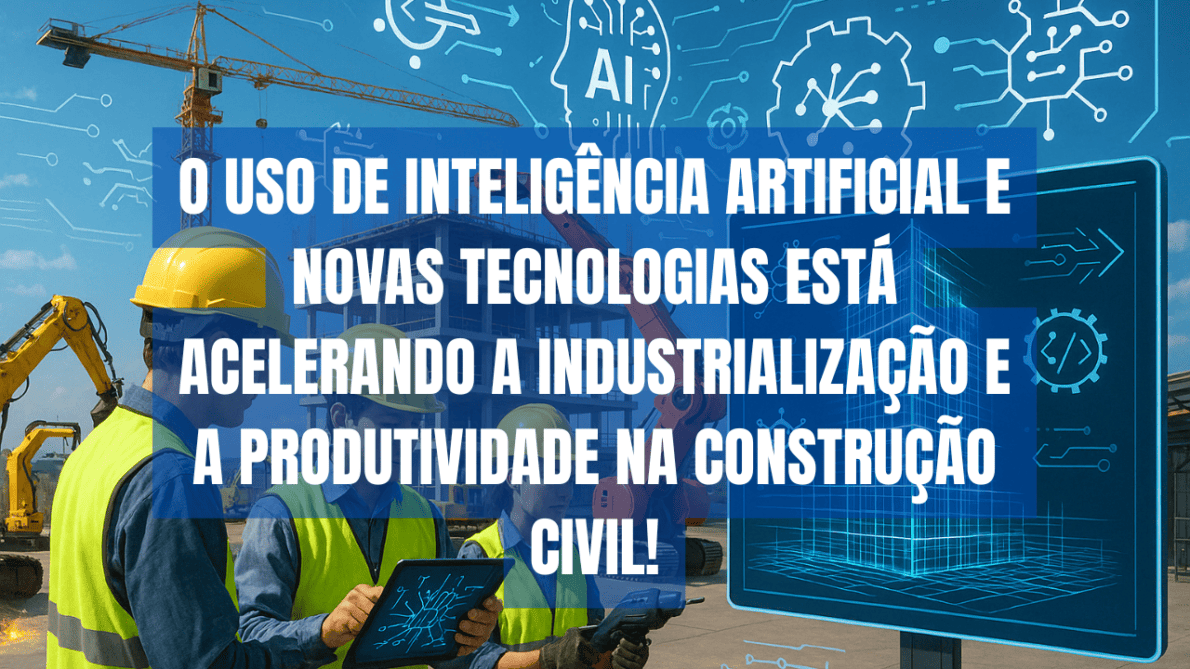
The Use of Artificial Intelligence and New Technologies Is Accelerating Industrialization and Productivity in Construction!
At the largest construction event in Latin America, the International Construction Industry Meeting (ENIC), experts point out that artificial intelligence (AI) and automation are the main drivers of productive and industrial transformation in construction in Brazil.
Promoted by CBIC (Brazilian Chamber of Construction Industry), the meeting took place until this Friday (11) at São Paulo Expo, alongside the 29th edition of Feicon.
With the panel “Technology and Productivity in the Transition to Industrialization,” ENIC reinforced how technological innovation is reshaping the way of building, reducing waste, optimizing processes, and speeding up delivery times.
-
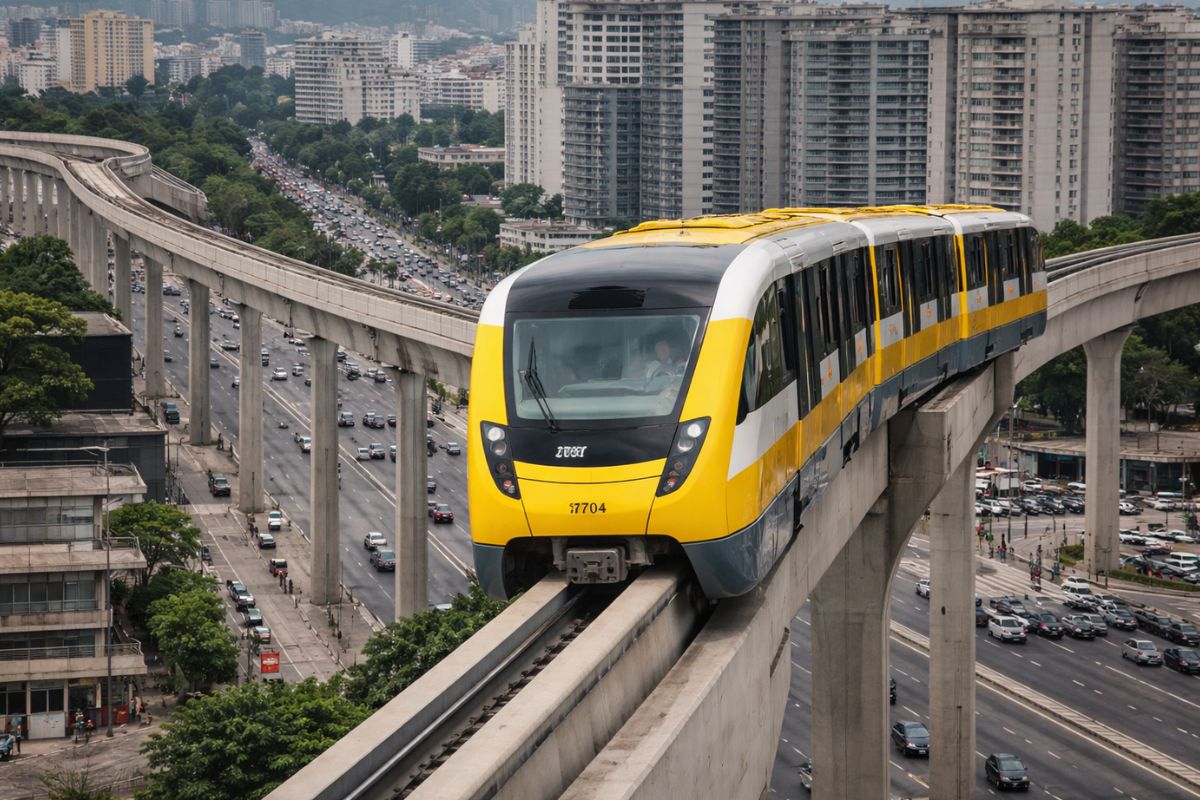
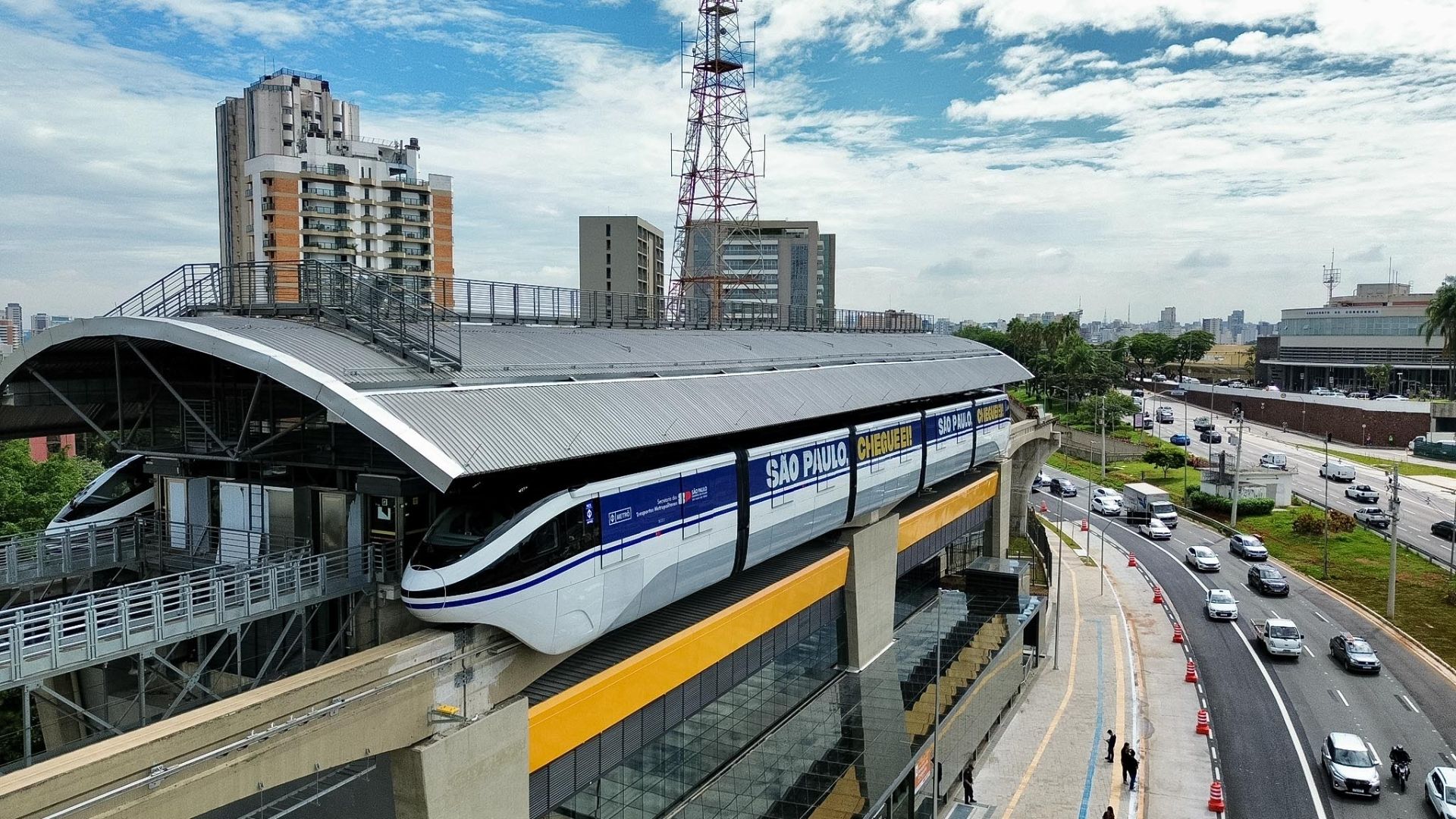
The project that was supposed to be ready for the 2014 World Cup in Brazil debuted with a 12-year delay and nearly R$ 6 billion invested: the Line 17-Gold of the São Paulo monorail opened with reduced hours and is only expected to operate fully in October.
-
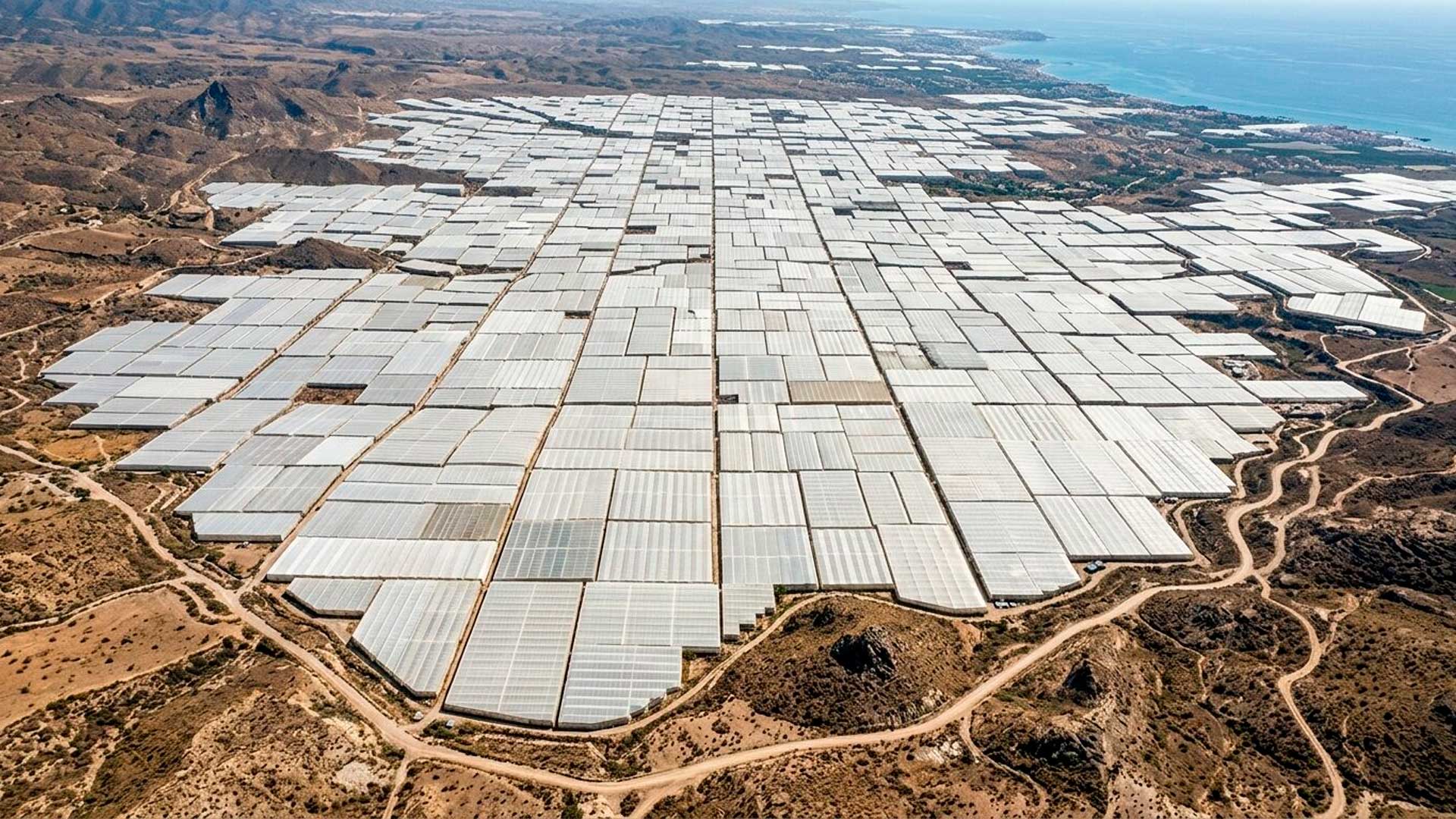
Neither the Pyramids nor the Great Wall of China, this gigantic construction in Spain is the human mark on planet Earth that intrigues the most when seen in images from space.
-
Surrounded by cliffs, mist, and chilling stories, the ancient Hotel del Salto has been reborn as a museum while still unable to shake off its reputation as a haunted place.

-
This star-shaped fortified construction, hidden near the border of Spain, may be the largest fortress on the planet.


The adoption of intelligent software, combined with more efficient construction methods, is already showing significant results in the productivity of the sector.
Automation and AI: Paths to Faster and More Efficient Projects
According to Marcos Galindo, representative of CBIC and PBQP-H, productivity is directly linked to the adoption of accessible and adaptable technologies to the maturity stage of each company.
“Industrialization in the construction sector is a clear goal. We need to reduce construction time and increase efficiency while respecting the different realities of each organization,” Galindo stated.
Among the highlighted technologies is generative design, which uses AI to simulate various engineering and architectural solutions in real-time, selecting the most efficient options.
Professor Beda Barkokebas from the Pontifical Catholic University of Chile highlighted that these tools enable the optimization of production areas and customization of solutions based on advanced algorithms.
Lean Construction and Industrialization: The Future Is Now
In international experience, the concept of Lean Construction is gaining more space as a global trend.
For Ramon Pollnow, managing partner at Kata Offsite, the key to transformation lies in the organization of processes and mechanization. “First, we structure the processes to then invest in equipment that eliminates waste and improves the work environment,” he explained.
In Brazil, industrialization is beginning to be integrated even into traditional methods, such as structural masonry. Rodrigo Fairbanks Von Uhlendorff, vice-president of SindusCon-SP, highlighted solutions such as prefabricated hydraulic and electrical kits, monocapa facades, and structural elements designed in BIM, which have been optimizing high-rise building projects, especially in urban centers like São Paulo.
ENIC 100: Commitment to a More Sustainable and Inclusive Construction Sector
The event also emphasized issues such as sustainability, diversity, and social responsibility.
CBIC presented initiatives related to the decarbonization of the sector and preparation for COP 30, through partnerships with SENAI and the Environment and Sustainability Commission (CMA).
With support from major names like Caixa Econômica Federal, Saint-Gobain, Sebrae, and several industry entities, ENIC 100 reaffirmed that building with technology is also building with responsibility, equity, and a vision for the future.








Seja o primeiro a reagir!