





 Portuguese
  English
  Spanish
 5 min of reading
  0 comments


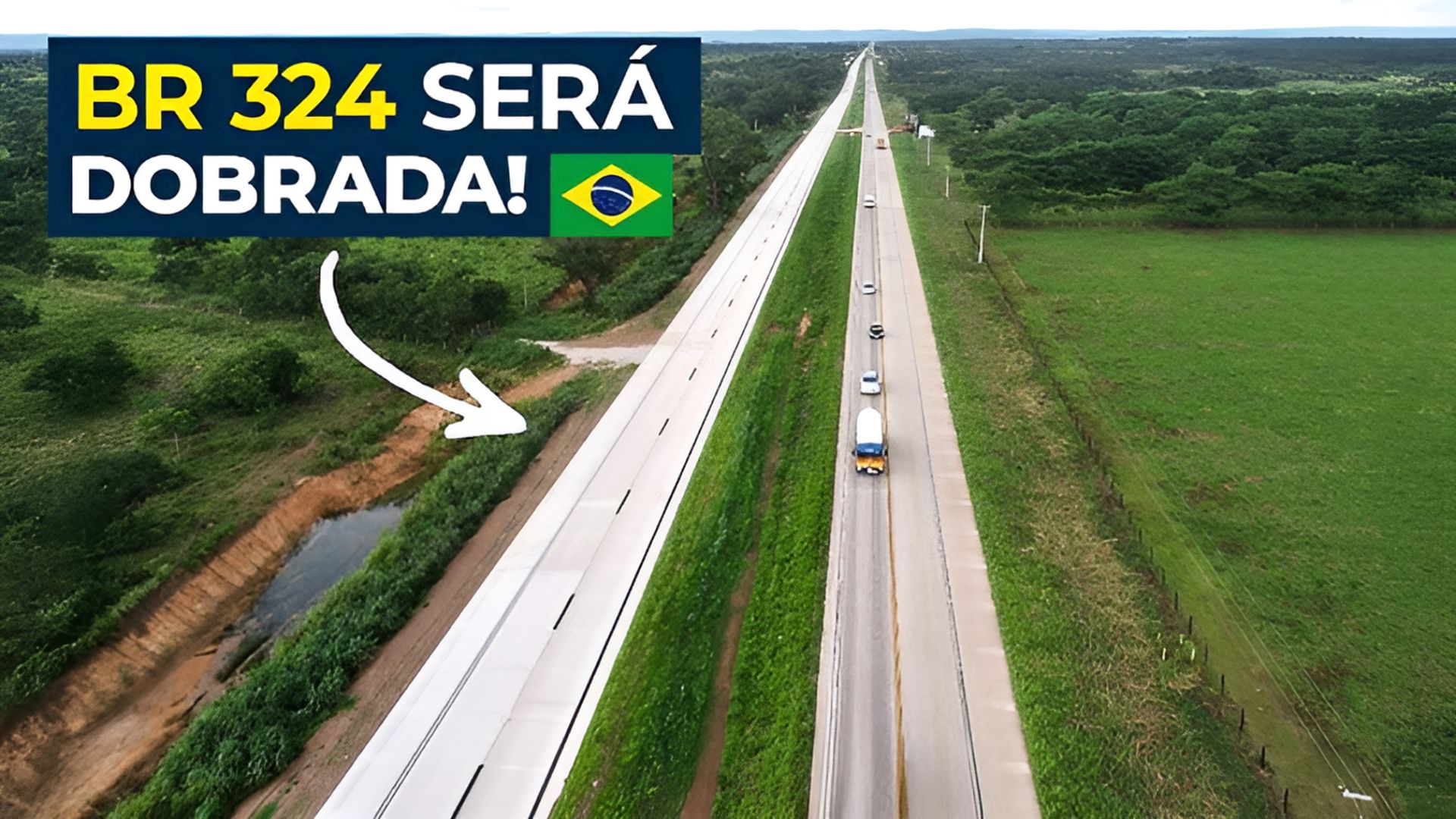
Duplication of BR-324 Begins in Strategic Stretch of Bahia and May Transform Regional Mobility. Public Investment Promises to Modernize Flow, Increase Safety, and Boost the Local Economy. See the Details of the New Road Project.
The duplication of one of the most critical stretches of BR-324, a key highway for the Northeast, is about to begin.
The official announcement by the federal government, made last month, marked the start of an intervention awaited for decades by both drivers and companies that rely on this route for transporting goods, moving workers, and facilitating passenger circulation.
The work, located in the urban area of Feira de Santana, Bahia, promises to ease traffic bottlenecks and bring direct impacts to regional mobility and the economy.
-
“No one will make us change the Pix,” says Lula after the US report.

-
Lula responds directly to Trump and says that Pix is from Brazil and will not change under pressure from anyone, after a report from the United States pointed out the Brazilian payment system as an American trade barrier.

-
Amazon has just announced a new fee on all deliveries, and your online purchases will become more expensive starting April 17, including for those buying from the United States here in Brazil.

-
He sold his share for R$ 4 thousand, saw the company become a giant worth R$ 19 trillion, and missed the opportunity of a lifetime.


Duplication Starts at a Strategic Stretch of BR-324
Daily, the BR-324 faces severe congestion, especially during peak hours, when the highway can resemble a large parking lot.
The heavy flow of cars, trucks, and buses causes delays, increases travel times, and results in losses for those who use the road as their main logistical corridor.
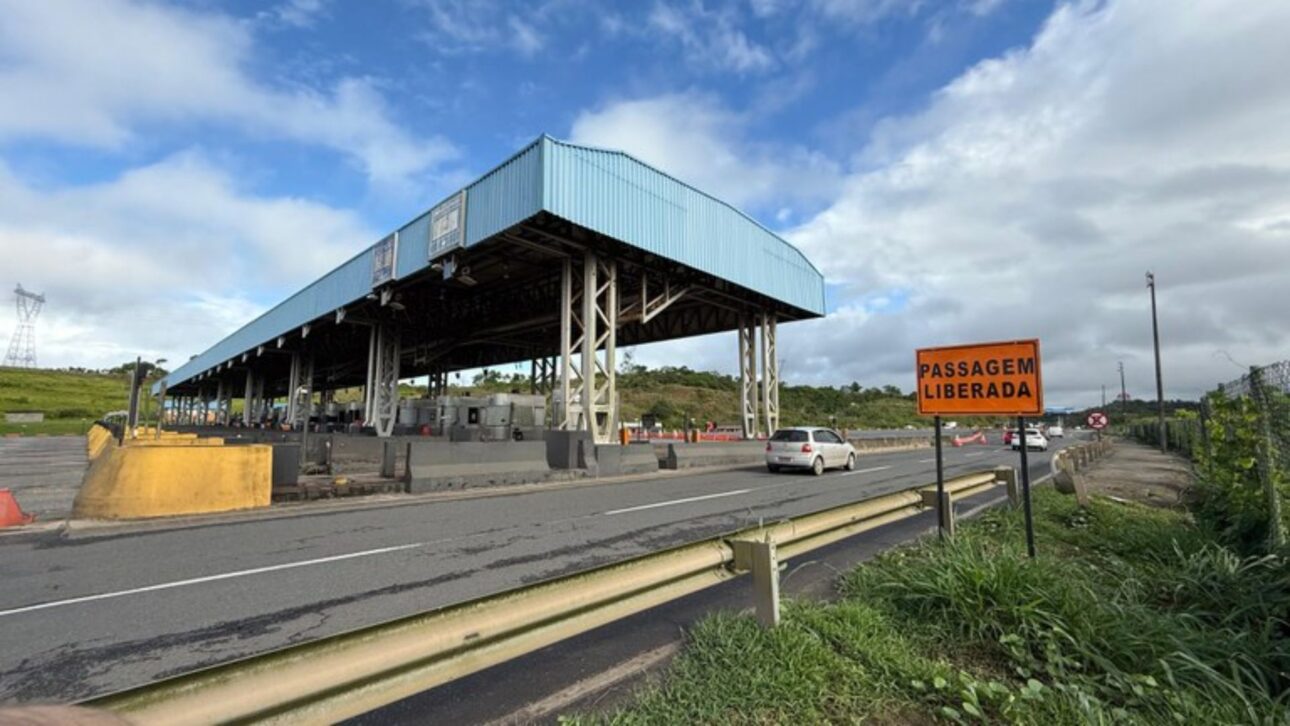
According to data from the National Department of Transportation Infrastructure (DNIT), BR-324 records not only constant traffic jams but also a high incidence of accidents, including collisions and run-overs, especially in the section that cuts through the city of Feira de Santana.
The duplication project starts with a segment of 7.2 kilometers of BR-324, between kilometer 512.50 and 519.70, within the urban limits of Feira de Santana. The choice of this stretch is not casual.
Feira de Santana is recognized as one of the largest road junctions in the Northeast, connecting Salvador to the interior of Bahia and serving as a mandatory passage for those heading to neighboring states such as Pernambuco and Sergipe.
Estimates suggest that over 600,000 residents will be directly benefited by the highway improvement.
The investment allocated for the duplication of the stretch is R$ 9.4 million, a value that reflects the complexity of the planned services, including road widening, implementation of safety devices, drainage, improvements in signage, and modernization of the urban layout.
Since the end of the ViaBahia concession in May 2025, the highway has only received emergency maintenance from DNIT, which is insufficient considering the traffic volume.
Phases of the BR-324 Duplication Work
The schedule provides for completion within 29 months, with delivery expected for November 2026.
The project will be executed by the company CSS Construtora S.A., the winner of the bidding held in May 2025.
The work will be divided into three major phases: mobilization and site preparation, execution of the duplication, and finally, finishing and safety testing.
In the first phase, technical teams will carry out topographical surveys, mapping natural and urban obstacles.
If necessary, processes of expropriation will occur with appropriate compensation for affected property owners.
During the second phase, the highlight is the creation of a new lane in each direction, increasing BR-324’s capacity to accommodate the growing traffic.
The asphalt used will be high-performance, suitable for heavy traffic.
Additionally, turnaround devices, controlled accesses, and a new drainage system will be constructed to prevent flooding.
The last phase includes finishing, technical testing, and final clearance for traffic.
The section will only be delivered after a rigorous evaluation of all safety items, such as guardrails, signposts, and reflective paint on the ground.
Economic and Social Impacts of the BR-324 Duplication
The duplication of BR-324 in Feira de Santana will generate hundreds of direct and indirect jobs during the construction phase, boosting local services, food, and accommodation sectors.
Companies that rely on the highway for transporting goods should feel positive effects, with reduced logistics costs and greater predictability in delivery times.
Urban mobility for residents of Feira de Santana will be impacted, especially for those needing to cross the city daily to work, school, or university.
The duplication also represents a significant gain for emergency services, as ambulances and emergency vehicles will have more agility to navigate the stretch, reducing response times in critical cases.
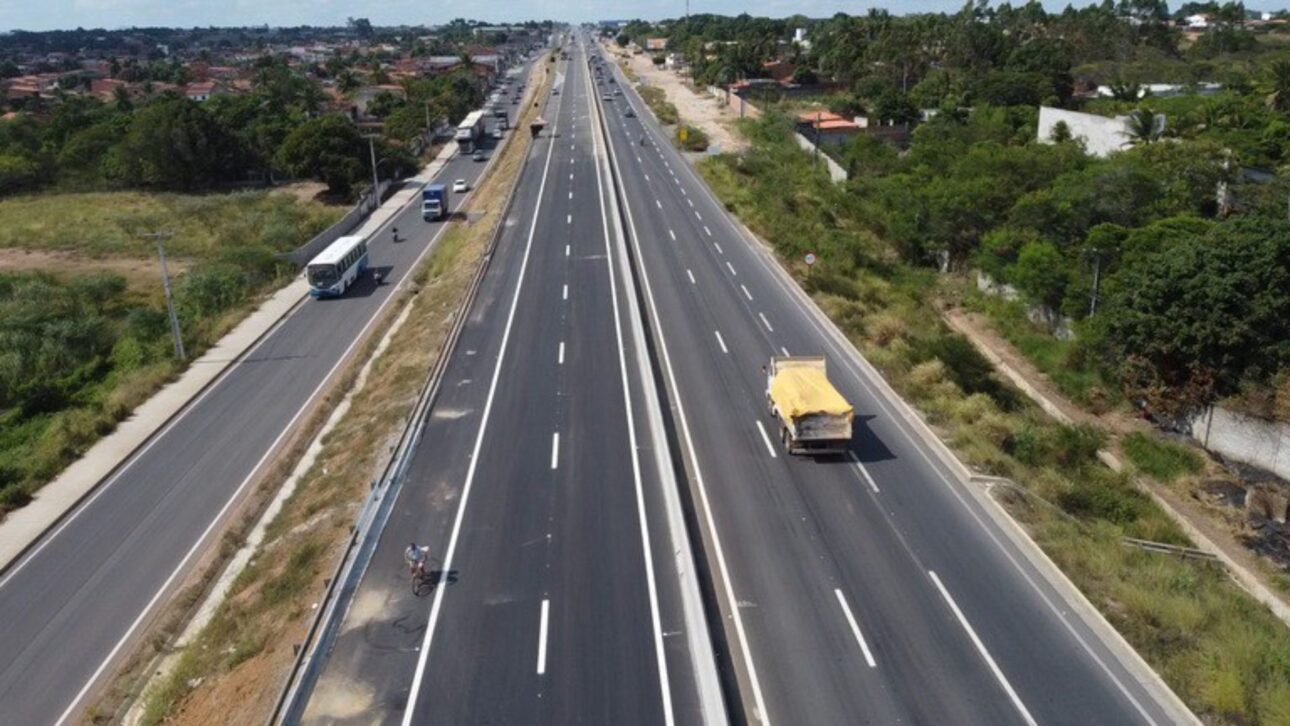
The road safety is another central aspect of the project. The expectation is that, with the separation of vehicle flows and improved signage, there will be fewer head-on collisions and serious accidents, protecting drivers, passengers, and pedestrians.
Public Investments in BR-324 and BR-116 Expand Modernization
The Ministry of Transportation announced in June 2025 a package of R$ 500 million for various improvements on Bahia highways, including BR-324 and BR-116.
The program includes not only duplications but also pavement recovery and modernization of safety devices at several critical points along the federal roads.
Among the next segments considered for duplication are the stretches between Simões Filho, Amélia Rodrigues, and Feira de Santana to Capim Grosso.
The push for new duplication phases comes from business associations, transportation unions, and the general public, who demand works capable of keeping pace with the state’s economic growth and ensuring more safety for those traveling daily on the highways.
Expectations and Challenges for Mobility on BR-324
The duplication of BR-324 is seen as the beginning of a broader process to transform road infrastructure in the state of Bahia and throughout the Northeast region.
For mobility specialists, the intervention could significantly reduce historical congestion and elevate the highway to a new level of efficiency and safety.
However, the execution of the project will face challenges, such as the need to maintain vehicle flow during the construction and ensure adherence to deadlines and budgets.
The lingering question is: will the duplication of BR-324 truly transform the experience for the thousands of users who rely on the highway every day?
And will the success of this project serve as a reference for future interventions on other federal roads in Brazil?








Seja o primeiro a reagir!