





 Portuguese
  English
  Spanish
 5 min of reading
  0 comments


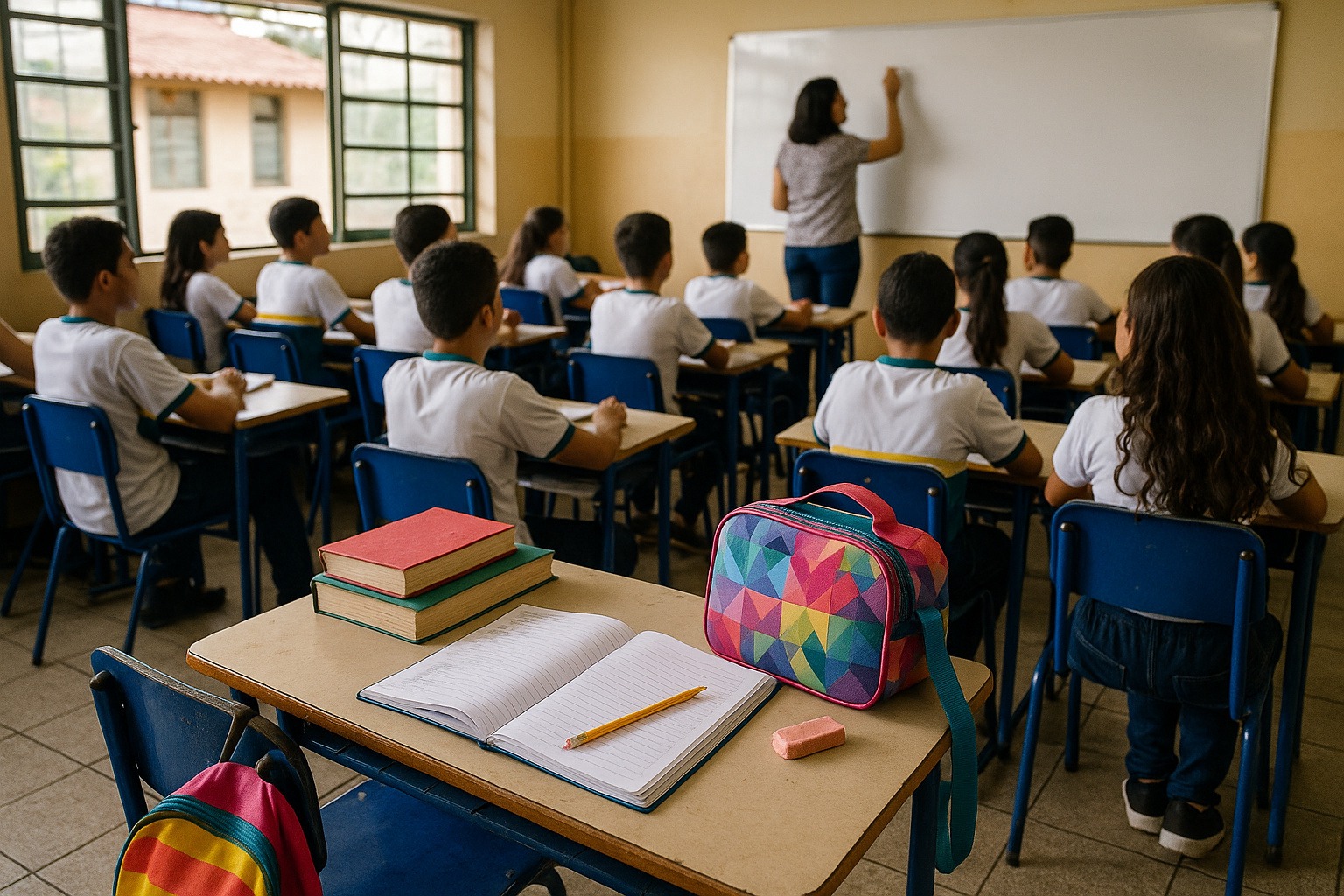
Private Schools in São Paulo and Rio Lead the Increases, With Highs Reaching 12.5%; Families Are Already Anticipating to Negotiate Discounts and Secure Costs
Brazilian families already need to prepare for a heavier budget at the beginning of the year. A survey by the Rabbit Group, a consulting firm specialized in private educational institutions, indicates that tuition fees for 2026 will have an average increase of 9.8%, a percentage that represents more than double the inflation expected for this year, estimated at 4.83% by the Central Bank’s Focus survey.
This level even surpasses the rates observed in recent years. In 2023, the average adjustment was 9.3%, and in 2024, it reached 9.5%. Now, the increase is expected to be felt even more intensely, pressuring parents to reassess financial priorities and anticipate negotiations with schools.
What Contributes to the Calculations of Private Schools
According to Christian Coelho, CEO of Rabbit, three main factors explain the increase in tuition fees: the accumulated inflation of 5.13% over the last 12 months until August, investments in infrastructure and technology made in the previous period, and the salary adjustments for teachers and administrative staff.
-
With a dependence of up to 80% on gas imported from the United States, Mexico is responding with a robust energy strategy, betting on shale gas, creating a scientific committee, and preparing to expand natural gas production to reduce vulnerability and strengthen its energy security in the coming years.

-
The United States proposes to Brazil a critical minerals agreement with a minimum price to combat Chinese dumping and priority for investment, but the Planalto is blocking the signing out of fear of upsetting China and due to electoral calculations in a year of competition.

-
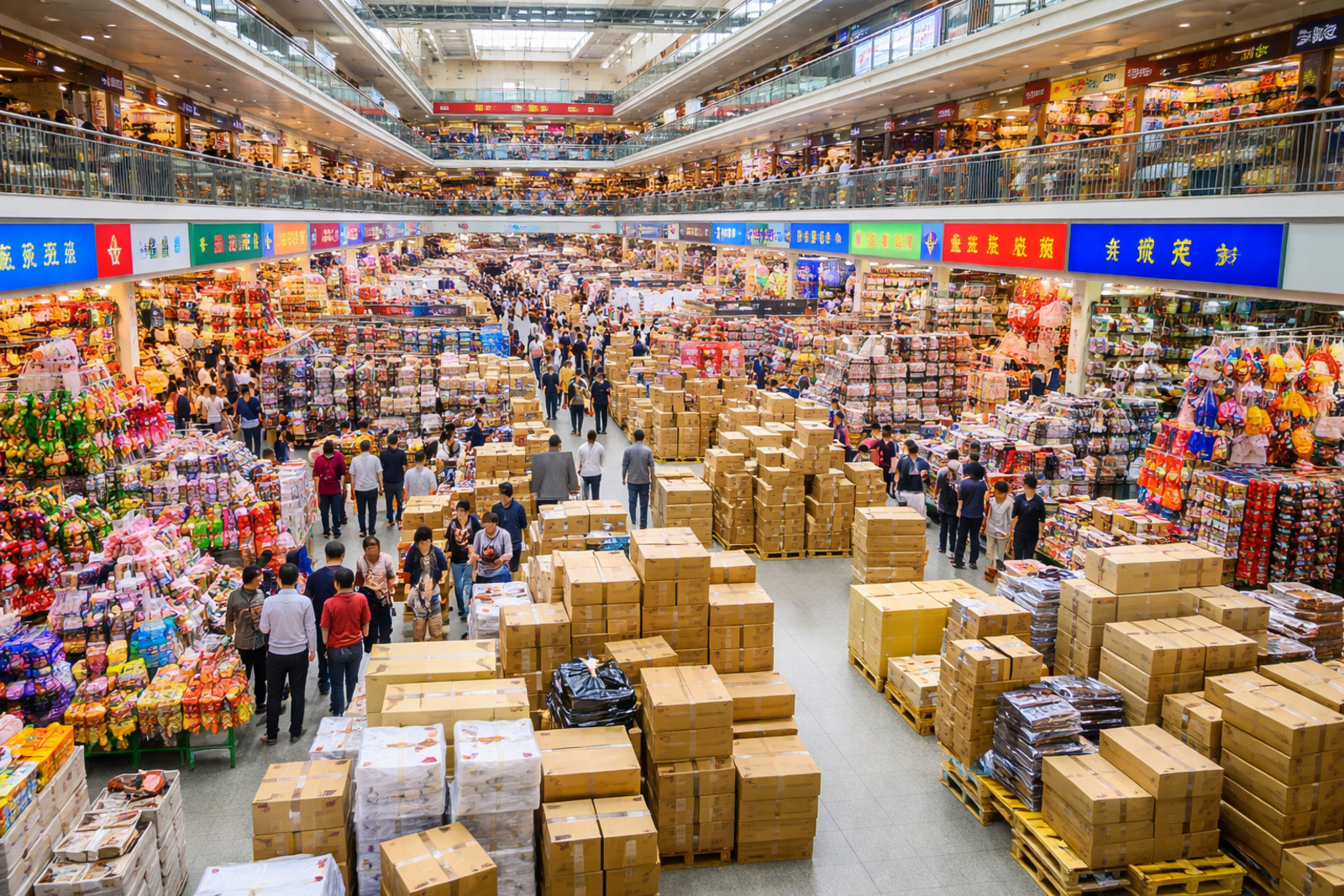
How the world’s largest market sidestepped Trump’s tariff hike, diverted part of the cargo to new destinations, and still set a record in exports.
-
Petrobras buys back fields for billions — what no one is talking about regarding this decision and how it could impact jobs and oil in Brazil.

“The great cost for schools lies in maintenance and new investments, such as the implementation of bilingual programs and socio-emotional projects, which require greater specialization and resources,” the consultant highlighted.
However, the impact varies according to the region and the strategy of each institution. The newspaper O Globo received notices from 15 schools in Rio de Janeiro and São Paulo, revealing percentages ranging from 6.5% to as much as 12.5%.
Examples in Rio de Janeiro: Increases of Up to 12.5%
In Rio, the highest adjustment was identified at the Saint John, in Barra da Tijuca, which set an increase between 8.5% and 12.5%, depending on the renewal date of the enrollment. The school was contacted by the press but did not provide a response.
Meanwhile, Inovar Veiga de Almeida, also in Barra, will implement adjustments of 7% to 11%, justifying the decision by the salary increase for teachers, maintenance of infrastructure, and expenses with stationery. “We opted for a progressive table to encourage early re-enrollments and thus achieve better negotiating margins with suppliers,” explained Tainá Magaldi, the school’s financial director.
Other schools also confirmed significant increases. Franco, in Laranjeiras, will adopt a linear correction of 9.97% across all grades. The management emphasized that the percentage may seem larger for some families, especially when students transition between segments, such as from the 5th to the 6th grade, when new services and pedagogical resources are included.
São Paulo Sees Even Higher Adjustments in Traditional Schools
In the capital, the increases also alarm parents. The Colégio Bandeirantes, in Vila Mariana, announced an adjustment of 11.5%, justifying the index by the increase in costs in the education sector and ongoing investments in infrastructure, technology, and pedagogical projects.
On the other hand, Objetivo, which has 14 units in São Paulo and the Metropolitan Region, will apply increases ranging from 7.5% to 9.2%, depending on the grade and education level. In a statement, the institution highlighted that it considers the collective bargaining for teachers, the rise in rent, and supplies, as well as the ongoing training of professionals.
Other schools confirmed increases between 6.5% and 9.8%, such as Edem, CEL, PH, Sá Pereira, and Santa Mônica, which justified the figures based on projected cost spreadsheets for 2026.
Debt and Pandemic Impact Still Weigh on the Sector
According to Christian Coelho from the Rabbit Group, the pressure for adjustments above inflation is also linked to the financial losses accumulated during the pandemic. A survey conducted by the consultancy shows that 70% of private schools are currently more indebted than in 2020, when remote classes caused a decline in enrollment numbers and widespread discounts on tuition fees.
Delinquency is also a significant factor. Between January and April this year, the rate varied from 4.8% to 5.4%, but some networks report much higher rates. The Progressão, with units in the North Zone and Baixada Fluminense, reaches 20% in payment delays. For 2026, the network announced an adjustment of 9%, even after having reduced tuition fees by 40% since 2020.
Despite the financial difficulties, 70.5% of schools plan to invest in bilingual programs and socio-emotional projects next year, while 52% promise to improve infrastructure, including painting, furniture replacement, and updating IT equipment.
Parents Seek to Negotiate Before the New Year
In light of this scenario, many families are getting ahead. Businesswoman Cristiane Krassuski, 40, decided to switch her daughters to another school in 2025 to secure the current rates and avoid the impact of the increase. “I start paying early because in addition to tuition, there are other expenses like enrollment, materials, and books. With planning, we can achieve better negotiation conditions,” she said.
Experts advise that parents and guardians seek direct dialogue with schools. According to economist André Braz from Ibre/FGV, cases such as students with excellent academic performance or siblings enrolled at the same institution can open up opportunities for discounts or temporary freezing of the increase.
The ZeroHum, for example, announced an increase of 11%, but partner Paulo Pereira stated that there is room for negotiation: “We are investing in technology, but we are also facing increases with teaching systems, teacher salaries, and rent. Still, we assess each case individually to offer flexibility.”
Adjustment Will Be Double the Projected Inflation
With three months remaining until the end of 2025, the scenario is clear: tuition fees for 2026 will have an average adjustment of 9.8%, practically double the official inflation projected at 4.83% by the Central Bank. The estimate, based on a national survey by the Rabbit Group, shows that the costs of private education will continue to exert strong pressure on the budgets of Brazilian families.
For those who have not yet anticipated, the recommendation is to evaluate contracts, compare schools, and seek negotiation alternatives before the turn of the year. After all, each percentage point of adjustment represents a significant difference in the pocket over 12 months of tuition fees.
How do you see the weight of school adjustments in the financial planning of Brazilian families?






Seja o primeiro a reagir!