





 Portuguese
  English
  Spanish
  4 min of reading
  0 comments


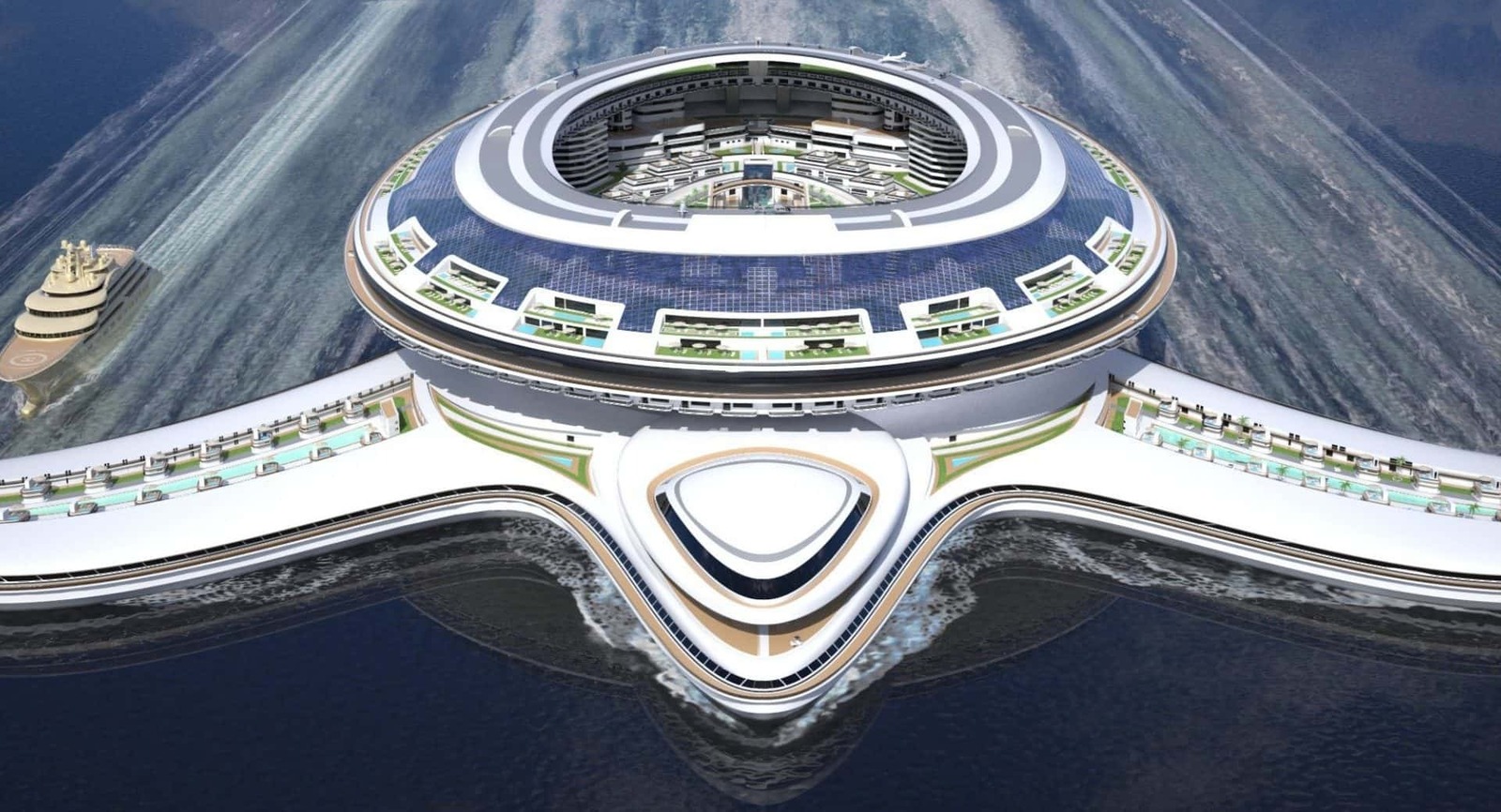
Conceived by Lazzarini Design, the Pangeos gained worldwide attention by proposing a monumental floating megacity, but remains restricted to paper, without licenses, contracts, active shipyards, or any concrete physical advancement since the initial announcement
The Pangeos project, conceived by the Italian studio Lazzarini Design, gained global attention since 2022 by proposing a floating megacity in the shape of a turtle, but it still has no construction started, confirmed contracts, or a defined operational timeline.
Initial Impact and Current State of the Floating Megacity Concept
Unveiled to the public in 2022, the Pangeos quickly spread across social media and specialized portals, stimulating debates about extreme engineering, maritime urbanism, and the technical limits of shipbuilding.
Even with the wide visibility, the project has not progressed to the physical phase. There are no active shipyards, confirmed preparatory works, or official announcements of construction commencement.
-
They seemed like common bones, but scientists were surprised to find a relic over 12,000 years old that dates back to before the Bronze Age.

-
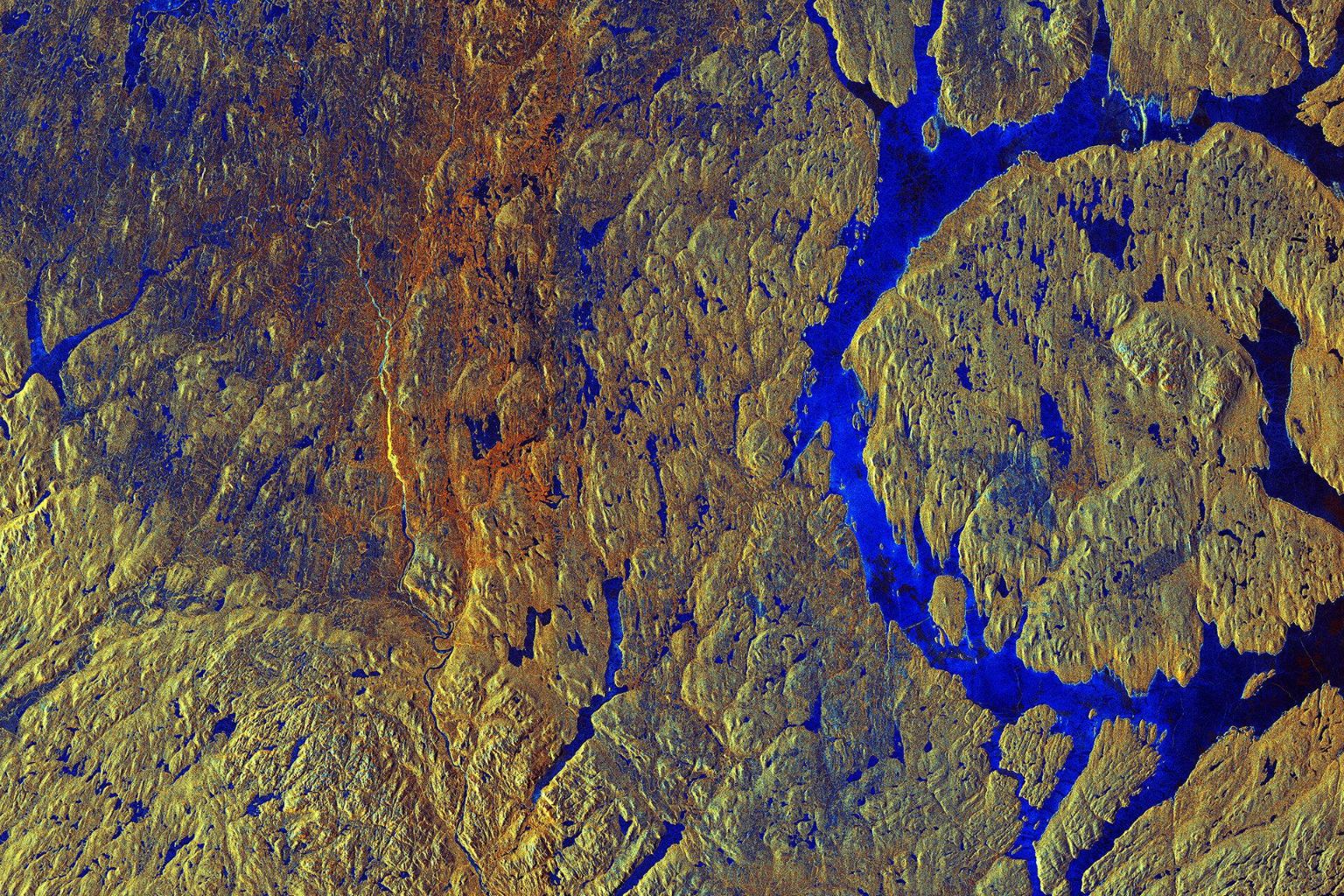
With an almost perfect ring of 70 km visible from space, known as the “Eye of Quebec” and over 100 km in length, the Manicouagan Crater in Canada reveals the colossal mark left by a giant asteroid and has become one of the most impressive formations ever identified on the Earth’s surface.
-
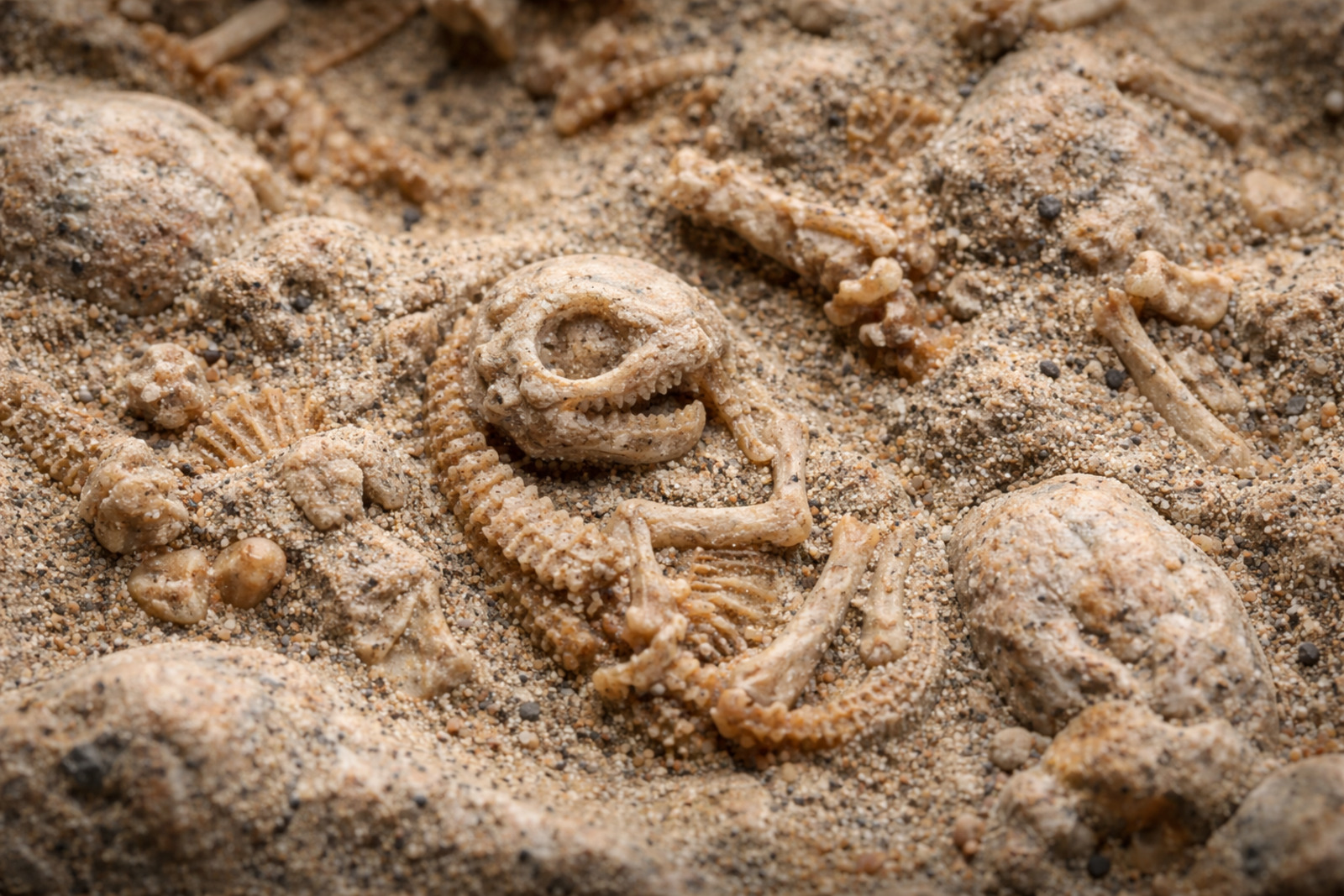
Scientists have found in China dinosaur embryos dating back 190 million years in various stages of development, and the discovery still preserves traces of extremely rare proteins in the bones, something that could change what is known about life before hatching.
-
The CEO of Honor in Spain says that smartphones will change with AI, foldables, and even robot phones; the component crisis is making cheap models more expensive in 2026 and shifting the focus to premium.

Today, the Pangeos remains as a detailed technical concept, supported by images, videos, and descriptions, but far from practical execution in the maritime sector.
Origin of the Name and Symbolic Proposal
The name Pangeos refers to Pangaea, the supercontinent that unified all the landmasses of the planet, reflecting the ambition to create a self-sufficient structure capable of crossing oceans.
The turtle shape reinforces this symbolic narrative, associated with longevity, stability, and resilience in harsh maritime environments over decades.
This aesthetic and conceptual choice aims to communicate durability and continuous operation, central elements of the proposal presented by the Italian studio.
Projected Dimensions and Comparison with Existing Structures
According to the disclosed plans, the Pangeos would be 550 meters long and up to 610 meters wide, dimensions greater than any current ship or floating platform.
For comparison, the project would surpass the Wonder of the Seas, the largest cruise ship in the world, which is 362 meters long.
This unprecedented scale places the Pangeos at a technically unparalleled level, raising doubts about structural viability and construction logistics.
Internal Structure and Expected Capacity of the Turtle-Shaped Megacity
The interior is designed as a compact and multifunctional city, featuring hotels, shopping centers, parks, residential areas, resorts, and integrated leisure spaces.
Beach clubs, areas for smaller vessels, and spaces designated for light aircraft are also planned, composing a complete floating urban ecosystem.
The estimated capacity reaches 60,000 guests, not including crew and staff, equivalent to a mid-sized city concentrated on a single platform.
Construction Barriers and Lack of Licenses
Despite the visual detailing, the Pangeos never went beyond the conceptual phase. There are no records of environmental licenses issued or construction contracts signed.
The proposed construction method is one of the main barriers, involving the dredging of about one square kilometer and the creation of a circular maritime dam.
This approach would require unprecedented infrastructure and high initial costs, hindering the transition from concept to operational reality.
The Terashipyard and Suggested Location
Lazzarini Design proposed the creation of a “Terashipyard,” a tailor-made shipyard approximately 650 meters wide and 600 meters long.
The suggested location would be near the King Abdullah Port in Saudi Arabia, about 90 kilometers from Jeddah.
To date, however, there is no official confirmation of local approval, institutional partnerships, or authorization for the establishment of this naval complex.
Distant Timeline and High Cost
The Italian studio estimated, in initial projections, the start of construction in 2033, with an approximate timeframe of eight years for total completion of the structure.
This timeline depends entirely on financial viability and political alignment, factors that are still undefined and without announced public guarantees.
The estimated cost is around 8 billion dollars, a sum considered high even for large-scale naval megaprojects.
Alternative Financing Attempts
As an initial alternative, Lazzarini Design launched a campaign based on the sale of NFTs, linked to the commercialization of virtual spaces in the Pangeos metaverse.
The proposal aimed to fund future stages of the project, creating a base of digital supporters interested in the floating city idea.
To this date, this initiative has not generated sufficient capital to unlock physical works, keeping financing as the main obstacle.
Technical Challenges Yet to Be Validated
Beyond the cost, the engineering challenges remain significant, including structural stability, resistance to waves, winds, and storms in open waters.
The propulsion system envisions nine electric motors of 16,800 hp each, resulting in an estimated speed of only 5 knots, about 9.2 km/h.
This limitation raises questions about maneuverability, energy efficiency, and operational viability of a structure of this magnitude.
Pangeos: Between Imagination and Practical Execution
Even without concrete advancements, the Pangeos continues to be cited as the highest reference of contemporary conceptual naval architecture, sparking global fascination.
The interest of Saudi Arabia in monumental projects is seen as a potentially favorable factor, although still without formal confirmations or commitments made.
For now, the project symbolizes the limits between imagination, engineering, and economic feasibility, remaining on paper, without physical advancements or clear signs of progress.
With information from Olhar Digital.





-

-

3 pessoas reagiram a isso.