





 Portuguese
  English
  Spanish
  4 min of reading
  0 comments


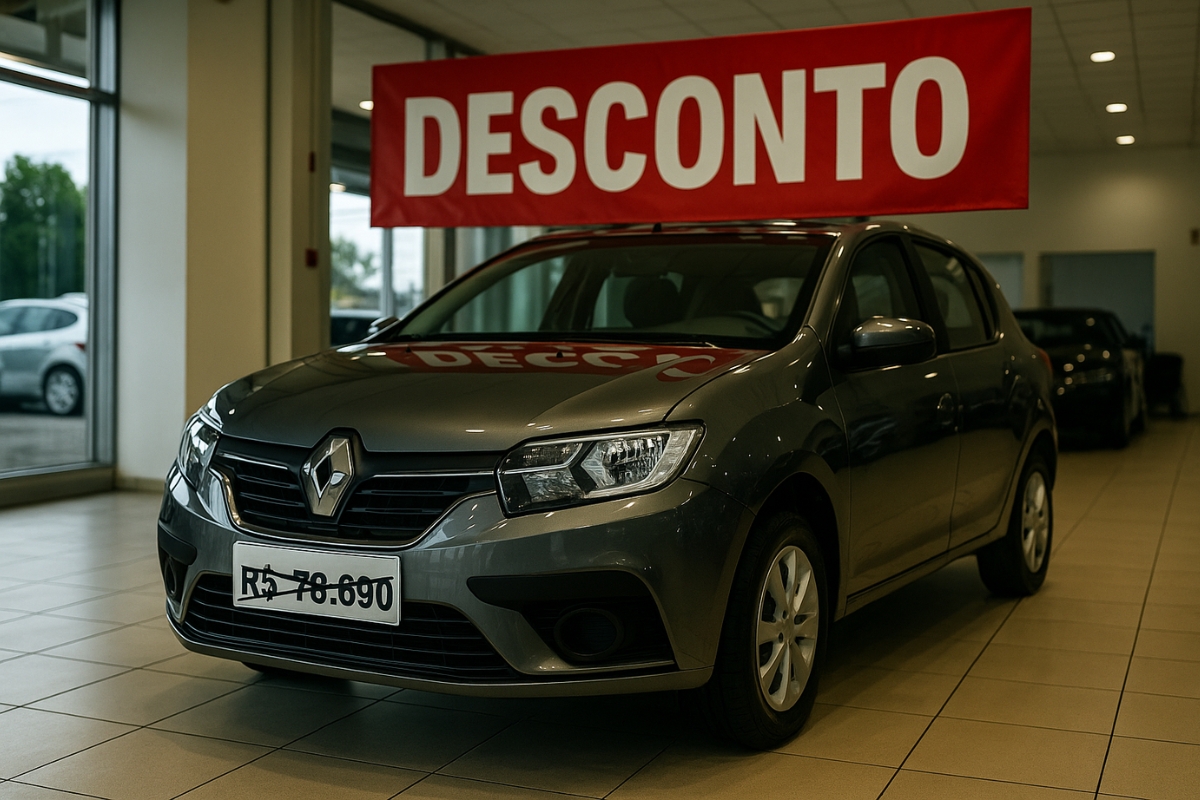
Cars About to Be Discontinued Can Offer Discounts of Up to R$ 60 Thousand, But They May Also Depreciate Faster. Understand When This Purchase Represents Real Savings and When It Becomes a Future Loss
The discussion has gained momentum in the Brazilian market after popular models began to offer aggressive discounts as they approach discontinuation. In a country where the cheapest new car costs almost R$ 80 thousand, the search for deals seems inevitable. But the question remains: is buying a car that is going out of production a smart saving or a trap that depreciates the asset?
The topic gained traction after the Renault Clio, considered the cheapest new car in Brazil, appeared at dealerships for R$ 78,690, while earlier versions or models about to be discontinued offered much larger reductions. The most famous example is the Volkswagen Amarok, which in 2014 recorded discounts of R$ 60 thousand when the new generation was about to be launched.
This type of promotion becomes an immediate temptation for consumers but also raises doubts. According to finance experts, the decision depends less on the current price and more on the long-term behavior of the buyer.
-
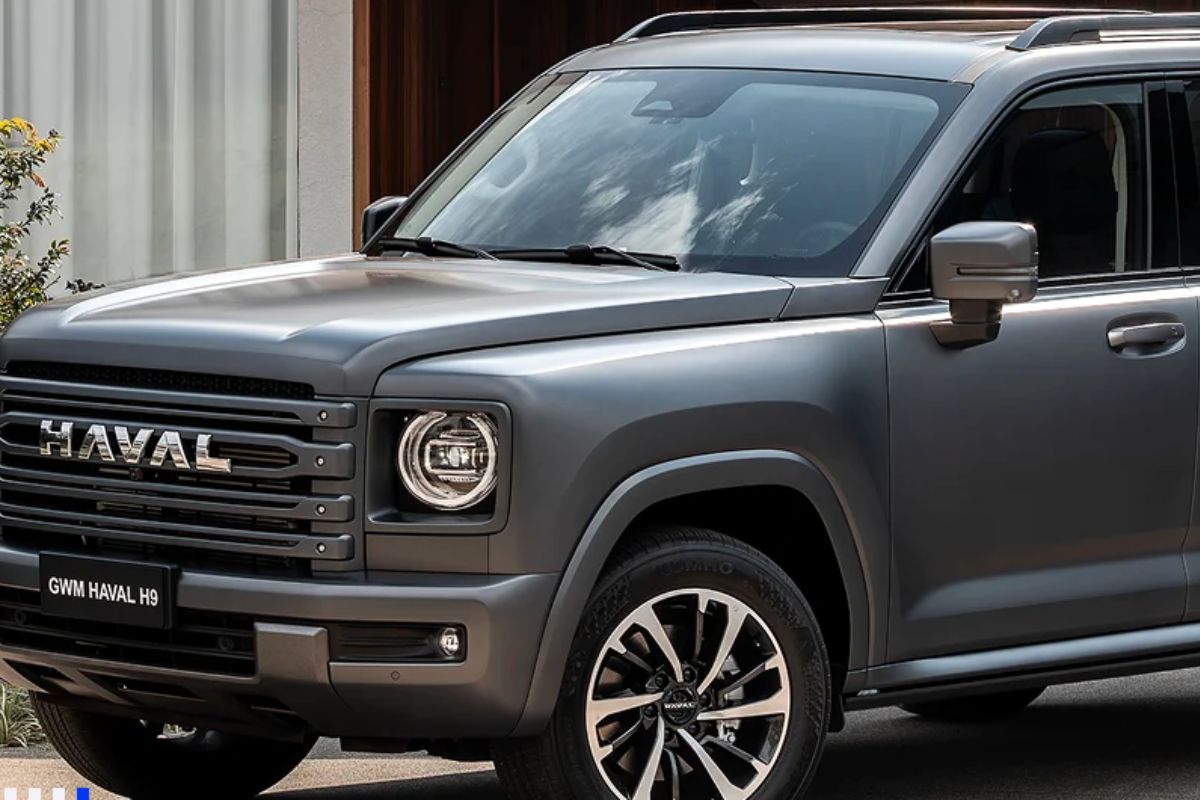
With a price almost R$ 100 thousand lower, the Haval H9 surpasses the SW4 for the first time in March, but Toyota still leads in the accumulated total for 2026; the Chinese SUV bets on technology and premium finishing to compete at the top.
-
6 used cars that cost less than a new Honda CG 160 Titan and still provide trunk space, four seats, and comfort that many new motorcycles cannot offer.
-
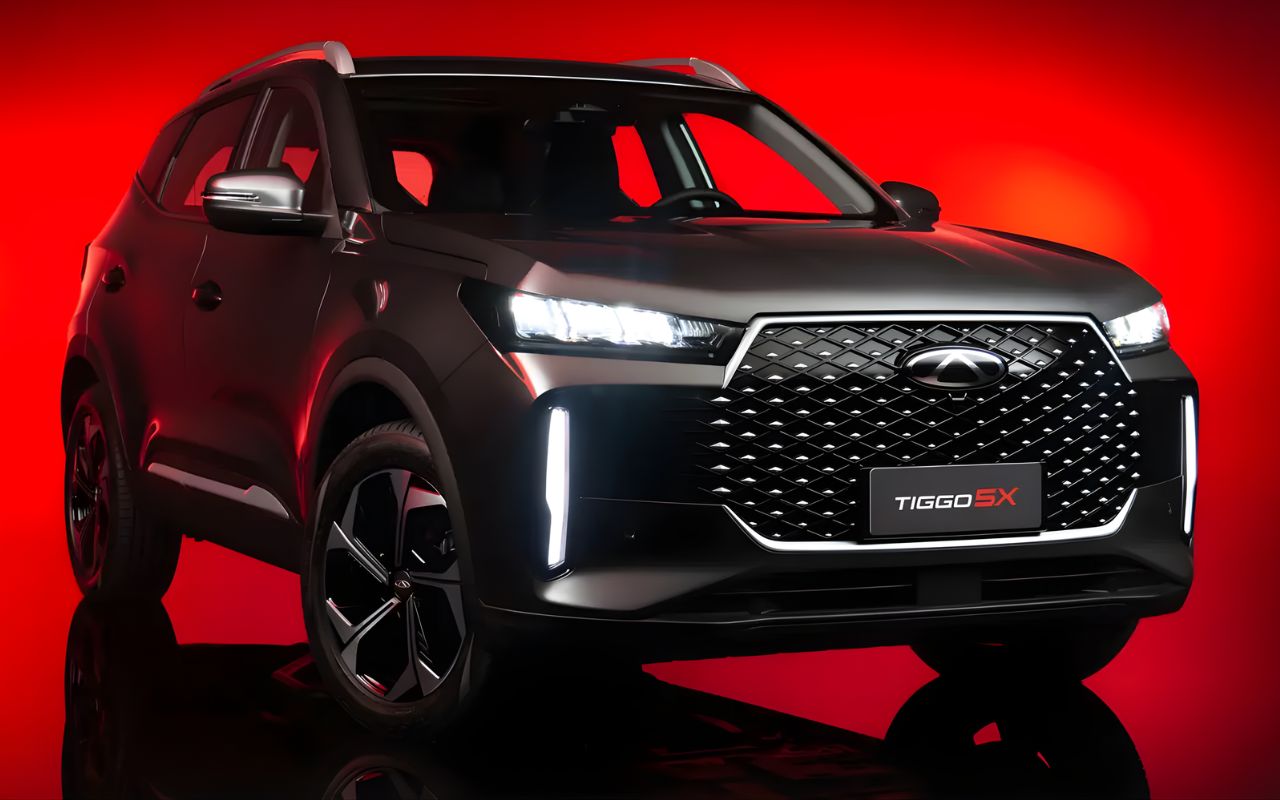
Caoa Chery Tiggo 5X skyrockets in sales in Brazil: a 2,318% increase and waiting lists of up to 4 months to acquire the model.
-
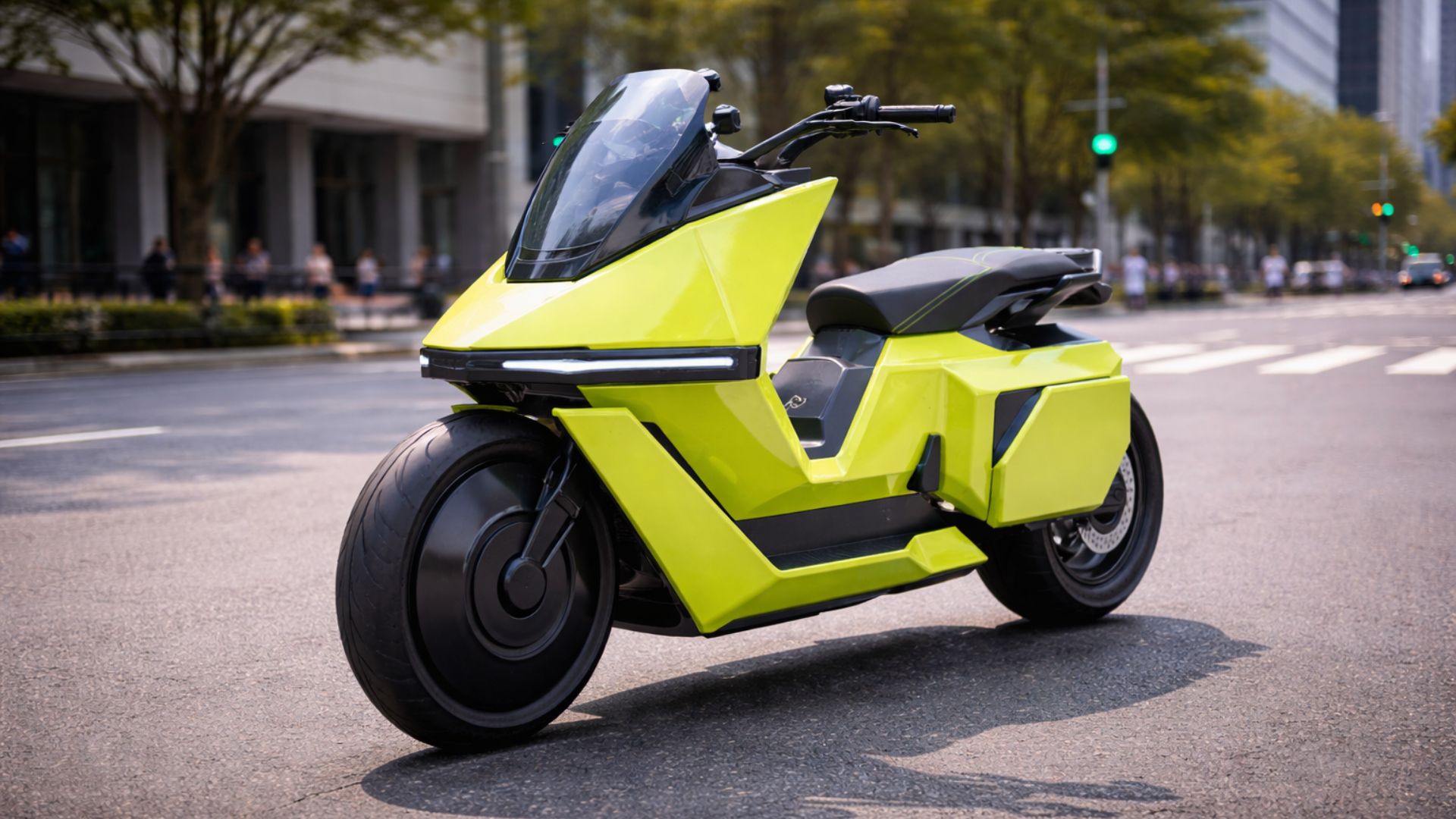
Goodbye falls: Singaporean company Omoway begins production of a motorcycle that doesn’t fall and surprises the market by offering automatic balance technology that reduces accidents and transforms the urban riding experience.

High Discounts Attract, But Depreciation Can Surprise
Discontinued cars tend to experience faster depreciation in the first few years. It’s not a rule, but the decline can be 15% to 30% above the average of models still in production. This happens because the market fears a loss of liquidity, lower demand, and potential difficulty in resale.
Even so, the equation changes completely if the offered discount is much greater than the future depreciation. This is the case for offers exceeding R$ 30 thousand, as has already occurred with the Amarok, Fiat Uno in its final stretch, and even mid-sized SUVs undergoing model refreshes. When consumers pay less now, they “soften” the loss of value down the road.
Financial educator Reinaldo Domingos, president of the Brazilian Association of Financial Education Professionals, explains that the problem is not the car going out of production. The real complication is buying without planning, believing that a low price solves everything. For those who change cars every one or two years, depreciation becomes a headache. However, for those who keep the vehicle longer, the savings start to make sense.
Parts, Maintenance, and Insurance: What Really Changes
One point that worries many people is maintenance. By law, manufacturers must guarantee the supply of parts for several years after production ends. In the case of cars that share a platform with other active models, logistics become even simpler.
In practice, Renault, Fiat, Chevrolet, and Volkswagen have solid networks that continue to supply components even when a model is retired. This reduces the risk of shortages and keeps maintenance costs under control.
Insurance may change slightly. Some insurers charge a slightly higher amount, usually between 10% and 15%, as they understand that the car may have lower liquidity in the future. Still, the impact is usually small compared to significant factory discounts.
Another important factor is resale. Although a model out of production may attract fewer buyers, the selling price is usually offset by how much the customer saved on the initial purchase. In many cases, even selling for less years later, the owner still comes out ahead in the overall balance.
When This Purchase Is Really Worth It
Experts agree: it makes sense to buy a car about to be discontinued when the consumer has a long-term use profile. Those intending to keep the vehicle for four, five, or six years will rarely feel a negative impact. On the contrary, they will enjoy a long period with a cheaper and functional asset.
It is also worthwhile when the discount outweighs the risks. If the dealership offers 20% to 30% off, this reduction is generally greater than any accelerated depreciation. In some extreme cases, like the Amarok, the discount was so significant that buyers made money on resale years later because the real market value rose again.
The opposite movement, when the discount is small, tends to be a trap. Reductions of R$ 5 thousand or R$ 10 thousand rarely compensate for the subsequent drop in resale value. In these situations, the car loses attractiveness and becomes a poor financial decision.
The scenario also changes when the manufacturer is leaving the country, as happened with Ford in 2021. In that case, prices dropped rapidly, and parts became more expensive. Here, the risk was real and directly affected thousands of owners.
Today, the context is very different. Manufacturers remain in Brazil and continue to renew portfolios. Cars may cease to exist, but their mechanical bases remain alive in other models, ensuring technical support for many years.
The Final Evaluation Depends on Planning, Not Just Price
Buying a car about to be discontinued is a strategy that works when the consumer knows their own profile. Those seeking immediate savings and intending to use the vehicle for a long period find excellent opportunities. However, those who frequently change cars may end up frustrated with resale.
In the end, the decision should not be based solely on the price seen in the ad. It is necessary to understand how the car will be used, how many years it will remain with the owner, and what the real impact of the discount will be on the pocket over time.










Seja o primeiro a reagir!