





 Portuguese
  English
  Spanish
  2 min of reading


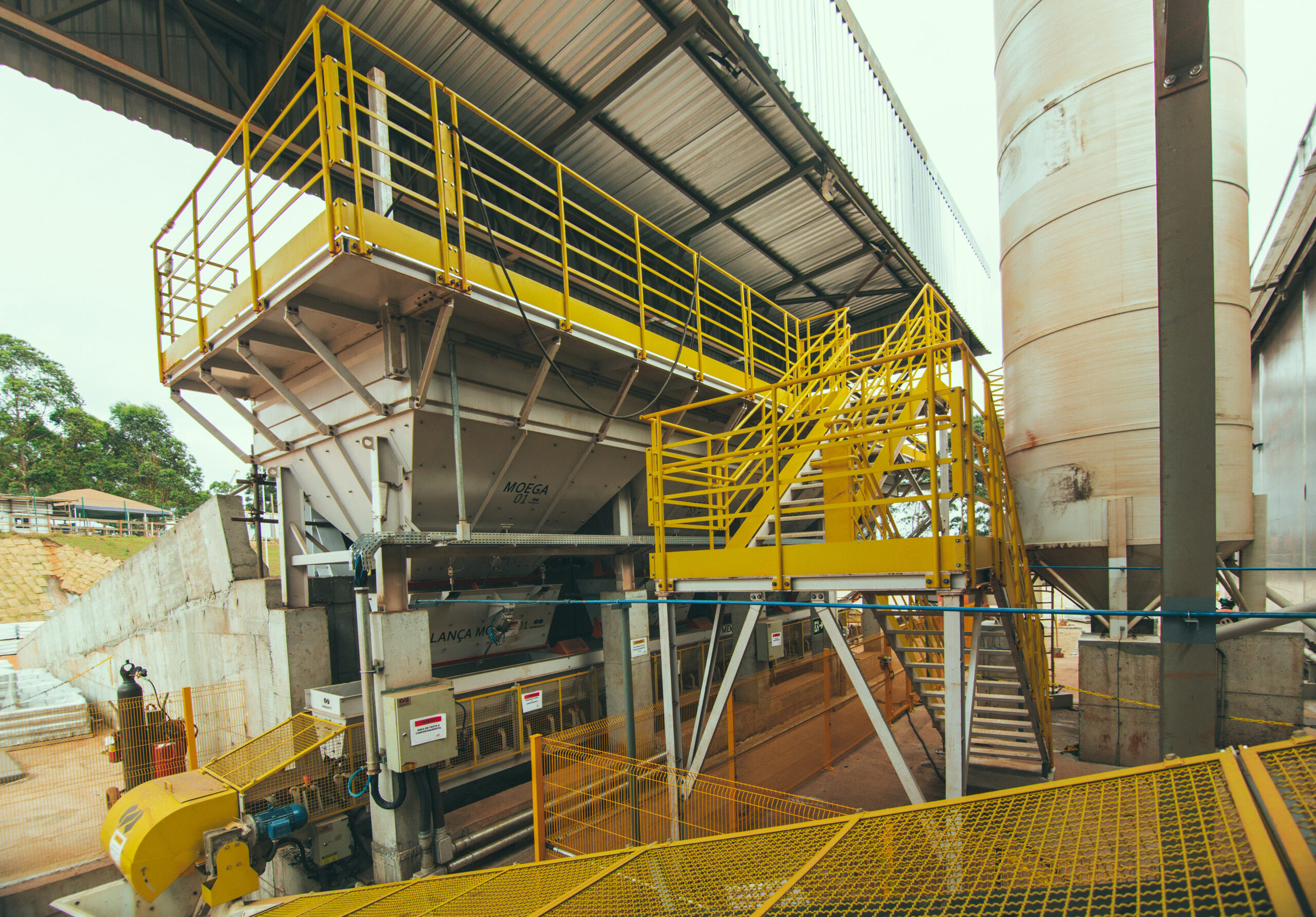
Vale Inaugurates the Pico Block Factory, the First Pilot Plant for Civil Construction Products, Whose Raw Material is Initially Mining Waste.
The factory of the mining company Vale installed at the Pico Mine, located in the municipality of Itabirito, MG, aims to promote the circular economy in mining operations, according to the mining company. Right after the testing phase, the expectation is that, each year, about 30 thousand tons of mining waste will no longer be dumped in dams or piles, to be reused in over three million precast products of wide application in the civil construction industry.
Read Also
Vale’s Environmental Licensing Executive Manager Says This is the Company’s First Initiative to Reuse Mining Waste for the Civil Construction Industry
According to the Environmental Licensing Executive Manager, this is Vale’s first initiative in reusing mining waste for the civil construction industry. “In addition to making our operations safer and more sustainable, we want to promote the development of innovative solutions that create value for neighboring communities and society.” Said Rodrigo Dutra.
Innovation and Diversity
The block factory occupies exactly an area of 10,000 m² within the Pico Mine unit. “The plant was designed in modules to promote versatility in the development of various types of products for civil construction, such as transport infrastructure works, housing, and urbanization,” explains Laís Resende, one of the engineers responsible for Vale’s mining waste reutilization initiative.
-
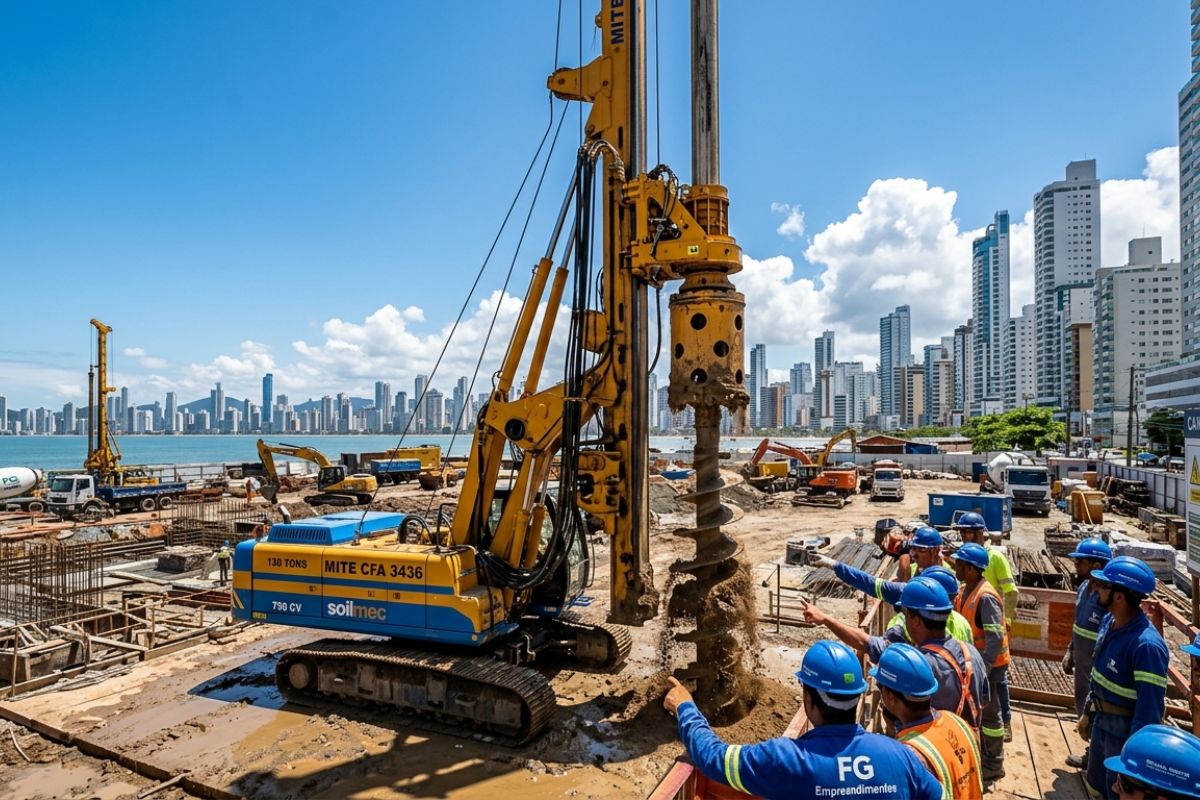
Italian giant of 130 tons arrives at the Senna Tower construction site and accelerates foundations: Mite CFA 3436 drills up to 50 m, 750 hp engine, investment of R$ 20 million, unique in Latin America.
-
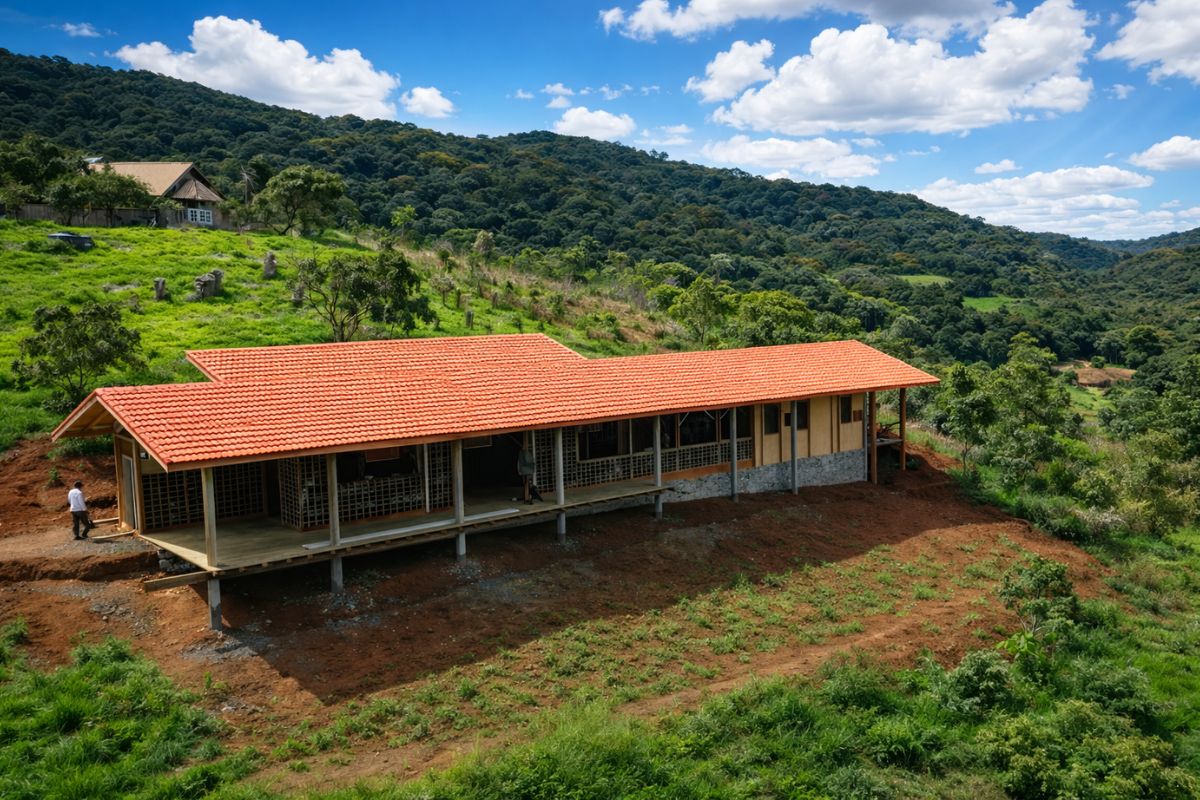
The adobe house in Monteiro Lobato takes shape with bamboo and clay from the land, a stone foundation, and a roof for the wind; cracks are normal, and finishing with lime turns it into a “common house.”
-
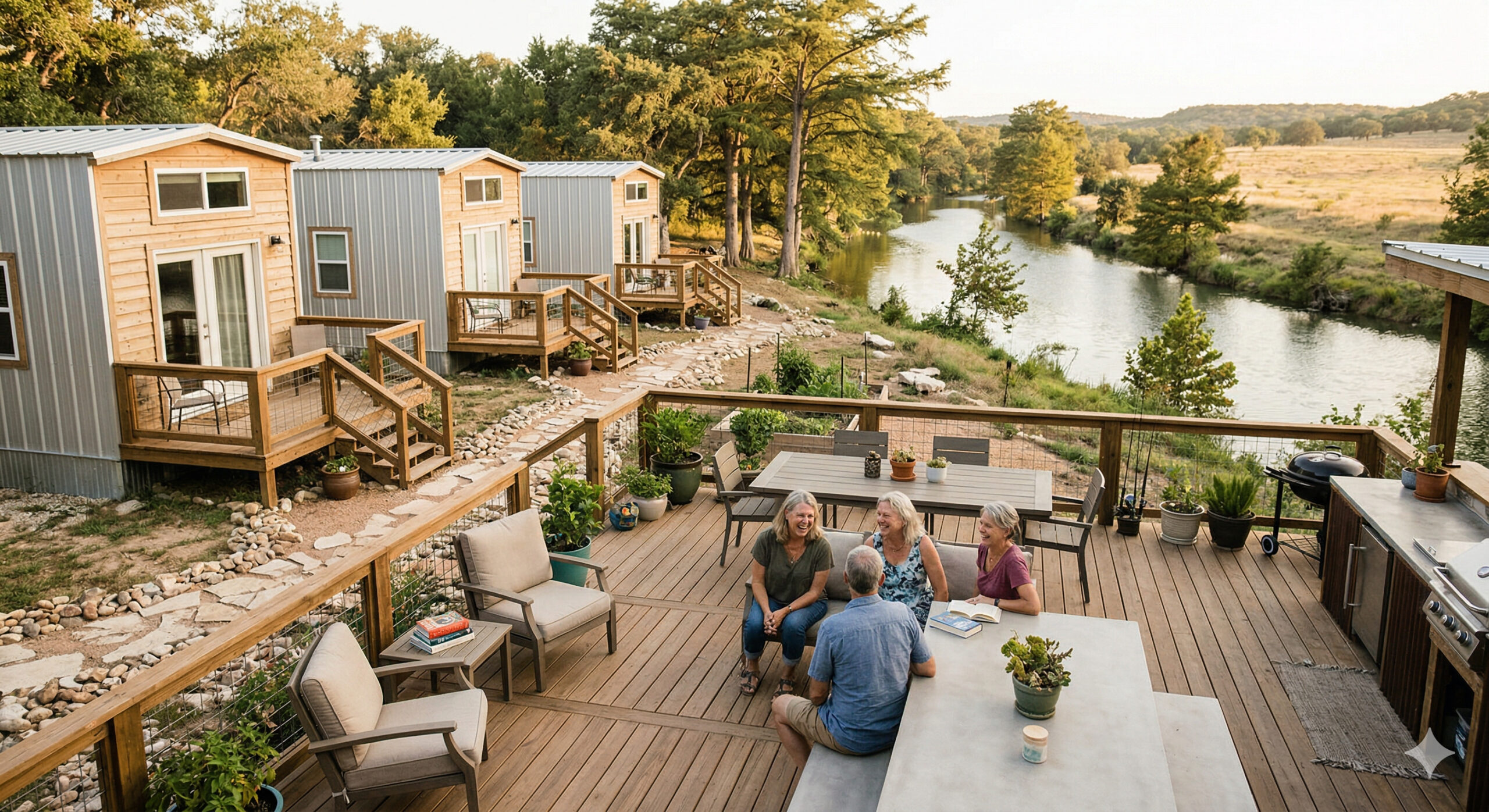
Four friends with over 30 years of friendship built a “mini village” by the banks of a river in Texas to grow old together, with houses of just 32 m² and a shared common space. The Bestie Row project has become a model of alternative living that is starting to spread around the world.
-
The ancient Japanese capital, planned over 1,200 years ago, still withstands earthquakes with colossal wooden temples and palaces, built without concrete or modern steel, by masters who created engineering capable of enduring centuries.

In addition to being built based on occupational safety and health standards, the entire production system of the factory is automated, thus avoiding physical strain on the team when handling the pieces.








Seja o primeiro a reagir!