Portuguese
  Spanish



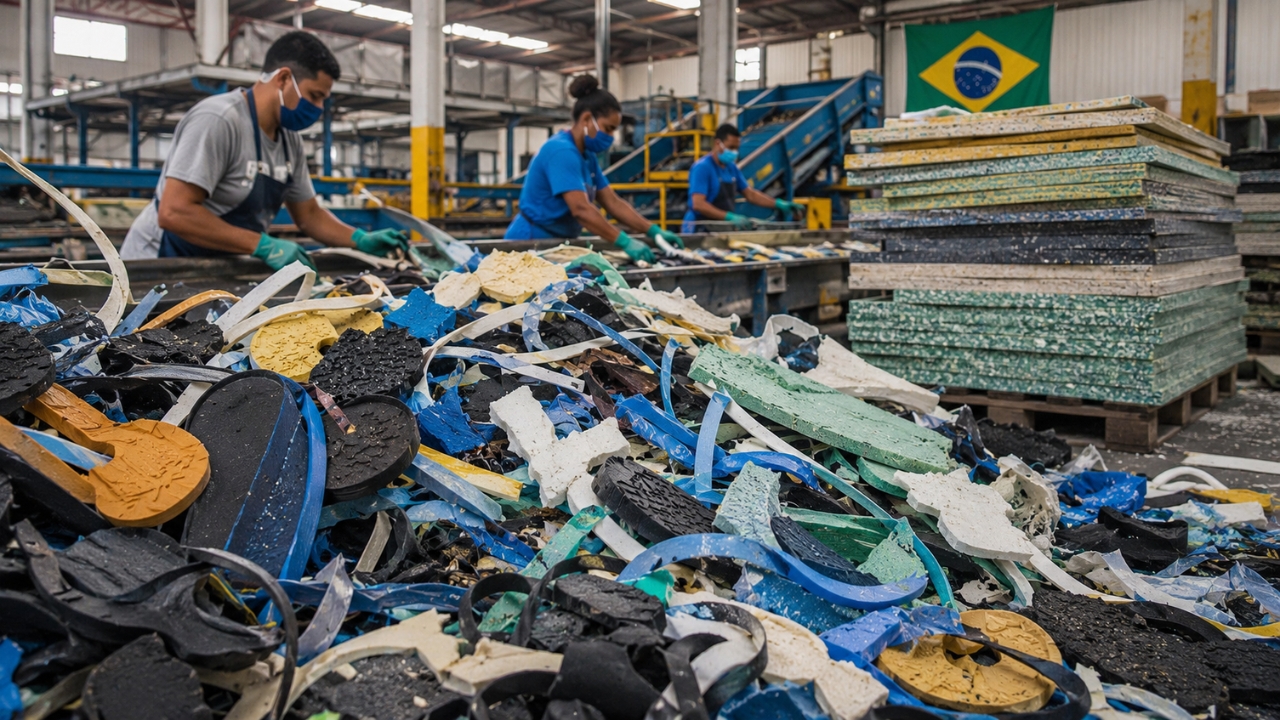
Factory in MG, Located at the Pico Mine, Inaugurated on Tuesday, the 17th, is a Pilot Plant for Products for Civil Construction, Based on the Magnetic Concentration of Low-Grade Iron Ore, Without Using Water.
After the tests, it is assumed that the unit installed at the mine in MG will prevent about 30 thousand tons of mineral waste from being dumped into dams or piles, transforming them into almost 4 million products for the civil construction sector, including concrete blocks, fencing, pipes, and similar items.
Read Also
The FDMS (Fines Dry Magnetic Separation), as it is known in English, is unique in the world and was designed by New Steel, a company that was acquired at the end of 2018.
Vale Takes First Initiative in Reusing Mineral Waste in Civil Construction
According to the Environmental Licensing Executive Manager of Vale, Rodrigo Dutra, this is the company’s first initiative to reuse mineral waste for use in the civil construction sector.
-
City Hall spends almost R$ 2 million on a wooden bridge only 2.5 meters wide to prevent the isolation of 5,000 people, but information about lifespan, load, and maintenance does not appear in public disclosures.

-
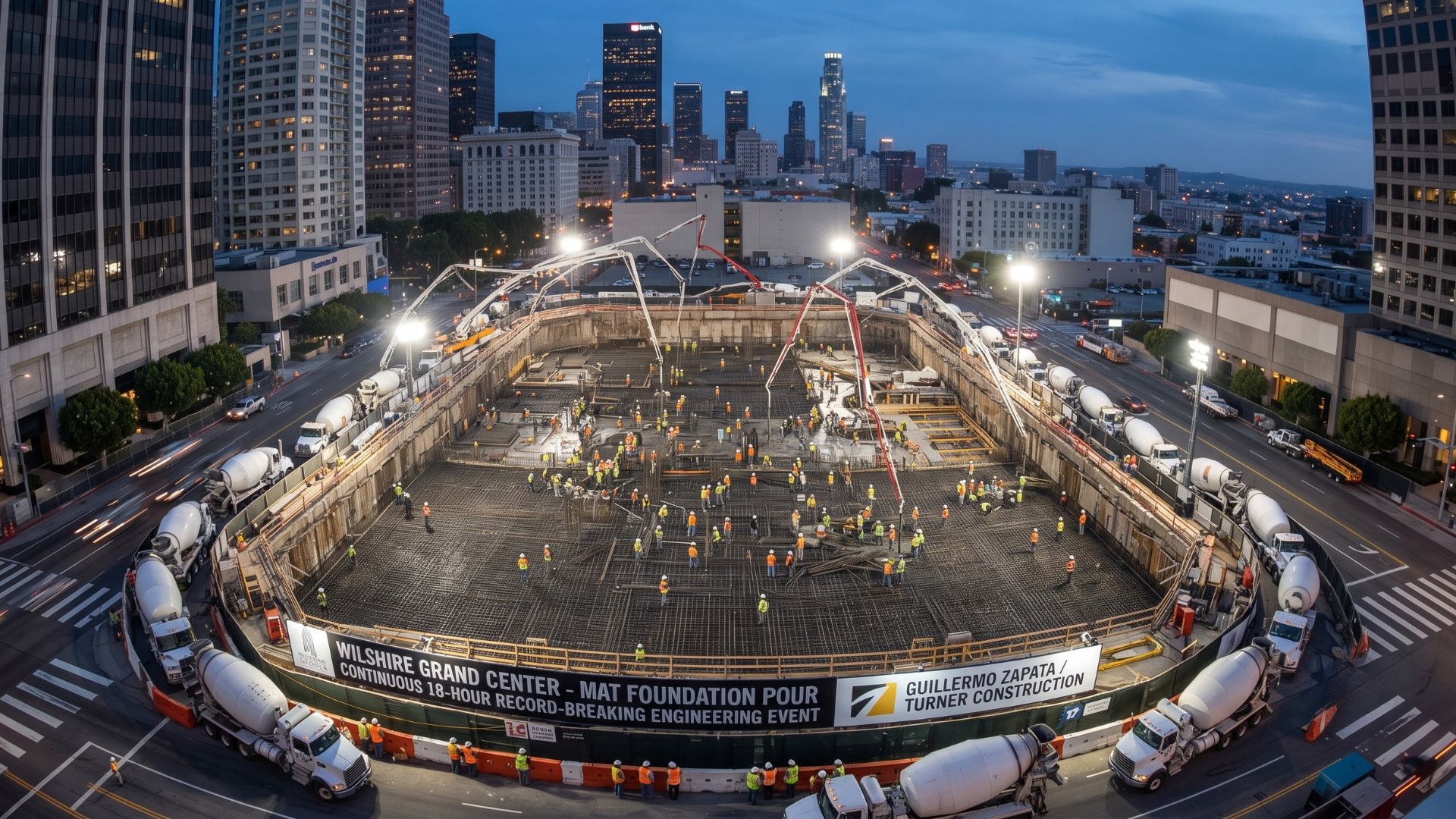
More than 2,100 trucks transported 16,200 cubic meters of concrete without interruption to create the foundation of the tallest skyscraper in the western United States and break a world record.

-
The man who started in construction with his own house founded a company in 1957, went through a banking crisis in 1987, and ended up connected to 16,500 houses in Houston.

-
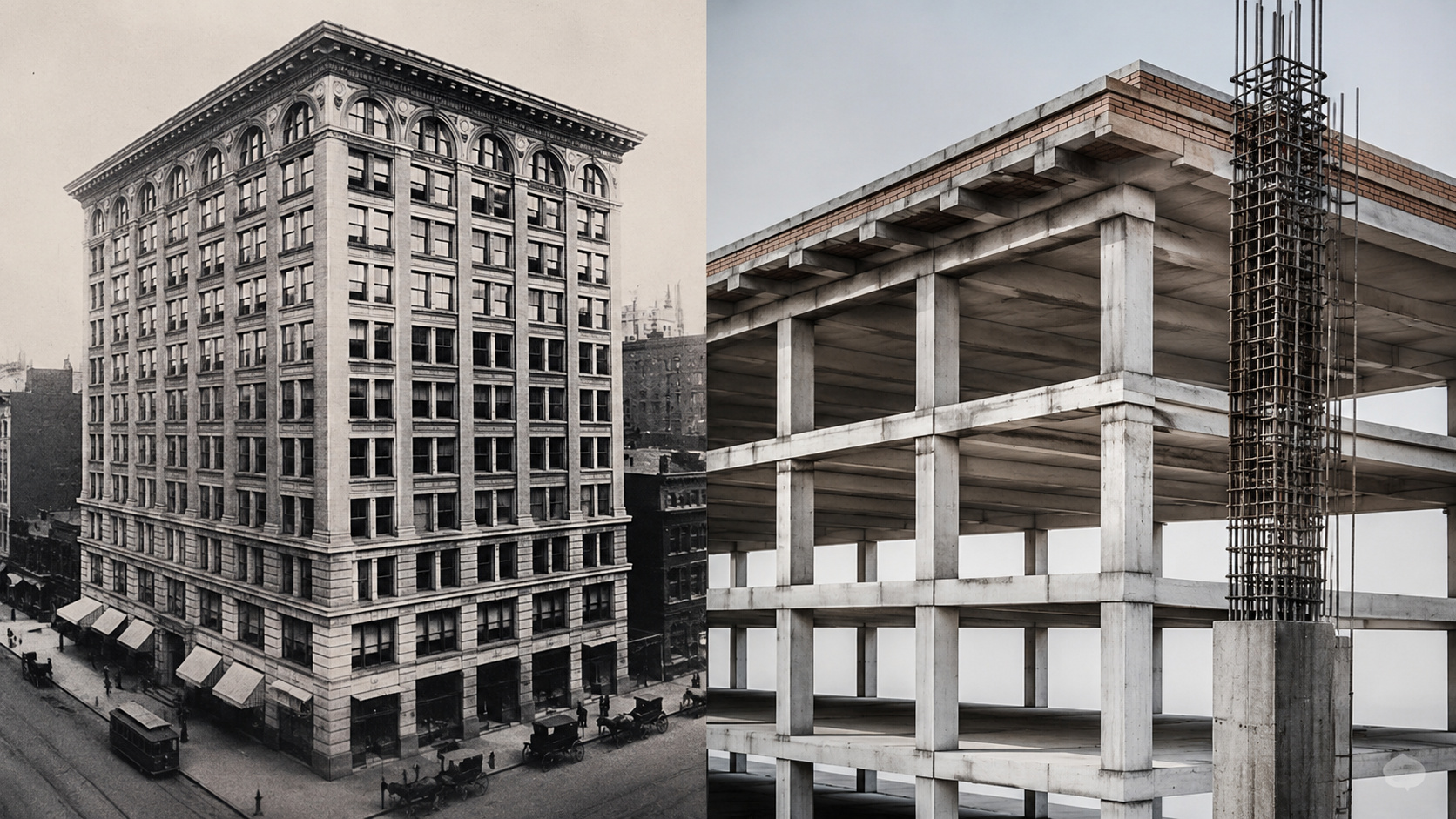
Builders challenged experts, erected a 16-story building using only reinforced concrete when the known limit was six floors, and proved that skyscrapers would never be the same again.


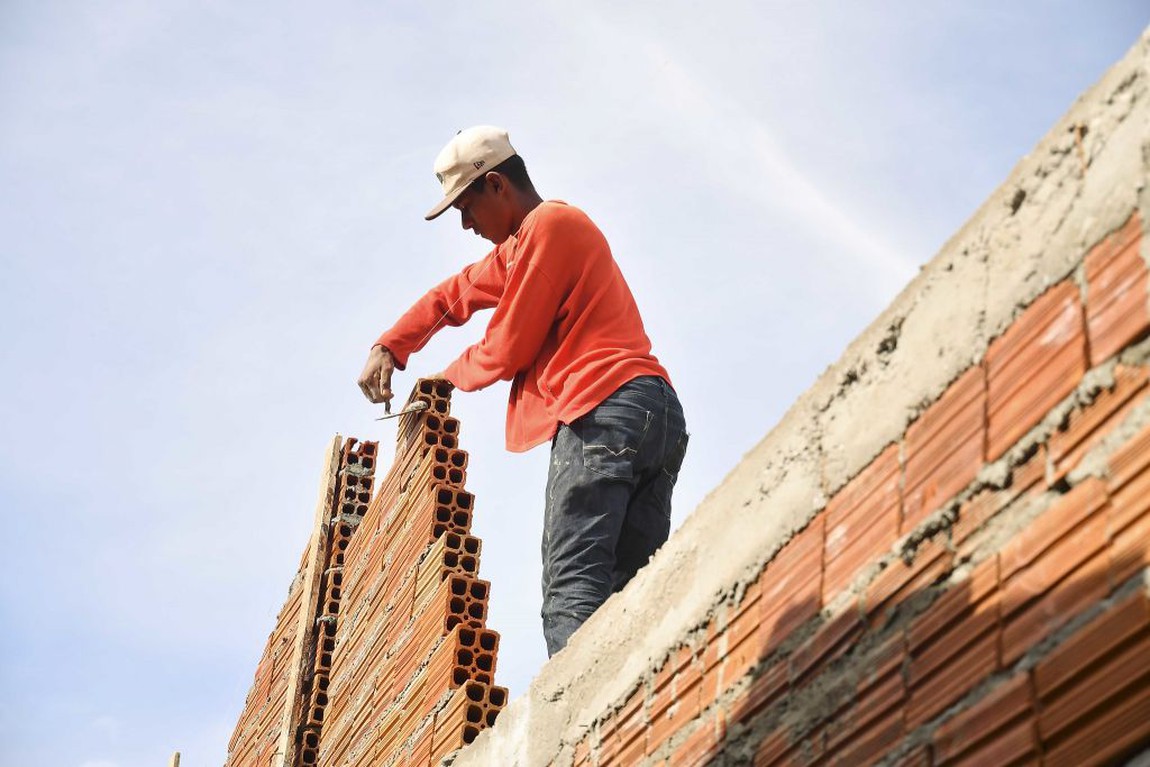
Vale has been overseeing studies on the application of mineral waste since mid-2014, focusing on its use in civil construction to replace natural sand. According to the UN, sand is the second most exploited raw material in the world, only behind water. Due to its scarcity, the material is subject to illegal and predatory extraction.
Dutra highlights: “The sandy mineral waste from Vale is a result of mineral beneficiation, and it has a high silica content and a low iron content, also having the advantage of high chemical and grain size uniformity.”
Vale Invests Over R$ 25 Million in Research at the MG Factory
Vale reported that it will invest over R$ 25 million in research and technology development for reusing mineral waste focused on the production of civil construction materials in the first two years of the Pico Block Factory in MG. The research team will include ten researchers from CEFET-MG, who will work during the research period, including professors, laboratory technicians, and graduate students.