Portuguese
  Spanish


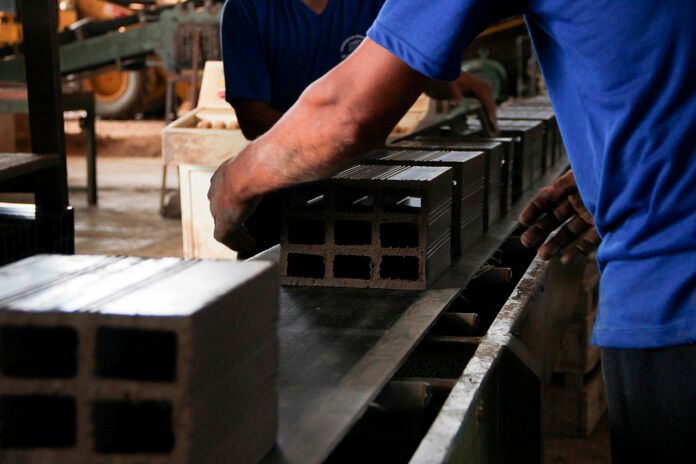

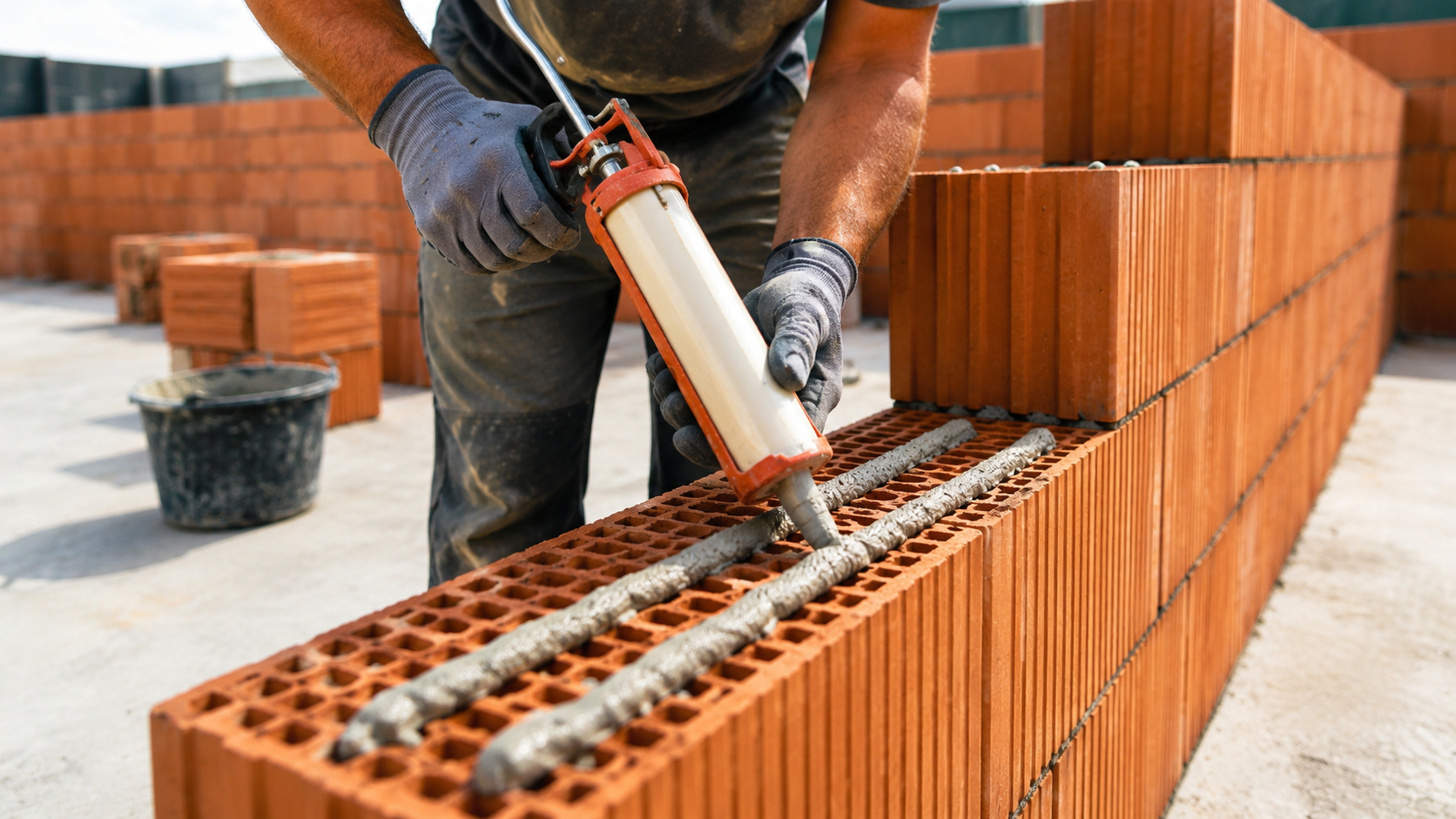
In 2018, Klabin’s construction project aimed at carbon reduction was responsible for the reuse of 25 tons of solid waste per month
Concerns about the environment are a recurring theme on the agenda of various sectors of society, especially in construction. Initiatives to promote a circular and low-carbon economy not only reduce the generation of solid waste and effluents and increase their reuse but are also at the forefront of discussions among companies seeking more sustainable management practices.
Read Also
- Drilling Fluid Waste Management Market in Latin America, led by Brazil, is expected to reach US $ 945.3 million in 2020
- Technician, mechanic, engineer, and more total 15 job openings at Klabin on this April 20
- Klabin opens positions for technician, coordinator, intern, and more to work in the industrial maintenance area
- A leading company in the paper and pulp segment, Klabin has job openings on this day 10
Klabin, which is committed to incorporating these solutions into its operations, from forestry to packaging, has a series of projects for reusing its waste. One of these projects uses the sludge created in the wastewater treatment process to make bricks for use by the construction industry.
Klabin’s Rio Negro Unit in Paraná
The project, launched in 2018, was developed by the Environmental team of Klabin’s Rio Negro Unit in Paraná, with support from the corporate teams of Sustainability and Research and Development. As a result, 25 tons of waste per month began to receive new applications, being reused even in the company’s own projects.
-
In Flood-Stricken South Sudan, Displaced Families Use Sand-Filled Plastic Bottles to Build Cooler, More Durable Homes

-
Mother Who Called Herself a ‘Pinterest Failure’ Learned Wood Furniture Restoration from Videos, Now Earns Around $15,900 Monthly

-
Denmark Constructs World’s Largest Immersed Tunnel to Connect with Germany, Sinking 217-Meter Concrete Sections in the Baltic Sea
-
Low-Cost Concrete Panel House Goes Viral: Investor Reveals Prefabricated Kit Structure for Around $1,500, Assembled in 30 Days, with Plans for Rental and Resale Income

“We believe in the circular economy as the foundation for building a sustainable future. Today, we have numerous initiatives in this area, including various practices for reusing the waste generated in our operations.
To give you an idea, we currently achieve a rate of 97% of all waste generated in our operations being reused or recycled, and we have set the goal of achieving ZERO waste sent to landfills by 2030,” says Júlio Nogueira, from sustainability and environmental management at Klabin.
Klabin Aims to Reduce Carbon Emissions in Construction
In addition to a more environmentally correct waste disposal, more responsible solutions in various sectors of the economy represent fundamental actions for mitigating climate change.
In construction, for instance, according to research, the use of concrete currently accounts for 8% of carbon emissions. The search for alternatives that cause lower environmental impacts is aligned with the low-carbon policies increasingly adopted in various countries.
Another important initiative also aimed at construction is carried out at the Waste Treatment Station of the Puma Unit, which is also responsible for treating waste from the Monte Alegre Unit, which is transformed into blocks for paving or drainage, and can also be used in construction projects.