





 Portuguese
  English
  Spanish
 3 min of reading
  0 comments


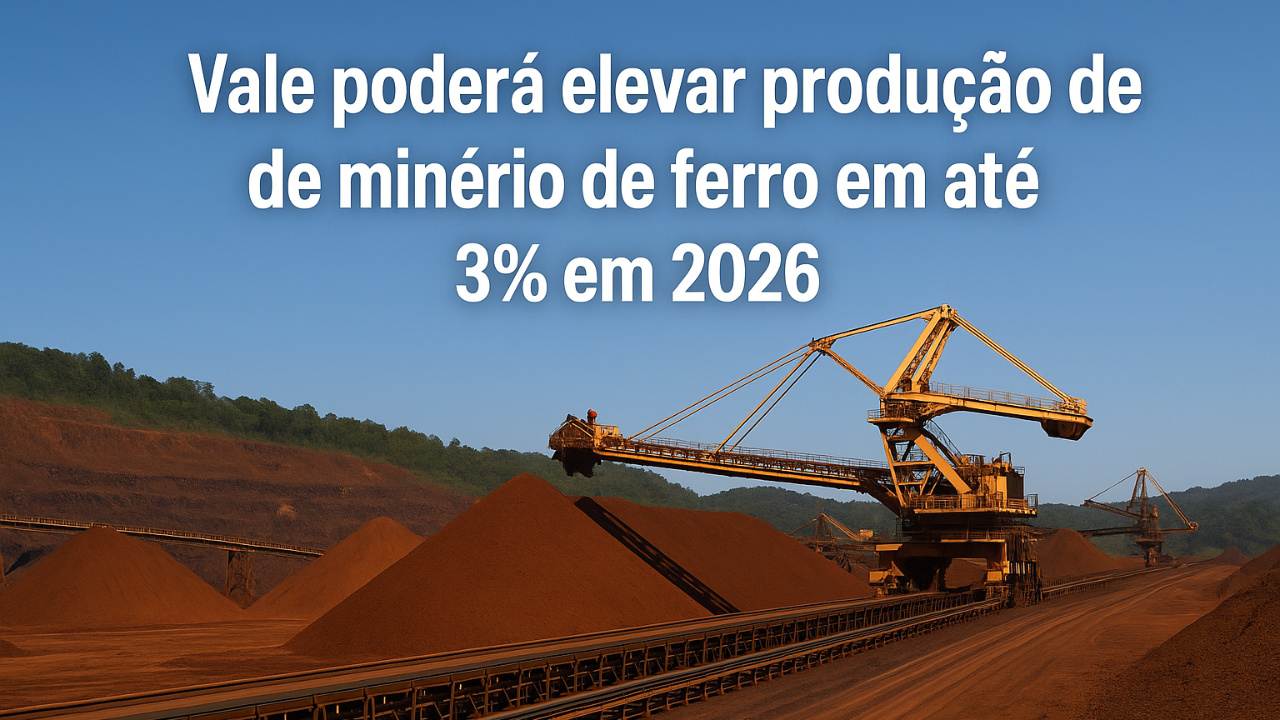
New Report Shows That Vale May Increase Iron Ore Production By Up To 3% In 2026; Know How The Company Plans To Grow.
Vale may increase iron ore production by up to 3% in 2026, according to projections announced this Tuesday during the company’s annual event in London.
The miner, which aims to consolidate its operational recovery and reinforce its position in the global market, stated that the increase is projected regarding the estimated volume for 2025.
Vale Aims For Sustainable Growth After Years Of Recovery
According to the company, iron ore production is expected to reach between 335 million and 345 million tons in 2026.
-
Rare earths are in everything, from cell phones to bullet trains, and what almost no one realizes is why they have become the target of such a delicate global war.
-
Brazil extracts 26.3 million tons of ore from what was previously treated as waste, transforming residues into wealth, producing over 3 million tons of sand, and demonstrating how national mining is relearning to generate value.

-
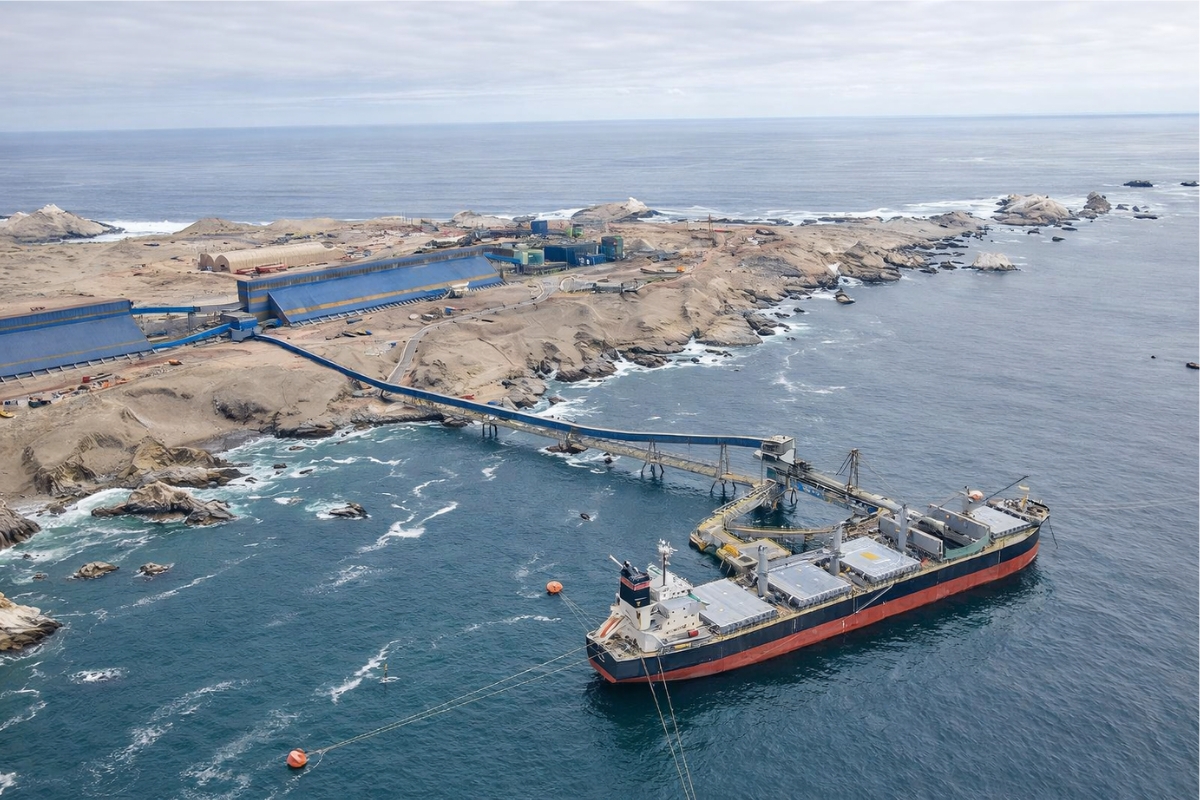
A $3.5 billion megaproject in Latin America pumps desalinated seawater at 1,050 liters per second over 194 km to keep a copper supermine in the Andes operational for another 20 years.
-
A hidden mine in the Andes valued at nearly R$ 1 trillion is starting to attract global attention, containing copper, gold, and silver, and raises an intriguing question: why do Argentina and Chile need to act together to exploit this gigantic wealth?

Thus, Vale may increase iron ore production by up to 3% in 2026 without significant changes in the investment pace.
The estimated range for this year was at the upper limit of the previously forecasted 325 million to 335 million tons.
The strategy reinforces the company’s move to regain global leadership in mineral production, currently contested with the giant Rio Tinto.
The miner also maintained its projection of reaching 360 million tons by 2030, consolidating its long-term plan.
Production Costs Are Expected To Remain Competitive
Vale estimates that the C1 cash cost, an indicator that represents the cost from the mine to the port, will be between US$ 20 and US$ 21.5 per ton in 2026.
This stability reinforces, according to the company, a favorable environment to expand production without significantly raising operational expenses.
Strategic Investments: Focus On Ore, Copper, And Repairs
Capital investments were also detailed. For 2026, the company forecasts US$ 5.4 billion to US$ 5.7 billion, a similar figure to the US$ 5.5 billion projected for 2025.
Vale reported that most of this amount will continue to be directed towards the New Carajás program and iron ore and copper assets.
The company will allocate US$ 1.1 billion to growth projects while directing the remainder to maintain operations.
From 2027 onwards, the contributions are expected to stay below US$ 6 billion, with a gradual increase in the share allocated to expansion.
Thus the company will allocate, in 2026, US$ 2.6 billion to actions related to the dam breaches in Mariana (2015) and Brumadinho (2019).
These amounts include the decharacterization of structures, compensation in reparative agreements, and operational expenses.
The contributions are expected to drop to US$ 1.9 billion in 2027, US$ 1.3 billion in 2028, and US$ 800 million in 2030.
Iron Ore Remains A Priority In The Portfolio
Thus Vale reported that approximately US$ 4 billion will be invested in iron ore solutions in 2026.
The company emphasized that focusing on the segment is essential to sustain the pace at which Vale may increase iron ore production by up to 3% in 2026.
Meanwhile, the subsidiary Vale Base Metals is expected to maintain investments of approximately US$ 1.6 billion in 2026 and raise that amount to US$ 2 billion from 2027.
Copper And Nickel Gain Space With Advancement Of Energy Transition
In addition to iron ore, the company highlighted targets for metals considered strategic in the energy transition.
In the case of copper, projected production for 2025 is expected to reach 370 thousand tons, hitting the upper limit of the target.
For 2026, the expected range is 350 thousand to 380 thousand tons, with significant advancement anticipated to 420 thousand to 500 thousand tons by 2030 and around 700 thousand tons by 2035.
Thus Vale also announced that its subsidiary Vale Base Metals and Glencore signed an agreement to jointly assess a new copper project in the Sudbury Basin in Canada.
For nickel, projections indicate production between 175 thousand and 200 thousand tons in 2026.









Seja o primeiro a reagir!