





 Portuguese
  English
  Spanish
 4 min of reading
  0 comments


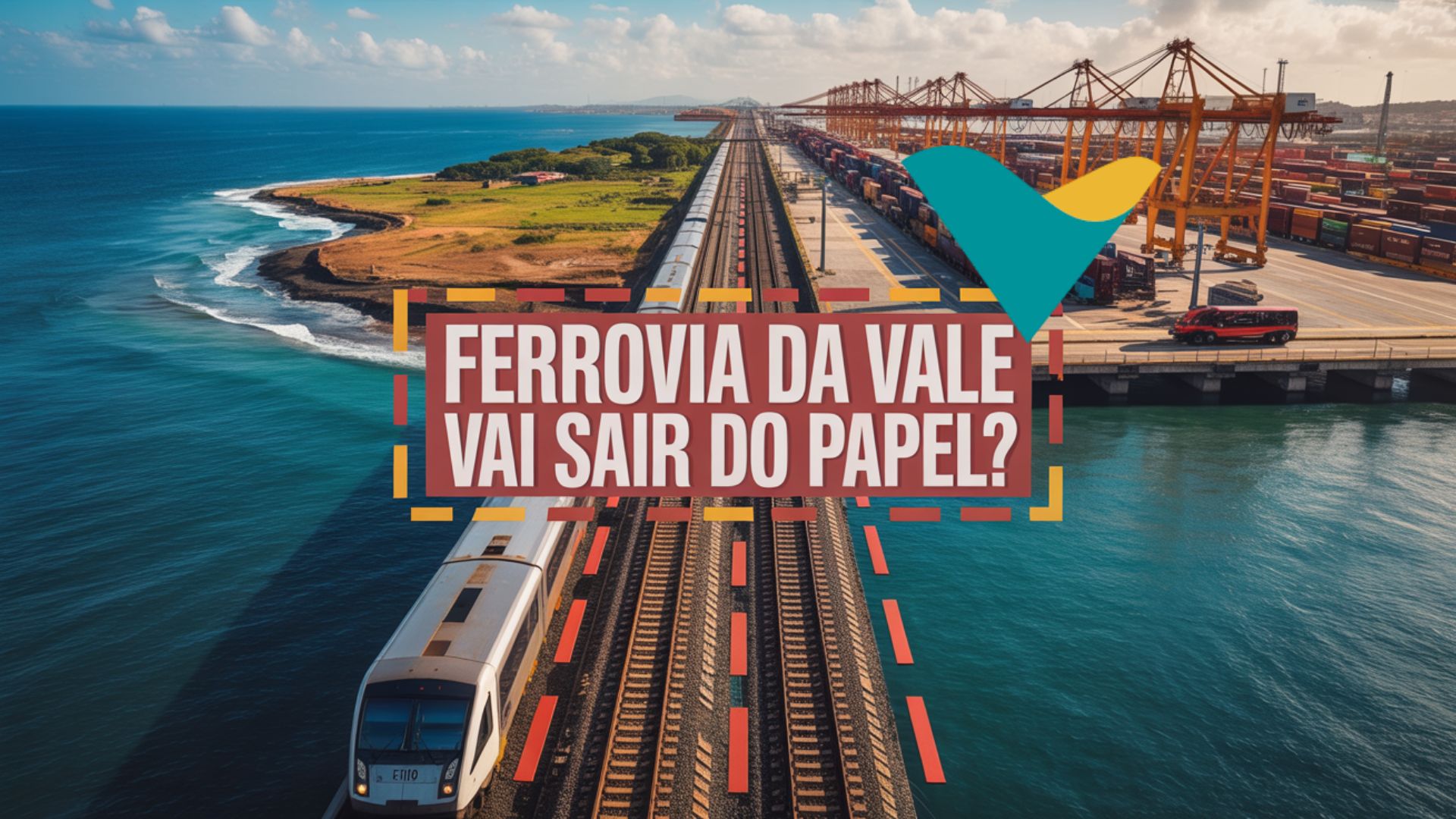
R$ 6 Billion Railway Reveals Standoff Between Espírito Santo Government and Vale Over Compliance with Legal Commitment and Future of EF-118. Project Could Redefine Regional Logistics, but Remains Without Confirmation of Execution by the Mining Company.
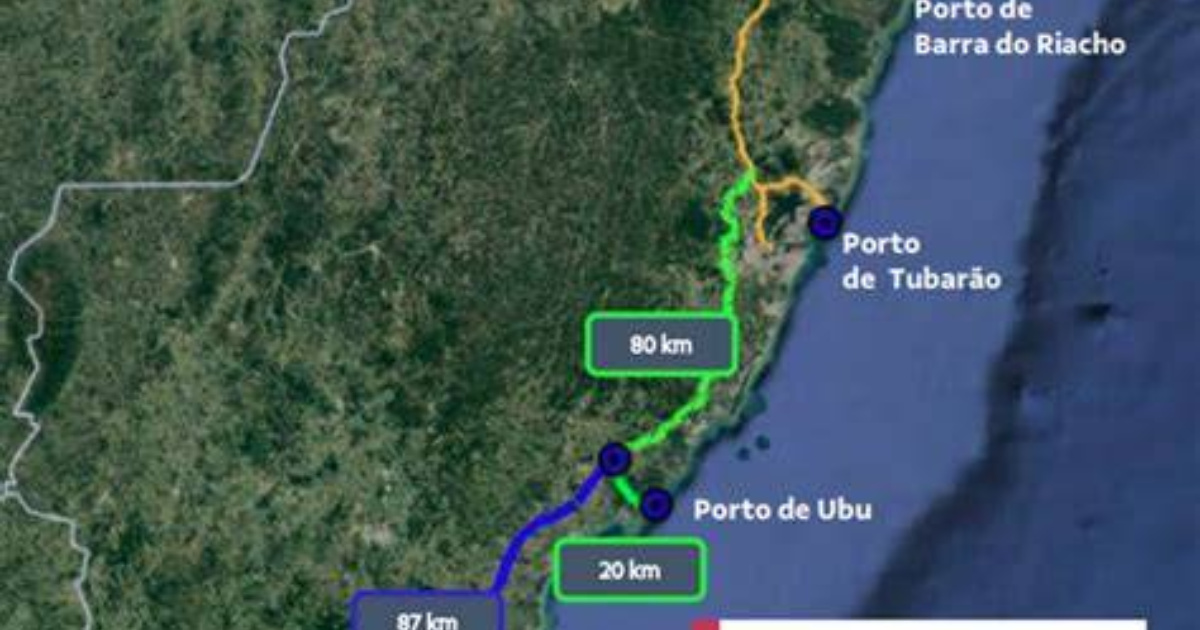
The government of Espírito Santo has publicly demanded again from Vale the execution of the Cariacica–Anchieta branch of the EF-118, budgeted at R$ 6 billion and considered a counterparty for the early granting of the Estrada de Ferro Vitória a Minas (EFVM).
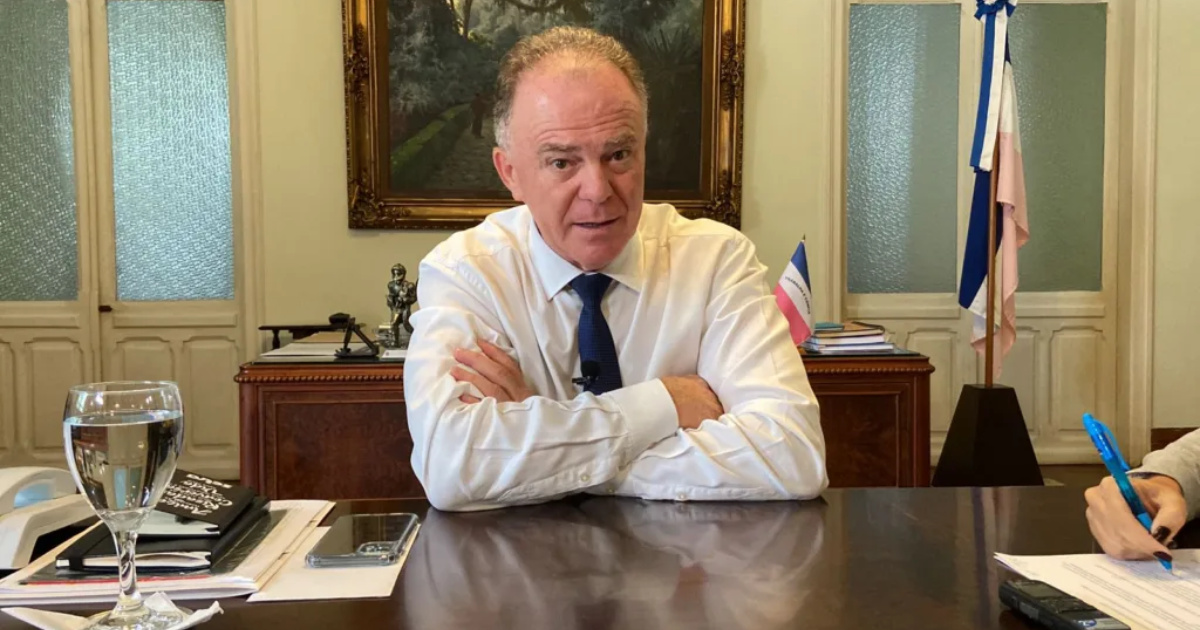
In a new statement, Governor Renato Casagrande claimed that the company is resistant to fulfill a commitment that, according to him, is legal and public, supported by federal oversight and regulatory bodies.
Pressure from the Capixaba Government and Demand for a Timeline
The most recent demand occurred during the presentation of the State’s investment package until 2029.
-
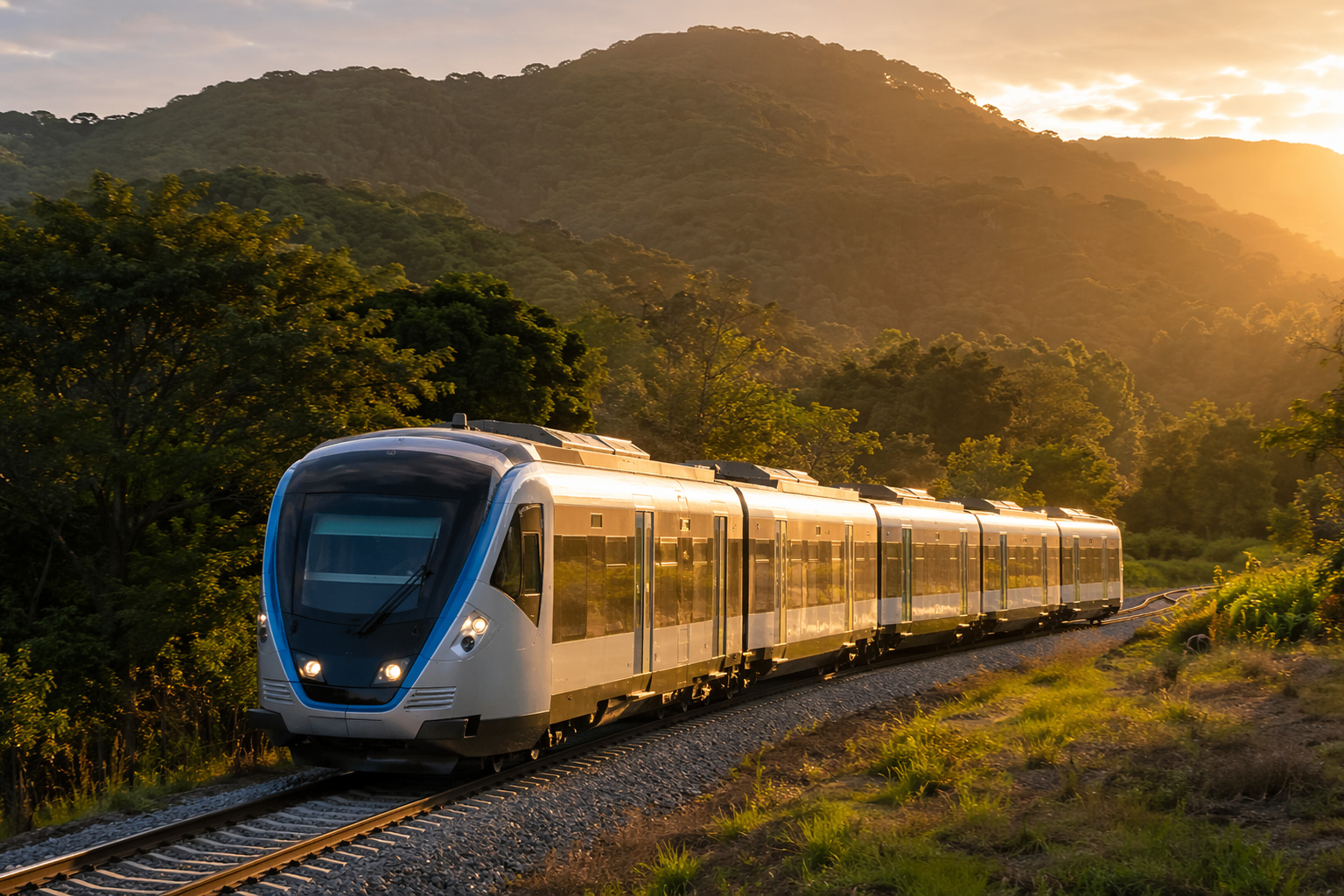
A new train in southern Brazil will connect Porto Alegre to Gramado on a route worthy of a movie and could transform tourism in the Serra Gaúcha with a billion-dollar investment.
-
A new train in southern Brazil will connect Porto Alegre to Gramado on a route worthy of a movie and could transform tourism in the Serra Gaúcha with a billion-dollar investment.
-
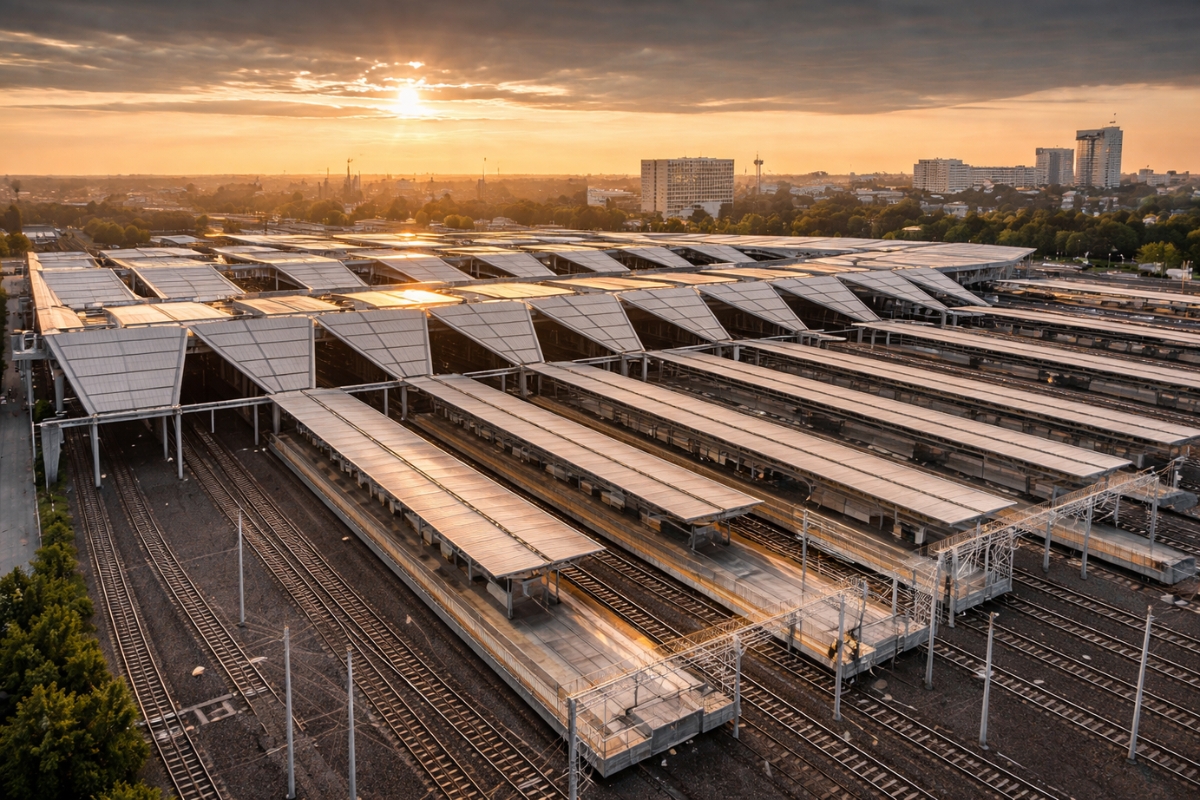
In A European City, The Country’s Largest Railway Junction Was Modernized Without Closing Its Doors, Kept Trains Running During Years Of Construction, Now Serves Up To 60,000 Passengers Per Day, And Installed Solar Panels That Generate About 30% Of Its Energy
-
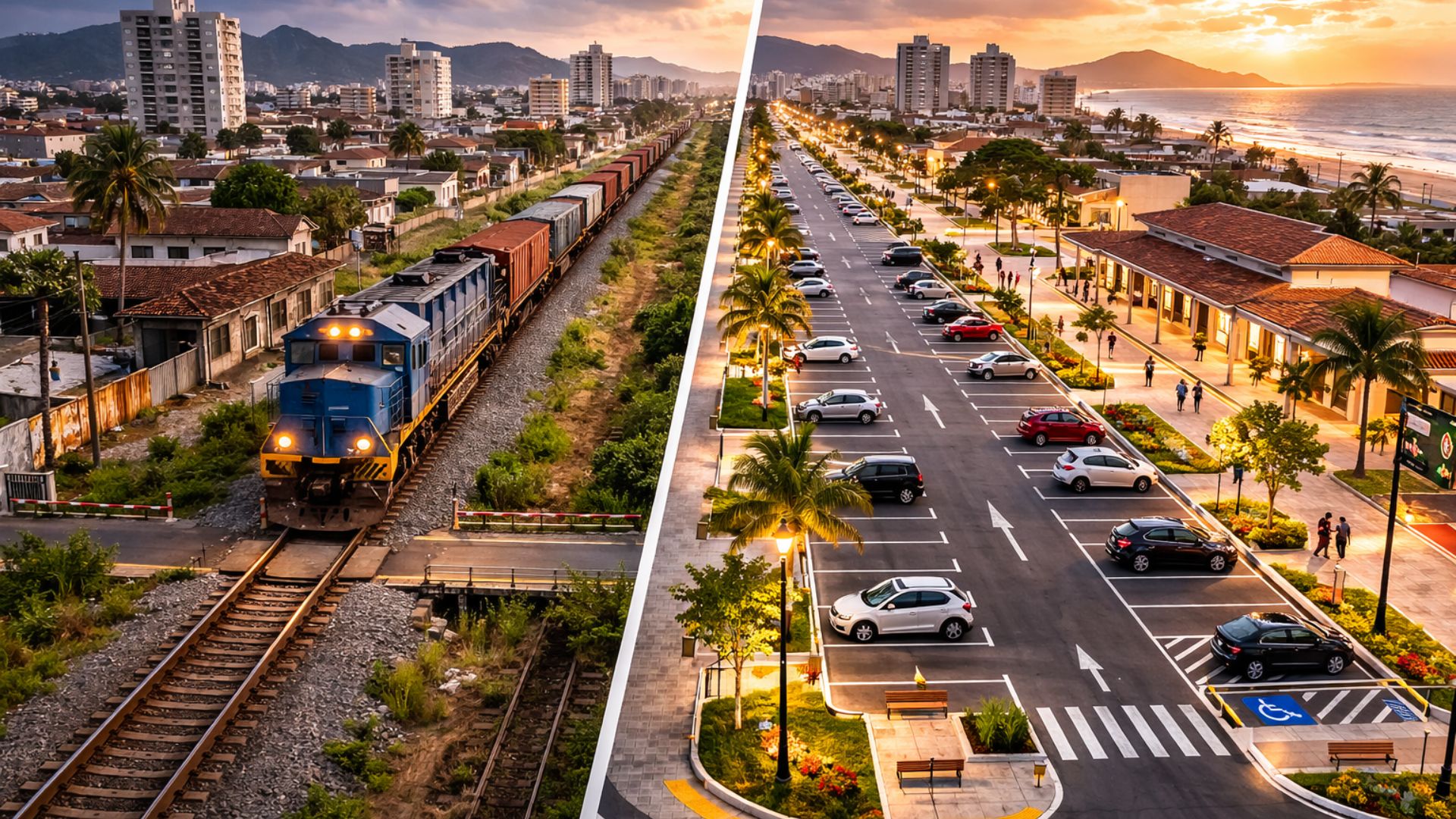
Famous Brazilian Railway May Become a Parking Lot
Casagrande emphasized that ANTT and Ministry of Transport have already indicated the Grande Vitória–Anchieta section as the additional investment required from Vale for the renewal of the EFVM.
In his words, “there is a commitment from Vale to make an additional investment for the early granting of the Estrada de Ferro Vitória a Minas.”
Despite this, he stated that the mining company has avoided starting the work. The governor maintains that there is official documentation.
According to him, Vale itself presented a physical-financial schedule for the branch, incorporated into the final report of the Tribunal de Contas da União (TCU). This material would be evidence that the obligation is formal and measurable.
Kennedy Railway and the Logistical Importance of EF-118
At the same time, the state government reported receiving, in July 2024, the basic engineering project of the Kennedy Railway, the first stretch of the EF-118.
This segment is considered crucial for integrating industrial hubs and logistics centers, especially due to the anticipated impact on the Central Port, a venture that relies on this connection to consolidate its large-scale operation.
The delivery of the basic project provides the government with the means to advance in licensing and expropriations.
Still, the central stage remains undefined: who will finance and execute the work. So far, Vale has not confirmed direct execution nor presented an alternative accepted by the State.
EF-118 Auction and the Standoff in Brasília
The possibility of a federal auction for EF-118, initially scheduled for the second half of the year, but which may be postponed to March next year, interferes with Vale’s position.
The mining company argues that the Capixaba branch should be included in the auction notice, so that the work remains the responsibility of the future concessionaire.
If this model prevails, Vale could be called to provide resources under the bidding rules, either by participating in the bidding or fulfilling regulatory conditions associated with the renewal of the EFVM.
Without a clear definition in Brasília, uncertainty grows regarding the timeline and execution of the Cariacica–Anchieta section.
Legal Commitment and State Interpretation
For the Anchieta Palace, the mining company’s resistance does not eliminate its responsibility.
The state government argues that Vale assumed a legal commitment, reinforced by documents presented to the TCU and supported by statements from ANTT and the Ministry of Transport.
The delivery of an official schedule would be proof that the company acknowledged deadlines and values for the project.
The State’s interpretation is that, even if execution is incorporated into the federal auction, the work needs to be guaranteed, either by Vale or by the future concessionaire.
Not for nothing, the branch was listed in October 2023 as the main investment opportunity of the state portfolio.
Economic Impacts and Risks of Indecision
The branch is identified as essential to enhance the competitiveness of the Capixaba economy.
It would allow for more efficient output of production, reduction of logistics costs, and greater attractiveness for new industrial enterprises.
Companies planning investments in the State await clarity on the fate of the work to align their own timelines.
However, the delay could mean a loss of opportunities. Private projects tend to migrate to regions where there are guarantees of available infrastructure.
The lack of firm deadlines and a defined agent for execution increases insecurity and could jeopardize the strategic window that Espírito Santo seeks to leverage.
Open Positions
The state government insists that there is legal grounds to demand the branch as a counterparty.
Vale, on the other hand, has not confirmed its direct responsibility and maintains public silence regarding alternatives for the stretch.
At the closing of this report, the mining company had not made a statement. While there is no definitive decision from the federal government, the situation remains unresolved.
The basic project submitted to the State is a technical advance, but insufficient without the definition of who will finance and lead the work.
For the Capixaba population, the expectation remains regarding who will actually take on the task of bringing to life the railway that promises to transform regional logistics.







Seja o primeiro a reagir!