





 Portuguese
  English
  Spanish
  3 min of reading


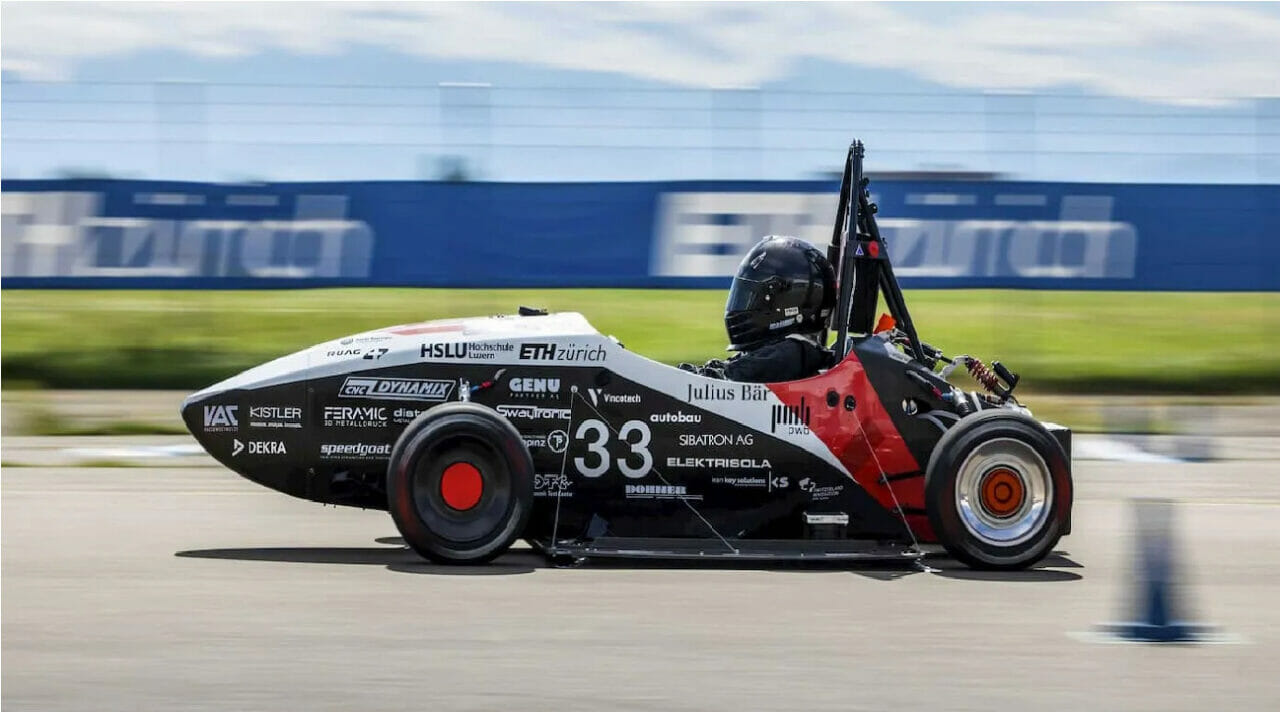
The Electric Vehicle, Called “Mythen”, Was Developed by AMZ Students and Reached 100 km/h in an Incredible 0.956 Seconds. Check Out the Video!
Swiss students from the Academic Motorsports Club Zurich (AMZ), ETH Zurich, and the University of Lucerne recently achieved an impressive milestone in the electric vehicle industry. They broke the Guinness World Record for the fastest acceleration in an electric vehicle (EV) with their completely handmade electric car. This remarkable feat is a testament to the ingenuity and skill of these students and puts the Swiss EV ahead of the global competition, according to Electrek.
The “mythen,” as the handmade electric vehicle is called, achieved a remarkable acceleration. It went from 0 to 100 km/h in an incredible 0.956 seconds, surpassing the previous record of 1.461 seconds, set by a German team from the University of Stuttgart. This extraordinary feat was officially recognized by Guinness World Records during the test at Switzerland Innovation Park in Duebendorf.
Innovation in Every Component of the Electric Vehicle
The surprising achievement was no accident. Every component of the electric vehicle was developed meticulously by the students, using printed circuit boards (PCBs) and optimizing them for speed. The car is notably lightweight, weighing only about 140 kilograms, thanks to smart materials like lightweight carbon honeycomb and aluminum.
-
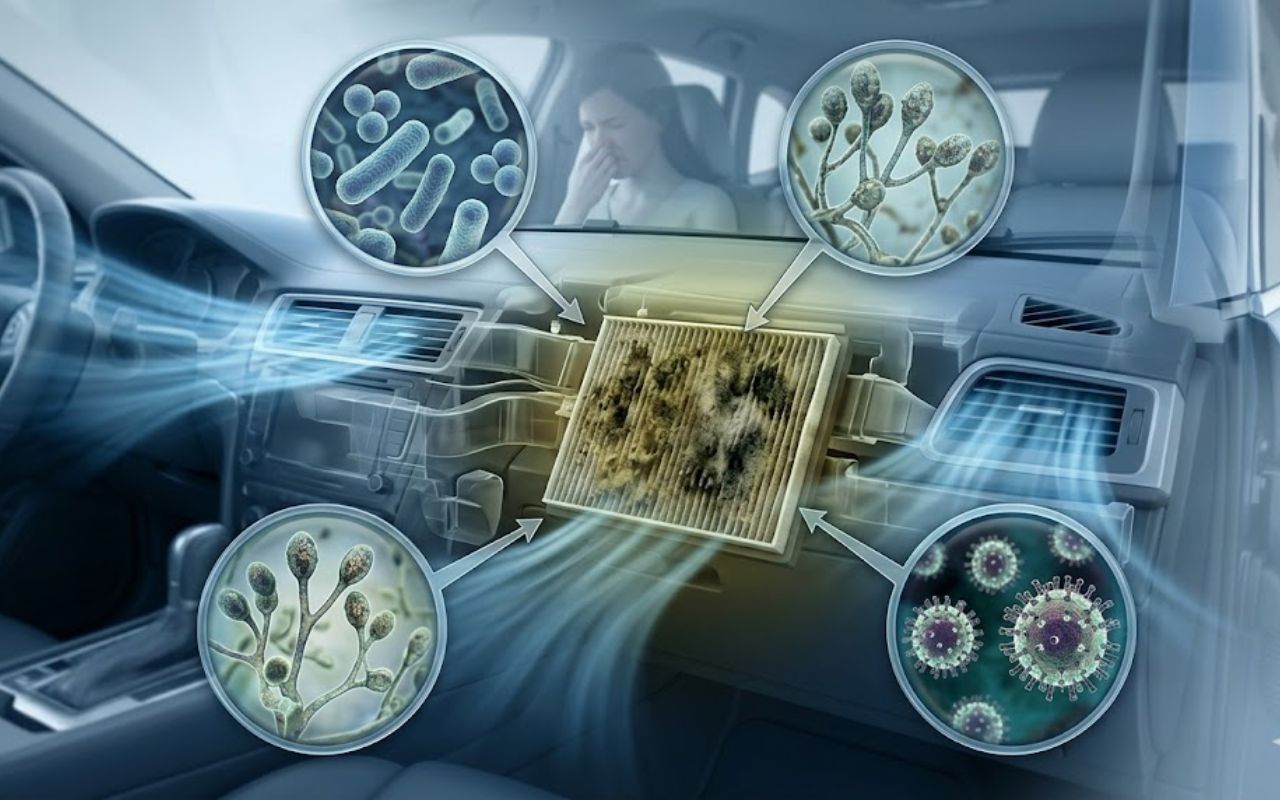
Experts warn: a dirty car air conditioning filter in winter can accumulate fungi and bacteria, causing allergies, fatigue, and even loss of attention while driving.
-
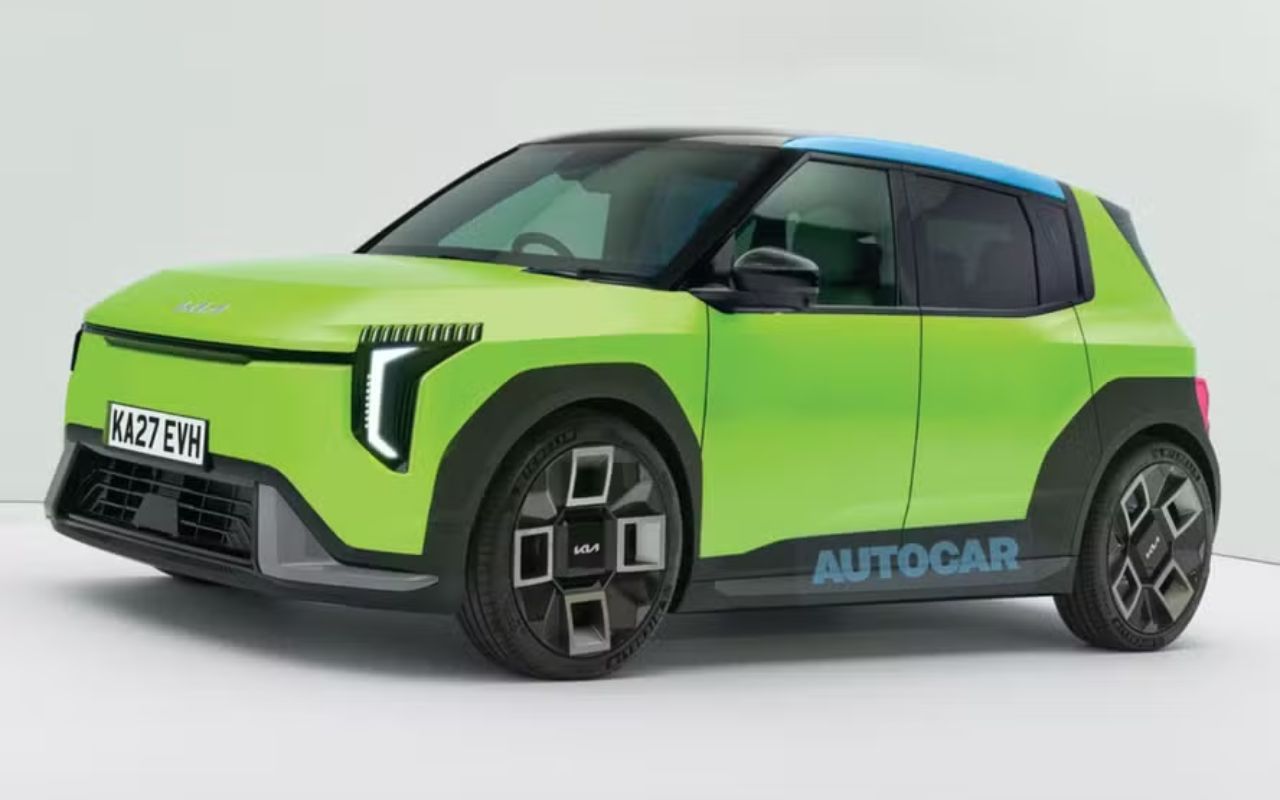
The new Kia hatch will have a range of up to 480 km, may cost up to 25,000 euros (around R$ 150,000), and promises to become one of the most affordable electric cars in Europe; meet the Kia Picanto Electric.
-
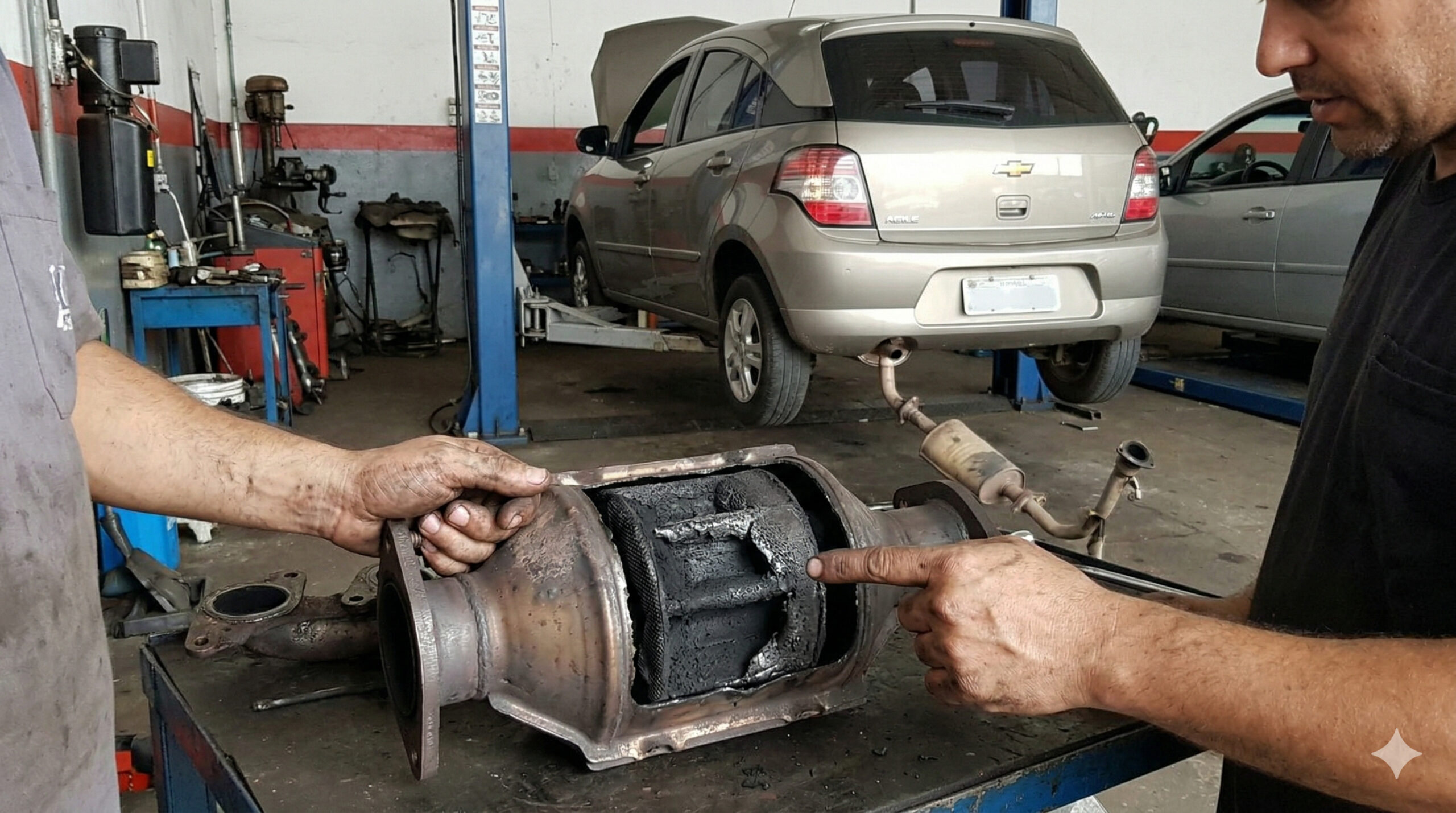
Owners of Chevrolet Agile discover a problem with the catalytic converter that can lead to a bill of up to R$ 4,000, steal engine power, increase fuel consumption, trigger the injection light, and worsen quickly when the first signs are ignored.
-
Thefts of catalytic converters are increasing in Brazil, a component that contains platinum, palladium, and rhodium, metals that can be worth more than gold, and can be removed from under a car in less than 2 minutes, causing losses of up to R$ 8,000 and only being noticed when the driver starts the vehicle and hears an extreme noise from the exhaust.

The “mythen” electric vehicle is equipped with four electric motors and a unique transmission system, also developed by the students, giving the vehicle about 326 horsepower (240 kW). However, raw power is not the only secret behind this achievement. Dario Messerli, head of aerodynamics at AMZ, explained that traction plays a critical role in acceleration. While Formula 1 cars solve this challenge with wings, this solution is effective only at certain speeds. To ensure traction from the start, the team developed an ingenious vacuum system that helped transfer force to the ground.
Accelerated Competition: Switzerland vs. Germany
The competition for the world record in EV acceleration has been intense between the Swiss AMZ team and the German team from the University of Stuttgart. AMZ prevailed in 2014 and 2016, while the German team took the lead in the following years. The question remains whether AMZ will be able to reclaim the title next year, as accelerating from 0 to 100 km/h in less than a second is a notable challenge for any competitor.
To provide better perspective on this remarkable achievement, the “mythen” is 1.5 seconds faster than the Tesla Model S Plaid, which takes approximately 2.5 seconds to reach the same speed. Additionally, it is nearly a second faster than the Rimac Nevera hypercar, which does it in 1.81 seconds. This achievement highlights the incredible progress being made in the electric vehicle industry and demonstrates the exciting potential of the future of electric mobility.
The success of the “mythen” not only celebrates the ingenuity of Swiss students but also highlights the growing role that EVs are playing in the global automotive revolution, proving that innovation and speed can coexist in the world of electric vehicles.
Check Out the Test Conducted with the Electric Vehicle









Seja o primeiro a reagir!