





 Portuguese
  English
  Spanish
  3 min of reading


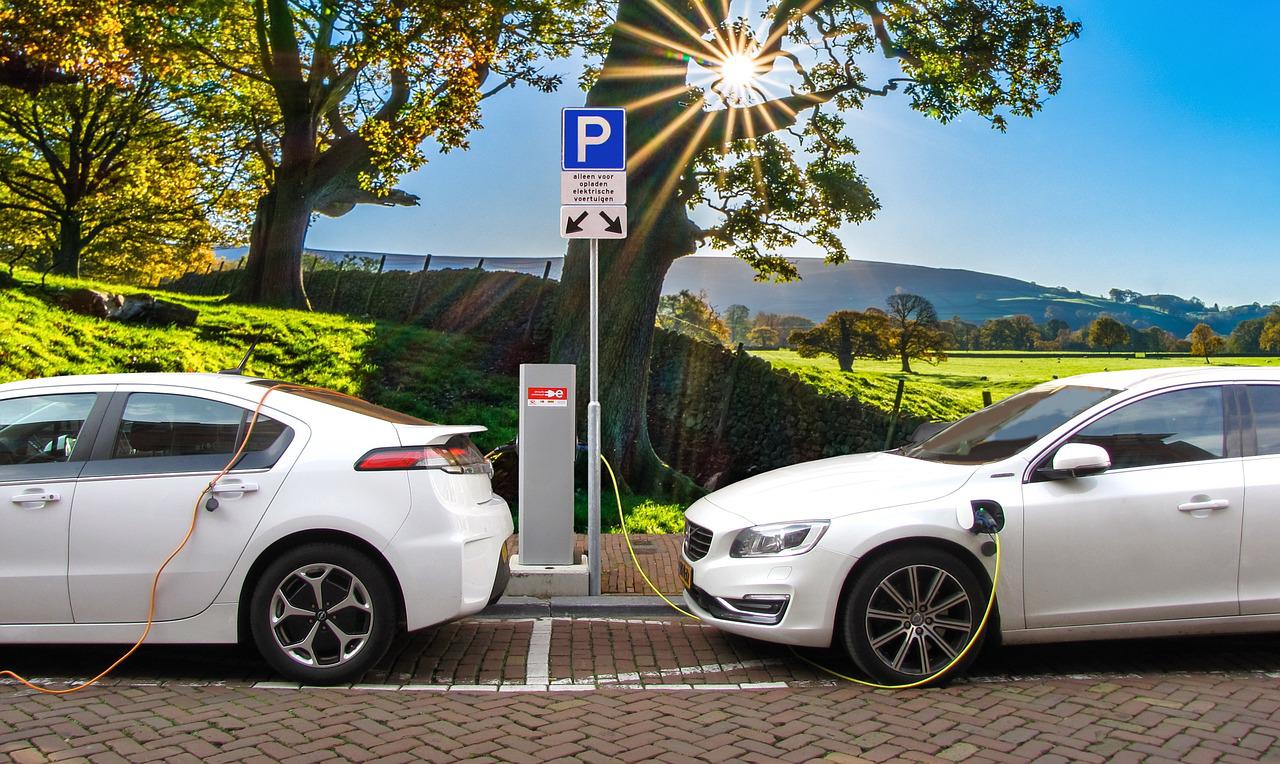
Automakers And Suppliers In The Electric Vehicle And Battery Sector Plan Investments Of At Least US$ 526 Billion By 2026
The commercialization of electric vehicles and batteries could reach about 33% worldwide by 2028 and up to 54% by 2035, based on the accelerated demand from key markets, AlixPartners consultancy said on Wednesday, the 22nd. Electric vehicles and batteries accounted for less than 8% of global sales in 2021 and just under 10% in the first quarter of 2022.
To support demand, automakers and suppliers plan to invest at least US$ 526 billion in electric vehicles and batteries by 2026, the company stated in its annual report. This number corresponds to more than double the investment forecast of US$ 234 billion for five years, from 2020 to 2024.
This outlook for increased investment in electric vehicles and batteries makes the rise of the electric vehicle market inevitable, according to Mark Wakefield, co-leader of the automotive practice at AlixPartners. The vehicle industry is weathering the economic challenges faced by the supply chain during the transition to electric vehicles and batteries, Wakefield added.
-
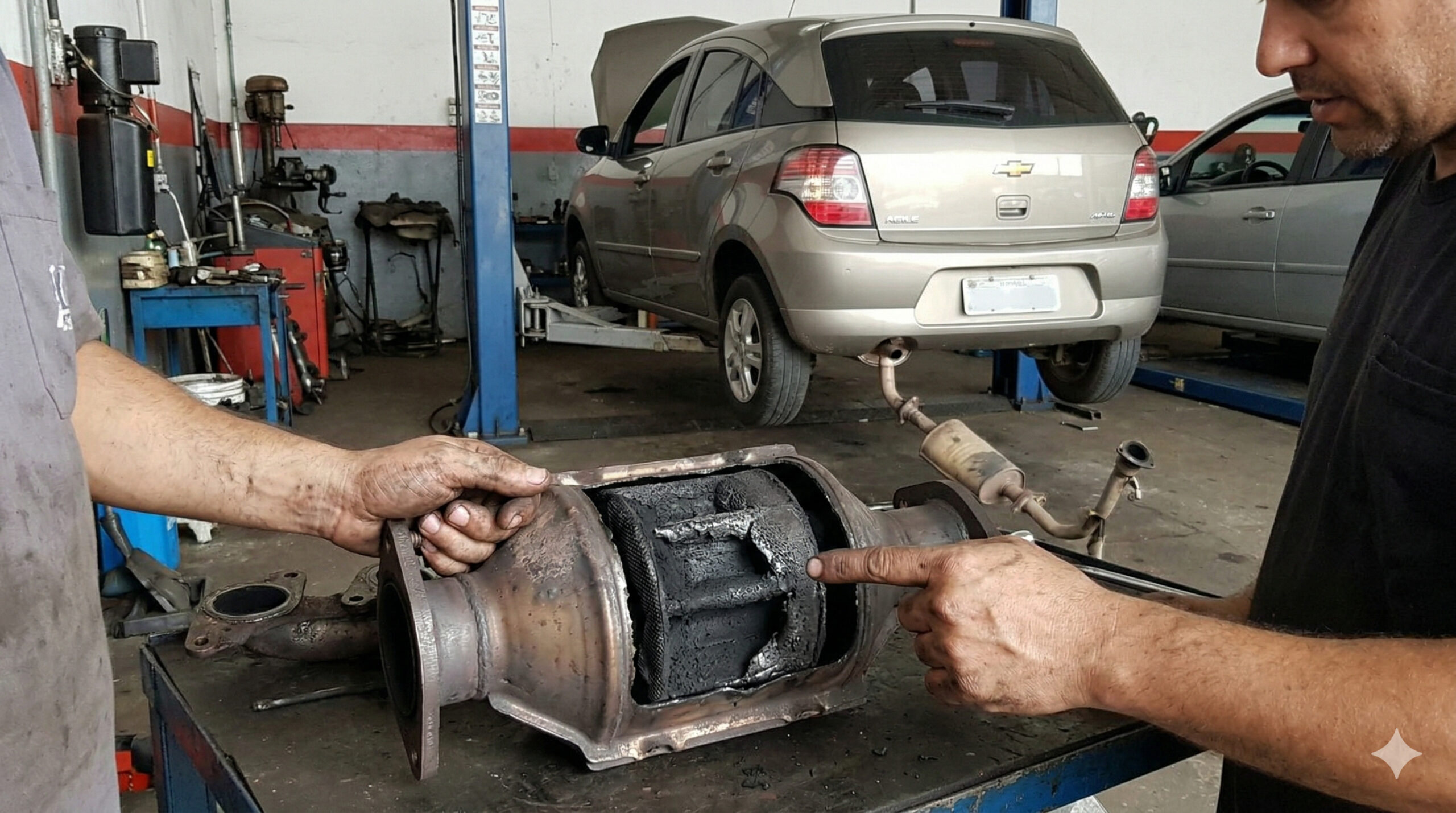
Owners of Chevrolet Agile discover a problem with the catalytic converter that can lead to a bill of up to R$ 4,000, steal engine power, increase fuel consumption, trigger the injection light, and worsen quickly when the first signs are ignored.
-
Thefts of catalytic converters are increasing in Brazil, a component that contains platinum, palladium, and rhodium, metals that can be worth more than gold, and can be removed from under a car in less than 2 minutes, causing losses of up to R$ 8,000 and only being noticed when the driver starts the vehicle and hears an extreme noise from the exhaust.

-
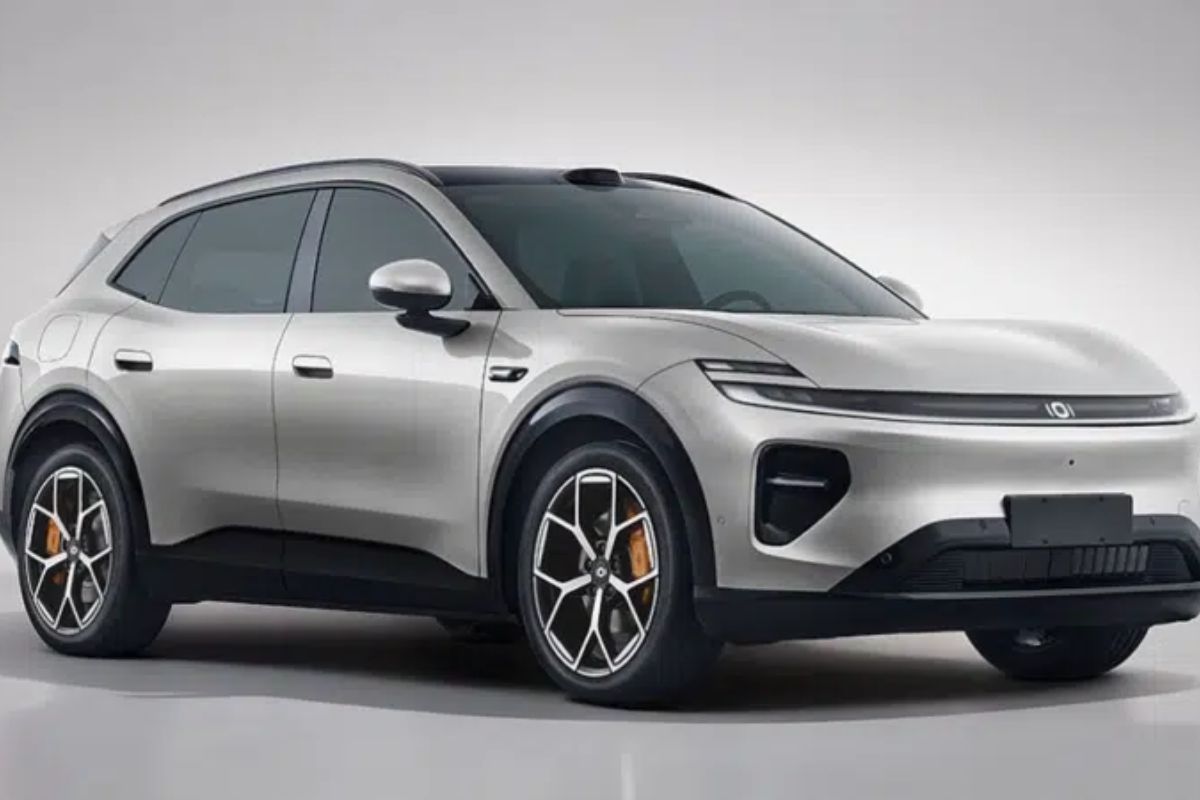
Changan launches Nevo Q06 with 800V architecture and 6C ultra-fast charging, AWD option with two rear motors, EV and EREV versions, LiDAR on the roof, and up to 14 different wheels now.
-
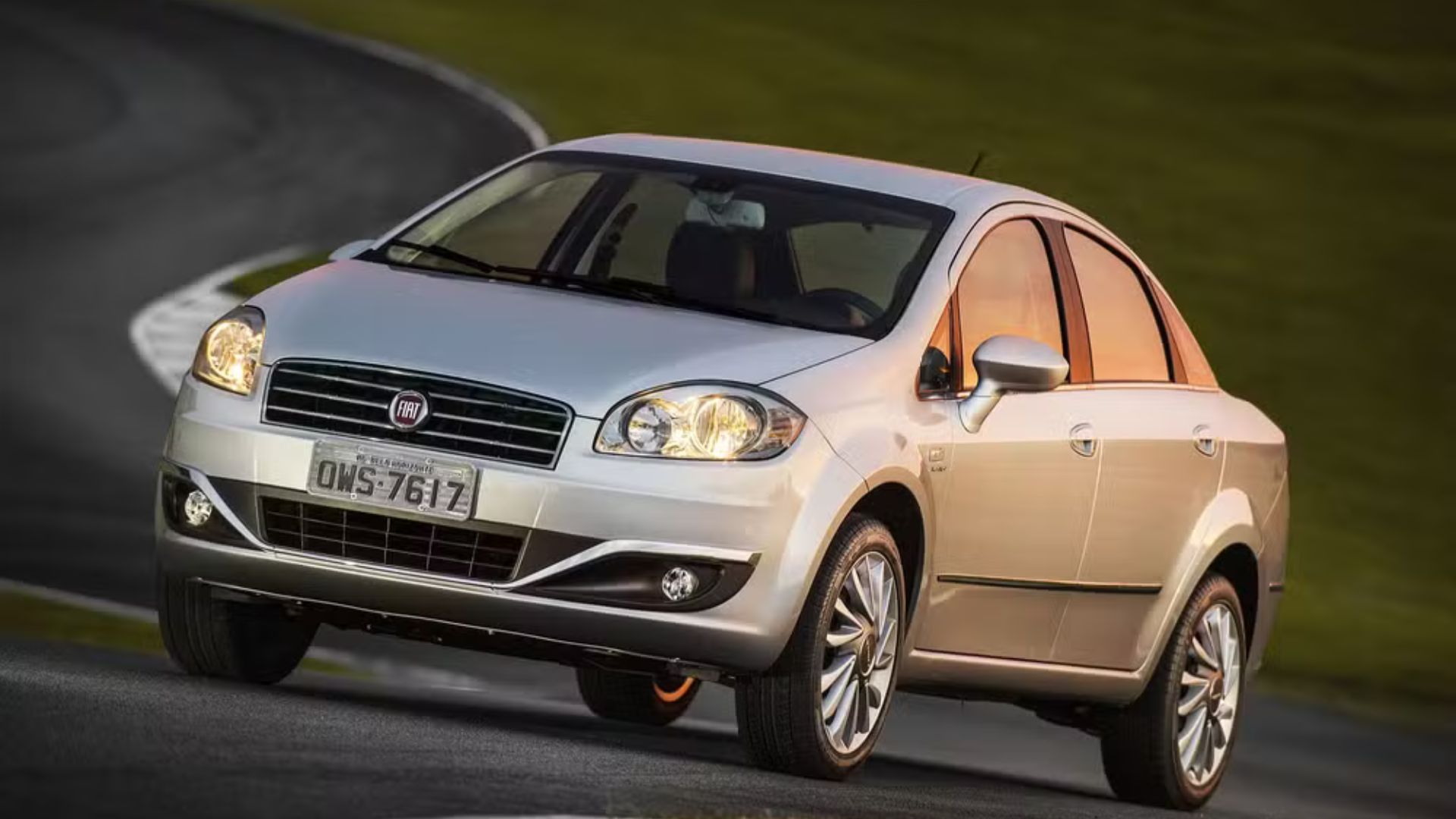
Losses that can exceed R$ 15,000 affect owners of Jeep Renegade and Compass after a failure in the heat exchanger mixes oil with coolant, generating emulsion in the system and causing overheating that can destroy the transmission.

AlixPartners Co-Leader Says Electric Car Sector Will Need Radical Changes
According to the co-leader, the transition from conventional cars to electric cars and batteries will require “drastic changes to operational models, not just in factories and in people but also in the way of working,” he said. Additionally, the raw materials used in the production of electric vehicles also cost more than double compared to those used in combustion models, about US$ 8,255 per electric vehicle versus US$ 3,662 per vehicle, according to May values this year.
The process of electrifying cars will cost manufacturers and suppliers a total of US$ 70 billion by 2030, according to Elmar Kades, co-leader of the automotive sector at AlixPartners.
AlixPartners points out that supply constraints may continue until 2024, and expects total sales of conventional vehicles worldwide to drop to 79 million units in 2022, before rising to 95 million in 2024.
Cheapest Electric Cars In Brazil In 2022
Electric vehicles are a recent technology in the automotive market, both in Brazil and around the world, and with the popularization of these vehicles, new electric models are already being sold at more affordable prices. See below the list of the most affordable electric vehicles in Brazil in 2022.
CAOA Chery iCar – R$ 139,000
The CAOA Chery iCar arrived from China with the title of the cheapest electric vehicle in the Country. It has capacity for only four occupants and a motor capable of generating 61 hp and 15.3 kgfm.
Renault Kwid e-Tech – R$ 146,990
The Kwid electric vehicle has a look similar to the combustion model. Also coming from China, it has a motor with a power of 65 hp and 11.5 kgfm.
JAC E-JS1 – R$ 164,900
It is considered the most economical electric vehicle in Brazil, according to data from Inmetro. The JAC E-JS1 is also a model produced in China in partnership with Volkswagen, and has a motor with 62 hp and 15.3 kgfm.
Renault Zoe – R$ 239,990
The fourth place on the list of cheapest electric cars is the Renault Zoe, which is in its second generation and arrived in the Country in April 2021. The model has a seven-inch multimedia center, connection with Apple CarPlay and Android Auto, and a parking sensor.
Fiat 500e – R$ 255,990
This being Fiat’s first electric vehicle in Brazil, the 500e has a look similar to the combustion 500. With a motor of 118 hp and torque of 22.5 kgfm, the model has a maximum speed of 150 km/h and a range of 320 kilometers.






Seja o primeiro a reagir!