






 Portuguese
  Spanish
  3 min of reading


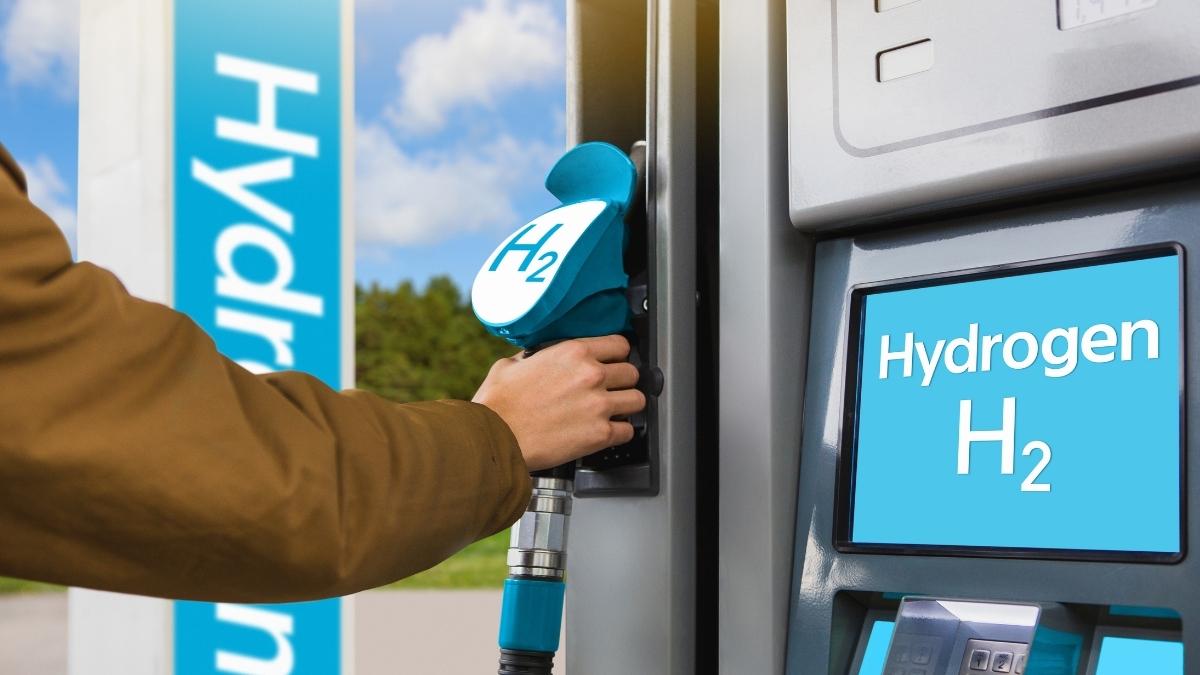
With the instability of the national fuel market growing stronger, the president of White Martins commented on the use of green hydrogen as an alternative to diesel in vehicles to ensure more sustainable and cheaper transport.
The president of White Martins Latin America, Gilney Bastos, commented on Monday, (06/20), about the current fuel scenario in Brazil and possible sustainable and economic alternatives to address instability in the sector. Thus, the CEO believes that the use of green hydrogen as a substitute for diesel in vehicles could be the best option for transport in Brazil, amid a rising scenario of fossil fuel prices, such as gasoline and diesel itself.
Using Green Hydrogen as a Substitute for Diesel in Vehicles Could Be a Viable Alternative for the Transport Sector in Brazil, Says President of White Martins
The recent announcement of another increase in fossil fuel prices in Brazil by Petrobras brought the topic of alternatives to diesel and gasoline back into focus in the country. Thus, various experts have commented on the subject in recent days, and among them, the president of White Martins pointed to a viable solution for heavy vehicles in Brazil: the use of green hydrogen.
According to the CEO of the energy company, it is possible to replace diesel, which currently faces the risk of shortages in the country, with green hydrogen to ensure more sustainable and efficient transport for these vehicles.
-
Illiterate or semi-literate grandmothers were trained to repair solar systems, open rural workshops, and light up homes that still depended on kerosene.

-
US$ 7 billion, green hydrogen, and steel with up to 95% less CO₂: the first green steel plant on the planet emerges in Sweden and targets Brazil as the next chapter

-
The world has bet on green hydrogen as the fuel of the future, but now faces the side effect: producing 1 kilogram requires about 9 liters of ultrapure water, and the largest projects on the planet are precisely in the driest regions of the Earth, where water is already scarce for people.

-
Africa has about 500,000 cell towers and most still burn diesel to operate, while companies rush to cover antennas with solar energy and avoid signal blackouts.




Gilney Bastos believes that the long road distances seen in Brazil could be perfect for adopting the use of green hydrogen in heavy-duty vehicles over the coming years. This is because the fuel not only comes from a renewable and completely clean source but could also be the main alternative for the current situation in the country.
Another point, according to the CEO of White Martins, that contributes to a favorable scenario for the use of green hydrogen in the national transport sector is the concentration of transport in the road modal.
This is because this characteristic accentuates the constant need for the country to seek new alternatives to become less dependent on the national market. And, with a large capacity for hydrogen production, there are no barriers for the Federal Government to start investing in this segment throughout 2022.
The Production of Green Hydrogen in Brazil Is Growing, and Gilney Bastos Believes This Is the Ideal Moment to Use the Fuel in Vehicles Across the Country
Bastos continued to comment on the current scenario of fuels in the country and highlighted the strong dependence on only one type of transport modal in the national territory: “Brazil lacks railways. Therefore, the competitiveness of hydrogen in mobility today is much more focused on heavy transport. Today it is done with diesel, with many disputes, many situations that are reflections of what happens abroad. Hydrogen is very competitive for that.”
Furthermore, he also emphasized that the current moment for green hydrogen production in the country is highly favorable for this initiative, as the company itself has projects for the national territory.
White Martins has memorandums of understanding for the production of green hydrogen, made from electrolysis with renewable electric energy, in Rio de Janeiro, Rio Grande do Sul, and Ceará, and aims to expand its business over the coming years.
Thus, with new ventures being formed in Brazil and green hydrogen growing significantly over the coming years, this is the ideal moment for the transport sector to diversify the supply for these vehicles and begin seeking a more profitable, sustainable, and efficient alternative.






Be the first to react!