





 English
  Francês
  Alemão
  Italiano
  Japonês
  Norueguês
  Portuguese
  Spanish
  4 min of reading


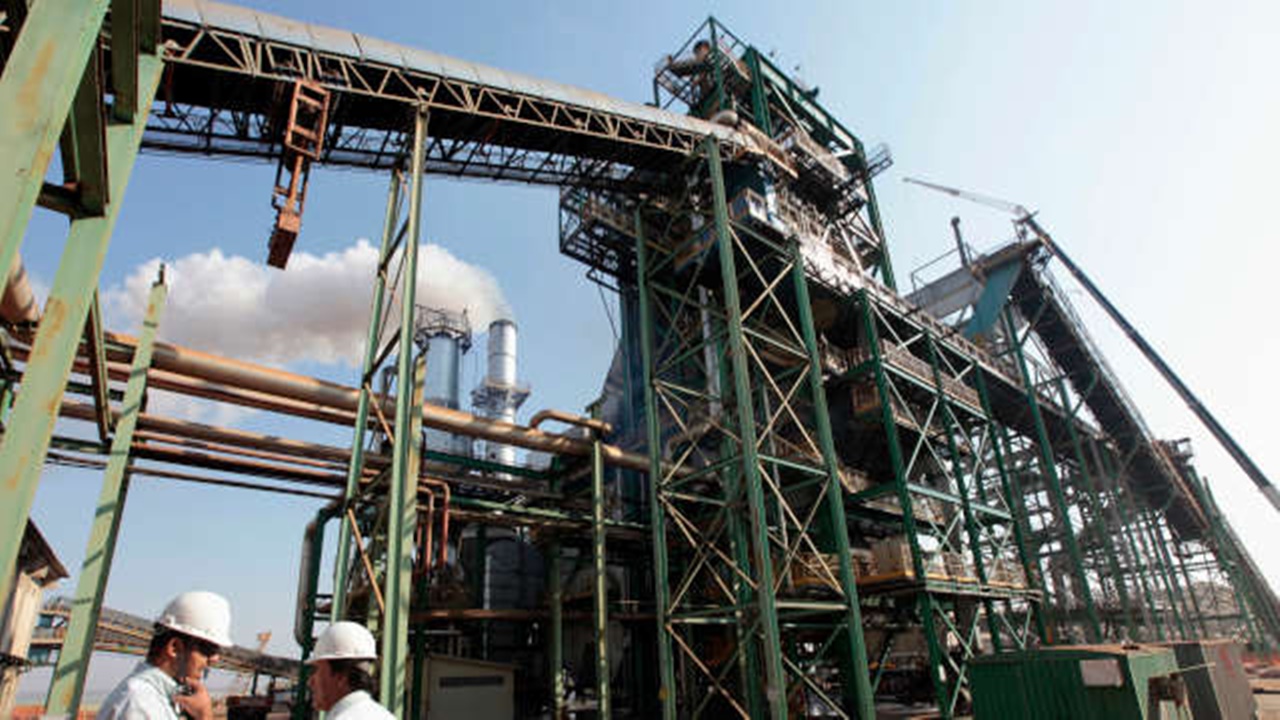
The Ban on Ethanol Sales Between Distributors Adopted by ANP Promises to Prevent Tax Evasion and Default in ICMS Payments by Companies
On last Thursday, May 27, the board of the National Agency of Petroleum, Natural Gas and Biofuels (ANP) approved a resolution that prohibits the sale of hydrated ethanol (fuel ethanol) between two authorized distributors.
Also Read
- Diesel Price Rises Again and Truck Drivers Demand Tax on Oil Exports to Ease Fuel Costs
- Coconut Husk Ethanol Developed by Brazilian University May Change the Renewable Energy World
- Demand for Ethanol and Gasoline Plummets While Diesel Consumption Soars in Brazil
- Hydrogen-Ethanol Mixture Promises to Revolutionize Performance and Reduce Fuel Consumption in Flex Engines
- Ethanol Price Soars at Pumps with Growing Consumption and Mills Taking More Sugar; Who Pays the Bill is the Consumer
- Ethanol Price Evaporates at Mills and Exporting the Biofuel to the U.S., the World’s Main Ethanol Consumer, Becomes a Highly Advantageous ‘Salvation’
- Gasoline Price May Skyrocket and Ethanol May Run Out Due to Shortage of Anhydrous Alcohol at Mills; Supply Shortage Will Impact Even More the Brazilians’ Wallets
The resolution modifies Article 30 of ANP Resolution No. 58/2014, which allowed this type of trade, but in its sole paragraph, authorized the Collegiate Directorate, through a Dispatch published in the DOU, to prohibit this type of operation, which had been taking place since 2017.
According to ANP, the reason for prohibiting sales was based on market studies showing the increase in sales of hydrated ethanol among distributors, with the aim of gaining competitive advantage through default and tax evasion of ICMS.
-
While Russia dominates the global wheat market, Brazil emerges as an unexpected competitor in the Cerrado, offering grain available in July and August when stocks in the Northern Hemisphere are at their lowest point of the year.

-
China returned almost 20 Brazilian ships with soybeans, but now everything could change: the country that buys 80% of the grain is considering relaxing regulations after impurities held up shipments of thousands of tons and caused million-dollar losses.
-
Chinese giant worth nearly R$ 4 billion that manufactures cables for electric cars, solar energy, and robotics wants to open a factory in SC.

-
Many employers do not know, but the law guarantees domestic workers a 25% increase in salary during trips, 50% for overtime, 20% for night shifts, and 17 additional benefits that can lead to labor lawsuits if not paid.

It was observed that there was a change in the target agents of this type of operation and that not only did the volume traded decrease drastically, but also the number of agents conducting this type of operation diminished, with the prohibition made by ANP.
ANP’s decision was supported by the State Finance Secretariats and class representatives. Additionally, a decision from Working Group (GT) 05 – Fuel, a permanent group that includes all Federal Units through their Finance Secretariats and the Ministry of Economy, emphasized that maintaining the prohibition on the sale of hydrated ethanol between distributors is an important measure and therefore should remain in place.
Ethanol Price Soars and Reaches Almost R$ 7 at Fuel Stations; Reduction Promises to Arrive in the Coming Weeks to Ease Consumer Costs
The price of ethanol continues to rise at fuel stations across Brazil, reaching almost R$ 7 in the southern region of the country, according to research conducted by the National Agency of Petroleum, Natural Gas and Biofuels (ANP) from May 1 to May 21. According to Mario Campos, president of Siamig, the reduction will soon reach the pumps and relieve consumers’ costs.
“Production has not been consistent, and therefore, there was a supply and demand issue that caused the price of ethanol to rise,” explained Mario Campos.
“The reduction will reach the pumps in the coming weeks in markets where ethanol is more competitive, such as São Paulo, Paraná, and Minas Gerais. However, price parity with gasoline should be less common due to the smaller harvest,” he said.
Direct Sale of Alcohol from Mills Approved by CCJ Promises to Stimulate Competition and Curb Gasoline Price Increases at Fuel Stations
On May 5, the Commission of Constitution and Justice (CCJ) of the Chamber of Deputies approved the permission for direct sales of ethanol from mills – without going through distributors, directly to fuel stations. The new measure could curb the rise in gasoline and diesel prices, easing the financial burden on Brazilians.
It is still not possible to know exactly how much the direct sale of ethanol would impact the price of the biofuel in Brazil, as there is a high dependence on industrial logistics in each state. However, a study by Esalq-Log in 2019 showed that the average transport cost of ethanol in São Paulo state would decrease by about 30% with direct sales.
There are also estimates that concentrating production and distribution margins on the producer and increasing competition among millers and distributors in the market could reduce hydrated ethanol prices for end consumers by up to 20 cents per liter.
Gasoline, Ethanol, and Diesel Prices Keep Rising, and Deputies Refuse to Change ICMS Amid Soaring Fuel Prices
Petrobras is being ‘attacked’ by the surge in fuel prices by deputies who refuse to change ICMS amid the crisis caused by consecutive price increases in gasoline, ethanol, and diesel.
Brazilians are suffering daily from the rising fuel prices, given that the prices of ethanol, gasoline, and diesel keep climbing at the pumps. As a measure to try to curb the spikes, the Government proposed changes to the ICMS taxation on fuels. The new proposal was not well received by some deputies who accused the Brazilian oil company Petrobras of being responsible for all of this.








Seja o primeiro a reagir!