





 Portuguese
  English
  Spanish
  5 min of reading
  1 comment


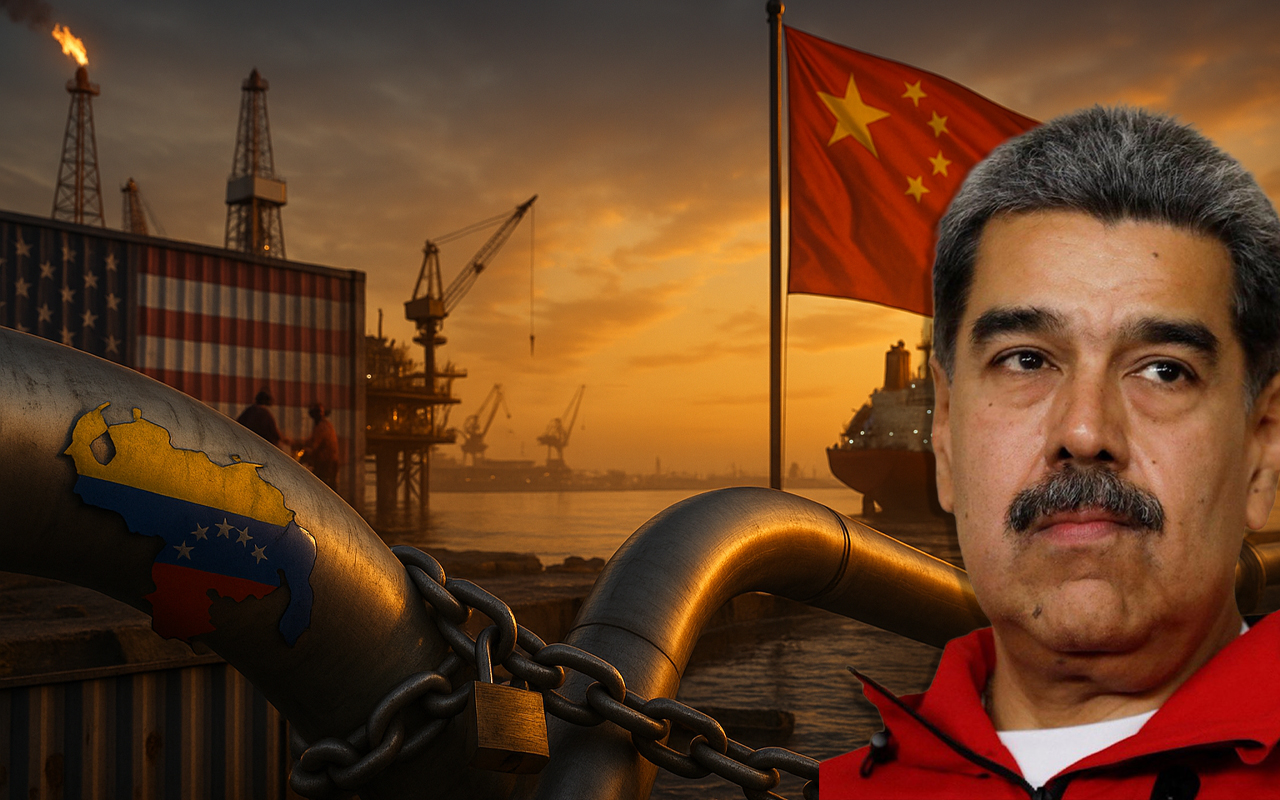


A Chinese Company Took Over Two Fields in Lake Maracaibo and Promises to Invest Over US$ 1 Billion to Increase Production to 60 Thousand Barrels Per Day by the End of 2026, Using a Contractual Model Created to Operate Under US Sanctions.
China Concord Resources Corp (CCRC) has initiated the development of the Lago Cinco and Lagunillas Lago fields in Lake Maracaibo, Venezuela, with an investment plan exceeding US$ 1 billion and a target of 60 thousand barrels per day of oil by the end of 2026. According to a Reuters report published on August 22, 2025, this is one of the rare incursions of a private Chinese company in the Venezuelan sector, which has historically been dominated by state partnerships.
The production sharing contract, signed in May 2024, grants CCRC the operation of the assets for 20 years, in an arrangement designed to attract capital even under international restrictions. The initiative emerges at a time when PDVSA is trying to reactivate mature areas and recover extraction capacity after years of declining investment.
The project began with the dispatch of teams and equipment to reactivate wells that currently yield about 12 thousand barrels per day, with a plan for up to 500 wells along the production ramp. The proposal includes using light oil for local refining and exporting heavy oil to China, which is currently the main destination for Venezuelan oil.
-
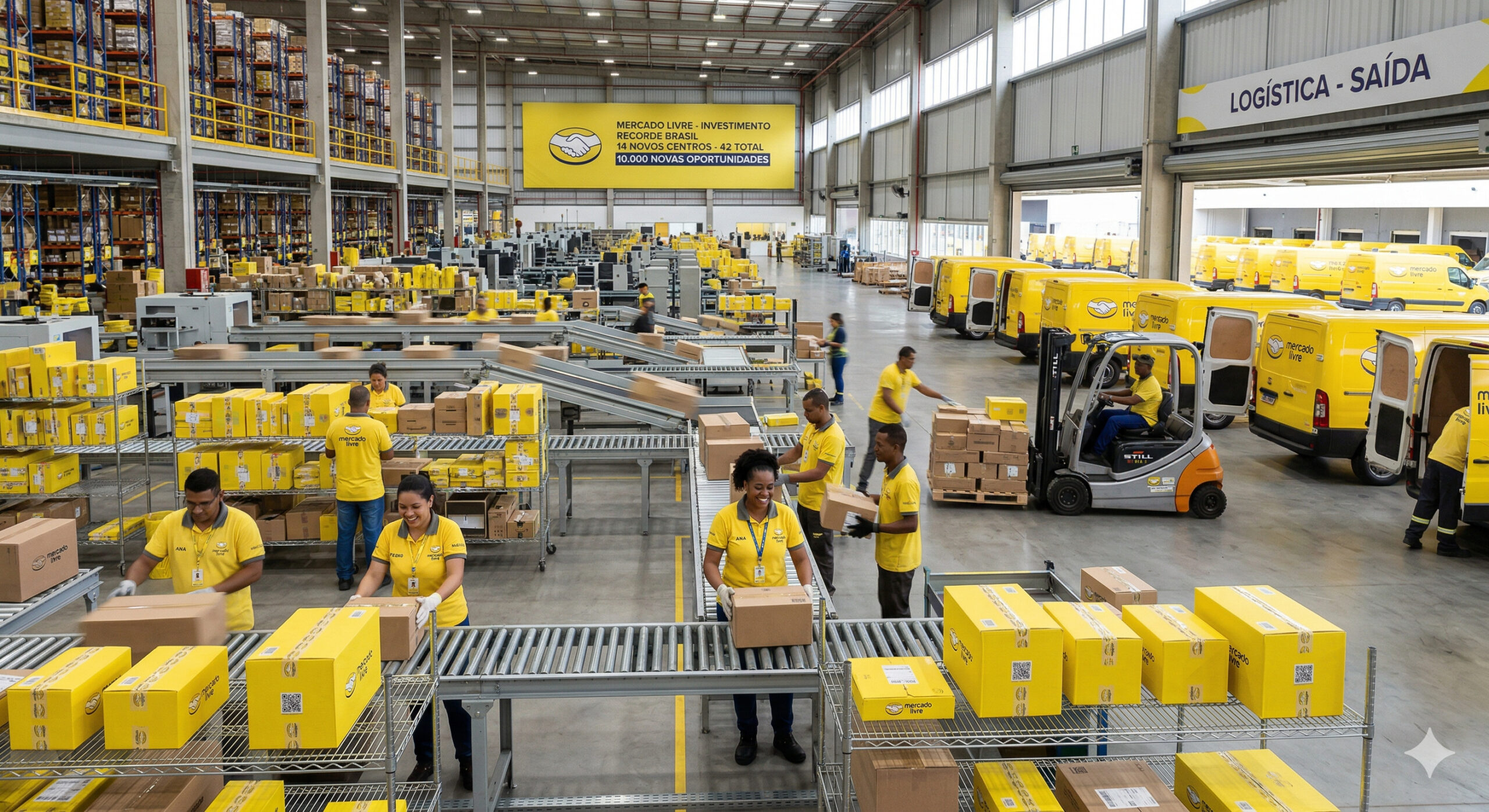
Mercado Livre “opens the vault” and announces a record investment of R$ 57 billion in Brazil in 2026, a value 50% higher than the previous year, with an expansion plan that includes 14 new logistics centers, totaling 42 units in the country and hiring an additional 10,000 employees.
-
How investment in technology can revolutionize the national economy and enhance industrial gains, according to a study that highlights the direct impact on productivity, innovation, and wealth retention within Brazil.

-
The largest food company on the planet, JBS, has just opened a 4,000 square meter laboratory in Florianópolis to develop customized proteins that modulate muscle mass gain, immune response, and metabolic performance.

-
After nearly 30 bids and competition among industry giants, a Spanish company purchases one of the largest airports in Brazil for almost R$ 3 billion and takes over the management of Galeão in a concession that will last until 2039.


How the Production Sharing Contract Works and Why It Became the Legal Way Out for Venezuela Amid Sanctions
The legal basis of the agreement lies in the so-called Anti-Blockade Law, passed in 2020. This regulation established an exceptional regime that allows the government to enter into production sharing contracts with more flexible conditions, including confidential terms, to facilitate foreign investment in strategic sectors such as oil. In practice, the law authorizes private partners to act as operators and receive part of the produced oil as compensation.
Analysts point out that the CPPs mark a significant shift from the old model of joint ventures. The aim is to accelerate the influx of capital and technology to recover Venezuelan OPEC production, while circumventing the environment of sanctions. However, there are criticisms regarding transparency, as provisions in the anti-blockade framework allow for clauses and terms that are difficult to scrutinize publicly.
For CCRC, the format opens up opportunities to operate mature areas with high political risk, but with a potential return if production reaches the targeted goal. For Venezuela, the arrangement provides resources for infrastructure repair, logistical unclogging, and field services, essential items to boost the offered volume.
60 Thousand Barrels Per Day by 2026, Where the Wells Are and What Will Be Exported
The target of 60 thousand bpd depends on a sequence of workovers, new drillings, and recovery of collection and transportation systems in Lago Cinco and Lagunillas Lago, two traditional areas in the Western Venezuelan region. CCRC intends to combine light and heavy oil, which requires suitable blending and transportation solutions to maintain the quality of shipments and meet refining requirements.
According to project sources, the plan includes up to 500 wells on the ramp. The light production would be more tied to local supply and PDVSA refining, supporting fuels in the domestic market. In contrast, the heavy oil would have a set destination in Asia, primarily China, strengthening the flow that has grown in recent years.
Even with a positive outlook, execution involves challenges. Lake Maracaibo requires intensive maintenance of pipelines, stations, and processing units. There are also environmental and operational safety issues that necessitate continuous investments. The synchronization between services, parts, energy, and maritime logistics will be crucial to meet the 2026 deadline.
Tougher Licensing in the US and Chinese Advances on Venezuelan Oil
The advancement of CCRC occurs while traditional companies face licensing restrictions in the United States. In May 2025, Chevron terminated operational contracts in Venezuela after a critical authorization expired, maintaining a minimal team and assets but unable to produce or export under the existing rules. By the end of July 2025, other foreign partners were still awaiting authorizations from the US Treasury to continue operating.
This environment pushes more Venezuelan volumes to China, while complicating the return of European and North American groups. According to specialists, CCRC is exploring a space left by major companies that avoid the risks of secondary sanctions or contract breaches, doing so with a domestic legal model shaped for this context.
For Beijing, the agreement helps to diversify supply and maintain bargaining power in the global oil market. For Caracas, it represents investment attraction and technology, as well as additional revenue for a PDVSA trying to rebuild capacity. However, the balance depends on regulatory stability, technical execution, and how the Washington-Caracas relations evolve.
What to Expect for Price, Supply and PDVSA in the Coming Months
If the schedule is maintained, Venezuela will add more 60 thousand bpd to its supply by the end of 2026, a volume that, although modest in global terms, is significant for PDVSA and for the Lake Maracaibo region. The prioritization of heavy oil for China reinforces already established trade currents, while light oil may relieve bottlenecks in domestic refining.
In the short term, the impact on international prices is likely to be limited, but the signal of new CPPs may attract other players with risk appetite, especially in mature fields. Contractual transparency and legal security remain critical factors. Parallel disputes involving assets and debts of the PDVSA ecosystem are still on the radar of investors and may influence the speed of new investments.








Espero que esse **** trapaceiro seja preso por pelo menos uns trinta anos. Não esquecendo seus ajudantes, ele não fez nada sozinho!