





 Portuguese
  English
  Spanish
  4 min of reading
  25 comments


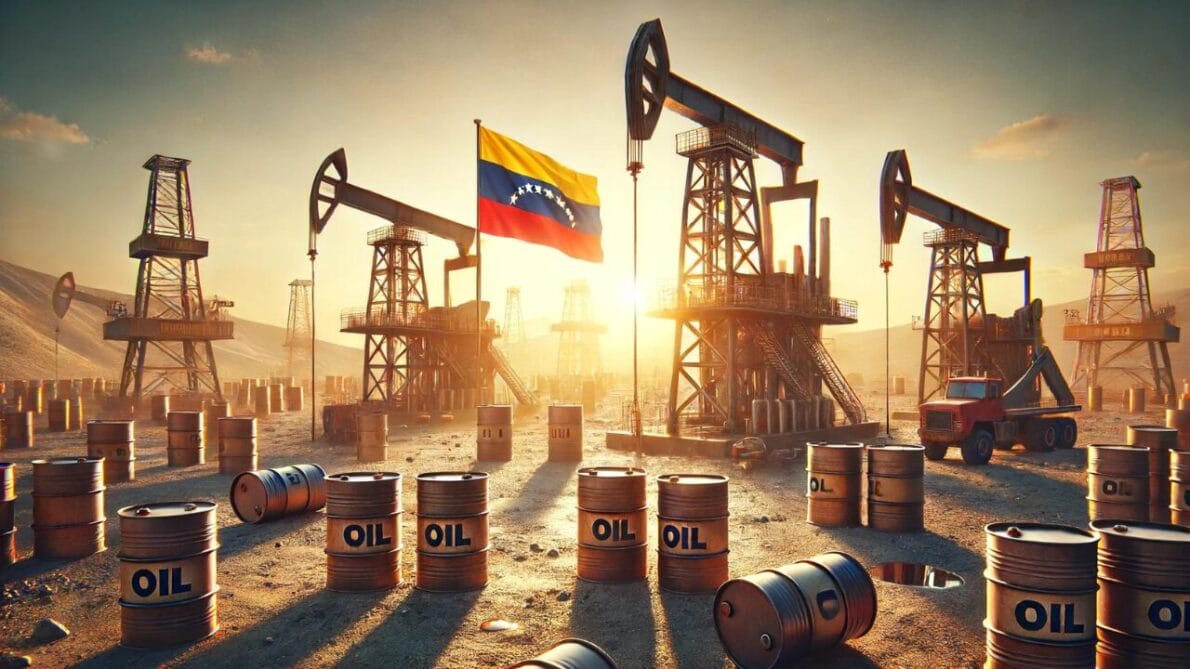

Oil Production in Venezuela May Reach 1 Million Barrels Per Day. Learn How the Country Is Overcoming Sanctions and Economic Challenges to Revitalize Its Main Industry
Pedro Rafael Tellechea, Minister of Oil, pointed out that Venezuela is currently producing over 950,000 barrels of oil per day (bpd). The Venezuelan Oil Minister, Pedro Tellechea, stated that the country is close to producing one million barrels of oil per day, a mark it has not reached in over five years.
“We can officially say we are above 950,000 barrels per day (bd)”, said Tellechea, who also heads the state-owned Petróleos de Venezuela (PDVSA). “In the coming days, we will be reaching one million barrels, bringing joy to Venezuela”, he added during the inauguration in Caracas of a new gasoline distribution system.
Challenges and Impact of Sanctions on the Oil Sector
According to the Organization of the Petroleum Exporting Countries (OPEC), the production of the South American country was at 910,000 bd by the end of May. The last time Venezuela achieved production above one million barrels was in early 2019, the year in which the United States imposed a series of sanctions that included an embargo on Venezuelan oil.
-
A major turn in the Justice system suspends tax increases and directly impacts oil and gas companies in Brazil by affecting costs, contracts, and financial planning, leaving uncertain what could happen to the sector if these costs had increased.

-
Brava Energia begins drilling in Papa-Terra and Atlanta and could change the game by reducing costs in oil while increasing production and strengthening competitiveness in the offshore market.
-
Petrobras surprises the world again by announcing a new discovery in the pre-salt with excellent quality oil.
-
Offshore industrial demand in Macaé skyrockets with the recovery of oil and gas and could grow by up to 396% by 2026 in the Campos Basin.

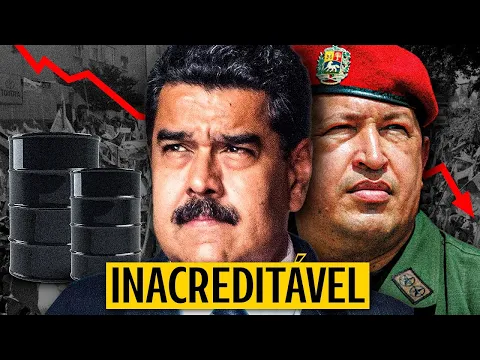
In 2020, production fell to below 400,000 bd, marking the lowest level in three decades, which the government attributes to “coercive measures” imposed by Washington to unsuccessfully force President Nicolás Maduro out of office. Maduro, in turn, is seeking a third six-year term on July 28.
The sanctions imposed by the United States have had a deep impact on the Venezuelan oil industry, affecting not only production but also the capacity for investment and maintenance of production and refining infrastructures. The drastic reduction in oil production has generated an economic and social crisis in the country, exacerbating shortages of basic goods and medicines.
Production Recovery
Last October, the United States partially lifted the embargo for six months after agreements between the Executive and the opposition regarding the election, but reversed the measure after questioning the government’s actions concerning the process. This temporary measure allowed a momentary relief for the oil industry, enabling a slight recovery in production.
Companies wishing to operate in the country must now apply for individual licenses in Washington, like the one held by the giant Chevron. Several companies have already requested them, such as the Spanish Repsol and the French Maurel & Prom (M&P). Obtaining these licenses is crucial for companies to continue their operations and investments in Venezuela, contributing to the gradual recovery of oil production.
Corruption and Disinvestment in the Oil Industry
Experts agree that, in addition to sanctions, endemic corruption and years of disinvestment have also contributed to the collapse of this industry that, in 2008, had production above 3 million barrels per day. Corruption in PDVSA, the country’s main state oil company, has been a persistent problem, with numerous cases of embezzlement and poor management of funds designated for maintenance and expansion of production capacity.
The lack of adequate investment over the years has also resulted in significant deterioration of production and refining infrastructures, compromising the industry’s efficiency and responsiveness to fluctuations in the global oil market. Additionally, the flight of talent and the loss of skilled labor further exacerbated the situation, making it more difficult to recover the Venezuelan oil industry.

Future of the Industry in Venezuela
The future of the oil industry in Venezuela depends on a series of factors, including the government’s ability to attract new investments, implement structural reforms, and combat corruption. The recovery of oil production to pre-crisis levels is essential for revitalizing the country’s economy and improving the living conditions of its population.
Venezuela has one of the largest oil reserves in the world, representing enormous potential for growth and economic development. However, realizing this potential requires a coordinated and sustained approach, involving collaboration between the government, the private sector, and the international community.
In summary, while Venezuela approaches the milestone of one million barrels of oil per day, the challenges facing the industry are complex and multifaceted. Overcoming these challenges is crucial to ensuring a prosperous and sustainable future for the country and its people.





na época do **** eu comprava o gás de cozinha por 130, agora estou comprando por 79
Todos países da zona do euro melhorando seu idh??? Onde leram isso??Euro desgarrado do dólar?
Moro em um país “europeu” que tem o menor mínimo da Europa Central: 820€
– 11% de desconto =+- 720€ líquido fora os outros assaltos sem arma…
Faça o cálculo: Aluguel médio ap.de 2 quartos 700€…e não para de vir gente
iludida p cá…Dica: venham sendo um casal jovem c 1 filho maior senão vão morar em barracas…aí é melhor ficar
no Braseiro…Ah se não trouxerem uns 10.000€ p aguentar uns 6 meses…
FORGET IT…
.
Em nenhum momento vcs chamam o Maduro de ditador. Estranho.