





 Português
  Inglês
  Espanhol
  4 min de leitura


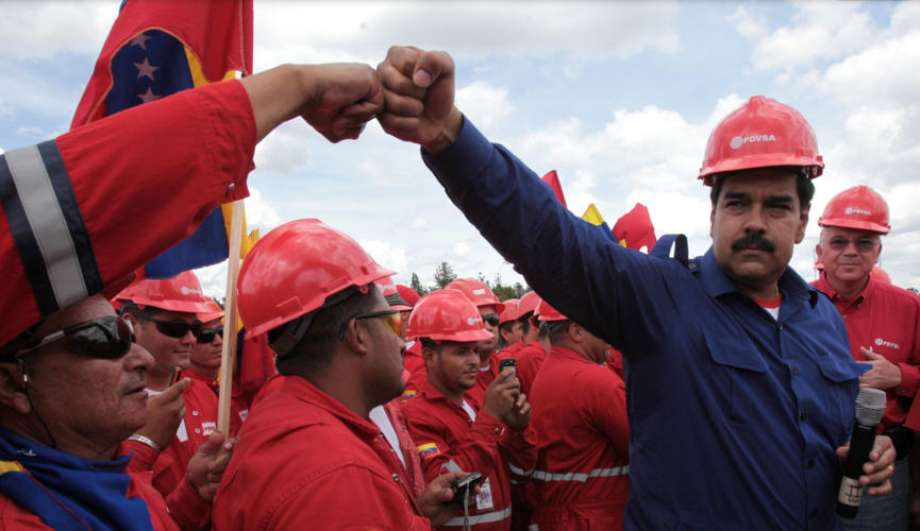
The American Oil Company ConocoPhillips Said That An International Arbitration Court Ordered Venezuela To Pay The Oil Company US $ 8.7 Billion For The Illegal Expropriation Of ConocoPhillips’ Oil And Gas Assets In Venezuela In 2007.
The U.S. oil company said that the International Centre for Settlement of Investment Disputes (ICSID) unanimously ordered the Venezuelan government to pay the company the amount of US $ 8.7 billion in compensation for the illegal expropriation of the Venezuelan investments of ConocoPhillips in 2007.
The ICSID court ruled in 2013 that the expropriation of ConocoPhillips’ substantial investments in the Hamaca and Petrozuata heavy oil projects and the Corocoro offshore development project violated international law.
-
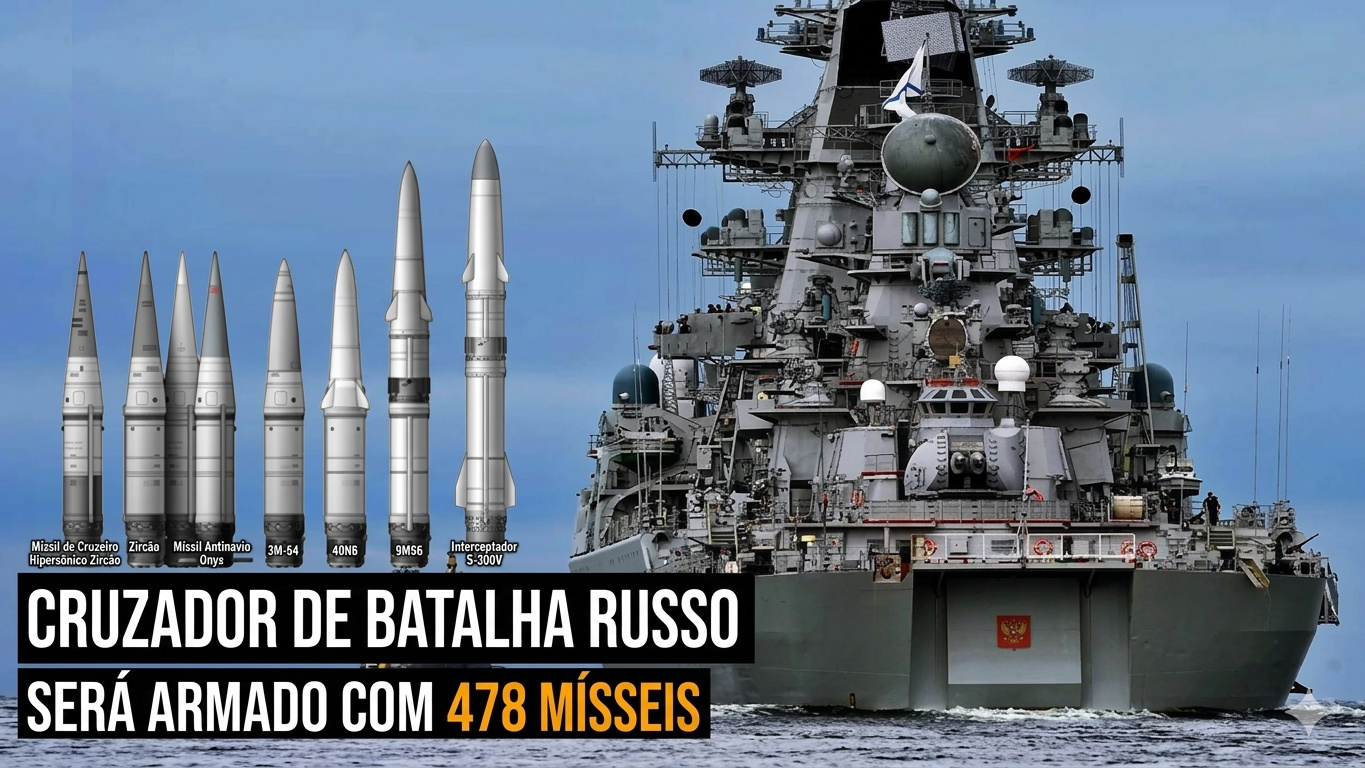
Russia spent $5 billion and 28 years modernizing a nuclear warship that had been inactive since 1997. The Admiral Nakhimov returned to the sea in August 2025 as the heaviest surface combat ship in the world, with 176 missile launchers, including hypersonic Zircon missiles.
-
James Webb finds 300 galaxies with mysterious scars, and this discovery may show that the universe was born much more violently than astronomers had imagined.

-
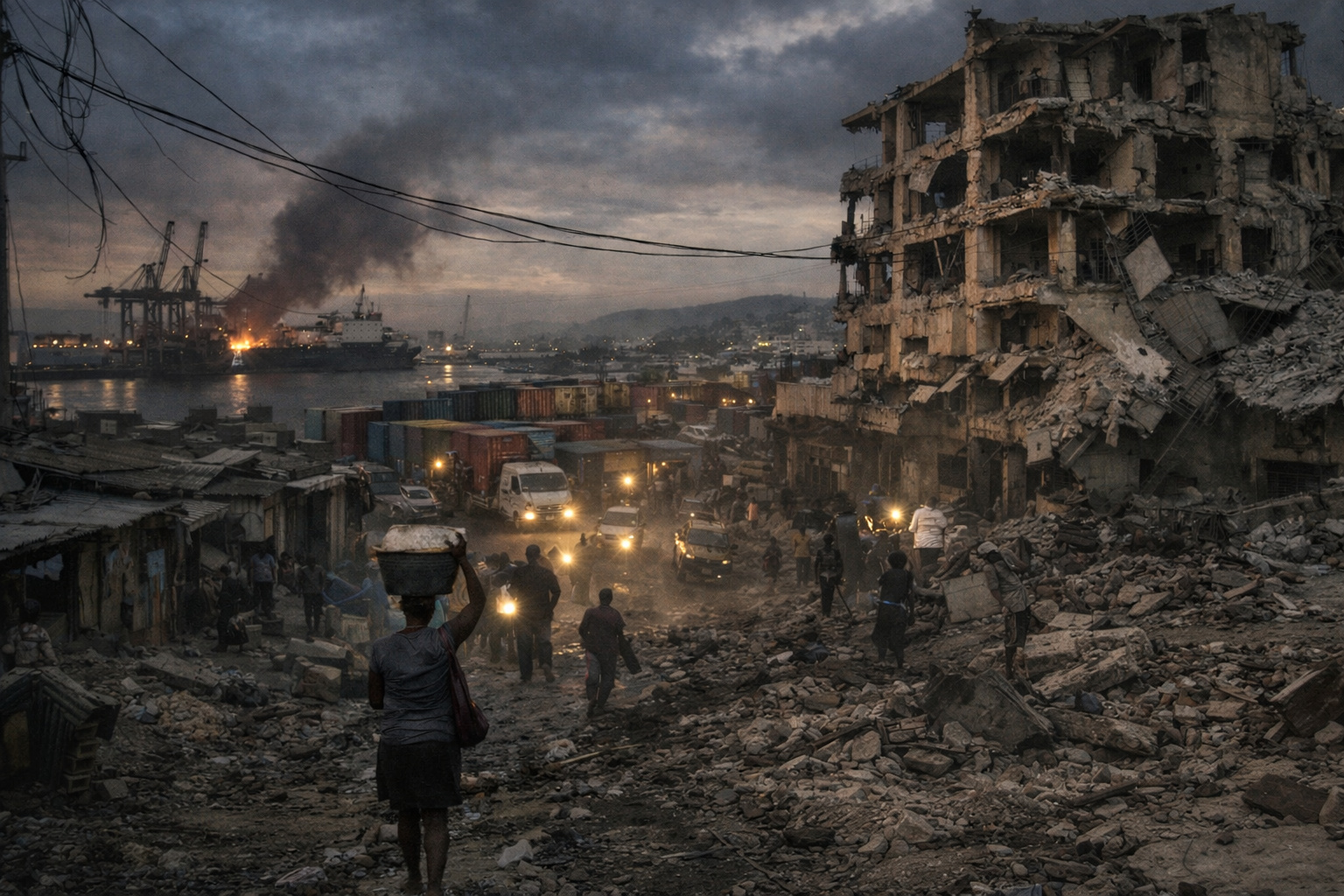
Haiti’s capital is experiencing an energy and construction crisis, facing blackouts, a blocked port, and buildings at risk after years of instability and a significant earthquake.
-
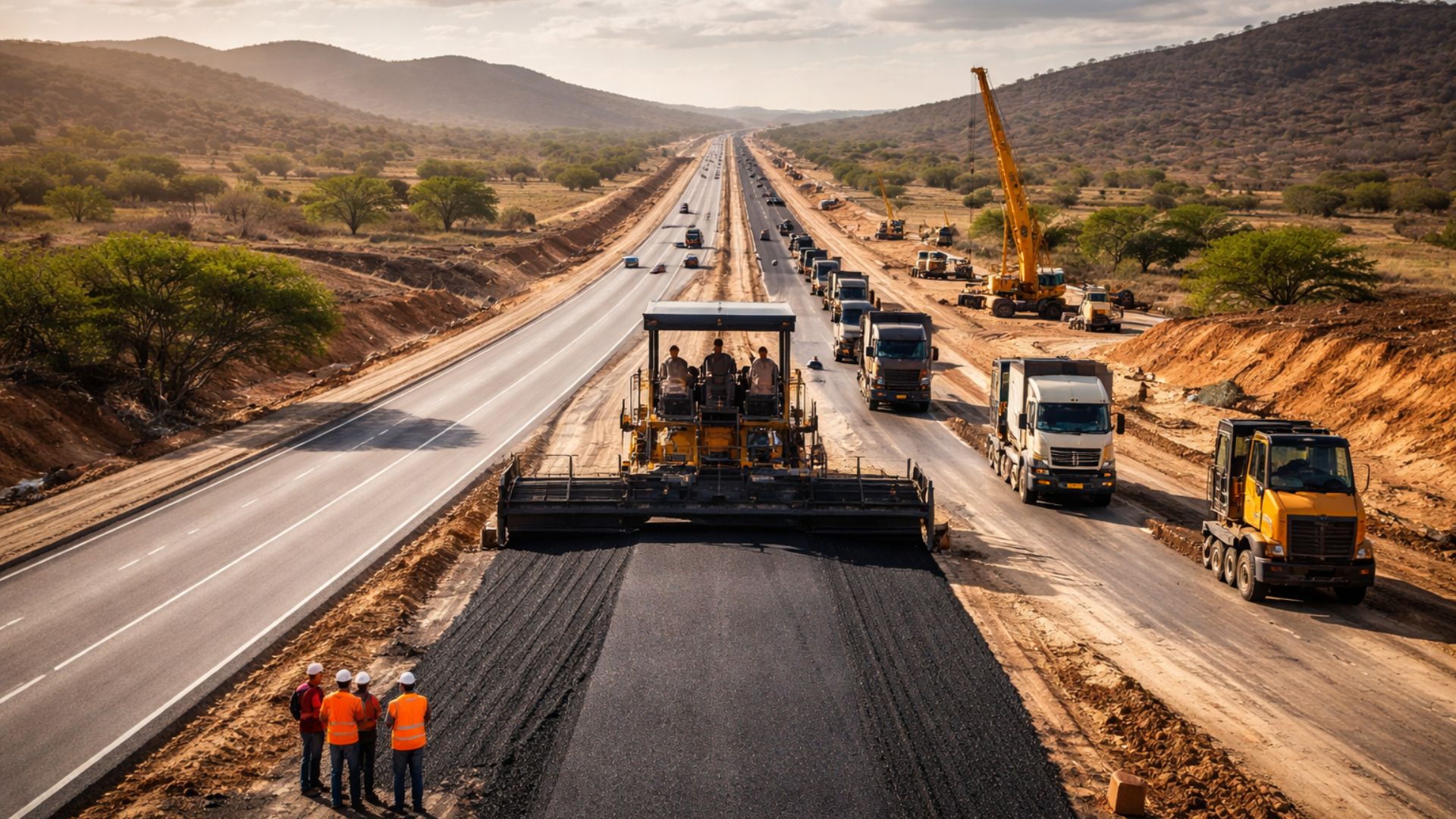
Government unlocks R$ 554 million for a highway that has been requested for decades and accelerates the duplication of BR.

The current decision addresses compensation, and the time and manner of collection are still to be determined.
“We welcome the ICSID court’s decision, which upholds the principle that governments cannot illegally expropriate private investments without paying compensation,” said Kelly B. Rose, Senior Vice President and General Counsel of ConocoPhillips.
In April 2018, in a separate and independent legal action, an international arbitration court constituted under the rules of the International Chamber of Commerce (ICC) awarded ConocoPhillips approximately US $ 2 billion from Petróleos de Venezuela, S.A. (PDVSA), the state-owned oil company of Venezuela, and two of its subsidiaries.
The ICC court’s decision arose from PDVSA’s failure to meet its contractual obligations in response to Venezuela’s expropriation of ConocoPhillips’ investments in the Hamaca and Petrozuata projects.
In August 2018, ConocoPhillips announced it was celebrating a settlement agreement with PDVSA to recover the full amount owed in that award.
ConocoPhillips also has an ICC contract arbitration against PDVSA related to the Corocoro project.
In the early 1990s, Venezuela created a new fiscal framework to induce foreign investment in its heavy oil projects in the Orinoco belt and beyond.
“Relying on these terms, ConocoPhillips helped Venezuela develop the Petrozuata, Hamaca, and Corocoro projects by providing leading industry technology and substantial long-term investments for the Venezuelan government. However, in the summer of 2007, the Venezuelan government expropriated ConocoPhillips’ investments entirely without compensation,” said ConocoPhillips.
This is another blow for the country, which is embroiled in a diplomatic and economic crisis following recent protests and the fact that several countries recognized a parallel administration led by Juan Guaido, following the presidential elections in which Nicolas Maduro was reelected president—an election that, as the EU stated, was neither free nor fair.
Credit rating agency Fitch stated last month that, given the scope of economic challenges and significant sovereign default, any political transition would take time to fulfill debt restructuring and materially improve the economic situation.
In the short term, according to Fitch, new U.S. sanctions imposed on the state-owned oil company PDVSA will deepen the country’s economic crisis.
Oil production is likely to decline further and will affect economic production, exports, and government revenues more rapidly. The internal disruptions caused by protests and political uncertainty will further deepen the severe economic distortions that have been building for years and exacerbate the humanitarian crisis, Fitch said.
Internal and external political pressures on the Maduro government are significantly increasing. Most Latin American and European countries, the U.S., Canada, and Australia have recognized Juan Guaido as interim president. Several other countries declared neutrality on the issue of the legitimate Venezuelan government, while China, Russia, Turkey, and several others continue to recognize Maduro as president.
Fitch also noted that if Maduro manages to retain power, the prospects for reforms to stabilize the economy and end hyperinflation are likely to diminish, at least in the short term. As noted, U.S. sanctions will have an immediate impact on the oil sector, likely leading to new declines in oil production that will be difficult to reverse.
“Currently, Venezuela exports approximately 500,000 barrels per day to the U.S. These oil exports provide a critical cash flow to PDVSA and the government. Over time, these exports may be diverted to other destinations, but that would imply significant discounts and higher costs for the company, compressing margins. Additionally, the sanctions essentially prevent a debt restructuring by prohibiting U.S. entities from participating in the new debt issuance of PDVSA or the government,” Fitch said.







Seja o primeiro a reagir!