





 English
  Francês
  Alemão
  Italiano
  Japonês
  Norueguês
  Portuguese
  Spanish
  4 min of reading


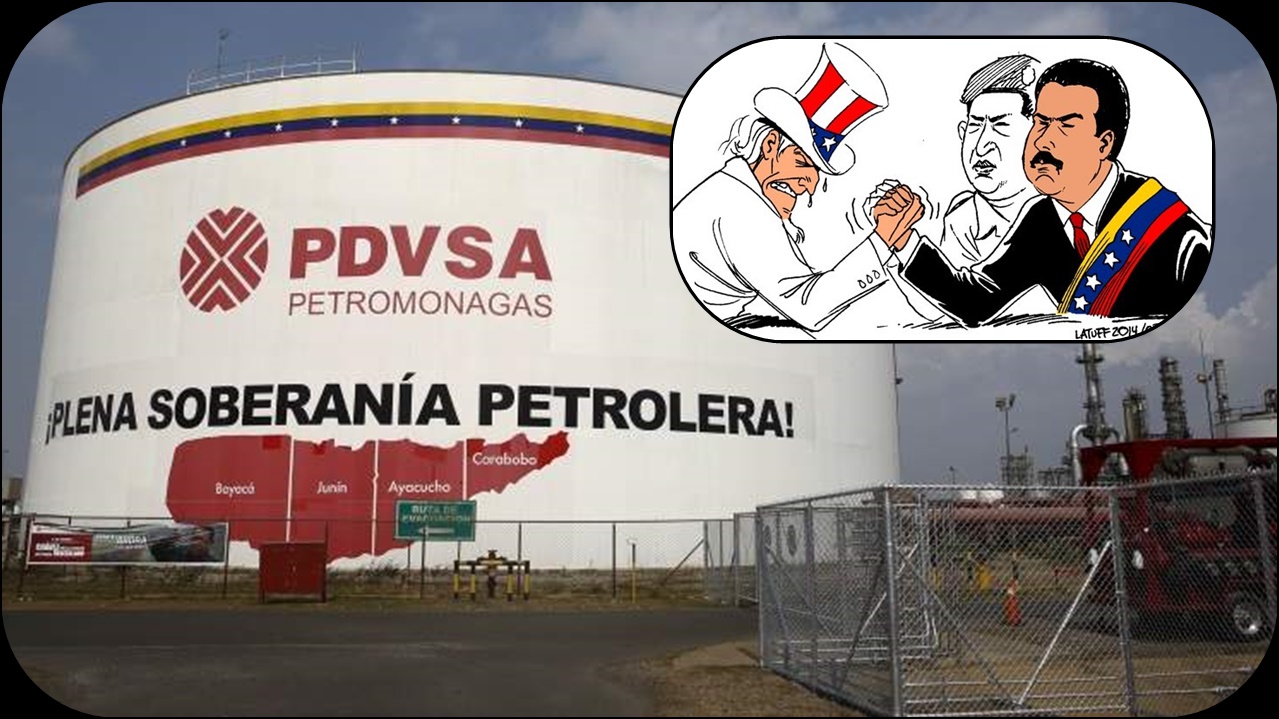
Over $1 Billion in Debt Issued Under Maduro’s Government Puts Company’s Profitable Refining Business in the United States and Colombia at Risk
Venezuelan President Nicolas Maduro requested to join the dialogue table between his government and the opposition in Mexico and Colombia, asking for the return of control of Citgo and the petrochemical company Monomeros, all subsidiaries of the state-owned Petróleos de Venezuela (PDVSA). Currently, the Venezuelan subsidiaries face threats from creditors on different fronts, and the hope is to find a way to prevent the company from falling into the hands of third parties.
Read Also
- Gasoline Is Cheap, Costs R$ 1.95 at the Refinery; Federal Tax Has Been Fixed for Years but Does Not Prevent Constant Price Increases of Fuel
- Oil Evaporates Under Strong Selling Pressure, Reaching $66 a Barrel and Pressuring Petrobras to Lower Gasoline Prices, Which Experienced Another Increase on August 12
- Direct Sales from Ethanol Plants to Gas Stations Benefit Consumers with Low Prices and Quality
- Pipeline Explosion in Venezuela May Have Been the Target of a Terrorist Attack
- In Desperation, the Population of Venezuela Steals Oil to Produce Its Own Gasoline
- Iranian Oil Tanker Loaded with Gasoline Heading to Venezuela “Breaks Through” American Barrier in the Caribbean Sea
- Venezuelan Oil Tanker FSO Nabarima at Risk of Sinking Loaded with Crude Oil, Attracts International Concern
In negotiations that began on August 13 with the opposition, the Venezuelan Government claims control of the companies, which remained in the machinery created by opposition leader Juan Guaidó, recognized at the time as interim president by more than 50 countries and accused by Maduro of appropriating and dismantling Monomeros in collusion with Iván Duque’s government.
“Let a clear, direct, and official document be made by all Venezuelan producers so that Dr. Jorge Rodríguez (head of the delegation) can take as a fundamental point in the first session of the dialogue in Mexico the signing of a document for Monomeros to return to its owner, Pdvsa, for the country as a company that supplies our nation with its production,” said Maduro during a speech broadcast by the Venezuelan state television channel.
-
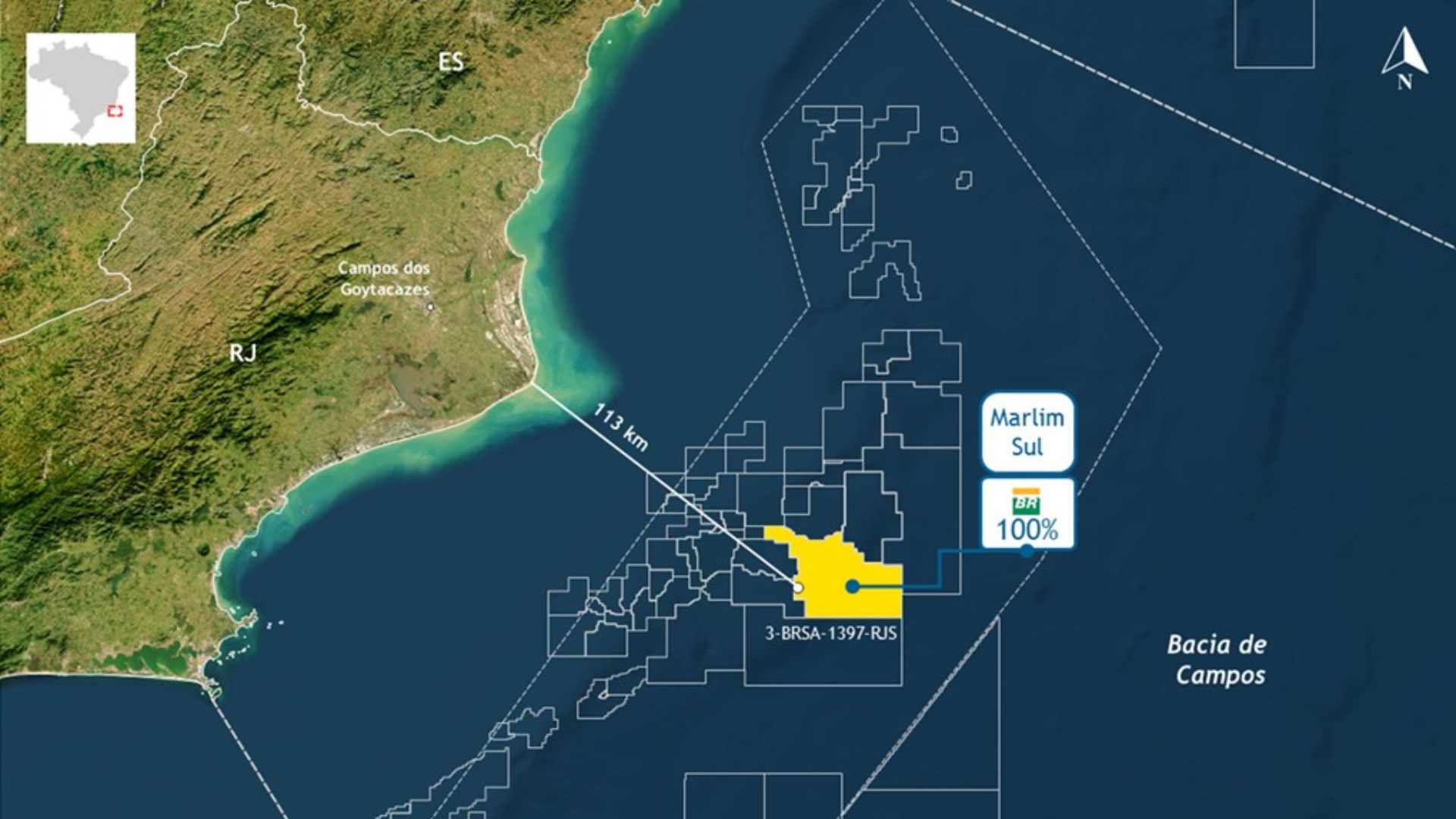
Brazilian giant expands borders in the Southeast: Petrobras confirms new oil discovery in ultra-deep waters in the pre-salt of the Campos Basin.

-
Alert in the global energy market: Severe tropical cyclone hits the coast and disrupts gas production at major plants in Australia, threatening global supply.

-
Petrobras finds high-quality oil in the pre-salt at 113 km from RJ and reignites expectations about strategic reserves in the Campos Basin.

-
Ocyan opens registrations for startups focused on innovation in the oil and gas sector and will select projects for Innovation Day with the support of Nexio.

Maduro Stated That It Is Important for Venezuela’s Money Blocked Abroad to Become the Engine of the National Economy
The president indicated that the eventual return of Monomeros could signify one of the first common measures of the dialogue for the economic recovery of Venezuela. According to the Government, in 2018, Monomeros produced 860,000 tons of fertilizers, but in 2019 it only had 22% of its operational capacity.
Monomers is a limited liability company for the production of caprolactam (a raw material for nylon) and compound fertilizers.
In 2006, the Colombian shareholders of the company decided to sell their stakes to the Venezuelan state-owned Petroquímica de Venezuela (Pequiven).
As for Citgo, despite the limitations under which it operates, the company reported a small profit in the second quarter of this year, the first since 2019, and it remains the eighth largest refinery in the United States, according to Reuters. The recent history of the company is a legal drama parallel to the political crisis that the South American country has been experiencing since 2014, when it entered into economic recession.
In December 2015, the opposition gained two-thirds of the Legislative Assembly, and a few months later, in 2016, President Nicolás Maduro’s government decided to issue $1.4 billion (R$ 7.4 billion) in bonds to refinance PDVSA’s debt, without the Parliament’s approval. The government offered Citgo shares as collateral, and Wall Street responded with appetite, buying the bonds.
$25 Billion Over 8 Continuous Years Is Necessary to Recover PDVSA
Economist José Toro Hardy stated that Venezuela has less than 20 years to make investments and recover the oil industry because there are still “huge oil reserves.” He asserted that these two decades of oil must be exploited because by 2040, there will be a “progressive shift from oil to other less polluting agents.”
He revealed that to recover Petróleos de Venezuela (PDVSA) $25 billion is needed, for 8 continuous years, to recover the production levels of 1999. He emphasized that the numbers are so large that they make investments in the country impossible, in the amounts required and in the modalities that the National Government desires.
The former PDVSA director reminded that for private investments to occur, security and transparency are needed. In the case of Venezuela, he guaranteed that none of the conditions exist. He denounced that it is unknown who is receiving the contracts, the modalities, and the conditions.
“They talk about private investment, but they do not explain what they are, who they are, or how they arrive and what the advantages for the country are. I am very afraid of these investments,” said Toro Hardy.
The specialist also referred to Venezuelan refineries. He stated that they are destroyed due to lack of maintenance, capacity, and investment.
Total and Equinor Oil Companies “Abandon Ship” in Venezuela
For his part, former Oil Minister Rafael Ramírez highlighted that the exit of international partners Total and Equinor is due to the fact that they do not have a reliable partner because they cannot work with PDVSA “in ruins.”
“There is no capacity, no knowledge, nor is a Plan followed, a plan that does not exist, they leave because the Government – through the Ministry of Oil – definitively violates the terms and conditions established in the Joint Venture, they leave because the country is a disaster, no one trusts it. Not only have the French and Norwegians left, but also the Russians. No one is willing to dive into Maduro and his improvisations,” Ramírez emphasized.






Seja o primeiro a reagir!