





 Portuguese
  English
  Spanish
  5 min of reading
  0 comments


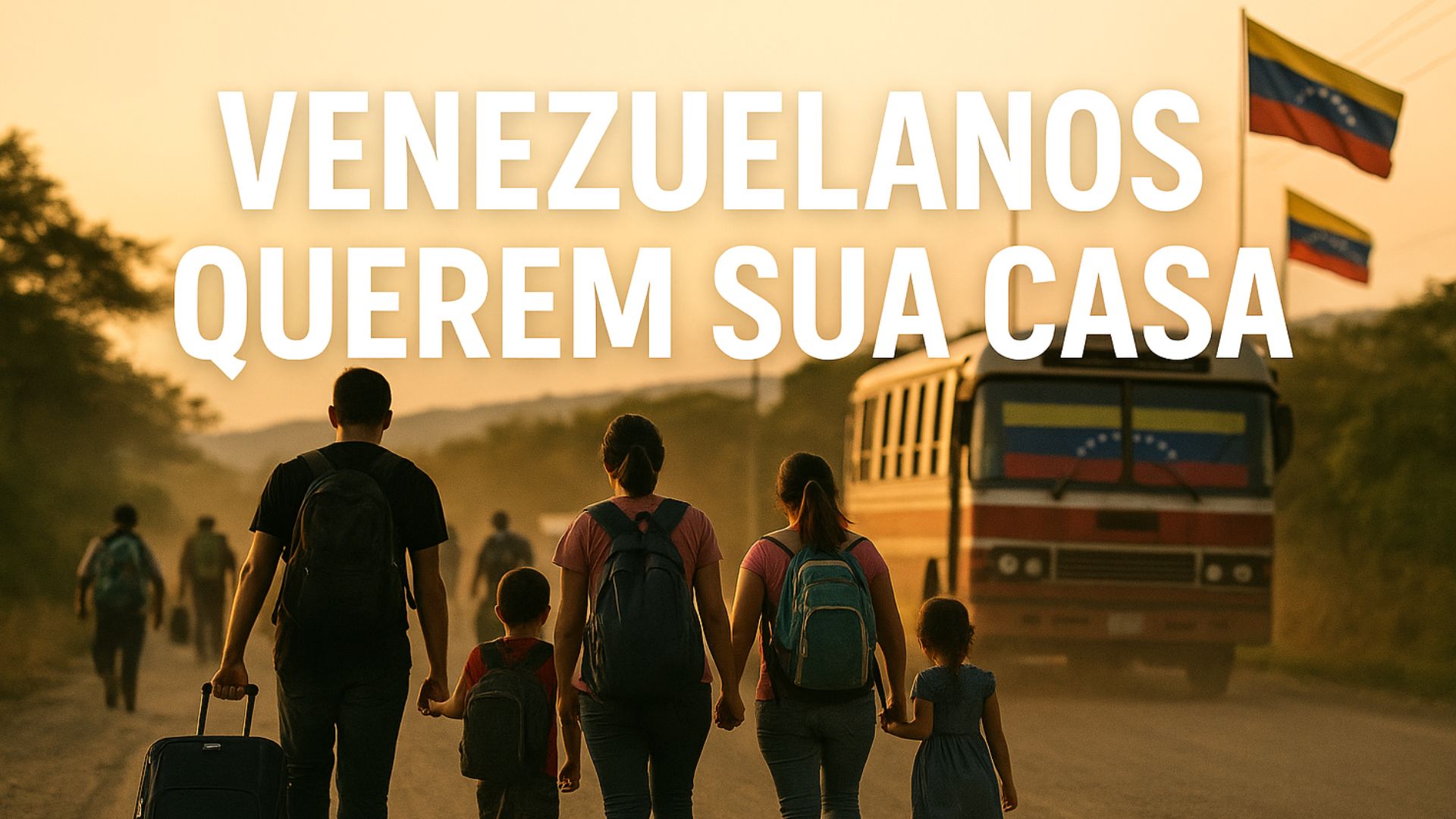
Harsher Migration Policies, Fear of Deportation, and Homesickness Are Leading Thousands of Venezuelans to Make the Trip Back in an Unprecedented Return Movement After Years of Mass Fleeing.
The advance of stricter migration policies in the United States, the increase in episodes of xenophobia, and the prolonged distance from family members have led some Venezuelans to make the trip back.
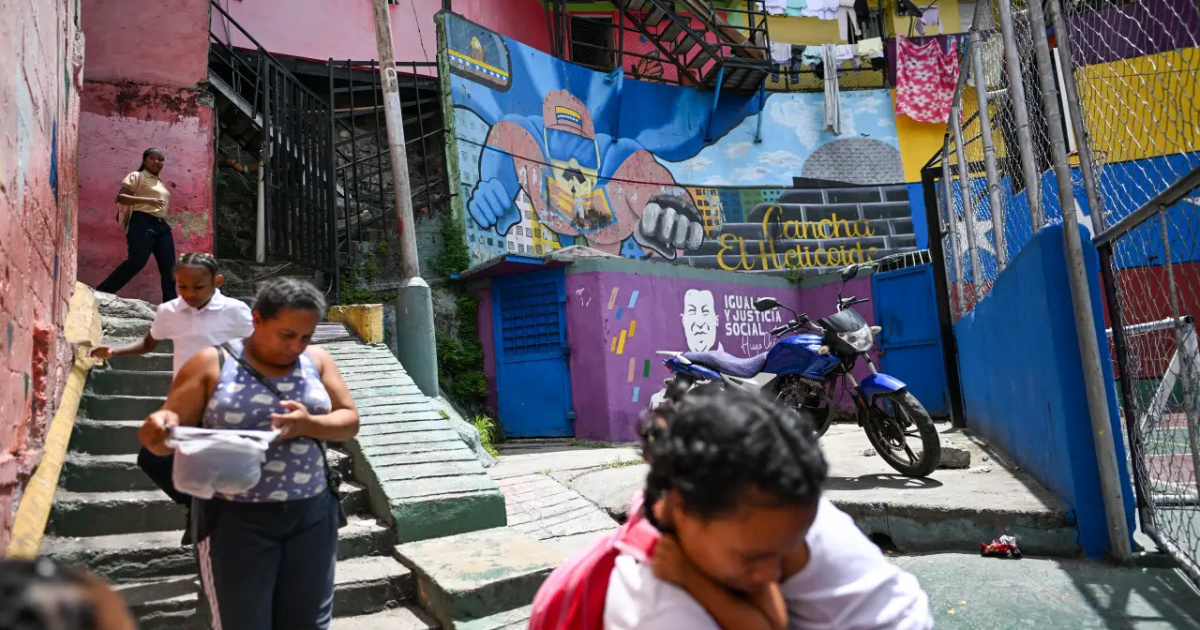
After years away, many are interrupting their migration projects and returning to Venezuela, in a “reverse route” fueled by both deportation measures and emotional exhaustion from living away from home.
In September, authorities from Colombia, Panama, and Costa Rica counted more than 14,000 people — most of them Venezuelans — giving up on the U.S. destination and heading south.
-
A 68-year-old pizza delivery driver went off route to buy a soda that was missing from a visually impaired customer’s order, refused an extra tip, and now Dan Simpson has over R$ 546,000 in donations from people around the world who want to ensure he can retire peacefully on April 30.
-
Amateur archaeologists were searching a forest in Poland with metal detectors when they found a ceramic pot buried for over 1,500 years. Inside was a pure gold necklace weighing 222 grams, folded to fit in the vessel, and when experts examined the piece, they discovered it was the first Gothic torque ever found in Polish territory.

-
Millions of people have been eating pomegranates for centuries without knowing that this ancient fruit contains punicalagins, which scientists are studying for their possible effects on memory and vascular health.

-
Argentina patrols the South Atlantic with ships built in France and monitors over 1.1 million km² with 87 m OPVs, a range of 7,500 miles, 360° radar, and a 30 mm cannon against illegal fishing in the 200-mile zone.
The Diaspora and the Numbers of the Venezuelan Exodus
Since 2015, the Venezuelan diaspora has reached historical dimensions.
Estimates from the United Nations indicate that nearly 7.9 million people have left the country, with the outflow still prevailing, despite occasional returns.
The volume keeps the Venezuelan crisis among the largest human displacements in recent history.
U.S. Migration Policies Tighten in 2025
The U.S. migration policy underwent decisive changes in 2025.
In October, the Supreme Court allowed the Trump administration to end the TPS (Temporary Protected Status) for hundreds of thousands of Venezuelans, reversing previous decisions that had blocked the measure.
In practice, the suspension of the benefit removes work authorization and protection from deportation for those who had been supported since 2021.
Still in the first half of the year, deportations and detentions intensified, with records of peaks of people in ICE custody.
The tightening included repatriation flights to Caracas, reactivated after bilateral negotiations.
The reopening of these routes gave momentum to removals, in a context where the government began to prioritize broader enforcement actions and expedited removal of immigrants.
Climate of Hostility and Increasing Fear
The feeling of a hostile environment also weighs heavily.
Migrants report frequent encounters and fear of operations that may lead to arrest and deportation.
The Venezuelan Santi Añez stated he chose to “self-deport” to preserve a potential possibility of legal return in the future, avoiding, according to him, the stress of being detained and prevented from coming back.
The story echoes testimonies collected by Bloomberg from those who, faced with uncertainty, preferred to pack their bags back to Maracay, Caracas, or other cities.
The Reverse Route: Coyotes and Return Passages
The crossing south has taken on unexpected paths.
Instead of hiring coyotes to cross the border into the U.S., some migrants have started paying the same network of smugglers for the reverse journey, leaving cities like El Paso towards Ciudad Juárez and, from there, heading to other countries.
An intermediary reported charging US$ 2,500 per person for this “return” trip, indicating how much the demand for exits has increased with the migration crackdown.
Stories of Return and the Weight of Loneliness
Deportation flights and mass expulsion policies are combined with personal stories of isolation and fatigue.
“It was a very lonely life,” said the 24-year-old Eduardo Rincón to Bloomberg, who lived in Miami, worked at a hotel front desk, and sent part of his salary to support his mother in Venezuela.
After the Department of Homeland Security informed the revocation of his family’s parole status, the prospect of deportation led them to decide on a joint return.
“We decided to stick together and go back,” he reported.
Today, in Caracas, he earns less and admits the constant doubt between providing for himself and being with his loved ones.
“It seems we are doomed to choose between a better economic life, but without family and friends, and a poorer life, but surrounded by loved ones,” he summarized.
Mass Deportations and a New Wave of Exits
Recent statistics help clarify the shift.
In 2025, reports and official data point to over 13,000 Venezuelans expelled from the U.S. throughout the year, via regular flights and biweekly operations, alongside an increase in the number of people detained awaiting removal.
While the totals vary depending on the source and the time frame, the scenario indicates a rising cycle of removals and a tighter space for residence, even for those who previously had temporary protections.
Returning Via the Darién Route
In the subcontinent, authorities are registering the reverse flow.
September 2025 data from governments along the Darién route confirm the “reverse migration,” with buses and boats taking families back through Panama and the Colombian coast.
In several cases, the return is improvised, without robust institutional support, exposing vulnerabilities in areas controlled by armed groups, as warned by international agencies.
There are also those who return on flights supported by official repatriation programs.
Venezuela has reported successive landings at Maiquetía airport since the beginning of the year, either due to deportations from the U.S. or organized voluntary return.
However, these movements do not imply full absorption into the local job market, and experts remind us that political repression and internal economic limitations persist, impacting any attempts at reintegration.
Between Hope and Uncertainty
Another factor cited by migrants is the perception of some improvement in prices and product availability in Venezuelan cities, although far from a stable framework.
Even among those who see occasional signs of recovery, the fear of arrests, hostility, and regulatory uncertainties remains if they stay in the U.S.
The combination of legal risk and emotional fatigue helps explain why some who arrived in the North now insist on returning, even if it involves new expenses, long journeys, and dangers.
In the background, the institutional crisis post-2024 election continues, when the National Electoral Council declared Nicolás Maduro the winner and international bodies questioned the transparency of the process.
Human rights reports describe repression against opponents and the persistence of violations, a situation that pushes many to continue trying to leave — and, paradoxically, also fuels the returns of those who could not remain outside.
Amidst nostalgia, fear, and bureaucracy, the question that each family tries to answer is simple yet harsh: to what extent is it worth insisting on staying abroad when the emotional cost and risk of deportation only increase?








Seja o primeiro a reagir!