





 Portuguese
  English
  Spanish
  4 min of reading
  7 comments


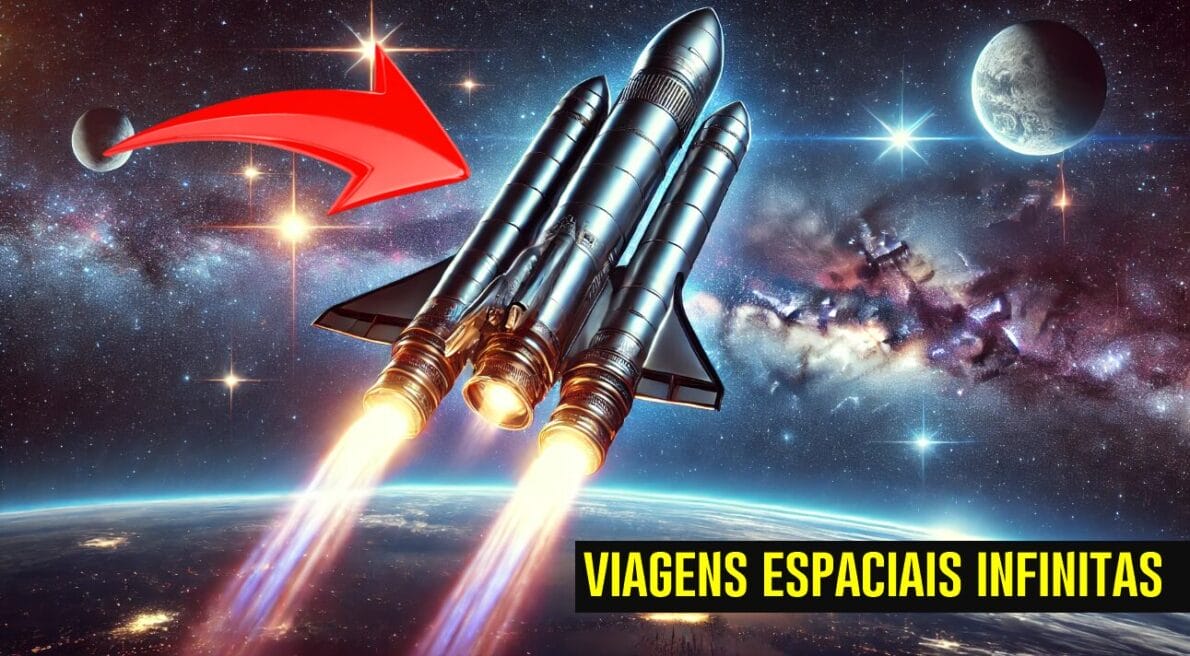

The University of Southampton Tests a Rocket Propulsion System That Allows Collecting Metals from Comets and Moons to Propel Spaceships Indefinitely
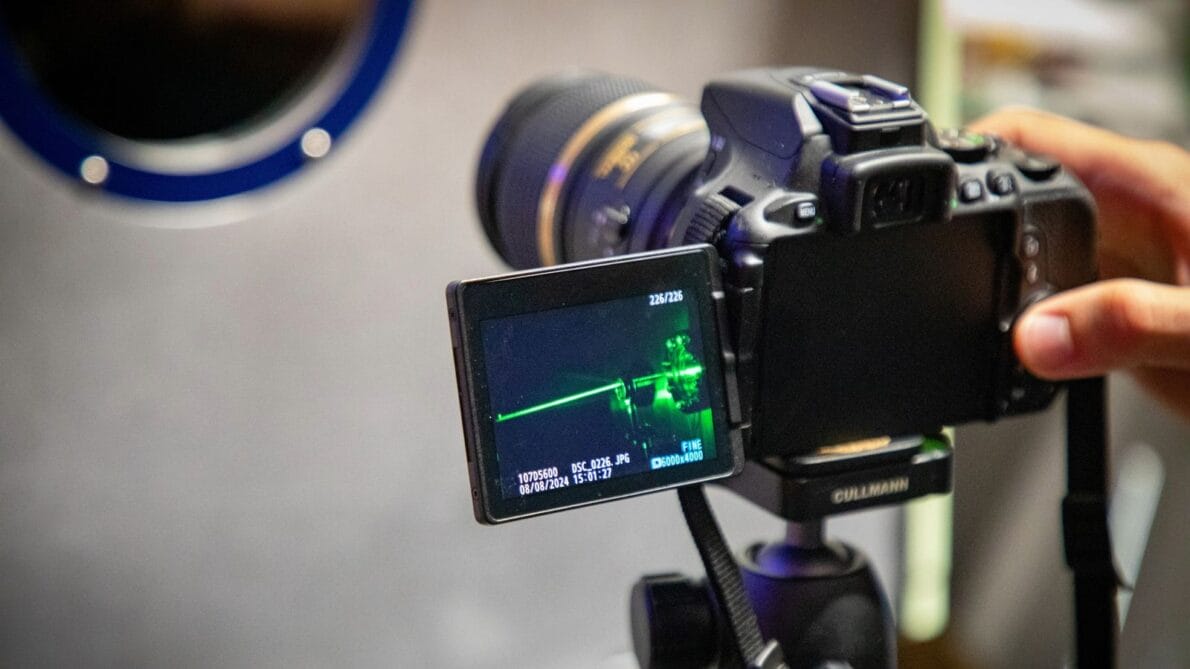
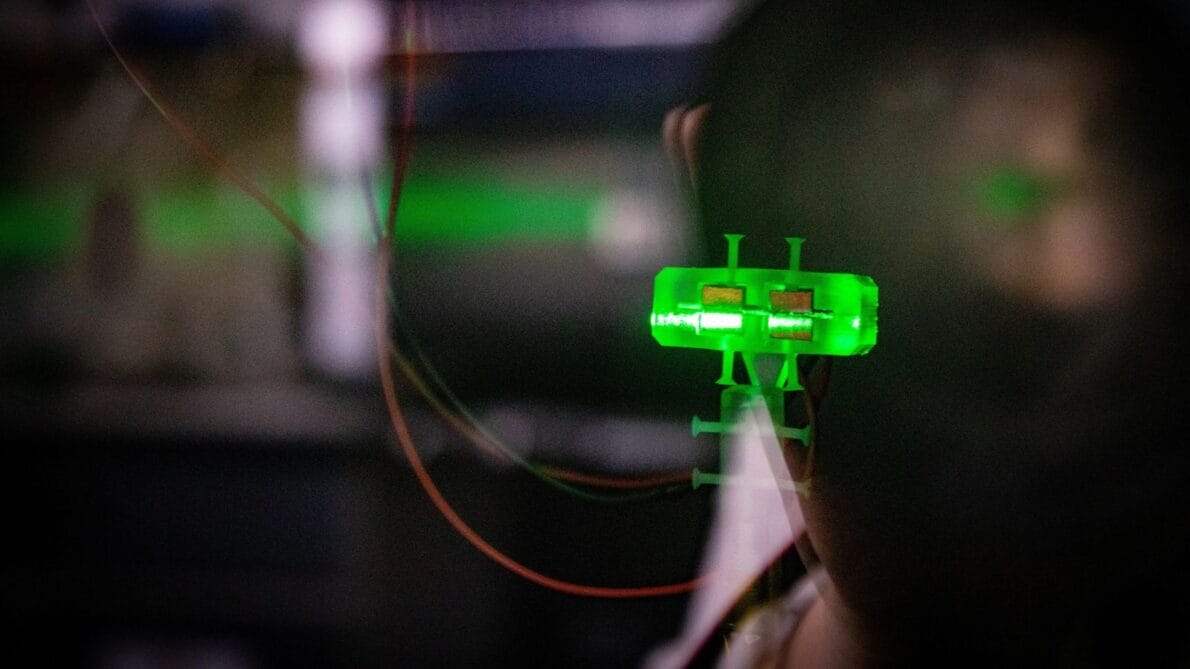
Scientists at the University of Southampton are developing a technology that could revolutionize space travel: rocket thrusters powered by metal. Yes, common metals that could take spaceships to regions never reached before.
The research, led by Dr. Minkwan Kim, is in the testing phase and promises to challenge the limits of what we know about space propulsion.
Unlike conventional systems that use rare gases, such as krypton or xenon, to propel satellites and other craft, this new system uses any metal that can be burned, such as iron, aluminum, or copper.
-
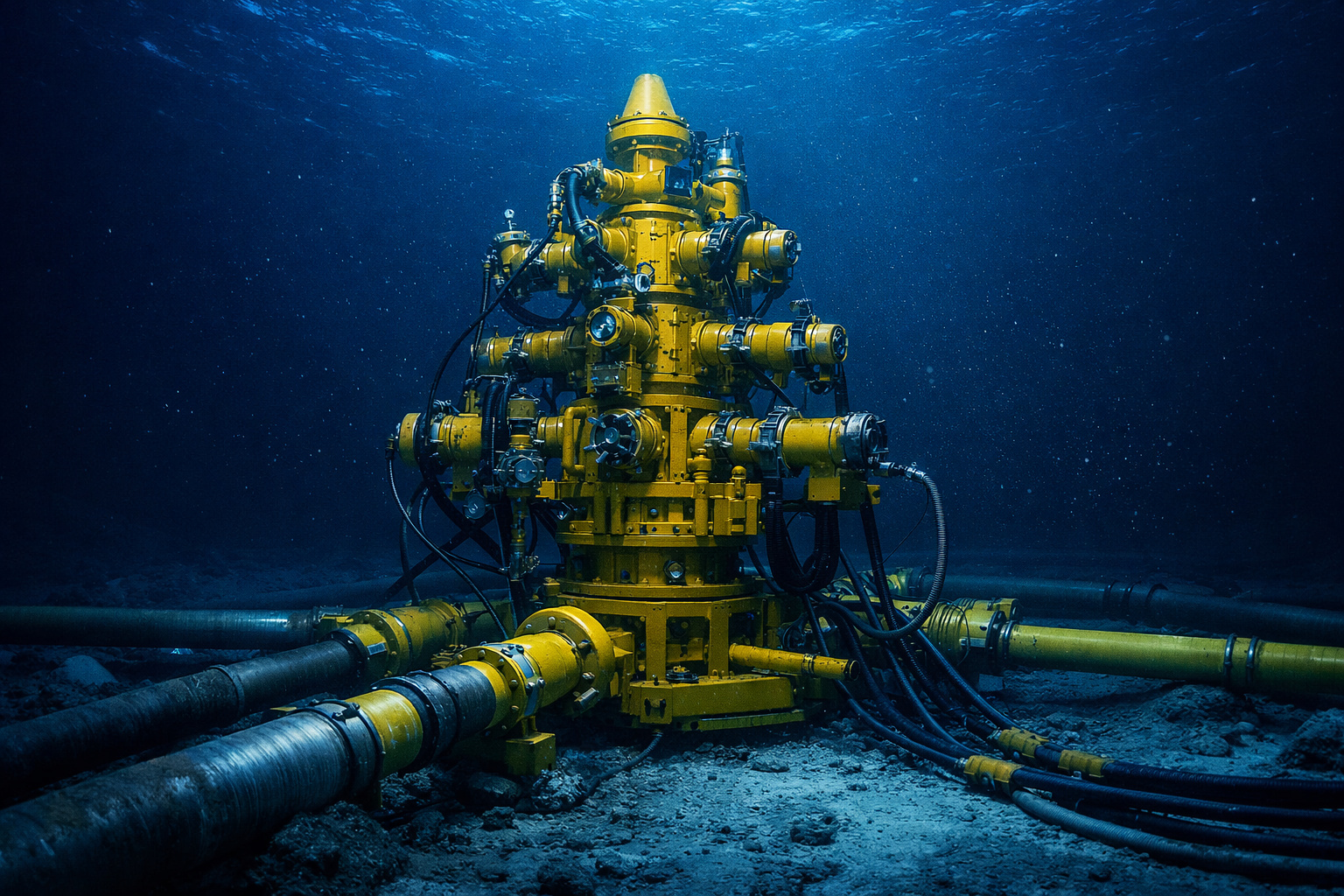
Giant structures on the seabed precisely control oil and reveal how high-tech underwater valves work.
-
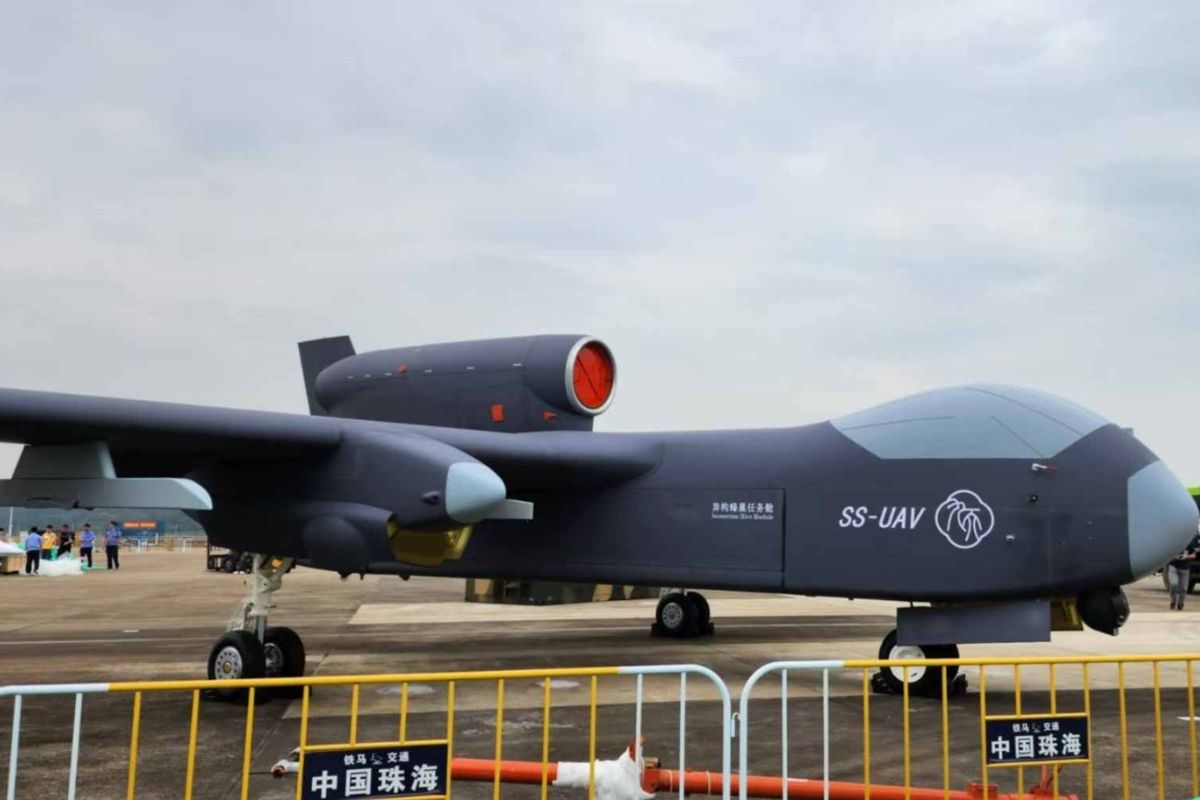
China has just tested a giant drone the size of a fighter jet with a wingspan of 25 meters that carries 6 tons, flies for 12 hours, and the most frightening part: it can launch entire swarms of smaller drones directly from the air.
-
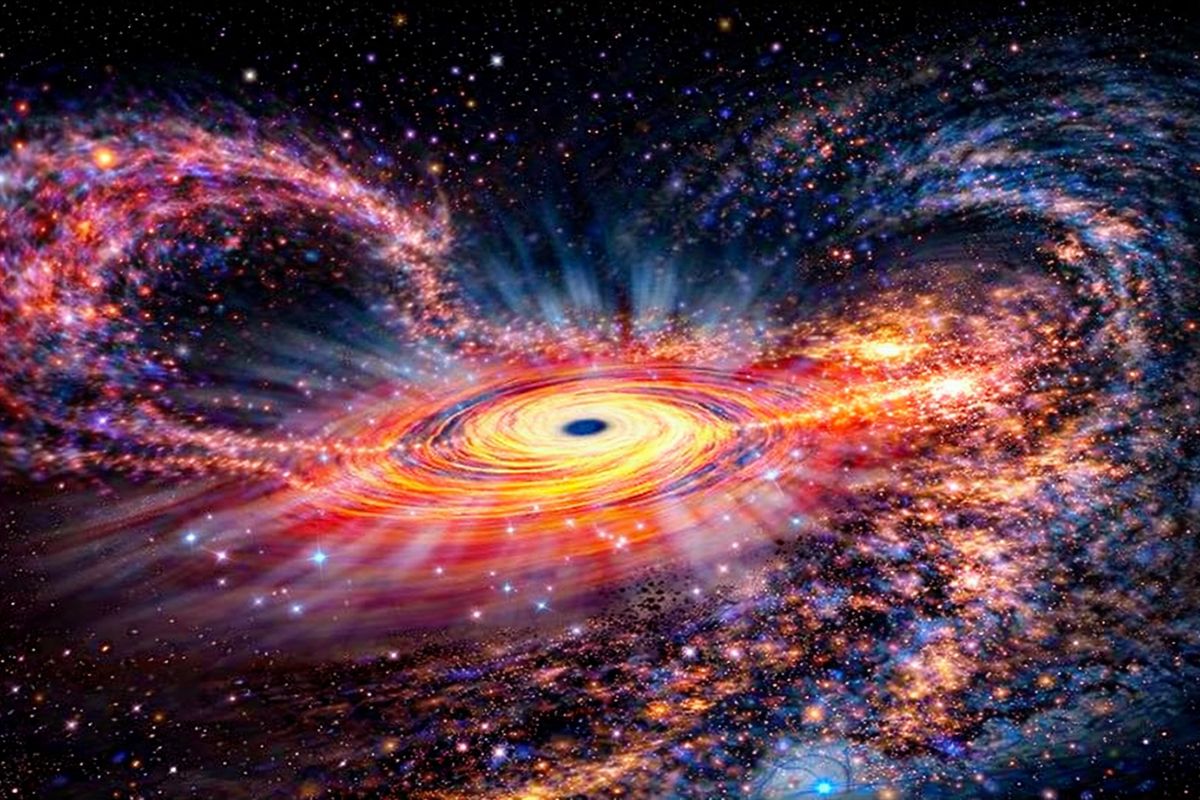
In the center of the Milky Way, there is a sleeping monster with a mass of 4 million suns, and NASA has already set the date for its awakening: in 2 billion years, a neighboring galaxy will collide with ours and feed it with fresh gas.
-
The Earth has just broken a record that almost no one noticed: the planet is retaining more heat than ever, and the UN warns that this invisible “thermal debt” could trigger heatwaves, storms, and coastal flooding for centuries.


The idea is that, in the future, spaceships could collect metals directly from asteroids or moons, turning these celestial bodies into true refueling stations.
This innovative approach not only eliminates the need to transport large amounts of fuel from Earth but also opens the door for continuous and expansive exploration of the cosmos.
“Spaceships have limited amounts of fuel due to the high cost and energy needed to launch them into space,” explains Dr. Kim. “With this new system, the ship could refuel with metals available in space, allowing for nonstop travel.”
Exploring Space Resources
Metal mining in space for use in spaceships is not just a theoretical idea. Asteroids and moons are full of valuable resources, such as iron, nickel, platinum, and even gold.
These precious metals are rare on Earth and costly to extract, but abundant in space, making them usable for spacecraft. Platinum group metals, for example, are highly sought after due to their use in electronics, catalysts, and renewable energy technologies.
Furthermore, other minerals like olivine and pyroxene, also found in asteroids, could be used in the metal-powered propulsion system.
This availability of resources allows us to envision a future where rockets could refuel during the journey, making deep space exploration more viable than ever.
Super Magdrive
The development of this metal-powered thruster is being done in collaboration with the British company Magdrive. Named Super Magdrive, the system represents a significant advancement in space propulsion technology.
If the tests are successful, the Super Magdrive could redefine our relationship with the cosmos, enabling longer and more distant missions to become a reality.
Dr. Kim, who has previously worked on plasma propulsion projects for the SpaceX Falcon 9 rocket, believes this technology could be a game changer. “This system could help us explore new planets and, who knows, even find forms of life,” he says. “It’s the kind of innovation that could take us where no human has ever been, allowing for endless discoveries.”
Implications for the Future of Space Exploration with New Rockets
The possibility of metal-powered interstellar travel is not only revolutionary from a technical standpoint but also represents a fundamental shift in our understanding of the universe.
Instead of carrying enough fuel for a round trip, a spacecraft equipped with the Super Magdrive could simply stop at an asteroid and refuel. This means that long-term missions could be planned without the constant concern for fuel.
Moreover, the idea of space mining to sustain missions opens a range of commercial opportunities.
With the development of extraction and refining technologies for metals in space, it is possible that, in the not-so-distant future, specialized companies could begin operating refueling stations at strategic points in the solar system.
The Role of Science Fiction
Science fiction has long explored the idea of space exploration using advanced technologies, inspiring scientists and engineers to turn dreams into reality.
Projects like the Super Magdrive show how the line between fiction and reality can become thin. The idea of using metals as fuel is something that could very well have come from a book by Isaac Asimov or Arthur C. Clarke, but now, it seems we are getting closer to seeing these stories become part of our reality.
As we prepare for a new era of exploration, it is important to remember that the journey into the unknown always brings challenges and opportunities.
Metal-powered space exploration may not only broaden our horizons but also forever change the way we perceive the universe and our place in it.
Fiction and Reality with the Spaceships of the Future

As research advances and the technology of the Super Magdrive approaches practical application, we can only wait to see where this innovation will take us.
The implications are vast and could transform our approach to space exploration, making possible an odyssey that goes beyond the limits imposed by the need for fuel.
This revolutionary technology could be the next great leap in space exploration, bringing us closer to our greatest adventures among the stars. For Dr. Kim and his team, the sky is no longer the limit, but just the beginning.
Space, which once seemed an unreachable dream, is now coming closer, promising a future where humans can go further and further, guided by the light of the stars and propelled by the force of the metals that make up the universe.




Se pretendem levar humanos nessas viagens, como serão obtidos os alimentos, água, remédios, proteção contra radiação….
Qual a velocidade que uma atingiria com essa tecnologia?
Vejo como uma tecnologia paliativa, a verdadeira revolução será com a propulsão nuclear (fusão).
O helio-3 (visto como o combustível ideal para s fusão nuclear) é abundante no espaço.
Hidrogênio (água , também é um ótimo combustível, e se encontra em asteroides , planetas , luas).
Resta s tecnologia avançar ..quem sabe em 2100..rs.