





 Portuguese
  English
  Spanish
  4 min of reading
  0 comments


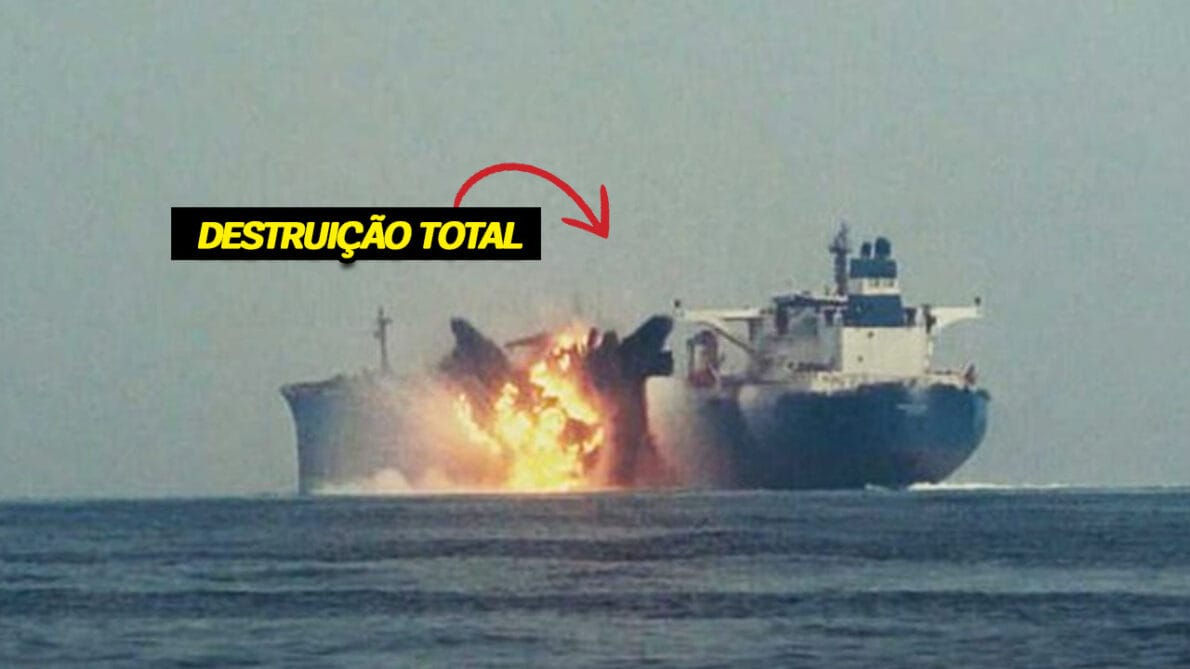
Attack on Oil Tanker in the Red Sea, Carried Out by an Uncrewed Vessel Controlled by the Houthis, Raises Concerns About Maritime Route Security.
The Red Sea, a stage for intense disputes and conflicts for years, has once again become the center of a concerning attack.
A Panamanian oil tanker was targeted by an uncrewed vessel in an incident that highlights the rising geopolitical tensions in the region.
On October 1, 2024, the Panamanian-flagged M/T Cordelia Moon was attacked by an uncrewed surface vessel (USV) while navigating the southern Red Sea, near the coast of Yemen.
-
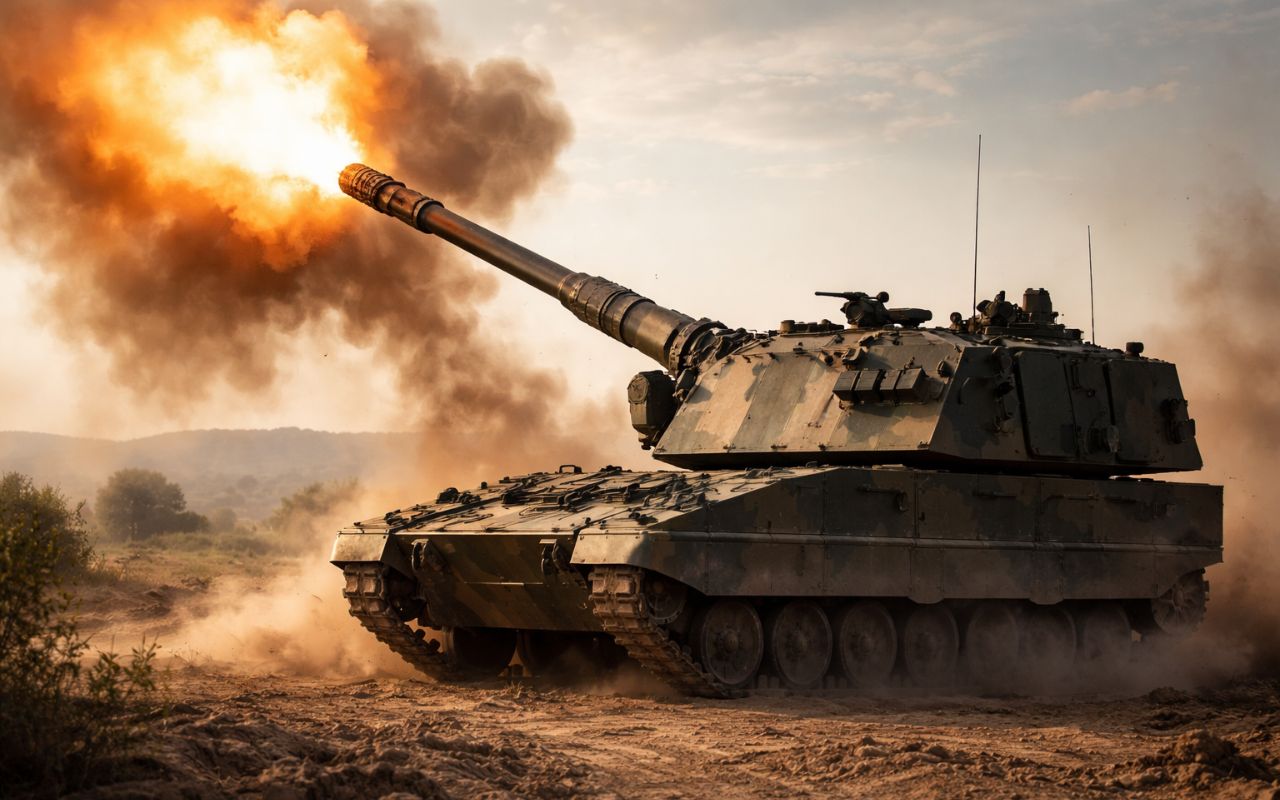
The German “steel monster” weighing 55 tons fires up to 10 projectiles per minute at over 40 km and avoids counterattacks on the battlefield by moving quickly to escape enemy attacks; meet the Panzerhaubitze 2000.
-
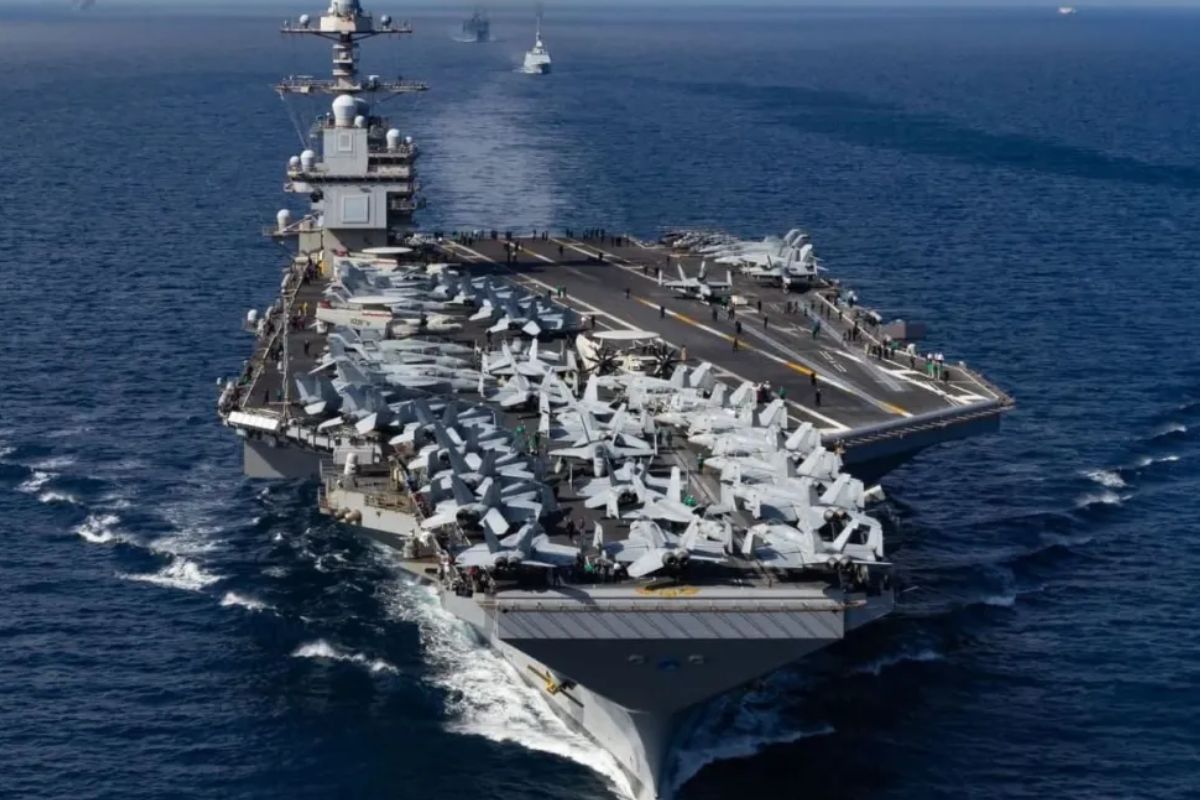
USS Gerald R. Ford, the largest aircraft carrier in the world, returns to sea after a fire in the laundry in the Red Sea; repaired in Crete, it resumes missions of Operation Epic Fury against Iran.
-
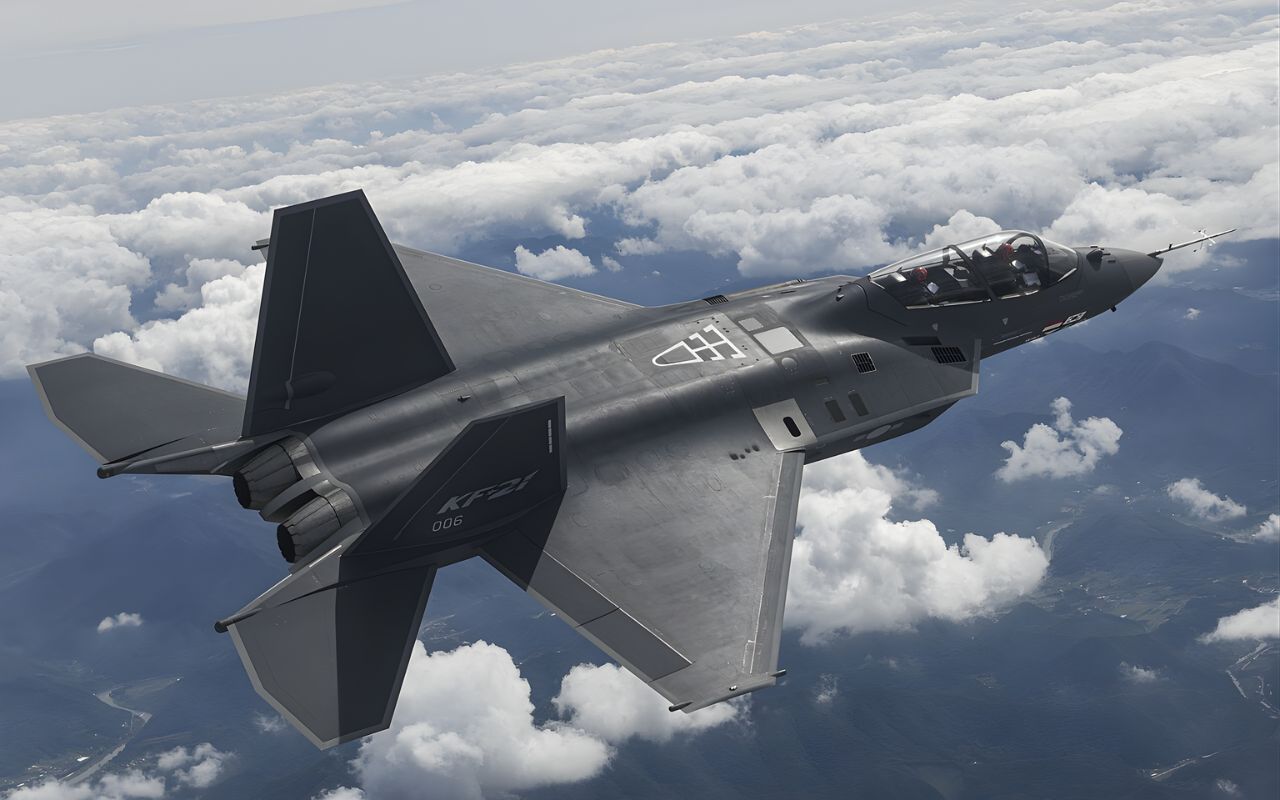
Military power: South Korea’s new KF-21 fighter jet will be a key component in replacing the aging aircraft of the air force, placing the country on the map of air military powers.
-
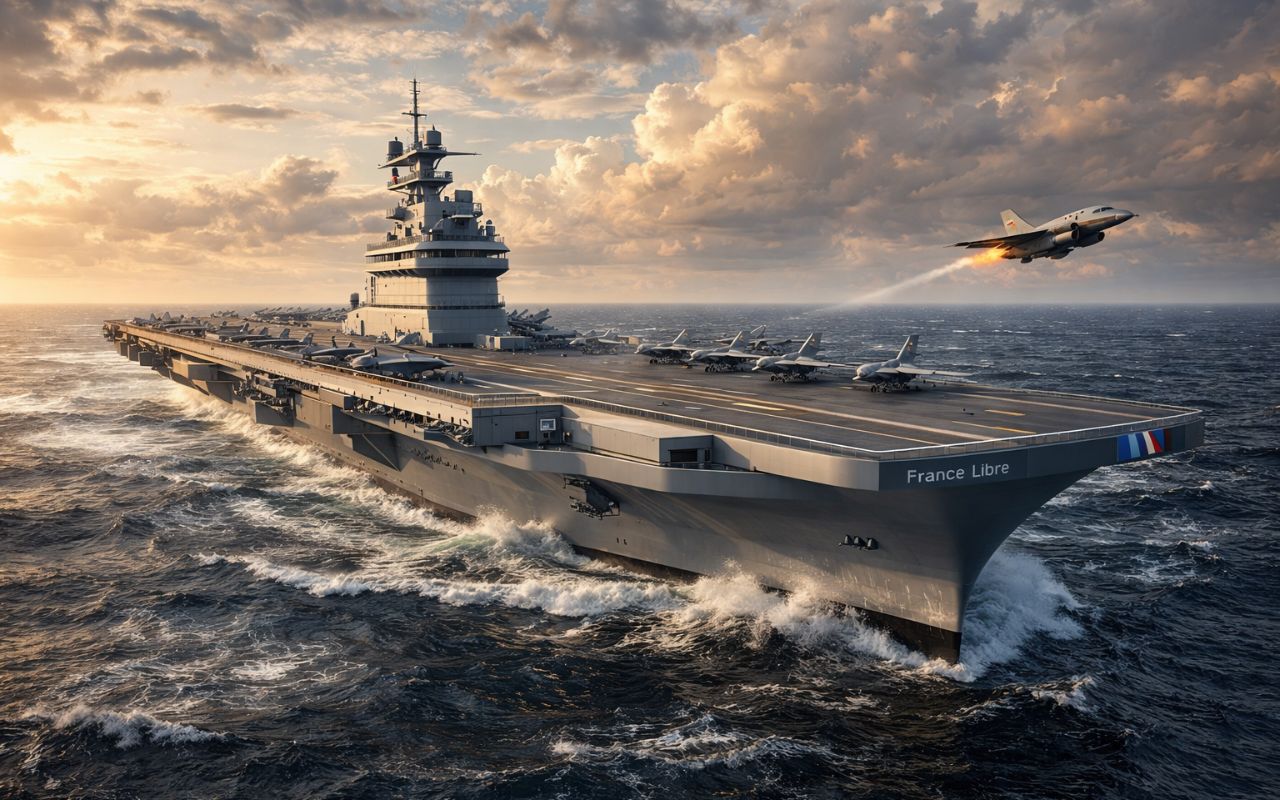
With 310 meters, 80 thousand tons, and capable of operating for 45 years, the new nuclear aircraft carrier France Libre will be the largest in France and will enter service in 2038.
According to information from the Joint Maritime Information Center (JMIC), the attack was part of a series of incidents involving multiple projectiles and culminated in the direct impact of the USV against the left side of the vessel.
The ship was in ballast condition, meaning it was empty, which fortunately prevented greater environmental damage.
The Attack In Detail
The tanker was attacked at different times throughout the night, as reported by the ship’s captain.
The attacks occurred sequentially, suggesting an organized and well-planned operation by the assailants, who were identified as members of the Houthis, a Yemeni rebel group supported by Iran.
The first strike was recorded at 01:50 UTC, when three projectiles fell close to the vessel’s port bow. About an hour later, another projectile hit the area approximately 100 meters from the stern.
At 05:00 UTC, the final blow occurred with the impact of an uncrewed vessel on the port side, causing direct damage to the hull.
Videos released by the Houthis show the exact moment of the attack and made it clear that the group carefully planned the operation, using a combination of missiles and unmanned vehicle technology to damage the tanker.
A Target Amid Growing Tensions
According to JMIC, the M/T Cordelia Moon was likely targeted due to its business associations, which involve stops and operations at Israeli ports, a country considered an enemy by the Houthis.
This action was one of many that occurred in recent months, highlighting a concerning escalation in attacks on civilian vessels in the region.
The threat assessment made by JMIC reinforces that ships linked to Israel, the United States, and the United Kingdom run greater risks of being targets of Houthi rebel attacks. Although the Cordelia Moon was empty at the time, which prevented a greater disaster, the attack cannot be seen as an isolated incident.
Maritime Security At Risk
The insecurity in the waters of the Red Sea reflects the tensions that have plagued the region for years. With Iran’s support, the Houthis are becoming a more organized and dangerous force.
Their actions directly impact maritime trade, as the Red Sea is a crucial route for the transport of oil and goods between the Middle East and Europe.
In recent months, the increase in violence directed at commercial vessels, especially those associated with Western and Israeli countries or companies, has raised global concerns about navigation security.
Experts believe that this escalation of attacks may continue, especially if there is no strong diplomatic action from the nations involved in the conflict.
According to industry experts, the situation in the Red Sea is deteriorating rapidly, with a growing number of attacks on civilian ships.
The alliance between the Houthis and Iran increases the conflict’s complexity, as Iran is also in constant tension with powers like the United States and Israel.
Thus, each attack on vessels with any ties to those countries represents another chapter in the extensive rivalry between the parties involved.
The Geopolitical Impact
The attack on the M/T Cordelia Moon also raises an alert for diplomatic relations in the region.
The Red Sea, which serves as an important corridor for global oil transport, is increasingly becoming a risk zone, with the potential to drive up global oil prices further and destabilize maritime trade.
Although the Cordelia Moon survived the attack, the event reinforces the need for greater naval protection and a coordinated international response.
With the escalation of conflicts in Yemen, the safety of vessels transiting the region may be at stake, and governments around the world need to discuss solutions to ensure that incidents like this do not become more frequent.
What Does the Future Hold?
Although assistance was not required for the Cordelia Moon after the attack, the episode cannot be ignored.
The crew emerged unscathed, but the future scenario for maritime trade in the region is uncertain. The routes in the Red Sea are already under constant surveillance, and the increase in attacks may lead to a stronger military response from the nations involved.
With the escalation of tensions in the Red Sea, how long will ships remain safe?








Seja o primeiro a reagir!