





 Portuguese
  English
  Spanish
  3 min of reading


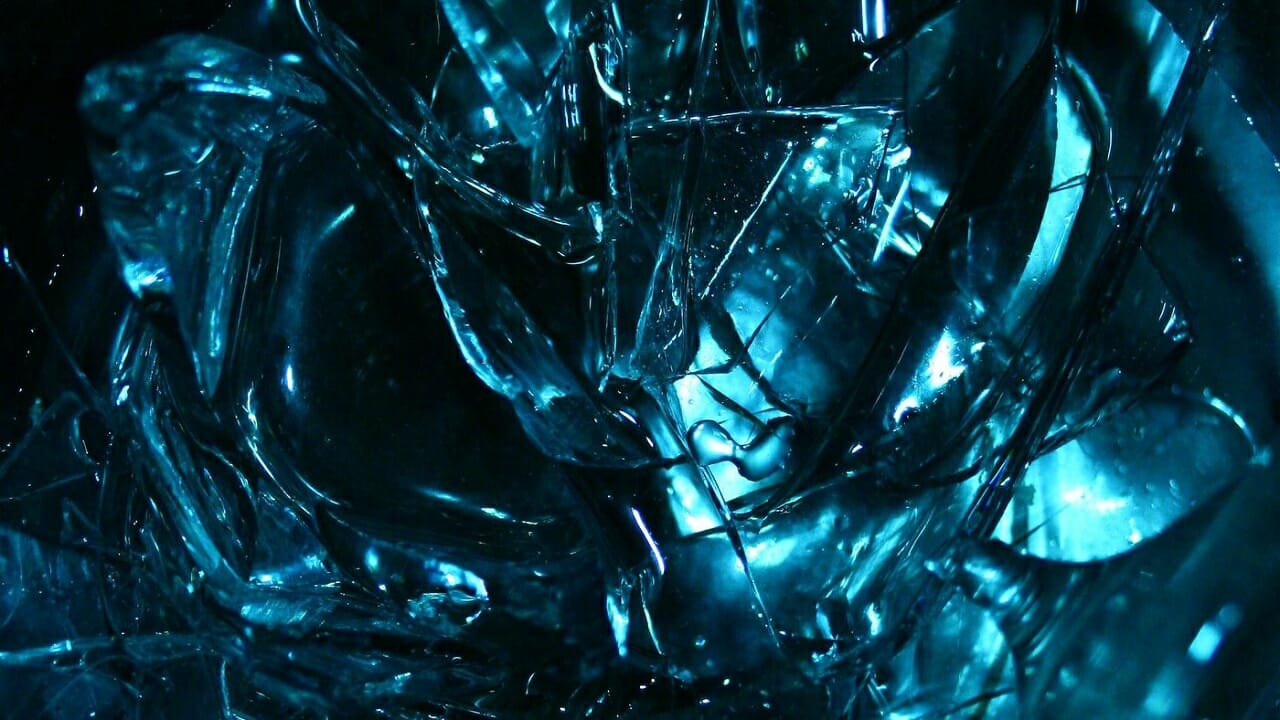
Pennsylvania Scientists Develop New Type of Glass Capable of Reducing Pollutant Gas Emissions. The Product Is Also More Durable and Cheaper Than Regular Glass.
Scientists have revealed a new type of glass, called LionGlass, named after the mascot of Pennsylvania State University, which is 10 times more resistant to breaks and cracks. In addition, the new glass has a manufacturing process that uses only half the energy of conventional processes, focusing on making sustainable glass production in the long term.
Scientists Reduce Melting Temperatures for the Production of the New Glass
The most commonly used everyday glass, known as soda-lime glass, is produced from melting quartz sand, sodium carbonate (Na2CO3), and calcium carbonate (CaCO3), releasing CO2 during the melting process. However, much of the CO2 emissions in the glass industry are generated by the high energy required to heat furnaces to high melting temperatures, reaching approximately 1,600 ºC.
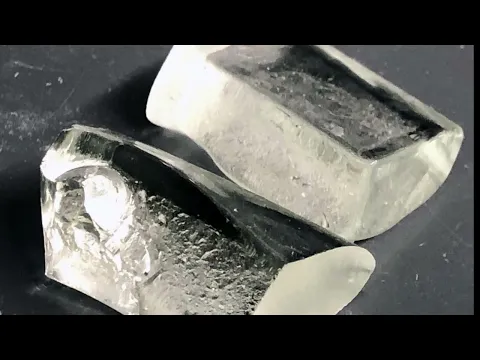

For the production of the new glass, the scientists reduced the melting temperatures by approximately 300 to 400 degrees Celsius, resulting in a notable reduction of about 30% in energy consumption compared to conventional glass.
-
What if the Sun disappeared suddenly? Simulation shows Earth in darkness within minutes, extreme cold, and rapid collapse of life on the planet.

-
A 2,400-year-old iron foundry has been discovered in Senegal with 100 tons of slag, 35 furnace bases, and signs of nearly eight centuries of continuous metallurgical activity.

-
Four humans are flying towards the Moon inside the Orion capsule launched by the SLS rocket, and on April 6, Artemis II will disappear behind the far side of the Moon without communication with Earth for nearly an hour.

-
Worlds covered by water, atmospheres filled with hydrogen, and the possibility of life beyond Earth: ocean planets are rewriting the map of cosmic search and forcing scientists to rethink where to look.


Due to the patenting process of the new product, details about the production process and the exact composition of LionGlass have not yet been disclosed by the research team. The new glass stands out not only for its greater sustainability and reduced production costs but also surprises researchers by demonstrating higher-than-expected resistance to cracks.
Ordinary glass typically exhibits cracks when subjected to a common load test of 0.1 kgf applied by a Vickers diamond penetrator. However, some compositions evaluated by the team can withstand up to 1 kgf without showing cracks, and this value may be even higher.
New Glass Can Be Used in Various Applications
According to researcher Nick Clark, the team continues to increase the load on LionGlass until the maximum limit allowed by the equipment is reached. Surprisingly, the product did not break.
Breakage resistance is a crucial property for glass, essential for various applications, from the automotive and electronics industries to communication technology and architecture, such as fiber optic cables. Even in the healthcare sector, strong and chemically resistant glass packaging is essential for storing vaccines.
Due to its high strength, the expectation is that LionGlass will enable the production of even stronger glass pieces, yet considerably thinner than current ones. The team is currently conducting a series of chemical tests on various compositions of lion glass to verify their long-term durability and validate their exceptional qualities.
New Inventions
In November of last year, scientists at the Indian Institute of Technology in New Delhi developed a new technology that could replace plastic and glass in the civil and automotive engineering sectors.
Transparent wood can be used in the production of car windshields, packaging, and electrical equipment. According to the researchers, this innovative material mitigates ecological impacts on the environment due to its renewable and biodegradable properties, as well as being more economical and significantly more durable than plastic and glass, considerably reducing the energy cost for its production.
According to the professor of chemical engineering and the principal author of the study, Prodyut Dhar, transparent wood as a sustainable material can effectively replace plastic and pollutant-based glasses that are harmful to the environment.









Seja o primeiro a reagir!