





 Portuguese
  English
  Spanish
  3 min of reading
  0 comments


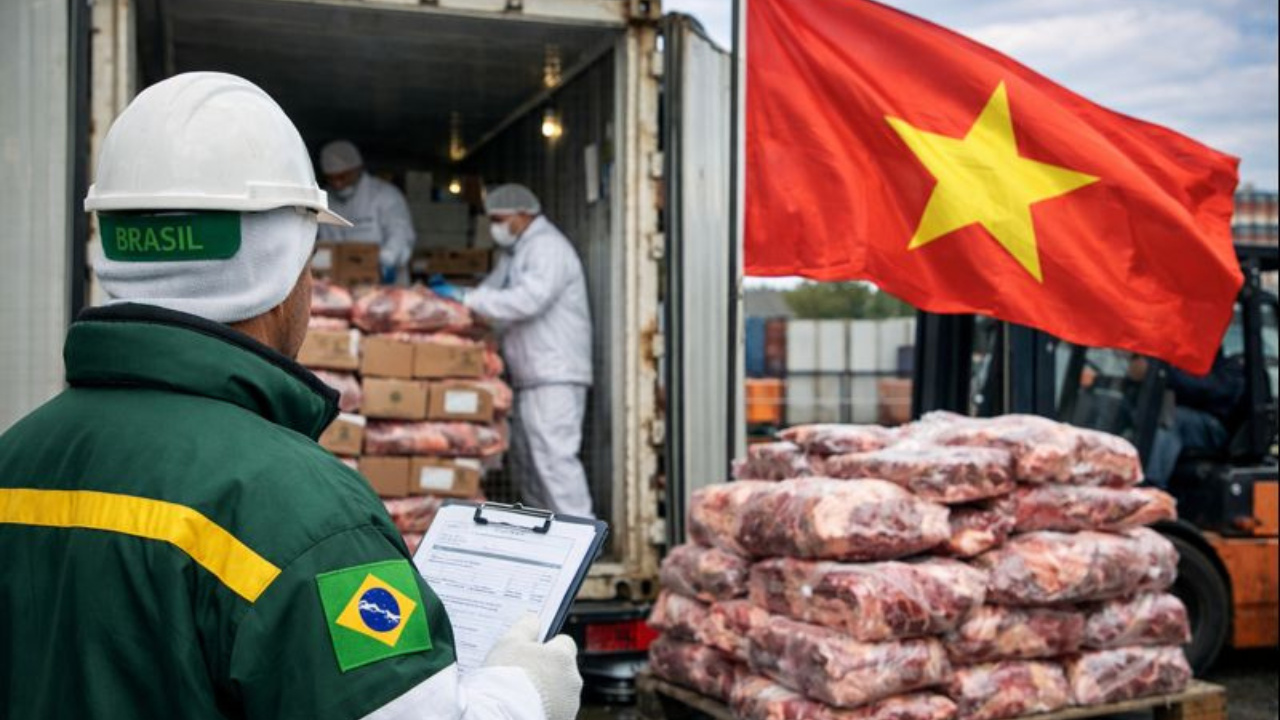
New Authorizations in Vietnam Strengthen Brazilian Beef and Expand Brazil’s Presence in the Asian Meat Market.
The export of Brazilian beef took a new strategic step this Tuesday (1/13), when Vietnam authorized four more industrial units in the country to sell meat to its market.
The decision involves Minerva plants and expands Brazil’s presence in the Asian meat market.
It reinforces the sector’s strategy to reduce dependence on sales to China, the main destination for Brazilian products.
-
Middle East War Hits Fertilizers and Transportation and May Strain Brazilian Wallets
-
Russia Considers Suspending Gas to Europe After Surge in Energy Prices
-
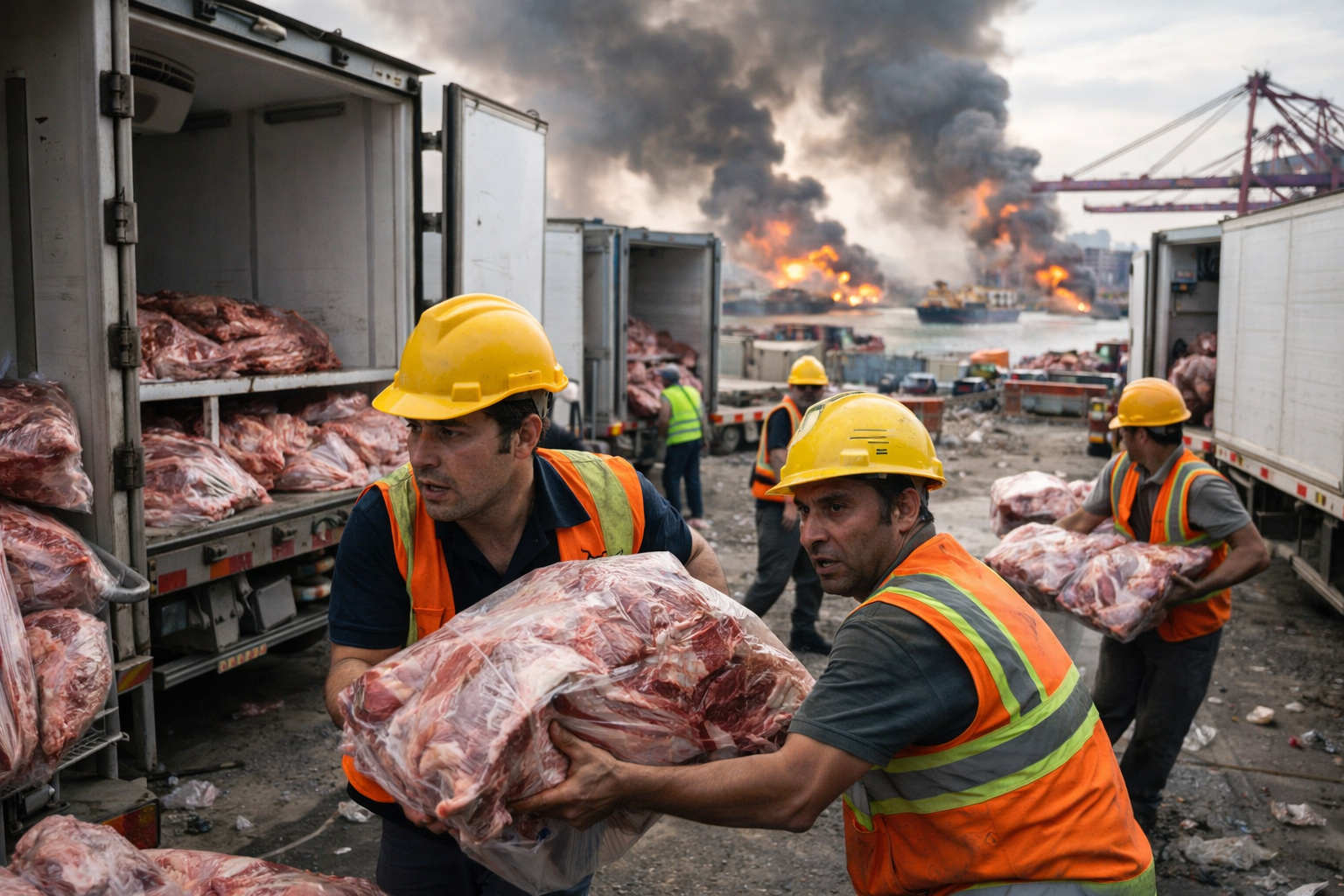
How A War Thousands of Miles From Brazil Started Disrupting Global Shipping Routes, Raising Container Costs, and Putting Up to 40% of Brazilian Beef Exports at Risk
-
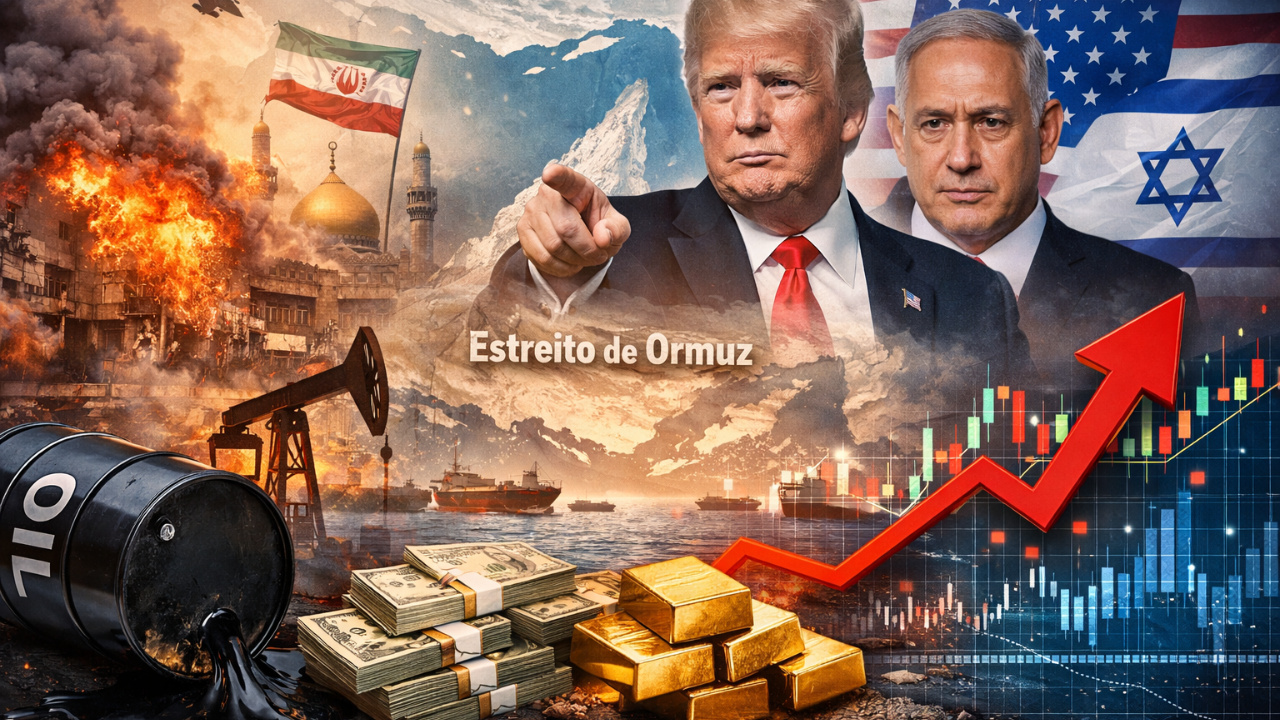
Iran-U.S. War Drives Up Oil Prices and Pressures Global Financial Markets
The authorization occurred less than a year after the official opening of the Vietnamese market to Brazilian beef in March 2025.
The move is seen as essential to diversify exports, ensure greater stability in the sector, and create commercial alternatives in light of the safeguards imposed by Beijing on product imports.
Minerva Leads New Authorizations for Vietnam
The four now authorized plants belong to Minerva and are located in Araguaína (TO), Rolim de Moura (RO), Chupinguaia (RO), and Bataguassu (MS).
Two of these units were from Fortunceres, a company recently integrated into the group, which further strengthens the company’s position in Minerva exports.
With this decision, Brazil now has eight establishments capable of selling bone-in and boneless beef to the Asian country.
Moreover, the other four already authorized plants belong to JBS and are located in the states of Goiás and Mato Grosso.
Vietnam and the Importance of the Asian Meat Market
The advancement of Vietnamese Brazilian beef occurs at a sensitive moment for the sector. China, the largest buyer of national protein, has adopted safeguard mechanisms that put pressure on prices and exported volumes.
In this context, Vietnam emerges as a strategic market, with rising consumption, a population of over 100 million, and a continuous demand for animal protein.
Additionally, the country has been expanding sanitary and commercial agreements with major global producers, increasing competition among exporters and requiring swift diplomatic negotiations.
Authorized Brazilian Slaughterhouses Still Await Approval
Despite recent progress, dozens of companies remain in line for authorization.
Moreover, in a letter sent to the Ministry of Agriculture, Abrafrigo and Abiec reinforced the need to speed up the authorization process.
“Although the government and the entire Brazilian livestock industry celebrated the opening of the Vietnamese market to Brazilian beef in March 2025, many companies are still awaiting authorization to export to that market,” said the entities.
“It is essential for the Brazilian government to engage in effective negotiations with Vietnam regarding the authorization of companies that had their questionnaires approved and forwarded to that country,” they added.
Government Bets on Diversification and Sanitary Transparency
Furthermore, in response, the Ministry of Agriculture stated that it will continue working to increase the number of authorized Brazilian slaughterhouses.
According to the ministry, the strategy involves diversifying markets, technical dialogue with foreign authorities, and strengthening the national sanitary system.
In an official statement, the ministry said that
“it will continue to act to increase the number of authorized establishments and diversify markets, always based on transparency, the robust official inspection and sanitary control system, and the quality of Brazilian products.”
Beef Exports Gain Momentum in 2026
The expansion of sales to Vietnam reinforces the perception that Brazilian beef exports are set to gain new momentum in 2026.
Especially with the consolidation of alternative markets in Southeast Asia.
For the industry, each new authorization represents not only increased revenue but also greater predictability and commercial security.
Thus, Brazilian authorized slaughterhouses continue to press for diplomatic advancements, betting that the Asian meat market will become increasingly decisive for the sector’s future.









-

-

2 pessoas reagiram a isso.