





 Portuguese
  English
  Spanish
  3 min of reading
  0 comments


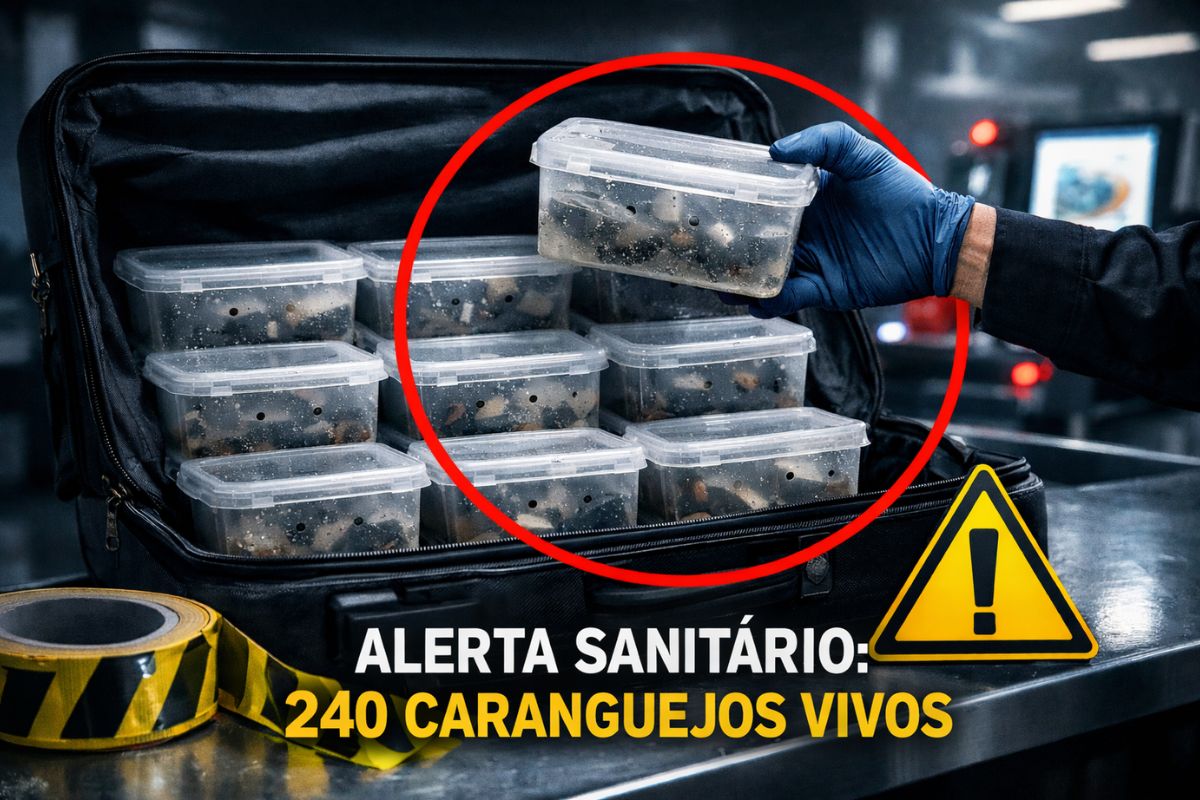
Passenger Coming From China Caught By Agricultural Surveillance With 240 Crabs In 12 Boxes At Guarulhos Airport, Load Without Authorization That Raises Suspicion Of Mitene Crab And Reignites Alerts About Sanitary, Environmental And Economic Risks To Brazil, Affecting Consumers, Aquatic Ecosystems, Productive Chains And Brazilian Agricultural Exports.
In a recent operation at Guarulhos International Airport, the International Agricultural Surveillance of the Ministry of Agriculture confiscated 240 crabs that were in the luggage of a passenger coming from China. According to the agency, the animals were divided into 12 boxes of 4.6 kilograms, with 20 units each, without any authorization to enter the country, and the exact date of the occurrence was not reported.
The initial technical assessment indicated that the species seized may be the mitene crab (Eriocheir sinensis), internationally known as hairy crab, a delicacy highly appreciated in China and other Asian markets, such as Singapore and Hong Kong. For the authorities, the episode reinforces the importance of rigorously controlling the entry of crabs and other aquatic organisms brought by passengers on international trips.
How The Crabs Were Discovered In The Luggage
According to the International Agricultural Surveillance, the 240 crabs were packed in 12 plastic boxes, each weighing approximately 4.6 kilograms and containing 20 animals per package.
-
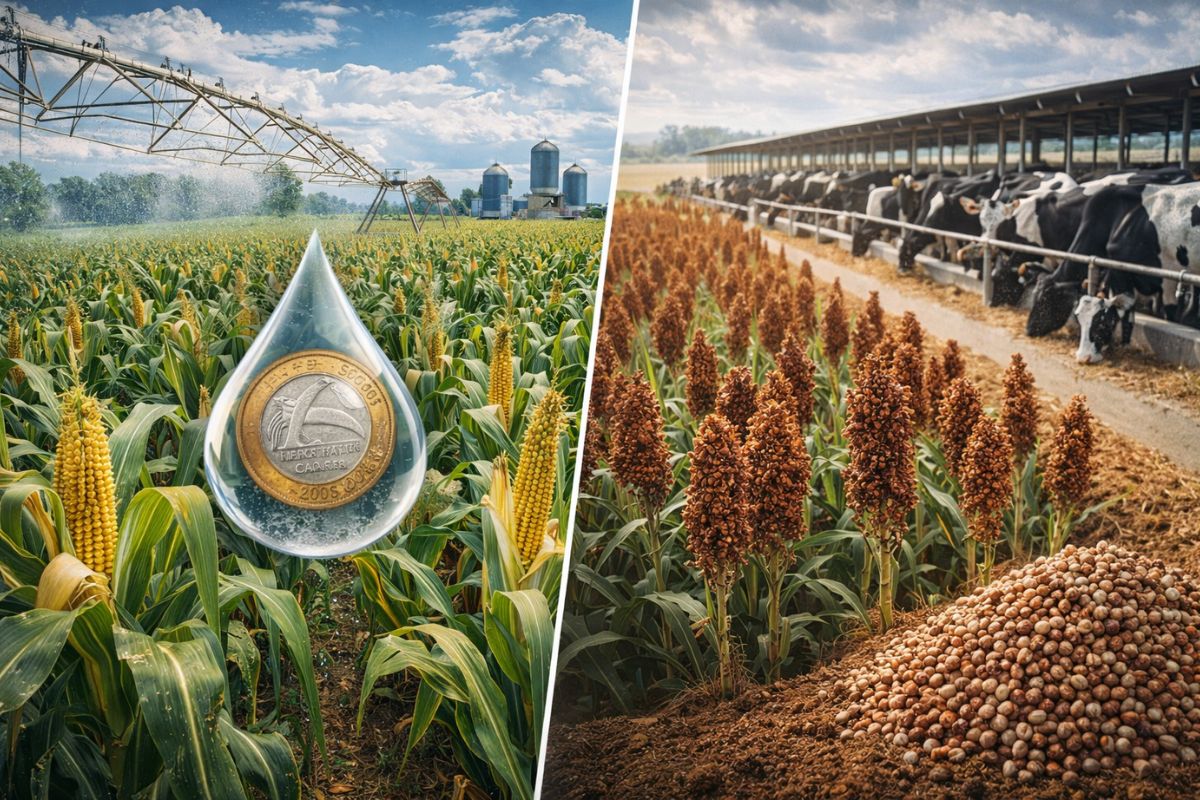
While corn requires rain and is expensive, sorghum produces almost the same volume per hectare at a cost up to 80% lower and uses less water, and it is revolutionizing dairy farming in the Triângulo Mineiro, where producers save hundreds of reais per hectare.
-
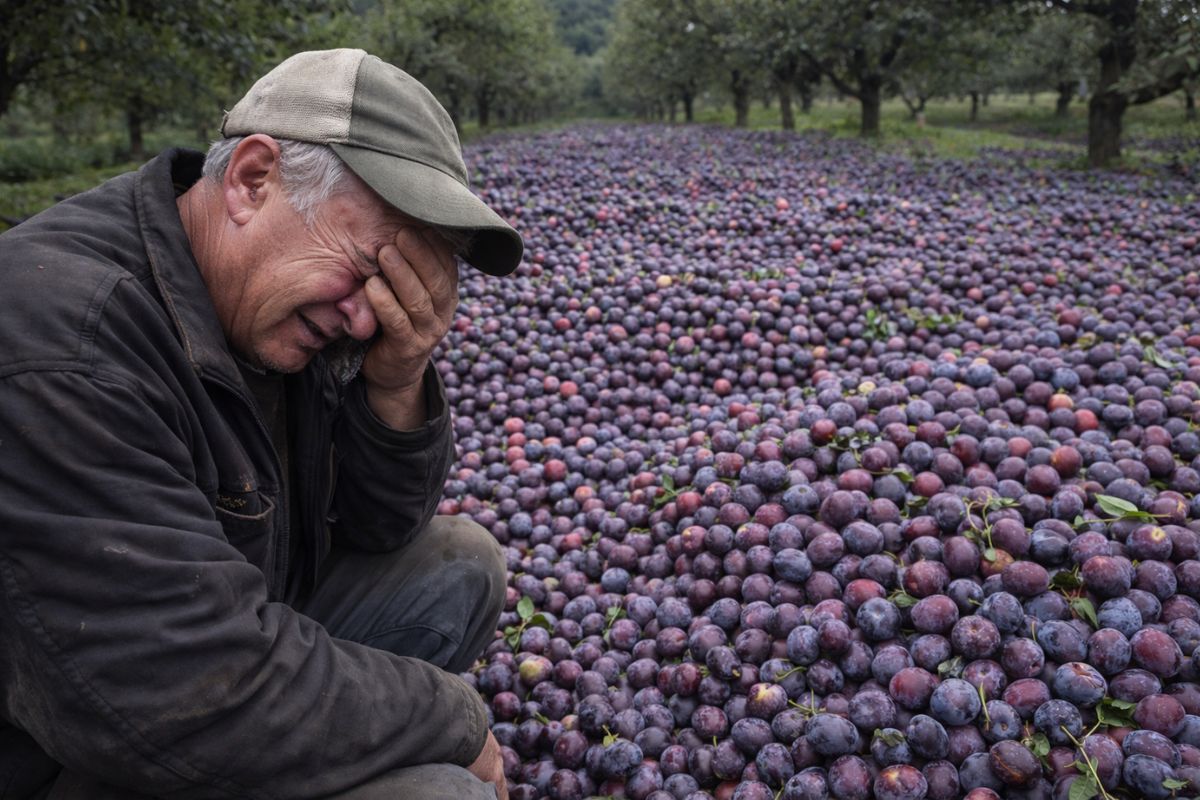
A rural producer from Urubici cries as he shows 50 tons of plums thrown on the ground because no one wanted to buy them, and in desperation, he records a video asking anyone to come to the property to pick the fruits before they rot.
-
Unable to pass through Hormuz, Brazil activated a plan B that uses Turkey as a gateway to the Middle East: the route through Gibraltar and the Mediterranean is longer and more expensive but ensures that chicken, beef, and corn continue to reach Arab markets.

-
You grew up hearing that the good coffee from Brazil goes all abroad and the bad coffee stays for Brazilians, but this story has completely changed, and the numbers show that in the 1980s, thirty percent of the coffee sold here was adulterated with corn and barley.


All the material was found in the checked baggage of a passenger arriving from a flight from China.
The load had no sanitary documentation or official authorization for entry into Brazil.
In situations like this, the absence of certification is treated as an immediate risk, as there is no proof of origin, transportation conditions, inspection, or sanitary control of the crabs.
Possible Mitene Crab And Status Of Delicacy
The preliminary identification by the inspectors points to the mitene crab, Eriocheir sinensis, a species known for its prized meat and served as a gourmet dish in Asian restaurants.
The animal is called hairy crab precisely because it has legs and claws that are hairy, a distinctive feature that facilitates the recognition of the species.
Although it is considered a delicacy and generates strong gastronomic interest, bringing exotic crabs in luggage, without authorization, turns a luxury food into a potential sanitary threat.
Authorities emphasize that any living organism transported in this way can carry pathogens, parasites, or diseases that do not exist or are not controlled in Brazil.
Sanitary And Economic Risks Of Exotic Crabs
The Ministry of Agriculture emphasizes that the irregular entry of aquatic organisms can introduce serious diseases, directly impacting local fauna and aquaculture and fishing production.
Exotic species, like these crabs, can disrupt the balance of aquatic environments, compete with native animals for food and habitat, and facilitate the spread of diseases.
In the economic sphere, the alert is also heightened.
The introduction of pests or diseases in crabs and other aquatic organisms can compromise entire productive chains, affecting fishermen, producers, fish processors, and industries connected to the sector.
Additionally, health outbreaks can generate significant economic losses, including trade barriers, market losses, and the need for emergency investments in containment and monitoring.
Vigiagro And The Protection Of Brazilian Agriculture
The inspection of clandestine loads is pointed out by the Ministry of Agriculture as one of the pillars of the action of the International Agricultural Surveillance.
In the international movement of passengers, baggage, and cargo, Vigiagro works to prevent sanitary risks and protect Brazilian agriculture, acting directly at ports, airports, and borders.
The general coordinator of Vigiagro, Cleverson Freitas, highlights that the work of the teams is strategic to prevent the entry of products and organisms without authorization, ensuring agricultural health, animal health, and consumer safety.
In light of this episode, do you think Brazil should further tighten its inspection on crabs and other animal-origin foods brought in international flight luggage?








-

-

2 pessoas reagiram a isso.