





 Portuguese
  English
  Spanish
  4 min of reading
  0 comments



The New Hourly Model Reorganizes Expectations, Alters the Dynamics of Premium Services, and Repositions the Luxury Transportation Experience in the Country
A large-impact transportation operation in the premium segment has recently gained prominence in the Brazilian market. Vippers, after tests initiated in 2024, advanced in 2025 to an expansion format that promises to reorganize the role of drivers and redefine fares. The investment of R$ 50 million, confirmed by the company in its communications, boosts the consolidation of the model in São Paulo and Rio de Janeiro. The novelty introduces a category that adopts a fixed hourly rate, starting at R$ 1,000, and caters to an audience estimated at only 0.1% of the São Paulo population, a profile that seeks privacy and immediate availability. This configuration demonstrates that the platform bets on a restricted structure aimed at extremely personalized services.
Technical Operation Reveals Direct Impact on Service
The change results from the company’s internal strategy, which reviewed processes and expanded its operation after the pilot phase. The service, according to CEO Jaroslaw Piasecki, responds to the demands of clients who already own high-end vehicles but need, in specific situations, a private driver. Thus, family trips, urgent commitments, or arrivals at airports now receive immediate attention. Since the model is charged by the hour, not by distance, the platform reorganizes the charging logic and prioritizes predictability. The revision of operational parameters maintains control over internal costs, and therefore, the expansion received management approval, which considers the structure suitable for the luxury audience. However, the practical impact for the user remains limited, as the service retains a closed and exclusive nature.
Economic and Operational Impacts of the New Format
The initial rate of R$ 1,000 per hour offers predictability to clients and, despite this, does not represent a significant change for profiles accustomed to personalized services. Many users utilize the resource for specific commitments and, consequently, value availability and privacy. In addition, the new model influences fleet organization, which remains standardized. The BMW 745 LE and BMW X7 vehicles, chosen by the company since the testing phase in 2024, guarantee comfort and capacity for up to seven people. The current operation has about 40 cars, still below the planned count, and, at the same time, focuses efforts on strategic regions of São Paulo, such as Itaim Bibi, Vila Nova Conceição, Vila Olímpia, and Jardins. This scenario highlights how the service update impacts the users’ routine in a limited way.
-
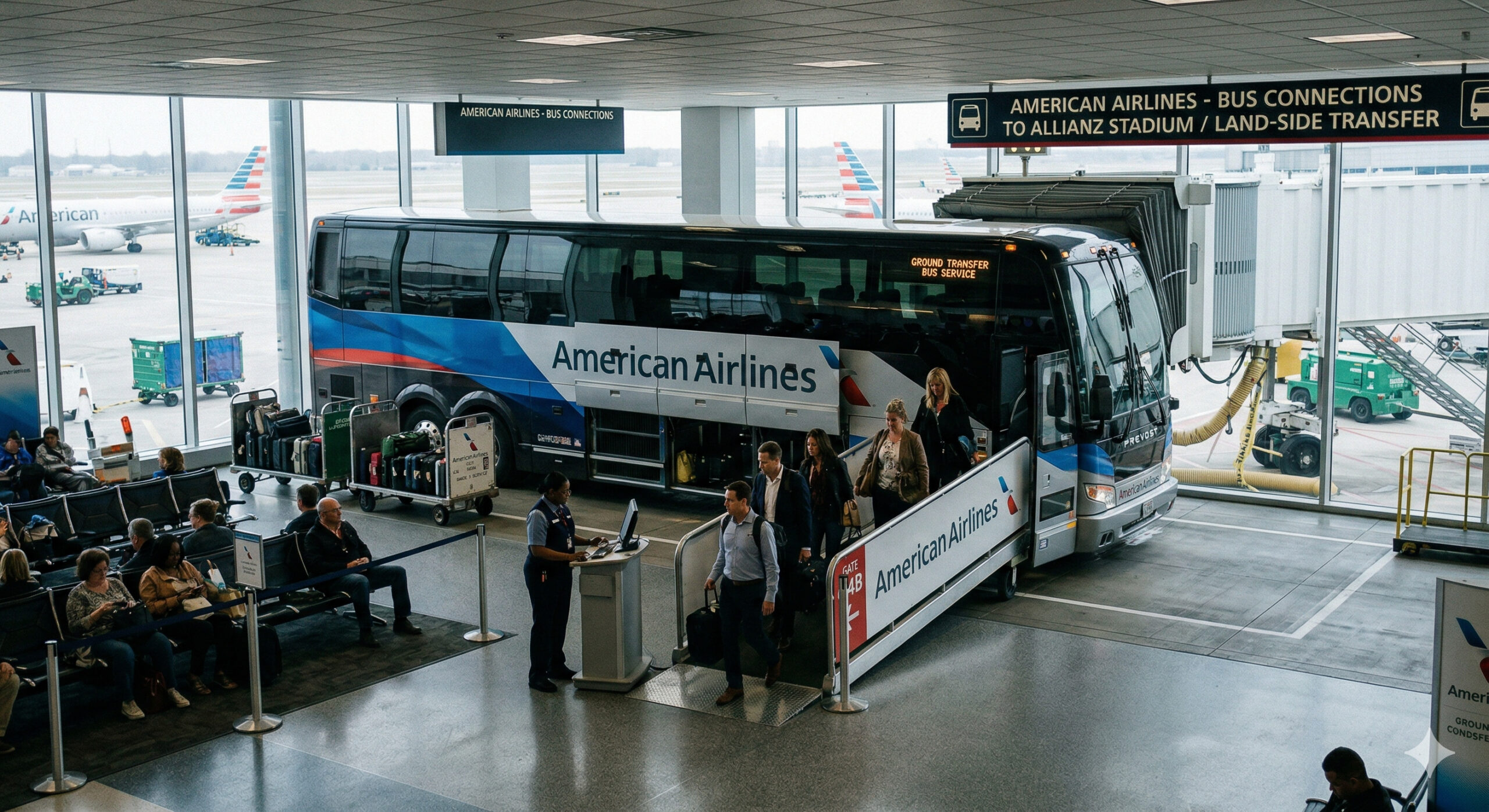
American Airlines starts selling trips as if they were flights, with check-in and baggage check at the airport, but on short routes, passengers board luxury buses connecting cities to major hubs in the U.S.
-
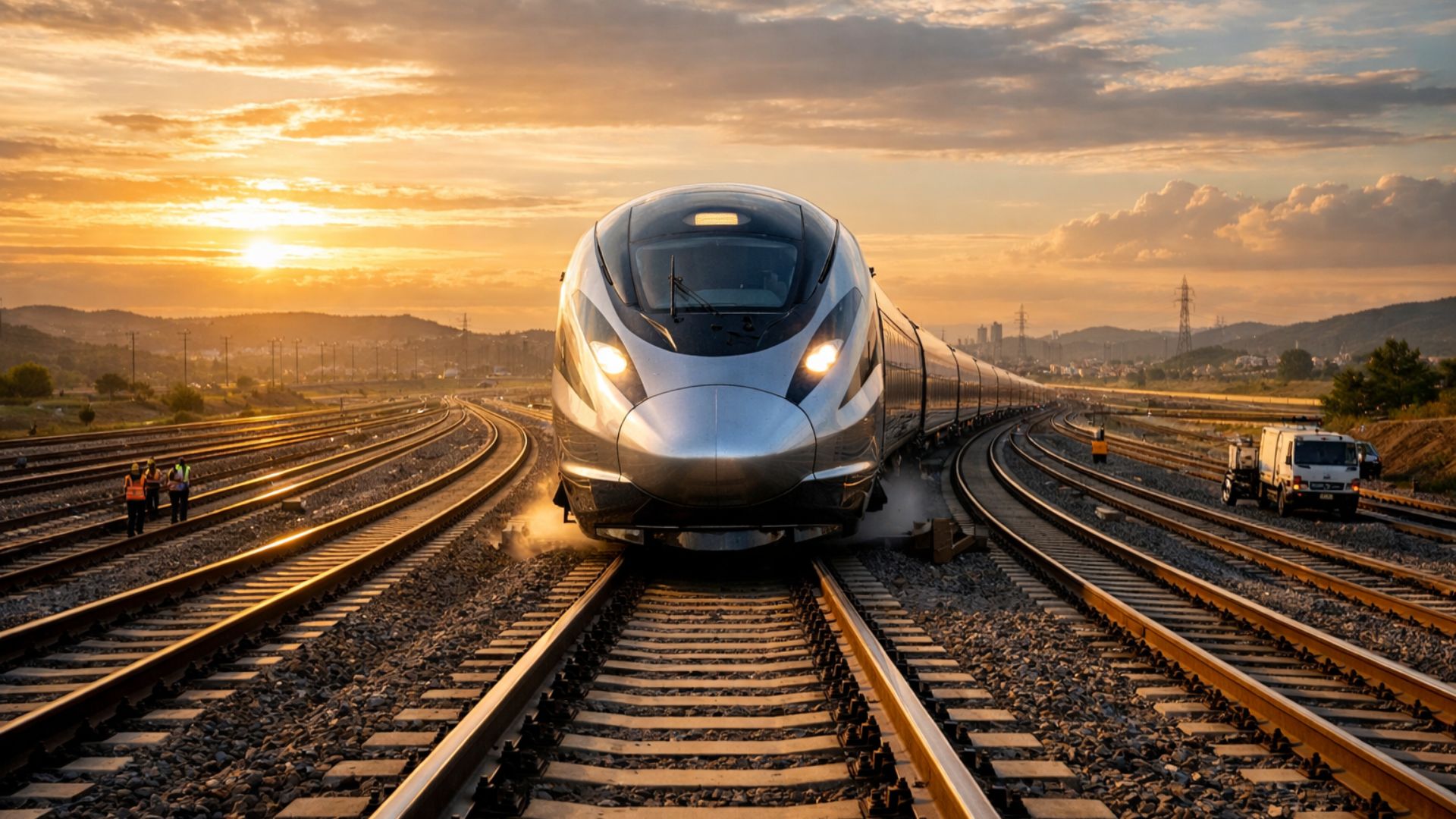
São Paulo surprises the world with a colossal railway network project that promises over 1,000 km of tracks, R$ 194 billion in investments, and 40 projects connecting the capital to the interior with fast and sustainable trains.
-
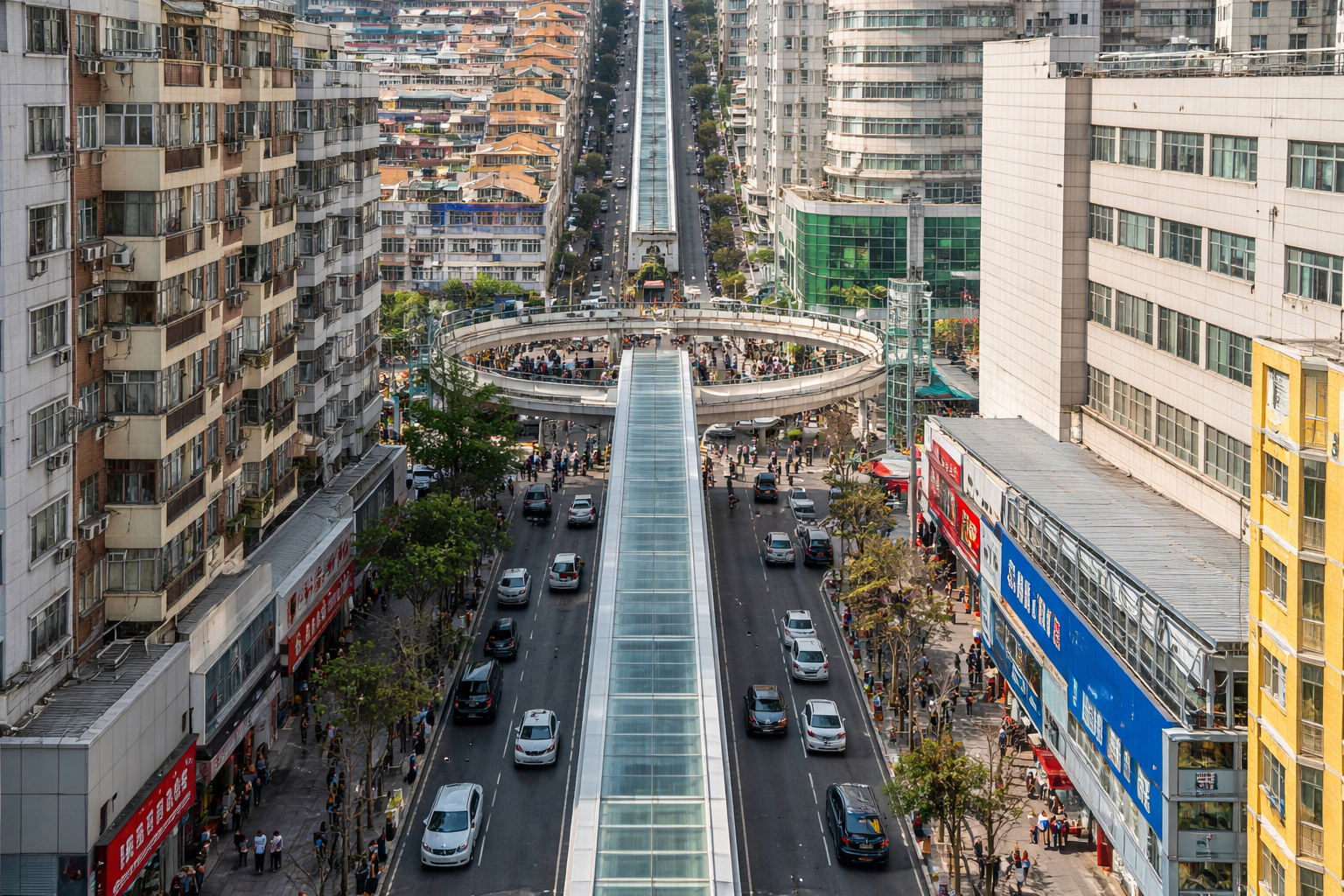
The world’s largest escalator, measuring 905 meters in China, reduces urban travel time from 1 hour to about 20 minutes and transforms mobility in mountainous regions with an engineering solution adapted to the terrain.
-
A R$ 300 million logistics giant is taking shape in Serra with over 100,000 m² and raises a question: how can this transform e-commerce and distribution in the state?

Operational Adjustments Generate Expectation Among Drivers and Clients
Although the format follows technical parameters, the change creates expectations among drivers seeking high earnings within the premium category. Many professionals observe that, even with the high fare, demand remains highly segmented, reinforcing the perception of exclusive service. This movement grows because access to the app is controlled. Clients with high-end cards receive immediate approval while others depend on an invitation. Additionally, the fare may decrease as the contracted time increases, which adjusts the remuneration but maintains the elitist positioning.
Structured Planning to Preserve the Premium Experience
Currently, the company is reorganizing internal processes to expand its infrastructure and meet the expansion initiated in 2025. Drivers follow hygiene and preparation protocols between trips, ensuring a high-quality standard. The dynamics maintain operational regularity and preserve the luxury service proposition. Thus, the platform sustains a specific experience aimed at an audience that prioritizes privacy, agility, and personalized service.
The New Vippers Model in a Broader Context
The service update follows a growing segmentation trend in the luxury transportation market, which seeks to enhance differentiation and control operational capacity. This behavior reinforces the importance of understanding how each adjustment influences not only fares but also the internal structure of the platform. Thus, the hourly model becomes part of a broader strategy that reorganizes expectations and shapes the future of premium operation.
The Future of the Exclusive Transportation Category
Drivers, clients, and industry experts assess that the consolidation of this format may pose a continuous challenge, as it depends on an extremely restricted audience. The ability to maintain the required standard with a small user base raises doubts, although the model preserves characteristics valued in the luxury segment. Meanwhile, the need for gradual expansion reinforces concerns about the real impact of this strategy.









Seja o primeiro a reagir!