





 Portuguese
  English
  Spanish
 3 min of reading


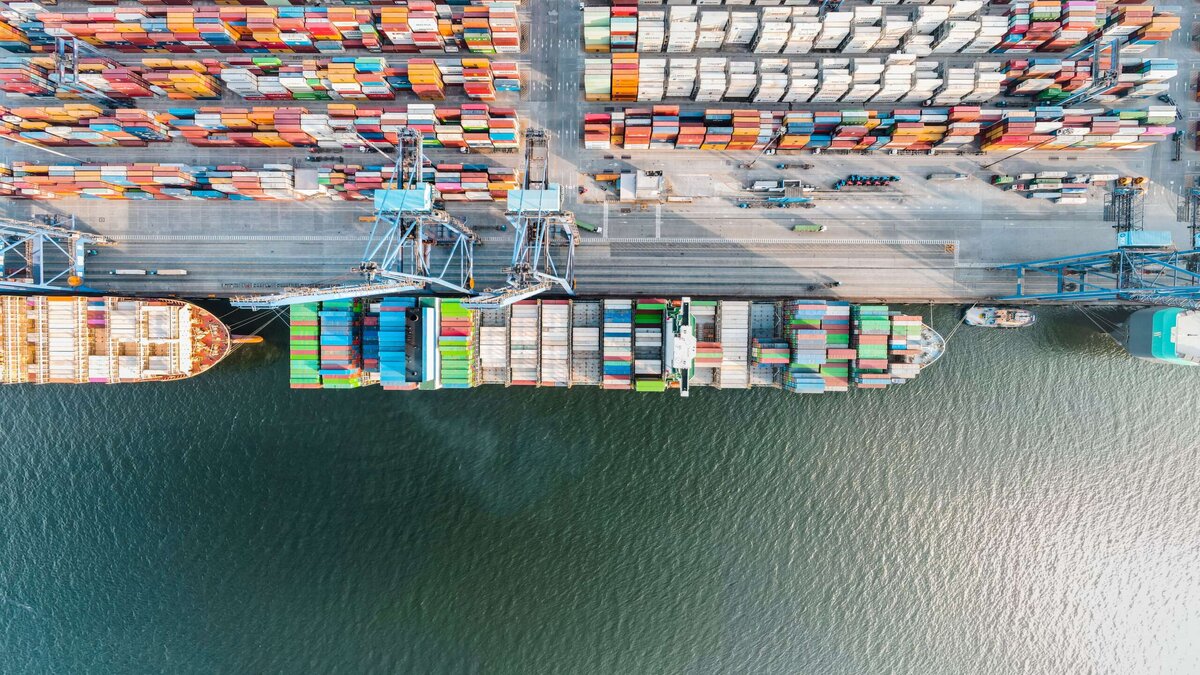
Investments in the Port Sector Are in Full Swing! Now, It’s Time for the Paranaguá Container Terminal (TCP), Which Is Striving at All Costs to Increase Its Storage Capacity and in Terms of Cargo Handling by 2023
On the night of this Monday (06/20), China Merchants Port, responsible for managing the Paranaguá Container Terminal (TCP), revealed that the main goal from this year until 2023 is to increase its cargo handling and storage capacity. To achieve this, the company expects to invest around R$ 370 million for the purchase of cranes and larger areas to accommodate refrigerated cargo.
China Merchants Port Seeks a 15% Increase in Cargo Handling at the Paranaguá Container Terminal (TCP)
In general, the Chinese company already has a focus, with plans outlined on how and where these millions will be invested. For example, the first acquisition, which will take up a good portion of the budget, would be the purchase of 11 RTG cranes. These models are commonly used in container transportation.
In fact, if the Reporto had not been extended, these targets and investment amounts would probably not be set for such a close date as 2023. Even though the investment itself was a mandatory part of the concession, it was only due to the tax exemption from Reporto that the decision was made and the target set for the upcoming year.
-
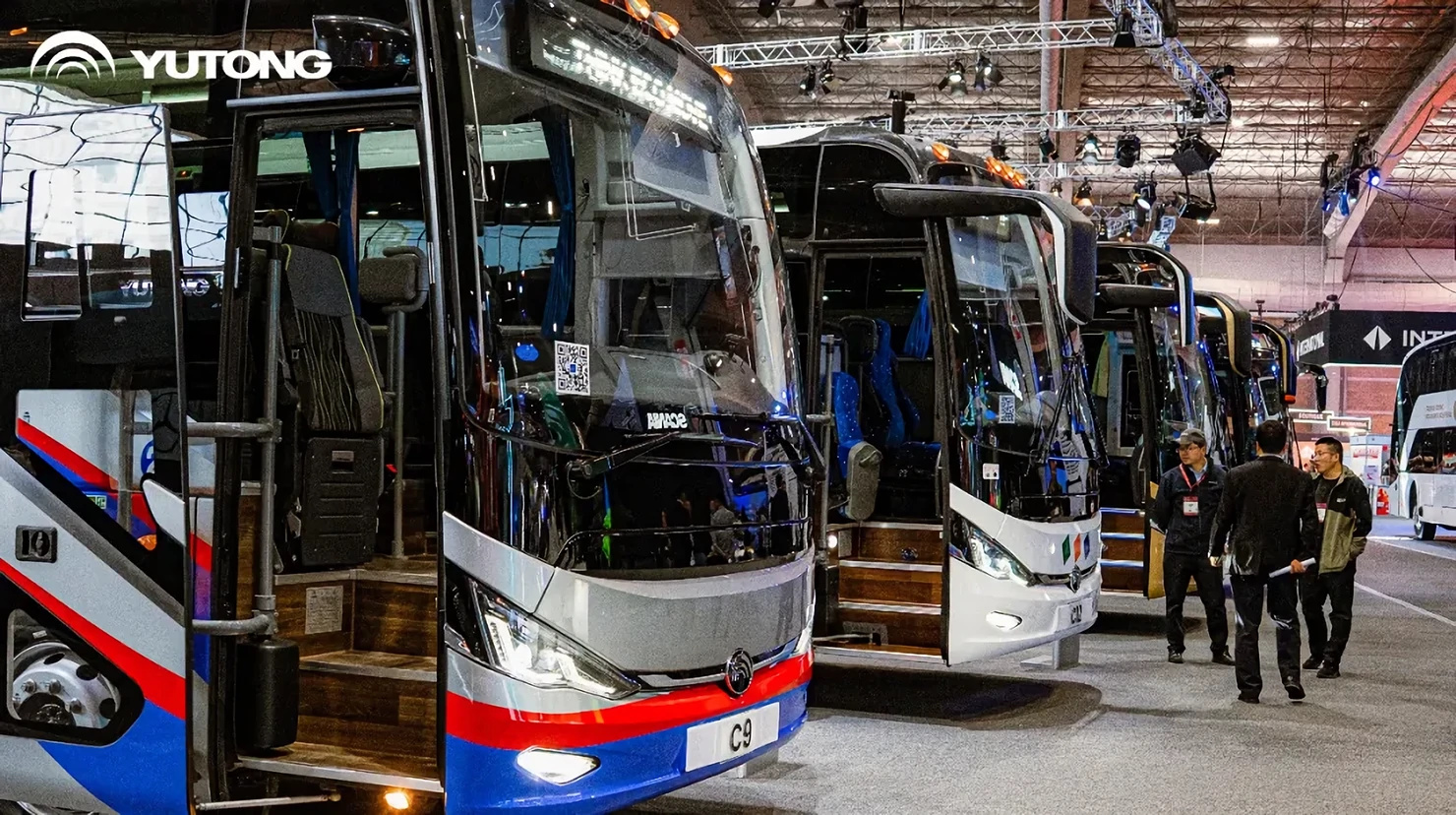
China advances into Mexico’s transportation with an electric bus that has a range of up to 530 km, bringing a complete line to the country in 2026 and transforming its partnership with Yutong into one of the most strategic in Latin American mobility.
-
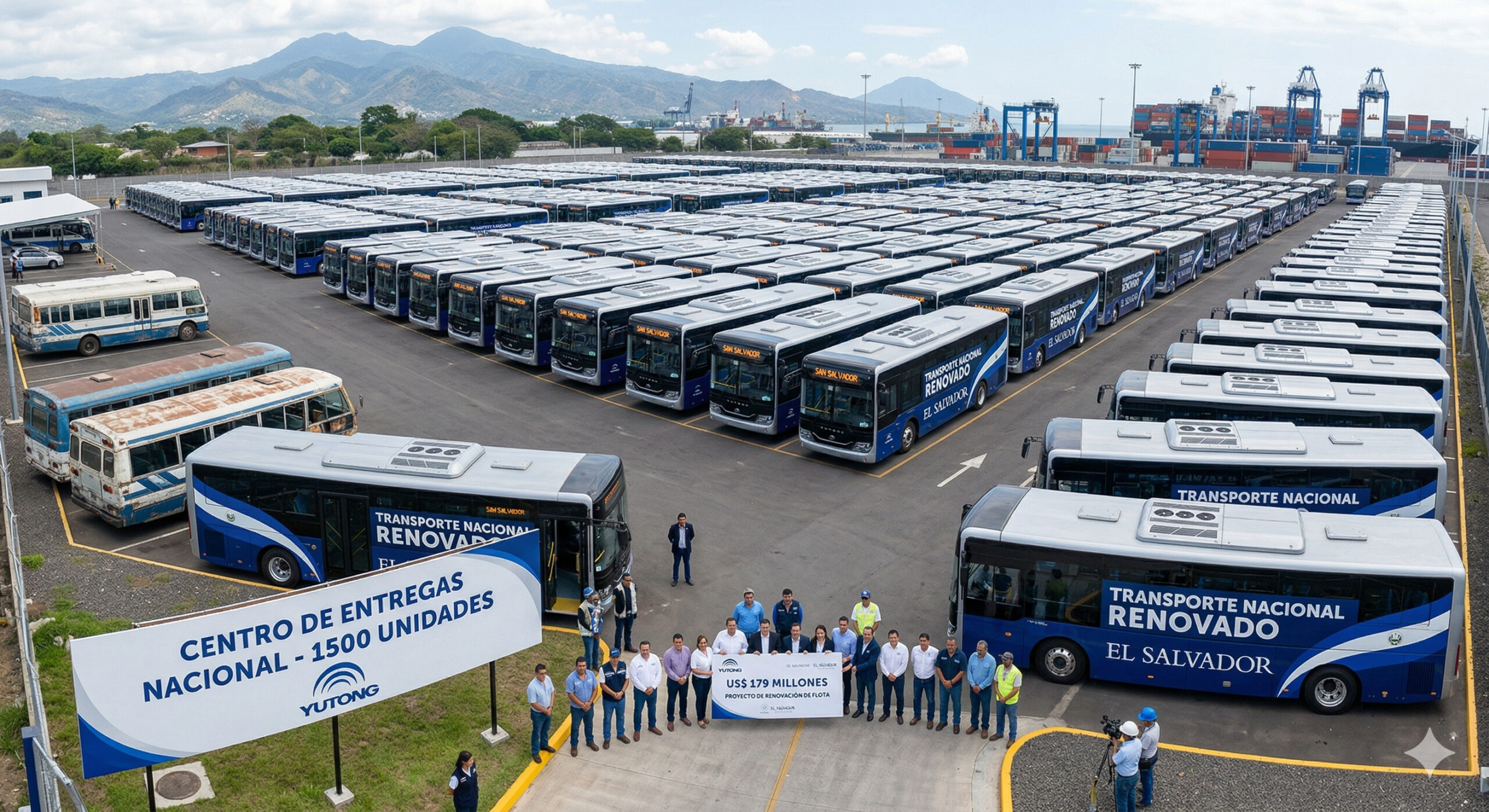
With 1,500 new buses financed by an international agreement, El Salvador is preparing the largest renewal in the history of its public transportation, a plan of $179 million with vehicles from the Chinese company Yutong that could replace practically the entire fleet of the country.
-
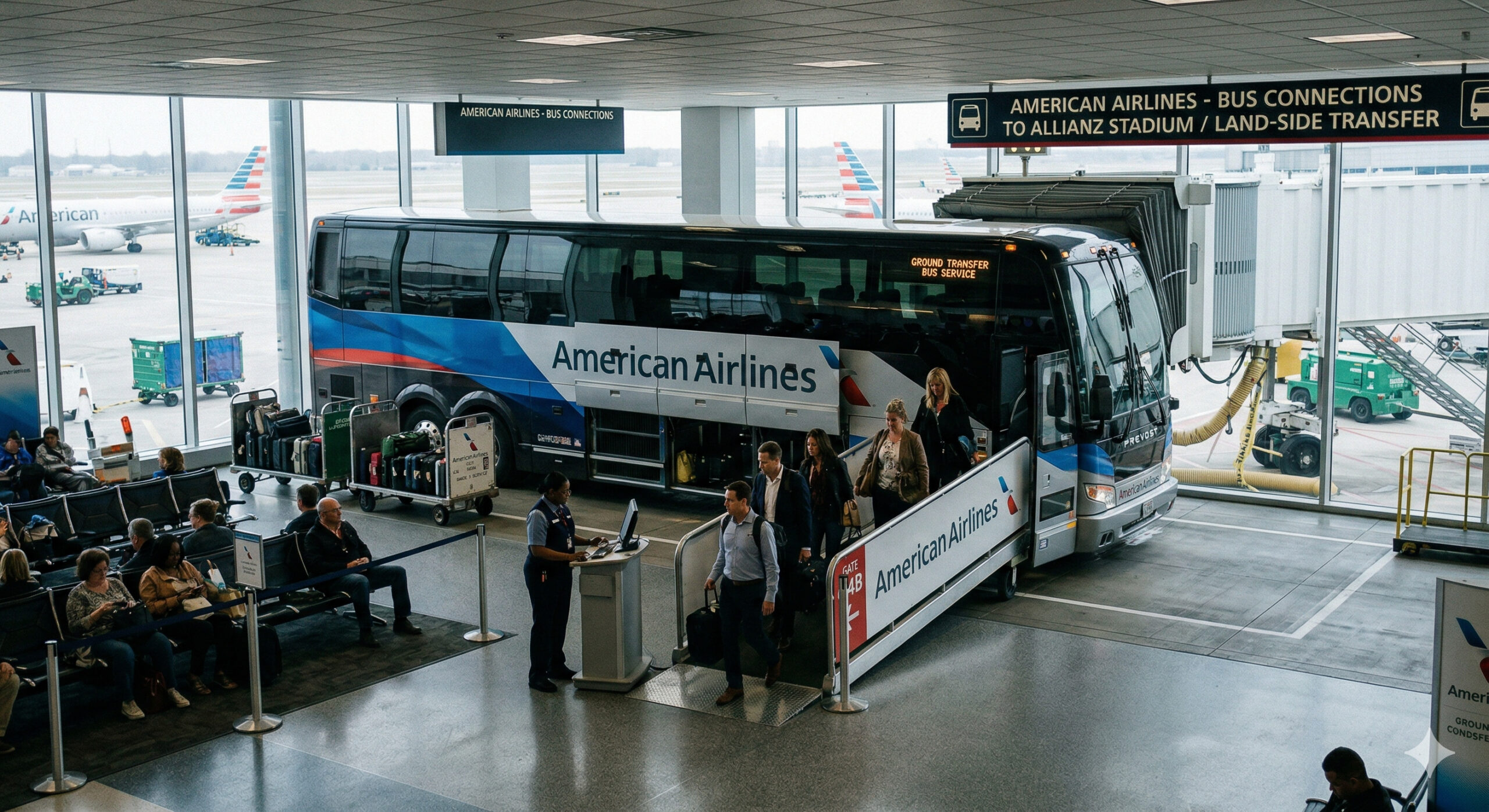
American Airlines starts selling trips as if they were flights, with check-in and baggage check at the airport, but on short routes, passengers board luxury buses connecting cities to major hubs in the U.S.
-
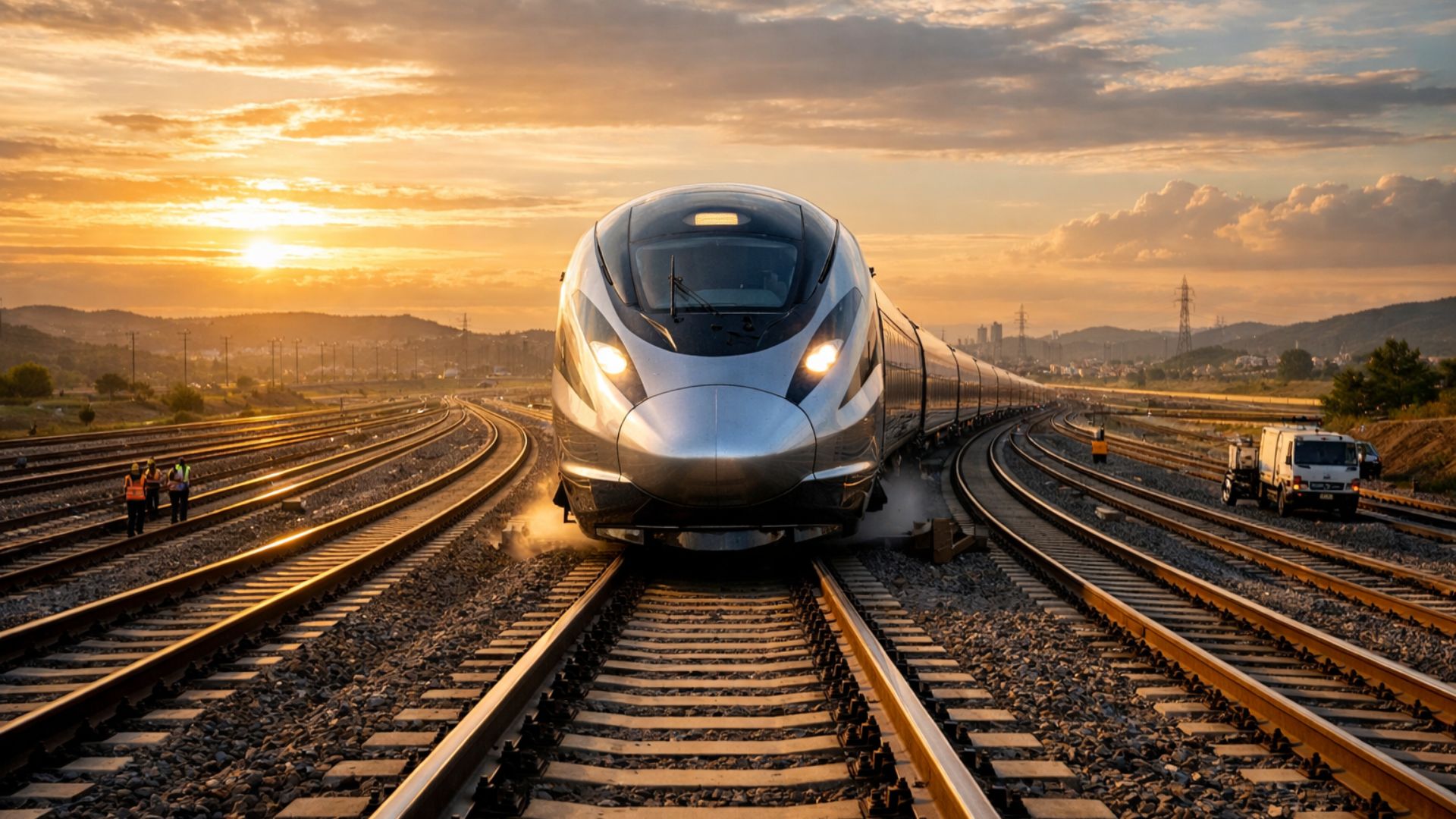
São Paulo surprises the world with a colossal railway network project that promises over 1,000 km of tracks, R$ 194 billion in investments, and 40 projects connecting the capital to the interior with fast and sustainable trains.
Thus, the ultimate goal is to boost cargo handling at the TCP and increase the current value by 15%. Additionally, another part of the investment will go towards storage. One of the main cargoes at the terminal is frozen meat. Therefore, to increase the numbers, there will be a 43% expansion in the appropriate area for refrigerated containers.
Why the Rush to Make Such a High Investment in Storage and Other Areas of the Terminal?
During the pandemic, all sectors were unprepared for the tough times they would face. Even expanding their area by 150,000 m², it was still not enough. According to the commercial and institutional director, Thomas Lima, “with the pandemic, we had our capacity taken up right away. All parameters were altered.”
When the pandemic began, we closely watched how disorganized the port sector became. There were closed ports, halted cargo, ships waiting in line, a lack of containers in various complexes, and overcrowded warehouses.
However, even with the worldwide collapse caused by the pandemic, cargo handling increased at the Paranaguá Container Terminal. In 2021 alone, TCP achieved a 5.9% annual increase in the volume of full containers. Despite the lockdowns occurring in China, increasingly complicating the export of meat, the data has been positive so far.
For Lima, “the Port of Paranaguá is very focused on agribusiness, a sector that is growing, despite the country’s GDP. The world is consuming more meat, and this tends to boost cargo handling.”
Even when “exporters have their warehouses full because butchering has not stopped,” the executive emphasized. If China does not implement any more lockdowns, the normalization of the flow of containers, cargo handling, and storage might return to normal.







Seja o primeiro a reagir!