





 Portuguese
  English
  Spanish
  4 min of reading
  0 comments


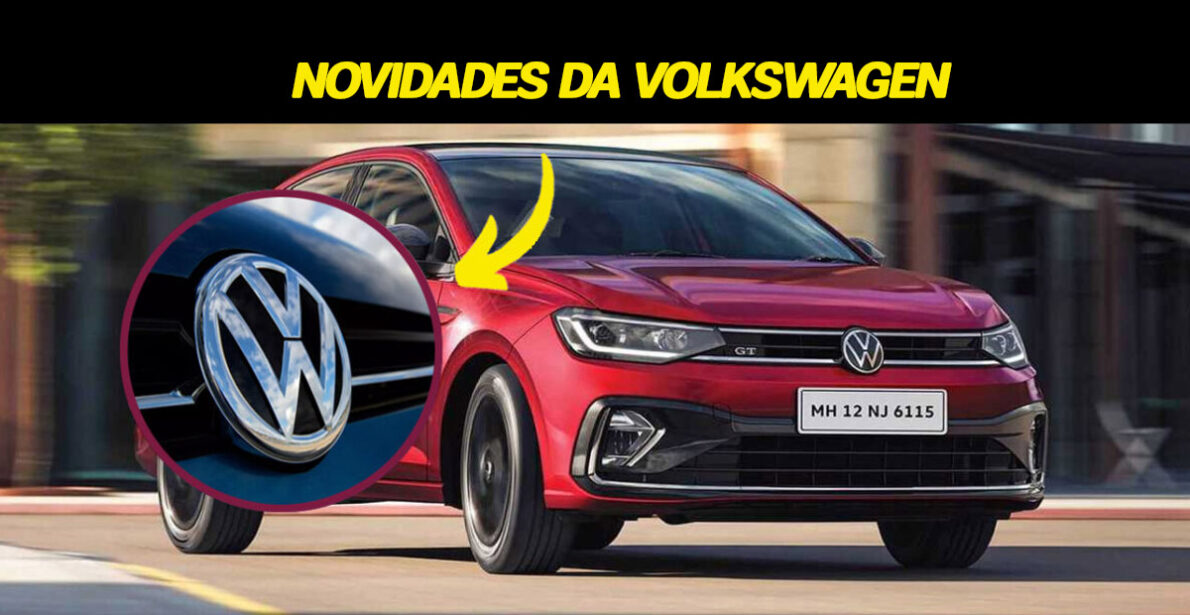
Volkswagen announced the production of two hybrid SUVs in Brazil: the Tayron and Tayron X. The automaker will invest billions to bring these new models to the national market, promising more sustainability and high performance.
In recent months, the Brazilian automotive market has been impacted by a series of launches that generated buzz, but the true revolution is yet to come.
The Volkswagen, one of the giants in the sector, announced a billion-dollar investment in Brazil, focusing on local production of two entirely new models that promise to change the SUV landscape in the country. What is behind this investment and which models will replace popular cars like the Tiguan? That’s what you will discover now.
According to the automaker, production of the new cars will start in 2025, directly at the plant in São Bernardo do Campo, São Paulo. This announcement is part of an ambitious investment plan by Volkswagen, which has set aside R$ 13 billion for its operations in Brazil.
-
Engineers propose a fourth traffic light for intersections – the change promises to affect crossings, queues, and waiting times.

-
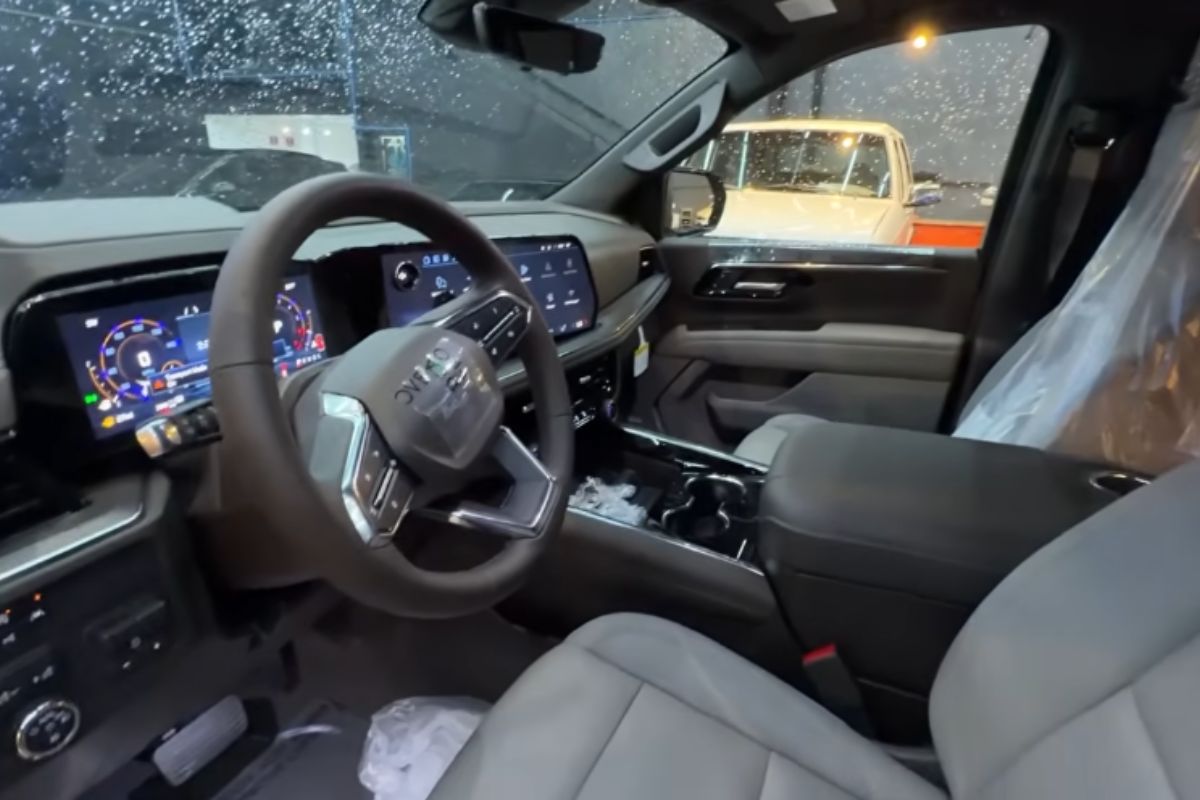
Chevrolet Suburban Z71 lands in Brazil with a V8 engine, off-road design, air suspension, seven seats, and colossal size, a rare version imported for around R$ 1.3 million with luxury and exclusivity.
-
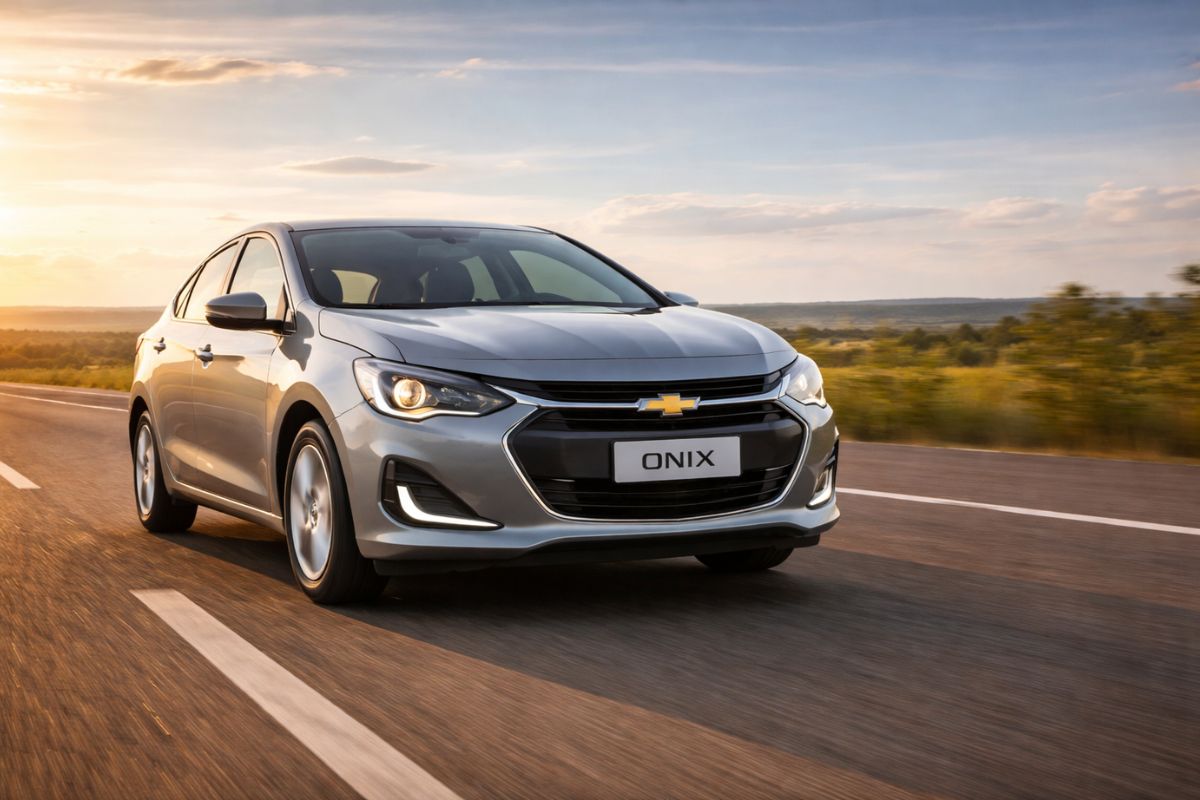
The Chevrolet Onix 1.0 turbo achieves 17.7 km per liter on the highway and ranks among the three most economical cars in Brazil in 2026, alongside two more expensive Toyota hybrids available at dealerships.
-
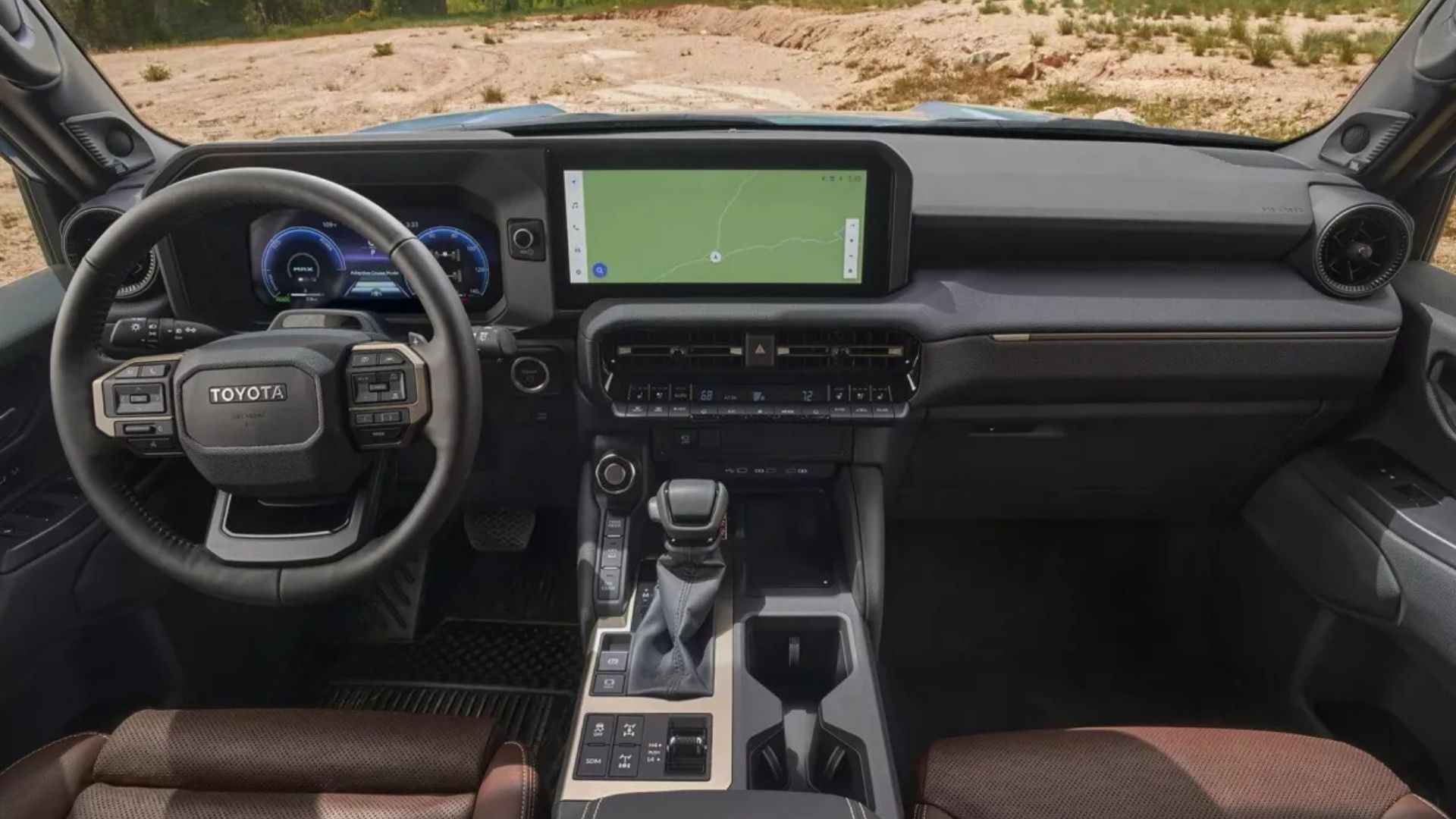
Little sister of the Hilux: Toyota launches Land Cruiser FJ with 4 radical versions, 2.7 engine with 166 hp and 4×4 traction with locking.

But what makes this news even more surprising is the promise to launch next-generation hybrid models, aligned with global trends in sustainability and technology.
New Hybrid SUVs Are Coming to Brazil
According to Jornal do Carro, Volkswagen is preparing to launch two hybrid SUVs: the Tayron and the Tayron X, which will replace established models in the market, such as the Taos and the Tiguan coupe SUV.
Although these vehicles were initially designed for the Chinese market, they will be produced locally and should follow the same international quality standards of the automaker.
The big news is that the new SUVs will be equipped with the innovative 1.5 TSI Gen III Miller cycle engine, an efficient engine that will work in conjunction with an electric motor, forming what is called a hybrid system.
The platform used will be the MQB-Hybrid, which allows the combination of an internal combustion engine with electric motorization. This promises better fuel economy, lower emissions of pollutants, and optimized performance.
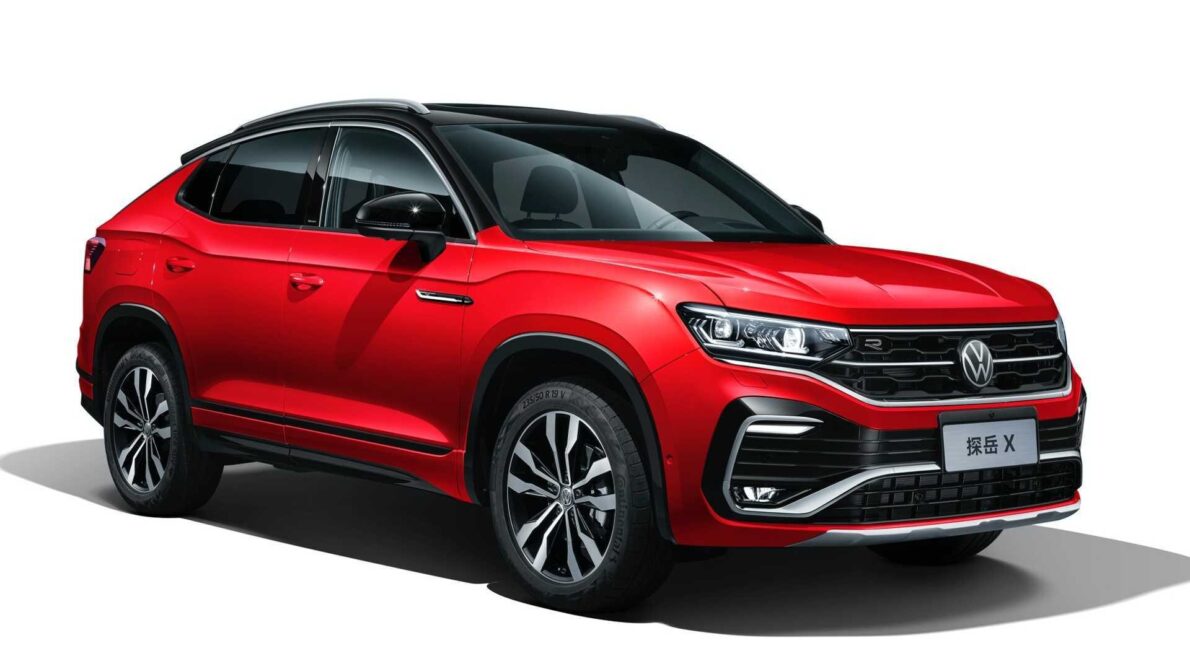
Hybrid Models Ready to Revolutionize
The Tayron, for example, is expected to arrive in Brazil in two versions. The first will be a micro-hybrid (MHEV), equipped with a 48-volt system, capable of generating 160 horsepower and a torque of 25.5 mkgf.
This version should meet the needs of those looking for an economical SUV, without compromising performance. The second version will be a plug-in hybrid (PHEV), with options of up to 245 horsepower, promising even more power and performance for those who want a car with greater electric range.
If the replacement of the Taos by the Tayron is confirmed, this will mean the end of production of the Taos in Argentina and the end of the importation of the Tiguan, which was brought to Brazil as one of the most sophisticated options from the automaker. These new SUVs will not only represent a renewal of Volkswagen’s portfolio in Brazil but will also mark the brand’s definitive entry into the larger hybrid vehicle segment.
Volkswagen and Its Investment in Brazil
The investment by Volkswagen in Brazil is not new. Back in February 2024, the automaker had confirmed an investment of R$ 16 billion in its national operation, part of which was directed towards modernizing three factories in the state of São Paulo. The company’s strategy is clear: strengthen its presence in Brazil and meet the new market demands for more sustainable and technological cars.
The coming months will be crucial to monitor the details regarding the arrival of these new vehicles. Brazil is already one of the most important markets for Volkswagen, and the bet on locally produced hybrid models demonstrates the automaker’s commitment to bringing innovative solutions to the Brazilian public.
What to Expect from These Launches?
With the increasing demand for electric and hybrid cars worldwide, it’s natural for Brazil to follow the same trend. The arrival of models like the Tayron and Tayron X may create opportunities for Volkswagen to expand its share in this segment in national territory. Additionally, the electric range and motorization options should appeal to both those seeking more economy and those desiring performance.
The transition to more sustainable vehicles is inevitable, and Volkswagen is positioning itself ahead in this race. Consumers, in turn, will benefit from cars featuring cutting-edge technology, energy efficiency, and modern design. Stay tuned in the upcoming months, as the automaker is expected to reveal more details about prices and launch dates soon.
Do you think Volkswagen’s new hybrid models will manage to surpass the popularity of the SUVs being replaced? What do you expect regarding the prices and performance of these launches?







Seja o primeiro a reagir!