






 Portuguese
  Spanish
  4 min of reading
  0 comments


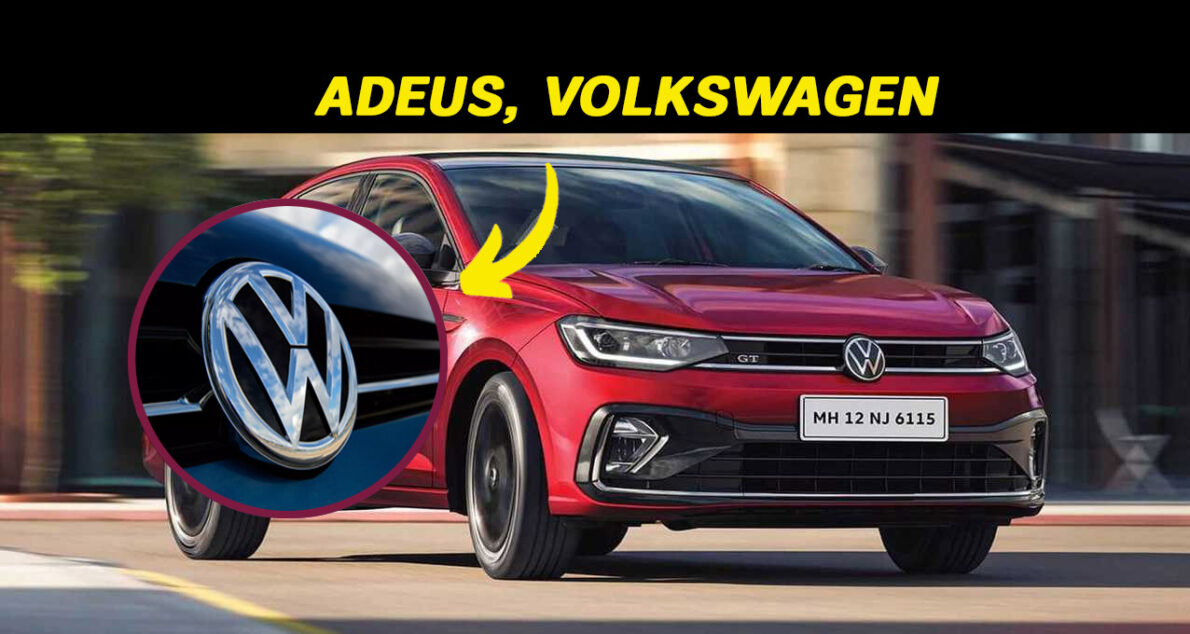
Volkswagen Faces Unprecedented Crisis and Has Two Years to Recover. The German Automotive Giant May Close Factories for the First Time Since Its Foundation, Putting Thousands of Jobs at Risk.
The German automotive giant, which was once synonymous with stability and innovation, is now racing against time to avoid an unprecedented crisis.
Volkswagen, a global automotive icon, is facing a series of challenges that could culminate in factory closures and the loss of thousands of jobs.
In a meeting held at Volkswagen’s headquarters in Wolfsburg, Germany, Arno Antlitz, who oversees the company’s financial and operational areas, made an alarming statement.
-
Brazilian Joins Homeownership Consortium, Faces Decade of Dual Payments Totaling $141,000, Surpassing Traditional Mortgage

-
Land Rover to Halt Production in July, Putting 371 Jobs at Risk, as Chinese Automaker Negotiates to Convert Factory to 100,000 Vehicles Annually by 2027

-
Mexican Pest Threatens U.S. Cattle Herds at Historic Lows, Potentially Boosting Brazilian Beef Exports as Burger Prices Soar

-
Brazilian Freight Bill Progresses in Congress with $5,000 Minimum Wage, 70% Advance Payment, and Fines Up to $1 Million, as Agriculture and Industry Warn of Rising Costs and Legal Uncertainty


He stated that Volkswagen has “one or two years” to recover from a crisis threatening the company and its employees.
If not, drastic measures may be necessary, such as the closure of factories – something unprecedented since the company was founded in 1937. Antlitz’s statement, made in the presence of CEO Oliver Blume, resonated strongly among employees.
According to the executive, the pandemic has irreversibly shrunk the European market. Volkswagen is struggling to adapt to this new reality and electric vehicle sales, which once promised to be the salvation, have not materialized as expected.
Antlitz warned that the company could sell up to 500,000 fewer cars this year compared to the pre-pandemic period. The European market no longer offers the same opportunities as before, and the slowdown in sales is putting even more pressure on the automaker.
Employees on Alert with Risk of Layoffs
Antlitz’s statement generated dissatisfaction among the approximately 25,000 employees present at the meeting. The council representing the workers harshly criticized Volkswagen’s management, accusing executives of failing to fulfill their responsibilities and overburdening employees with management mistakes.
Factory closures have become a real fear, especially after the company suggested that this could be inevitable if recovery does not occur within the established timeframe.
Employee dissatisfaction is understandable. Volkswagen, for many years, was a solid company, with factories around the world and a strong leadership position in the European market. Now, with the global automotive market facing significant transformations, the brand needs to quickly adjust to avoid the worst.
Crisis Has Chinese Competition and Loss of Ground
Another factor exacerbating Volkswagen’s situation is the decline of its position in the Chinese market, which for a long time was one of the biggest contributors to the automaker’s profits.
According to Oliver Blume, “there are no more checks coming from China”, reflecting Volkswagen’s difficulty in competing with local automakers like BYD, which recently surpassed the German brand in sales in the country.
The hegemony of Volkswagen in China came to an end in 2023, when it lost the sales leadership to the Chinese competitor.
This shift is seen as a major blow to the company, which has always relied on the Chinese market to balance its finances.
The failure to maintain leadership in China directly impacts Volkswagen’s operations in the rest of the world. With a slowing European market and strong competition in Asia, Volkswagen needs to find quick solutions to survive the new dynamics of the automotive sector.
Recovery Strategy
Despite the challenges, both Antlitz and Blume reaffirmed Volkswagen’s commitment to becoming a profitable and relevant brand again.
To achieve this, they highlighted the need to reduce costs and adjust production to the current market reality. According to Blume, Volkswagen is implementing measures to ensure its long-term survival, and the effort needs to be collective.
The challenge is set. Volkswagen, which was once the global sales leader, is now struggling to survive in a more competitive market with less maneuvering room.
Factories in Germany are under threat of closure, and the brand needs to accelerate its recovery to prevent the worst from happening.
The pressure is coming not only from competitors but also from the employees themselves, who demand that the company’s management take responsibility and protect jobs.
In other words, in the next two years, the company will need to adjust its production, cut costs, and at the same time find a way to reclaim its position in the European and Chinese markets.
If the automaker fails in its recovery, Volkswagen’s history could change drastically, with consequences for both the company and its thousands of employees.
Will Volkswagen be able to turn things around and avoid factory closures? Or are we about to witness the collapse of one of the world’s largest automakers?





Be the first to react!