





 Portuguese
  English
  Spanish
 4 min of reading


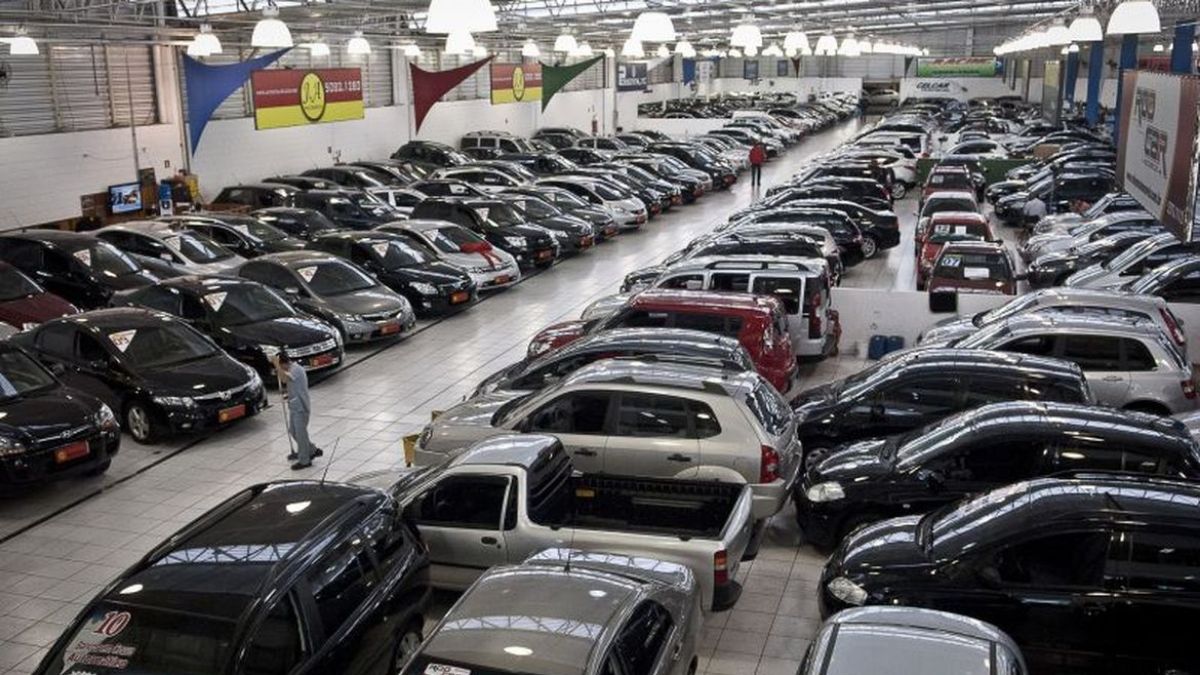
The Price of Cars Is the Result of a Series of Factors Happening Simultaneously, Such as the Semiconductor Crisis, High Production Costs, Inflation, Pandemic, and Demand
Are you shocked by car prices? Know that you are not alone. In recent years, the automotive market has shown consecutive increases in vehicle prices, as well as gasoline and diesel. Experts point out that several factors contributed to this, in addition to the rise in fuel prices. Among them, we have the semiconductor crisis, high production costs, and global inflation as the main players.
Consumers have witnessed an impressive hike in vehicle prices, especially in the last two years. Cars that used to cost an average of R$ 50,000 are now selling for around R$ 100,000. It is hard to see an optimistic scenario for price improvement while international issues, such as inflation and fuel prices, especially gasoline and diesel, remain unresolved. Understand the relationship between environmental factors and the rise in car prices.
See the Real Reason for the Increase in Car Prices in the Video Below


The Pandemic and the Semiconductor Crisis Played a Central Role in the Rise of Prices
The pandemic brought a halt to all sectors of the economy, including the automotive sector, resulting in several subsequent problems. During this period, semiconductors, which make up cars, computers, televisions, and microprocessors, began to be requisitioned for sectors that did not previously rely on them as much, especially the health sector.
-
Mothers and daughters come together, create an ‘express’ beauty salon and turn the idea into a network with 21 units, revenue of R$ 16.7 million and 12,000 subscribers.

-
End of the 6×1 schedule: how the reduction of hours can affect service companies, industry, and agribusiness.

-
Brazil Ignores Trump’s threats to BRICS, Buys 42 tons of gold and reduces the Dollar’s share by 6.45% in international reserves.

-
Havan buys historic football land in Blumenau for a million-dollar amount protected by a confidentiality clause and is already planning to change even the layout of streets to build a megastore in half-timbered style costing 80 million reais.


Thus, there was a redirection of the sales of this component to other sectors, with the automotive sector being pushed to the back of the line. After all, the production of new cars decreased and required fewer parts.
Semi-conductors are a major part of the vehicle’s structure. An Onix model, for example, consists of 1,000 semiconductors, each costing between R$ 5 and R$ 10. Therefore, the lack of this component in the market and high demand results in an increase in the individual value of each semiconductor, impacting the cars.
Increase in Components of Cars Such as Steel, Rubber, Oil, and Aluminum, as Well as the Dollar Price, Also Influenced
Cars are primarily composed of steel, rubber, oil, and aluminum, all of which have seen a tremendous increase in the last 2 years. Steel prices have risen by 45% since 2020, rubber by 30%, aluminum by 75%, and oil by 330%. Oil derivatives are linked to the vehicle production chain, driving up the final product price and also fuel prices, such as diesel and gasoline.
Additionally, the dollar has a direct impact on car prices, affecting up to 70% of the total value of the final product. Considering that the dollar has increased by 20% since 2020, an increase in vehicle prices is to be expected. Inflation also has its share of the blame, occurring globally and becoming a snowball effect, generating more increases throughout the entire production chain and impacting fuel prices.
Maritime Freight, Taxes, and Demand for Used Cars Are Also to Blame
In Brazil, cars have 5 taxes directly related:
- Tax on Goods and Services (ICMS);
- Industrialized Products Tax (IPI);
- Contribution for the Financing of Social Security (COFINS);
- Social Integration Program (PIS);
- Motor Vehicle Property Tax (IPVA).
All of these taxes can elevate car prices by 30% to 49%.
Maritime freight is also taken into account, as it is used for the transport of parts that will make up the cars, and many vessels are directly affected by fuel prices, such as diesel. Since 2020, maritime freight has increased by 5.7 times, raising production costs for the consumer.
Finally, the demand for used cars closes the list of reasons for the increase in car prices. The demand for used cars has risen because the price of new cars is significantly higher than what Brazilians are willing to pay for a car. Consequently, the prices of used cars also increase, following the market’s supply and demand logic. And since dealership vehicles cannot be priced lower than used cars, their prices rise as well.
However, as long as the situation with external factors does not improve, the trend is that prices will continue to rise.





Seja o primeiro a reagir!