





 Portuguese
  English
  Spanish
  3 min of reading
  0 comments



The Crisis in the Global Oil Market Is Being Influenced by Economic Factors, Strategic Decisions of Opec, Slowing China, and Geopolitical Tensions. See What the Future Trends Are and the Implications for the Global Economy.
Currently, the global oil market is facing one of the most challenging phases in its history. This “perfect storm” combines economic, seasonal, and geopolitical factors that, together, create significant volatility in prices and jeopardize the stability of the energy sector. Moreover, these dynamics directly impact producers, investors, and consumers, who are already dealing with the effects of an unstable global economy that is highly dependent on fossil fuels.
Opec and the Challenges of Controlling Supply
The Organization of the Petroleum Exporting Countries (Opec) continues to implement production cuts to raise barrel prices. However, while these measures provide temporary relief to member countries, they open up space for competitors like the United States and Brazil to occupy important markets. As a result, the organization’s influence has been questioned, especially since high prices disincentivize consumption in the medium term, jeopardizing the sustainability of this strategy in the global market.
The Impact of China’s Slowdown on Global Demand
The economic slowdown in China, the world’s largest consumer of oil, represents a huge challenge for energy demand. When the Chinese economy slows, the impact spreads throughout the global market, reducing energy demand and harming exporters. However, while this is happening, other emerging economies are trying, albeit in a limited way, to fill this gap, highlighting the complexity of maintaining balance in the sector.
-
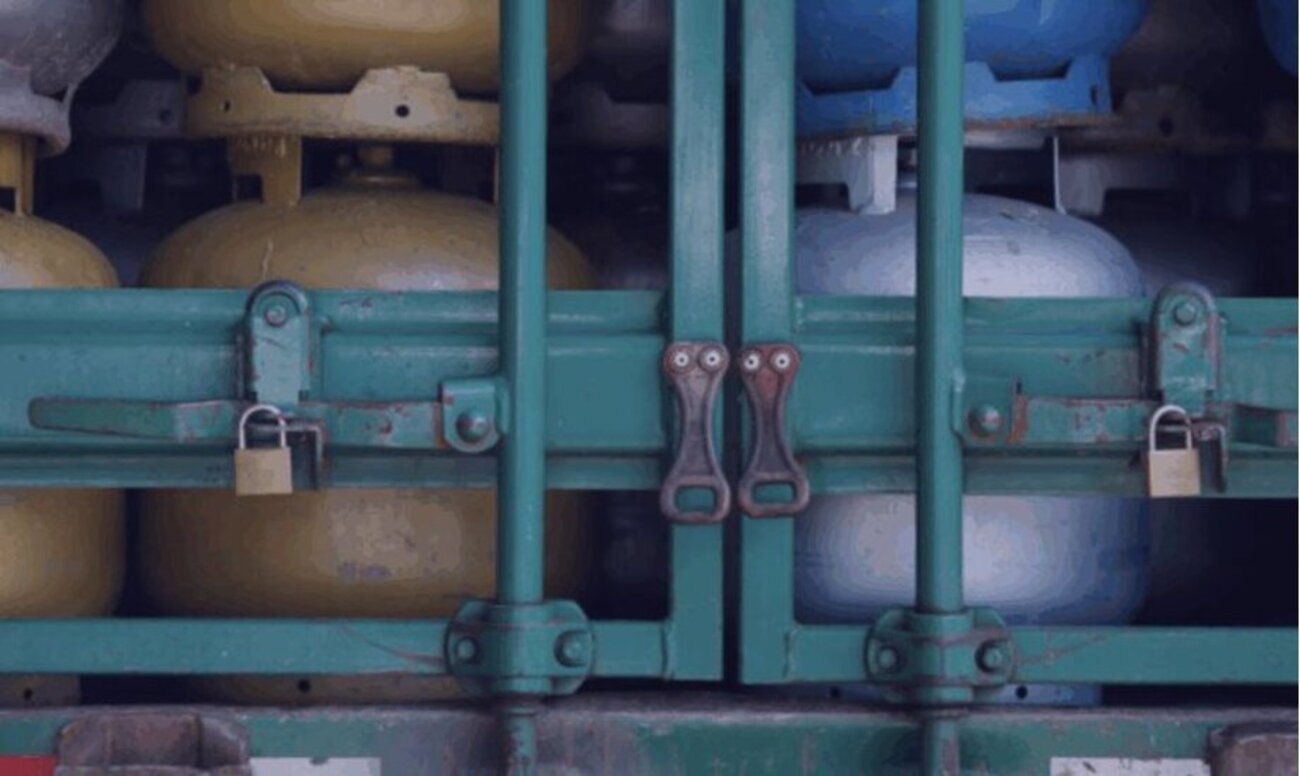
Petrobras evaluates suspension of sales to distributors and considers canceling the cooking gas auction following guidelines from the Federal Government.
-
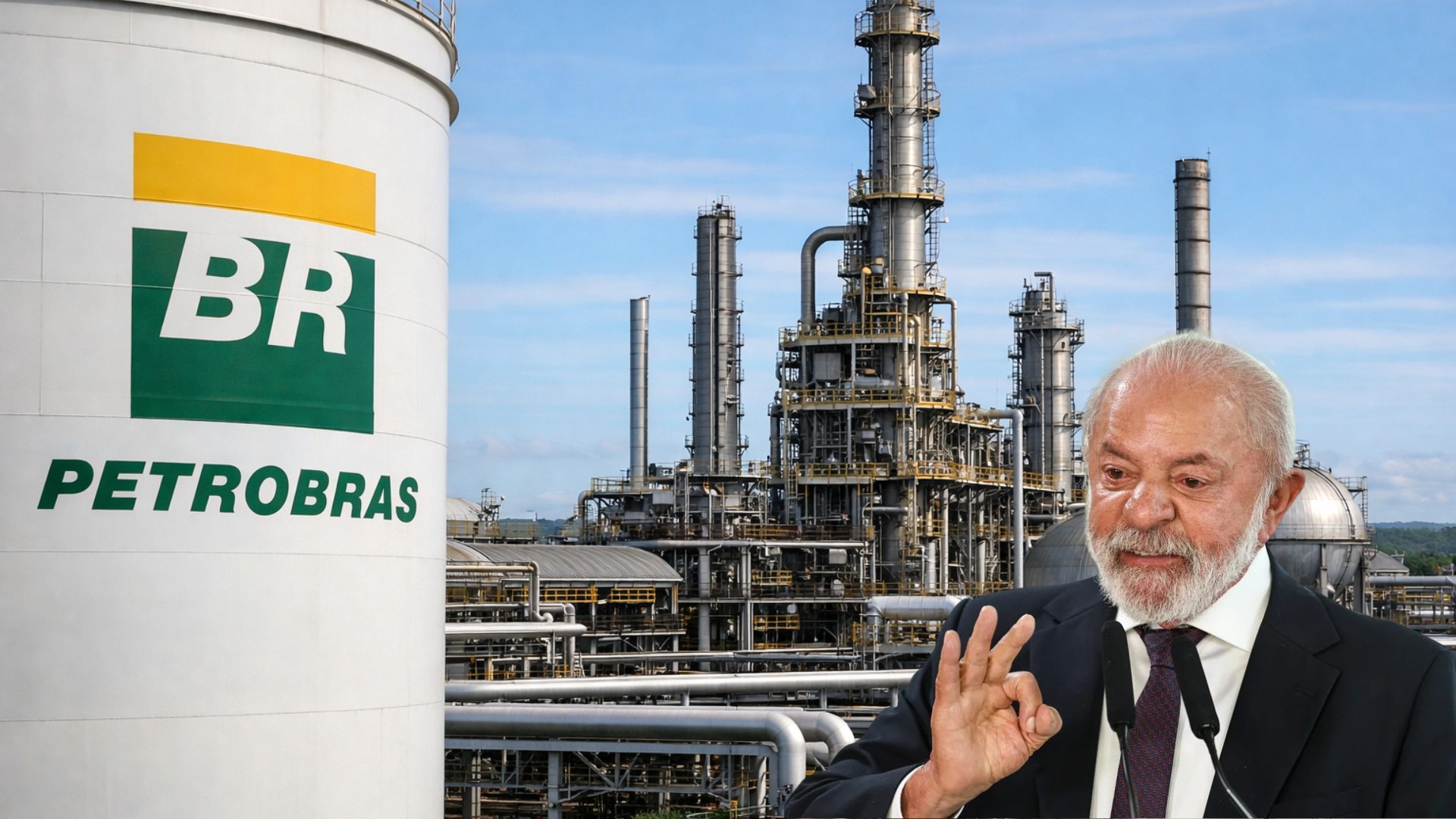
Lula reveals a masterstroke by Petrobras to undo a deal made by Bolsonaro, which involves the return of an important refinery that currently produces less than half of what was expected and makes Brazil dependent on international diesel.
-
A study confirms that the natural gas sector will reduce greenhouse gas emissions in Brazil by 0.5% and accelerate the energy transition by 2026.

-
Petrobras implements a severe adjustment and confirms a 55% increase in the price of aviation kerosene with a proposal for installment payments for the companies.


Seasonal Events and Geopolitical Tensions Intensify the Crisis
Seasonal events, such as winter storms in the United States, often lead to temporary increases in natural gas prices, but their impacts are short-lived. On the other hand, global geopolitical tensions have more lasting effects, with sanctions and conflicts involving countries like Russia and Iran increasing volatility. Additionally, crises in the Middle East, which continue to threaten supply, create uncertainties that further complicate the oil market scenario.
Contradictory Energy Policies of the United States
The energy policies adopted by the United States, which sometimes restrict exploration in certain areas and at other times encourage production in others, create great unpredictability in the global market. These decisions, coupled with the constant use of strategic reserves as a solution for specific crises, directly impact supply. Moreover, the fact that the United States is one of the largest global producers means that its actions reverberate across energy markets worldwide.
The Future of Oil and the Path to Balance
Despite the current scenario being filled with challenges, the oil market has shown signs that it can gradually adjust. Global supply is expected to find a new balance, and prices should return to more sustainable average levels in the coming months. Additionally, the transition to renewable energies, although slow, is beginning to reduce global dependence on fossil fuels, opening doors to new opportunities in the energy sector.
The Oil Market and What to Expect
In summary, the oil market faces a complex crisis, marked by the convergence of seasonal, geopolitical, and economic factors. Although fluctuations are inevitable in the short term, analysts believe that stability will be achieved in the medium term. However, for this to happen, it will be essential for governments and companies to be prepared to adapt their strategies. This includes not only dealing with specific crises but also investing in sustainable energy solutions that can offer greater long-term resilience.









Seja o primeiro a reagir!