





 Portuguese
  English
  Spanish
  4 min of reading
  1 comment


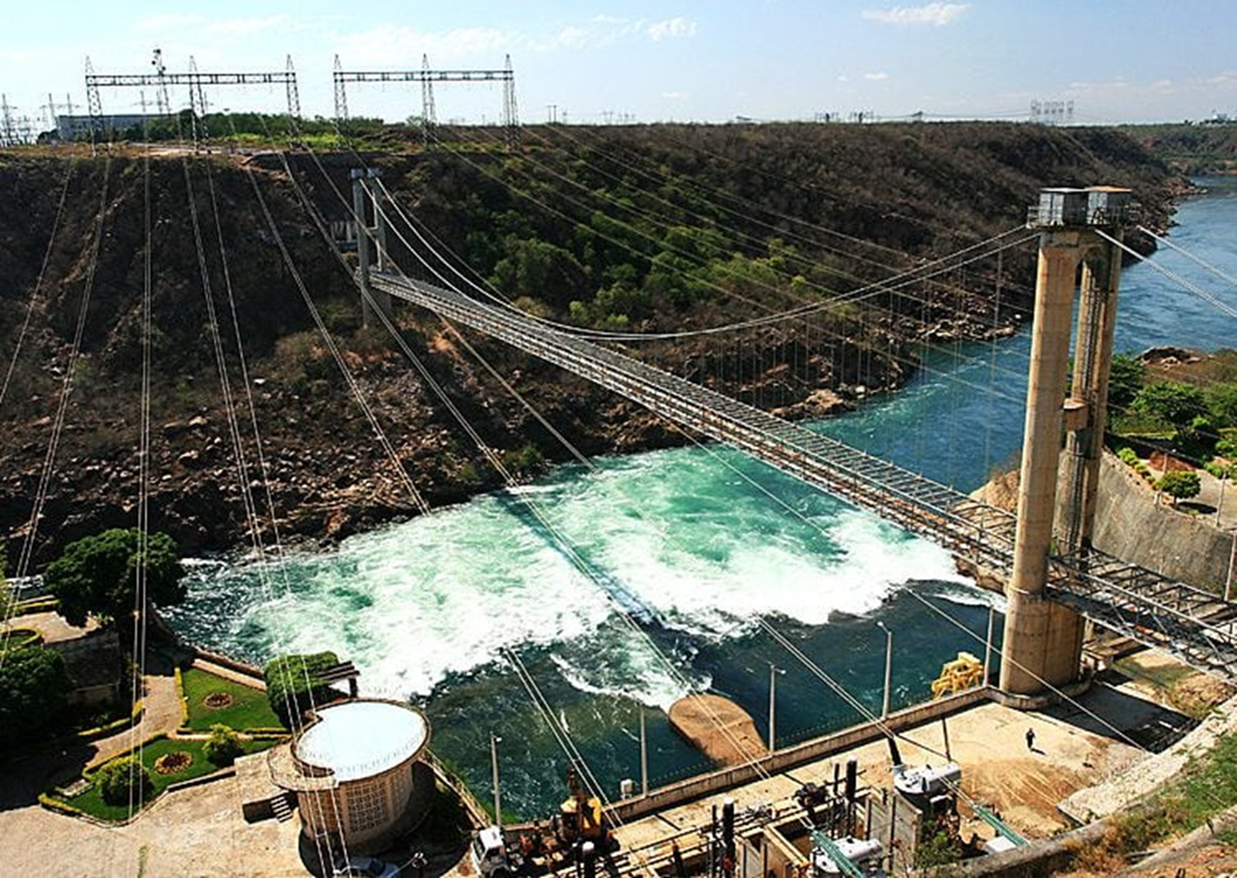


In The Heart Of The Northeast Backlands, A City Stands Out For Moving A Good Part Of The Energy That Powers The Region.
Located in the Bahia backlands, the city of Paulo Afonso stands out nationally for a very specific reason: energy. With just over 118,000 inhabitants, according to the 2022 Census, the municipality is known as the energy capital of the Northeast. Its title comes from the central role it plays in electricity generation for a large part of the region.
City Planned Around Energy
Paulo Afonso is about 490 kilometers from Salvador and occupies an area of 1,545 square kilometers. Even distant from the capital, its prominence is undeniable.
The city is home to one of the largest hydropower complexes in the country, made up of five plants: Paulo Afonso I, II, III, IV, and Apolônio Sales, also known as Moixotó.
-
Untouched for 2,200 years, the tomb of China’s first emperor hides up to 100 tons of mercury, lethal traps designed to kill invaders, and a mystery so dangerous that archaeology still refuses to uncover it.
-
With 220 meters, 721 feet, and 25 thousand gross tons, the world’s largest sailing cruise ship sets a record before its debut and promises to reinvent luxury at sea with giant sails and futuristic engineering.

-
A Brazilian city is being invaded by the sea, buildings are leaning, and the solution could cost R$ 200 million with support from BNDES to prevent flooding, modernize drainage, and protect more than 200,000 residents within 5 years.
-
Lula’s government puts R$ 1 billion on the table to revitalize watersheds with 60 projects, including the São Francisco and Parnaíba rivers, sanitation, navigation, urban drainage, pollution control, and actions in strategic areas of Furnas.
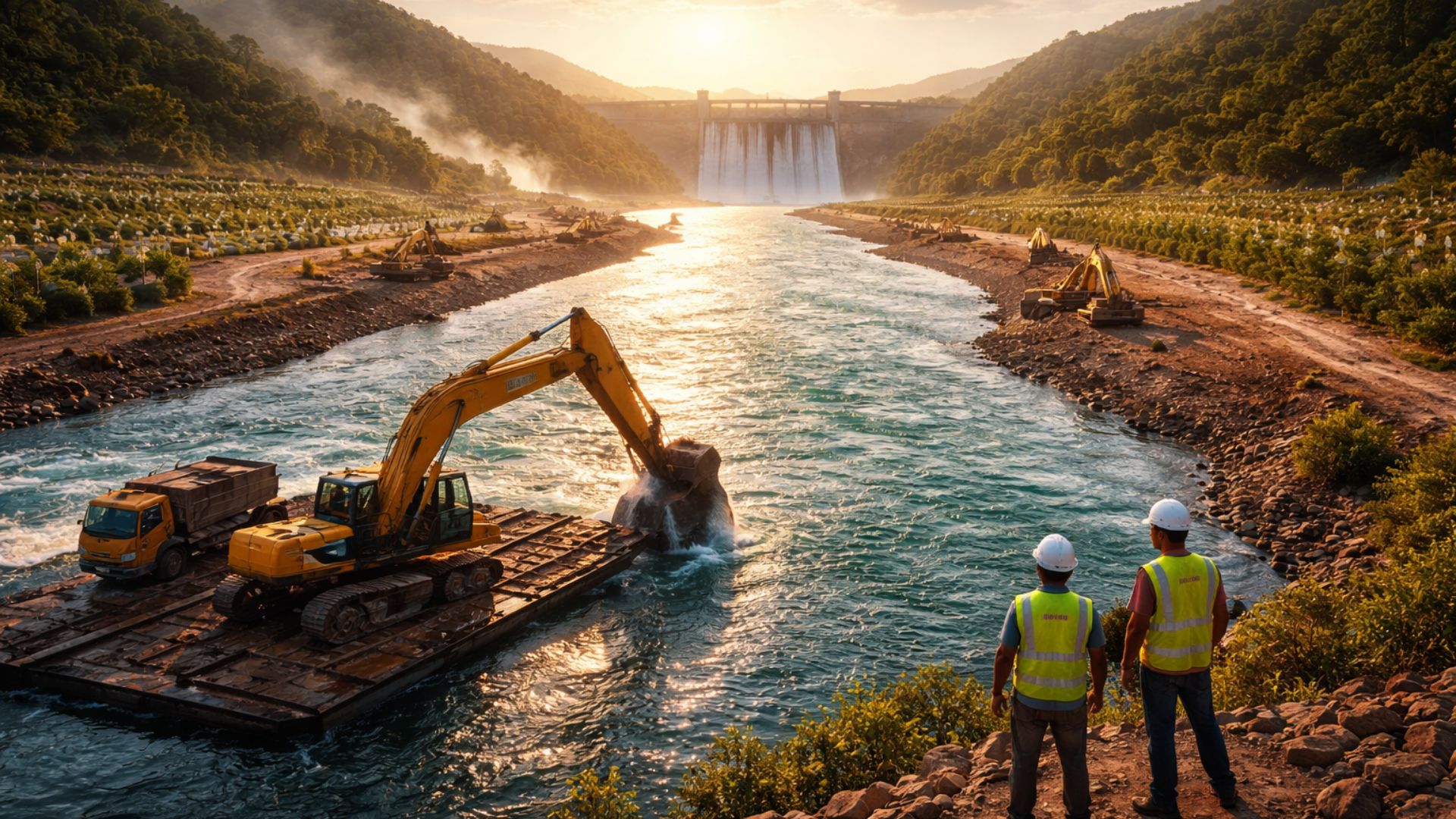
This complex is located on the banks of the São Francisco River, between Paulo Afonso (BA) and Delmiro Gouveia (AL), and takes advantage of a natural drop of about 80 meters in the region’s waterfalls.
The potential was identified back in the 1940s. The first plant began operations in 1954.
Since then, the city has grown around the electric sector. The urban center was planned to accommodate the workers of the plant, being built on an artificial island created from the opening of a channel in the Paulo Afonso IV plant.
This plant, inaugurated in 1979, represents more than half of the total installed capacity, which exceeds 4,279 megawatts.
A Mark Of National Engineering
The hydropower complex is considered a landmark of Brazilian engineering. Managed by the Companhia Hidro Elétrica do São Francisco (CHESF), it plays a strategic role in supplying energy to the Northeast. The Apolônio Sales plant has a special function: to control the flow of water to the other facilities.
In addition to energy production, the project directly influenced the urban development of the city. The impact is visible in infrastructure, services, and even local tourism, which attracts visitors interested in getting to know the operation of the plants and the unique geography of the São Francisco River.
Tourism Between Canyons And Waterfalls
Paulo Afonso also stands out as a tourist destination. One of its main attractions is the famous Paulo Afonso Waterfall, a set of waterfalls on the São Francisco River that reaches 80 meters in height. In addition to its scenery, the waterfall serves a practical function: it is essential for supplying the plants.
From the site, the canyon of the São Francisco River begins, a 65-kilometer stretch with rocky cliffs that reach 50 meters. The route runs through parts of the states of Alagoas and Sergipe, being highly sought after by tourists.
Visits to the complex are also allowed. The structure offers guided tours, entrance fees, and options to visit tunnels, bridges, and areas of the waterfalls. The so-called “technical tourism” boosts the economy and reinforces the city’s image as an energy hub.
Living History In The Backlands
In addition to energy and natural tourism, Paulo Afonso holds important memories of northeastern history. In the village of Malhado da Caixara, Maria Bonita was born, companion of Lampião and a prominent figure of cangaço.
The house where she lived has turned into a small museum, with objects, documents, and paintings that help keep the memory of the cangaceira alive. It is a space for cultural preservation that attracts researchers and tourists interested in the history of the backlands.
Another highlight is the church dedicated to Saint Francis, the first built in the city. It was erected with stones taken from the plant construction, by the very workers who helped build the hydropower complex. The construction reinforces the bond between faith, work, and local development.
Tilapia Production And Economy
The municipality also stands out in the production of tilapia. The activity is carried out in net tanks in the Xingó reservoir and has gained importance for the local economy. Bahia is currently the third state that produces the most tilapia in the country.
This new area of activity complements the strength of the energy sector, showing that Paulo Afonso has a diversified role in the regional economy. Aquaculture brings opportunities for small producers and strengthens income generation.
Infrastructure Thought For The Future
To support this growth, an airport was built in the 1970s. Initially, the structure served the plant’s construction work. Over time, it began to serve the local population and nearby towns, improving access to the region.
Today, the terminal is another element that reinforces the strategic importance of the city. Whether through energy, tourism, or rural production, Paulo Afonso has a consolidated presence and continues to expand.
Paulo Afonso is a unique city in the Brazilian scenario. Its connection to the São Francisco River goes beyond the turbines. The energy generated spreads throughout the Northeast, but also returns in the form of culture, tourism, and social development.
The municipality shows how an energy project can transform an entire region. And the strength that comes from the water continues to be the foundation of a moving future in the Bahia backlands.






O nome do povoado é Malhada da Caiçara e não caixara (como está escrito). Além disso, não é “Moixotó” e sim Moxotó.
Bom lembrar que Ademar fez referência apenas ao erro de digitação.