





 Portuguese
  English
  Spanish
  4 min of reading
  0 comments


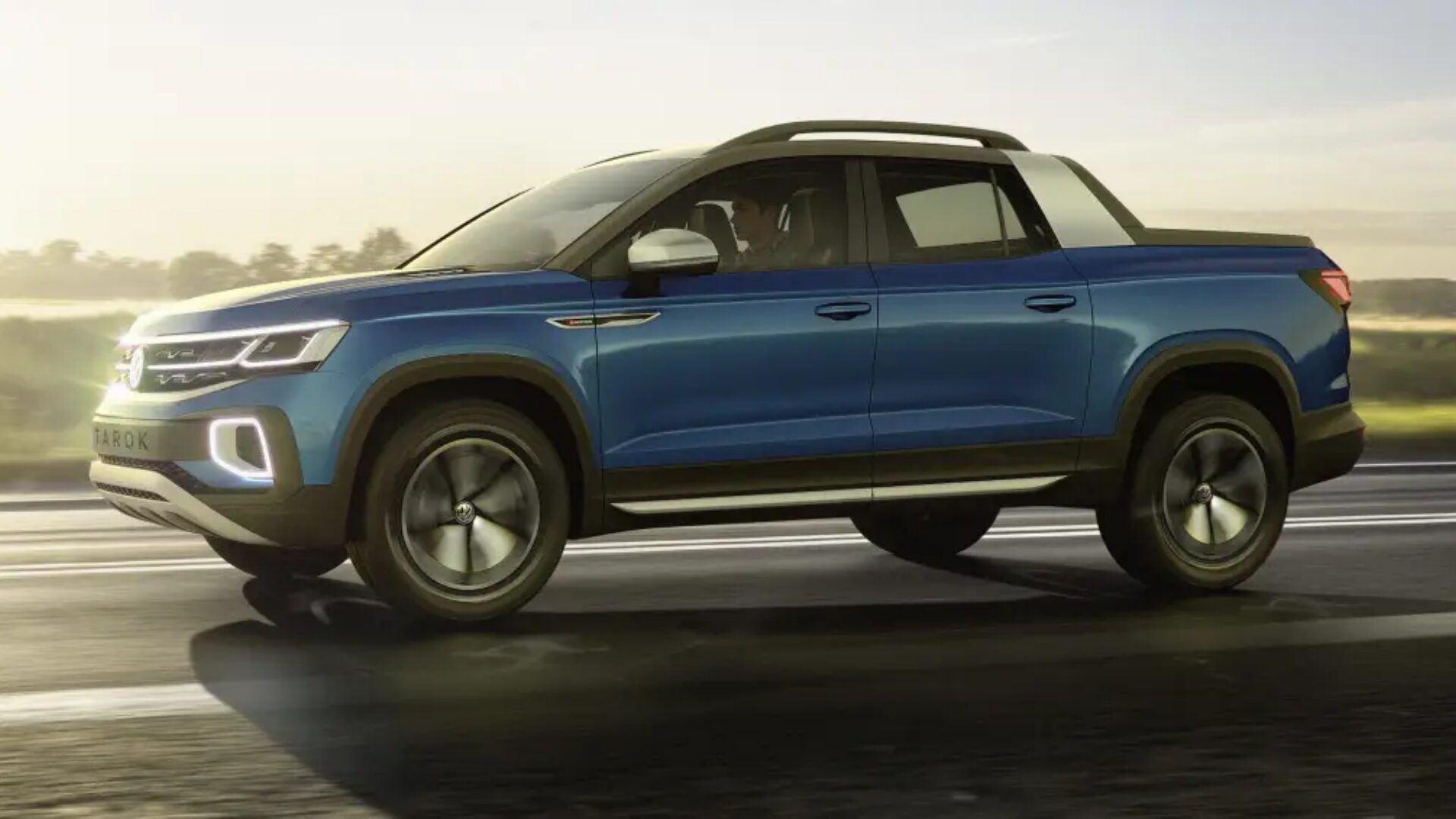
The New Pickup Truck Will Be Produced in São José dos Pinhais and Will Bring Advanced Technology and Efficiency to the Pickup Market
Volkswagen is about to revolutionize the pickup market in Brazil with the launch of its new pickup truck Udara, scheduled for the first half of 2026. This mid-size pickup, positioned between the compact Saveiro and the medium Amarok, emerges as a response to the growing demands of the segment, aiming to compete with models like Fiat Toro and Renault Niagara.
Investment and Local Production
The Udara will be produced at the São José dos Pinhais plant in Paraná, where Volkswagen is already manufacturing the T-Cross and Virtus. The automaker is investing R$ 3 billion to modernize the plant, which will include infrastructure improvements, team training, and equipment upgrades. This investment is part of a broader plan totaling R$ 20 billion for South America by 2029, with R$ 16 billion allocated to Brazil, which includes plans for 17 new launches, covering flex, hybrid, and electric vehicles.
Features of the New Pickup
The Udara will be built on the MQB-A0 platform, the same used in models like T-Cross, Virtus, and Polo, ensuring production efficiency. The model will feature a 48-volt mild hybrid engine, which will replace the alternator and starter motor, helping to reduce fuel consumption. The 1.5 TSI Evo2 flex engine, with 150 hp and 25.5 kgfm of torque, will be paired with an eight-speed automatic transmission for smooth shifts and energy efficiency.
-
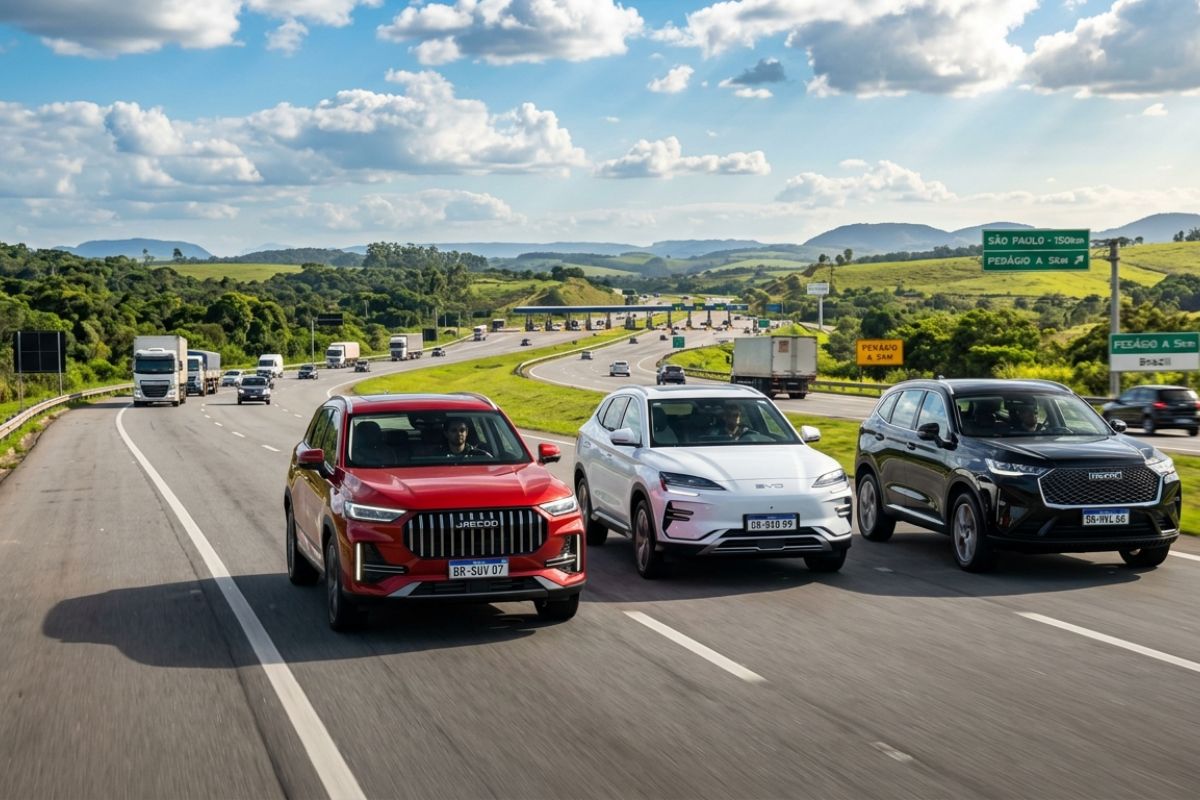
600 km with three Chinese plug-in SUVs, same mode and air conditioning on: Jaecoo 7, BYD Song Plus, and Haval H6 hit the road, and the pump reveals who was truly the most economical.
-
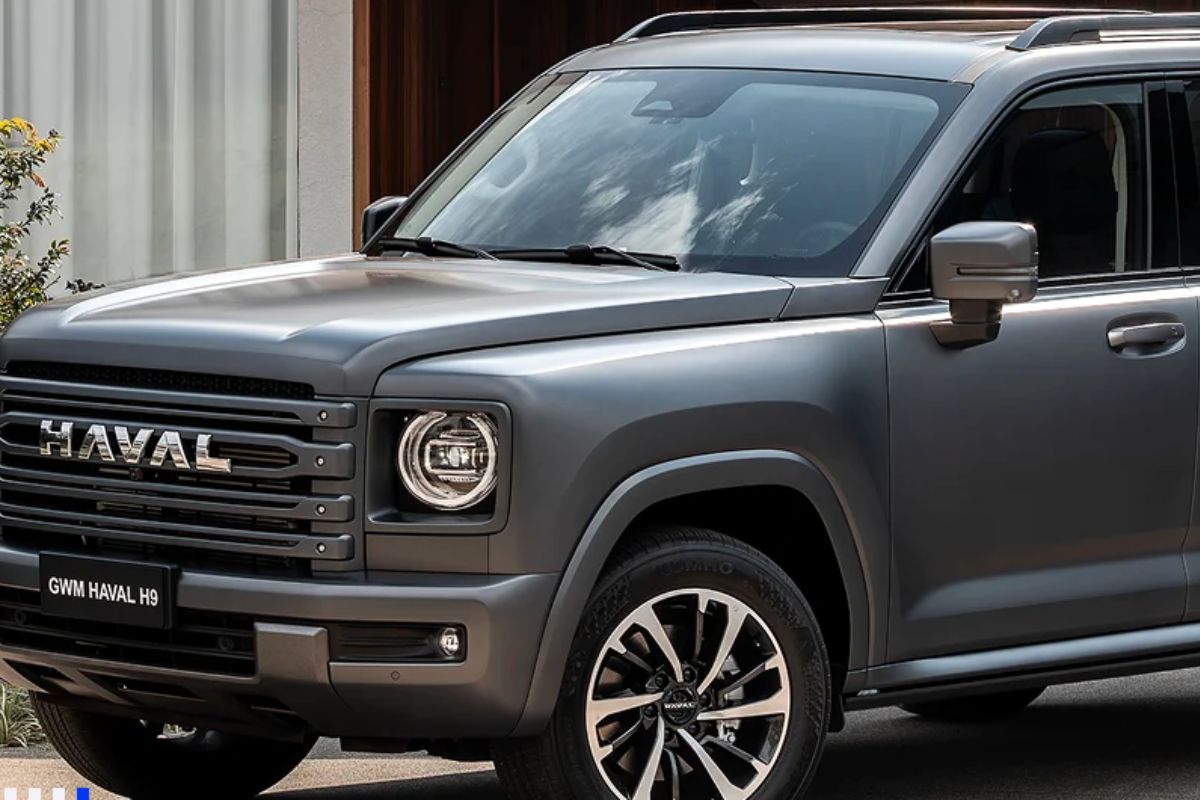
With a price almost R$ 100 thousand lower, the Haval H9 surpasses the SW4 for the first time in March, but Toyota still leads in the accumulated total for 2026; the Chinese SUV bets on technology and premium finishing to compete at the top.
-
6 used cars that cost less than a new Honda CG 160 Titan and still provide trunk space, four seats, and comfort that many new motorcycles cannot offer.
-
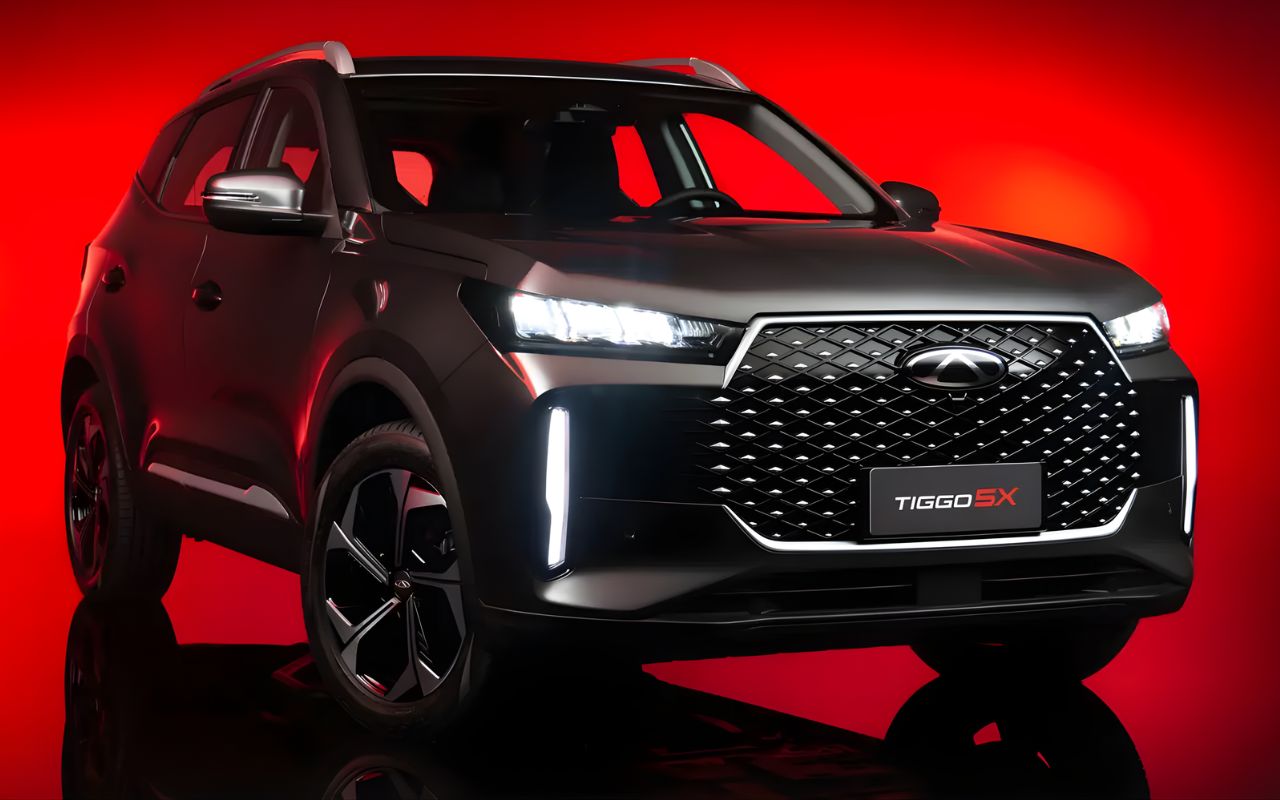
Caoa Chery Tiggo 5X skyrockets in sales in Brazil: a 2,318% increase and waiting lists of up to 4 months to acquire the model.

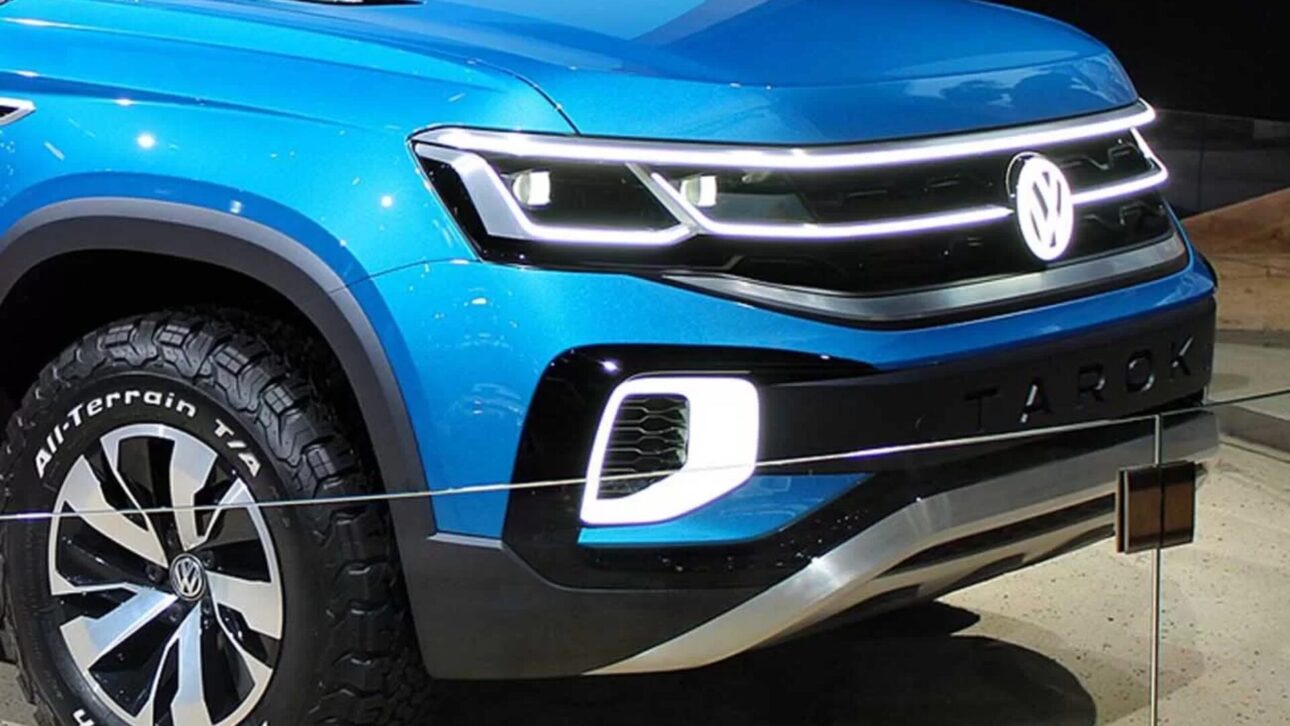
The pickup will have approximate dimensions of 4.75 meters in length, 1.76 meters in width, and 2.80 meters in wheelbase, ensuring a size similar to that of the Chevrolet Montana. With a rear suspension featuring a rigid axle and semi-elliptic springs, the Udara promises robustness and high load capacity, while the front suspension will be inherited from the T-Cross. The onboard technology will include a 10-inch multimedia center, a driver assistance package (ADAS), and advanced connectivity.
End of the Saveiro Era
The arrival of the Udara will also mark the end of production for the traditional Saveiro, which will be retired after 45 years of history. Launched in 1982 as a derivative of the Gol, the Saveiro gained a loyal customer base for its versatility and robustness. Although it still maintains good market acceptance, especially in the Robust and Trendline versions, its PQ24 platform cannot support currently demanded technologies.
The decision to discontinue the Saveiro reflects the need to modernize Volkswagen‘s product line. The new pickup, with its MQB-A0 platform and advanced technologies, will be an indirect successor, occupying a broader and more profitable market segment. While the Saveiro has left a lasting legacy, Volkswagen is focused on preparing its lineup for the future, with the Udara as one of the pillars of this transition.
Competition in the Pickup Segment
The mid-size pickup market in Brazil is rapidly expanding, with the Fiat Toro, Chevrolet Montana, and Ford Maverick leading the way. The Udara arrives at a strategic moment, especially with growing competition, such as the upcoming Renault Niagara and the pickup based on the Corolla from Toyota. Volkswagen is betting on a competitive price, hybrid technology, and versatility to capture a significant share of this market, which attracts both fleets and end consumers.
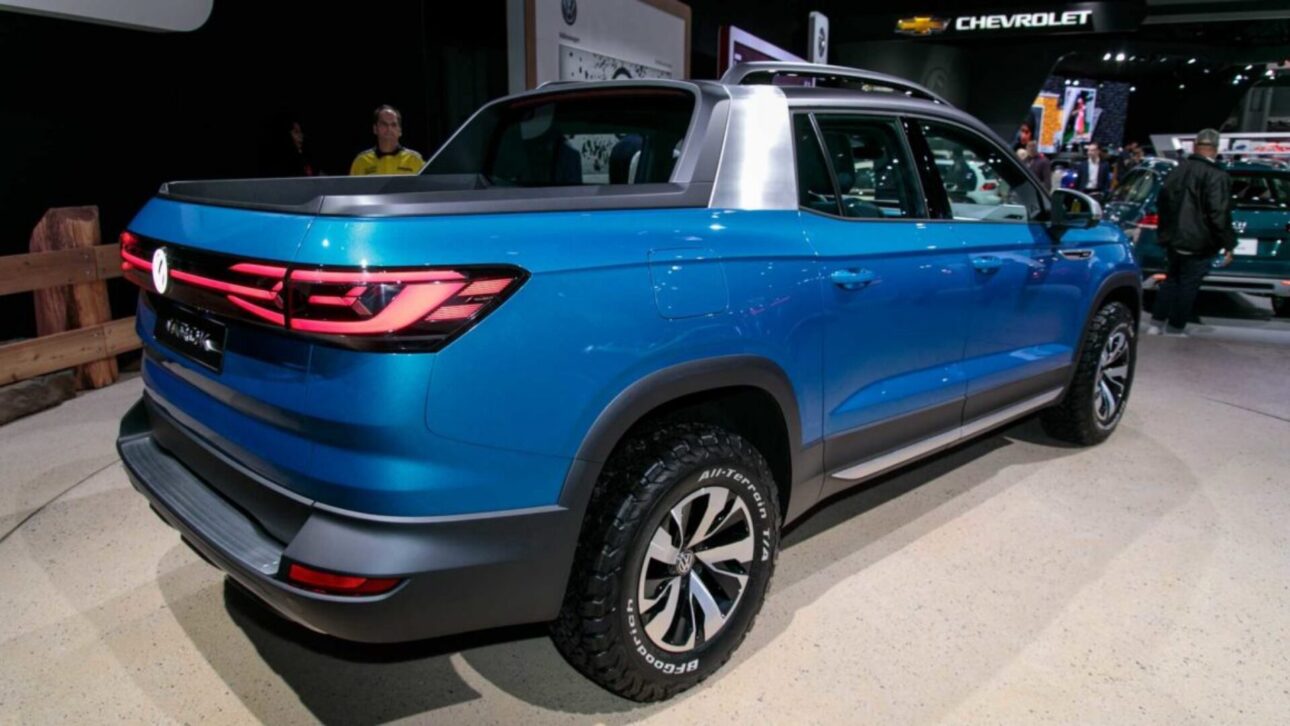
Estimated prices for the Udara are expected to range between R$ 120,000 and R$ 180,000, positioning it as an attractive option for consumers. The Fiat Toro, the segment leader, offers a wide range of versions, while the Chevrolet Montana stands out for its cost-benefit ratio. The Ford Maverick, with a premium proposition, starts at R$ 190,000, and the Renault Niagara promises a bold design and aggressive pricing.
Technological Innovations and Sustainability
The Udara not only represents an advancement in design and performance but is also a significant step in Volkswagen‘s decarbonization strategy. The 48-volt mild hybrid system will allow the combustion engine to be turned off at cruising speeds, reducing emissions and increasing the overall efficiency of the vehicle. This approach reflects the growing concern of the automaker with sustainability and the adaptation to market demands for more eco-friendly solutions.
Additionally, the pickup will feature a range of advanced technological resources, including smartphone connectivity, navigation systems, and virtual assistants that enhance the user experience. The integration of driver assistance features, such as adaptive cruise control and collision alerts, will also be present, raising safety and comfort standards.
Expectations and Market Impact
With the introduction of the Udara, Volkswagen expects not only to meet the demand for pickups but also to create a new standard for the segment. The combination of a hybrid engine, advanced technology, and robust design aligns with consumer trends that value efficiency and innovation.
The local production of the Udara will also have a significant impact on the regional economy, generating jobs and strengthening the supply chain. With the modernization of the São José dos Pinhais factory, Volkswagen reaffirms its commitment to the Brazilian automotive industry and its contribution to the country’s economic development.
Volkswagen’s Future Vision
The launch of the Udara marks an important step in the evolution of Volkswagen in Brazil. The automaker is positioning itself as a leader in innovation and sustainability, preparing to face the challenges of a constantly changing automotive market.
In addition to continuing to offer quality vehicles, Volkswagen is investing in technologies that meet the needs of modern consumers. The Udara will be a clear example of this commitment, demonstrating how the brand is adapting for the future while keeping its rich heritage and commitment to excellence in mind.
SOURCE: MIXVALE




Seja o primeiro a reagir!