





 Portuguese
  English
  Spanish
  4 min of reading
  16 comments


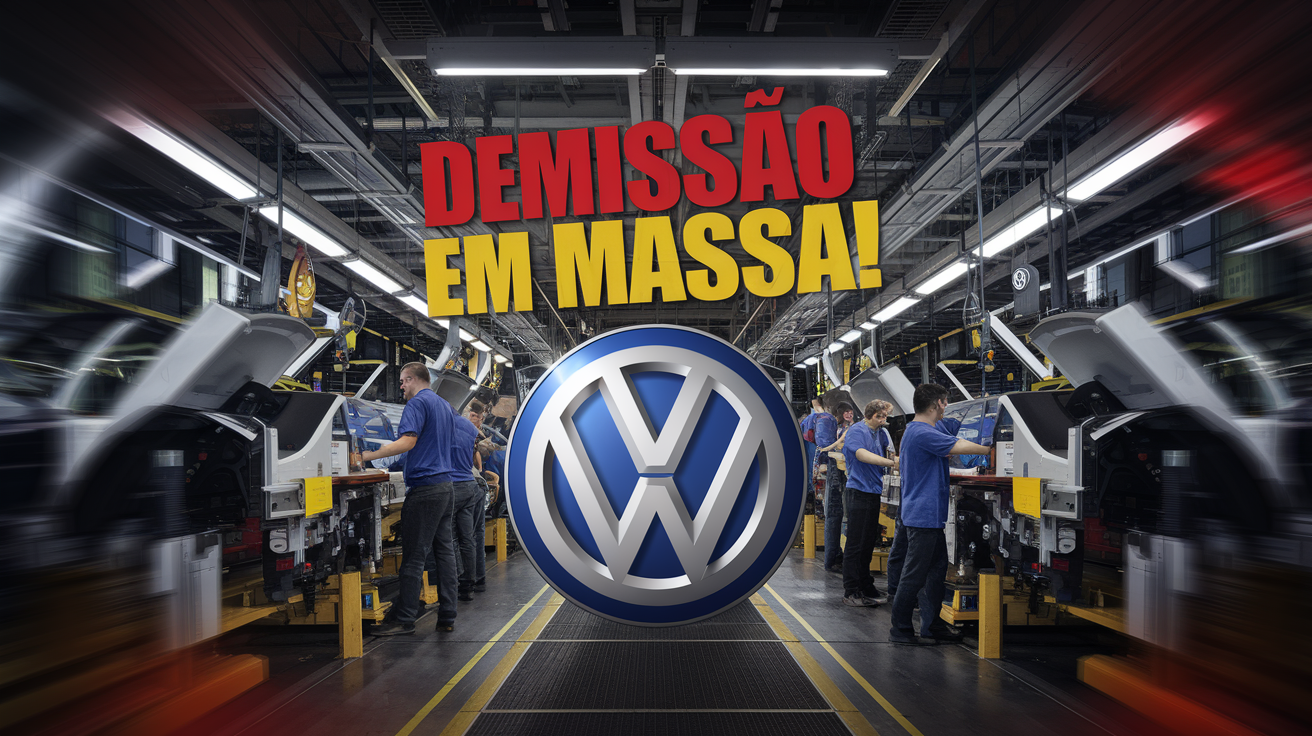


Unprecedented Crisis at Volkswagen! The German Automaker Faces Factory Closures, Layoffs, and Strikes. Find Out All About the Impact in Europe and China.
Behind the scenes of one of the largest automakers in the world, an unprecedented crisis threatens to change the history of the automotive industry.
Although Volkswagen is recognized as a symbol of German industrial strength, the current moment calls into question decades of stability.
The tension has escalated in recent weeks, and rumors of layoffs and factory closures have finally been confirmed by the company itself.
-
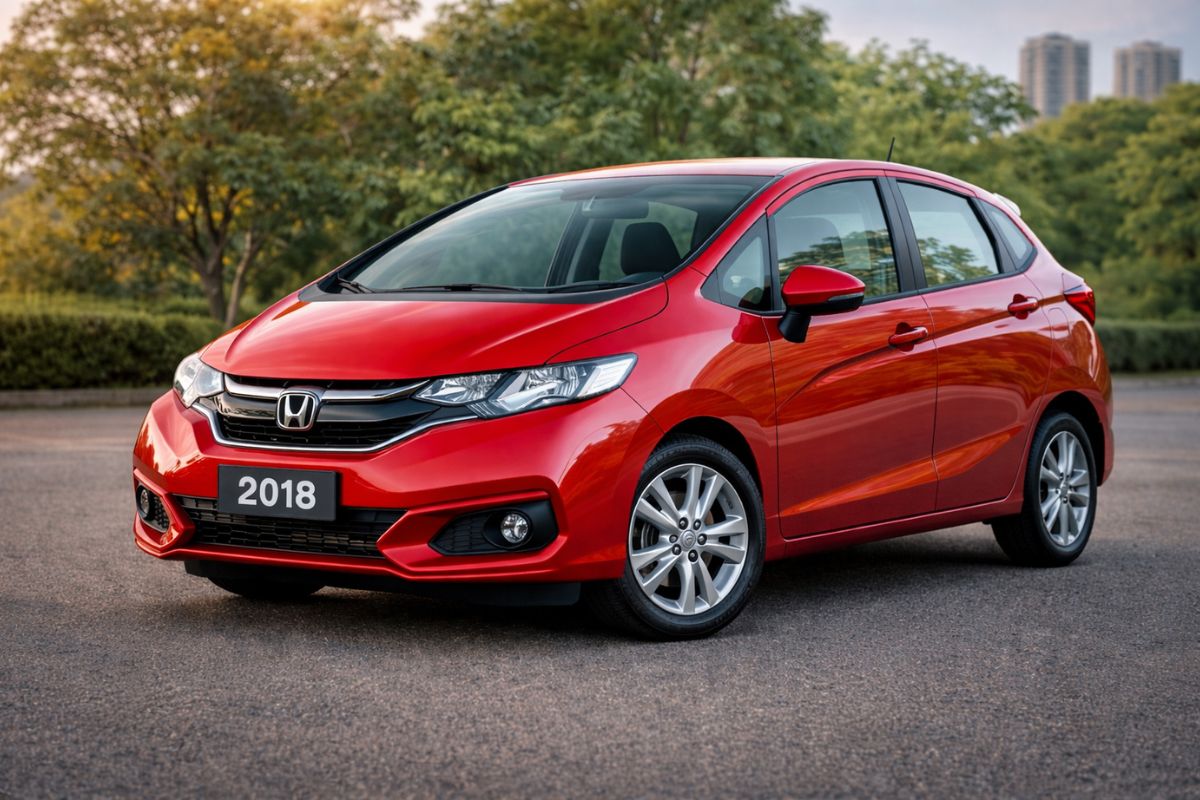
The Honda Fit has been discontinued for years, but the 2018 model is worth more today in the Fipe table than it cost brand new, proving that this used car, valued with a 1.5 i-VTEC engine and Magic Seat, only increases in price.
-
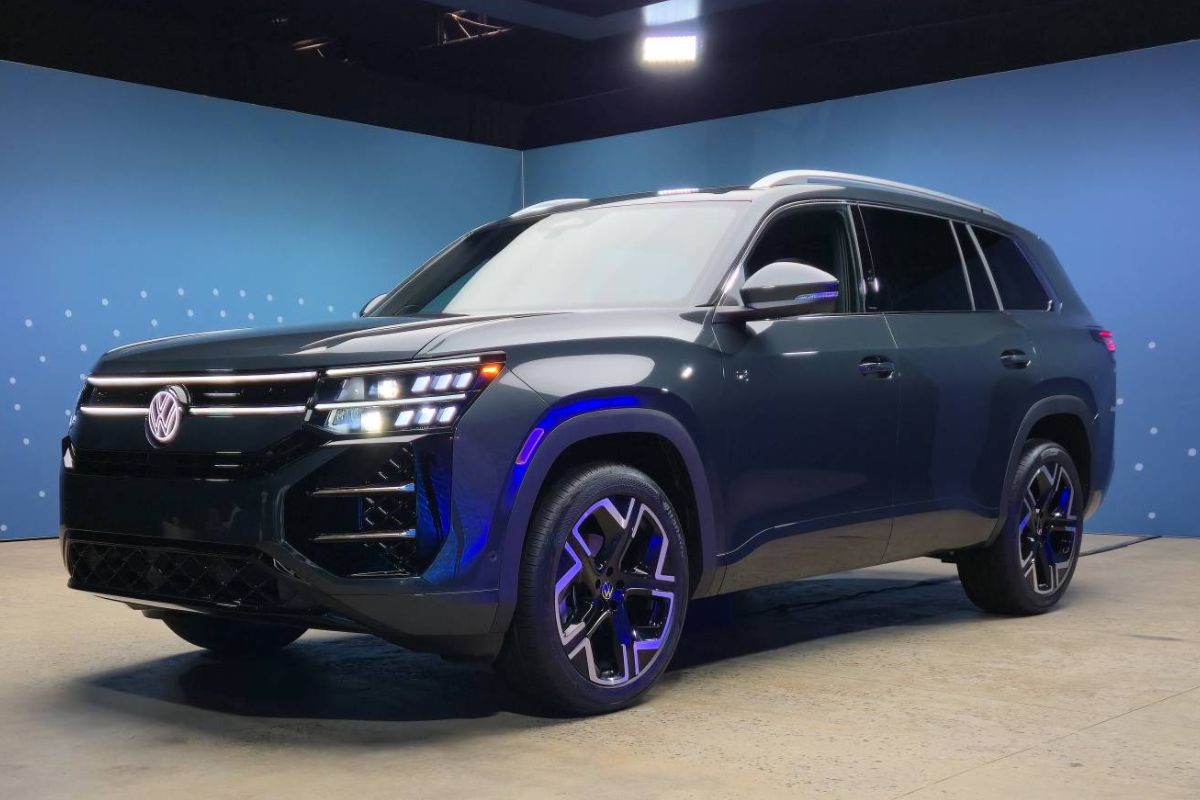
Volkswagen unveiled the 2027 Atlas with a 282-horsepower EA888 turbo engine, a 15-inch screen, massage seats, and a completely new interior to finally elevate the three-row SUV built on the MQB platform to a new level.
-
IPTU exemption for seniors in 2026: see how to secure the benefit.

-
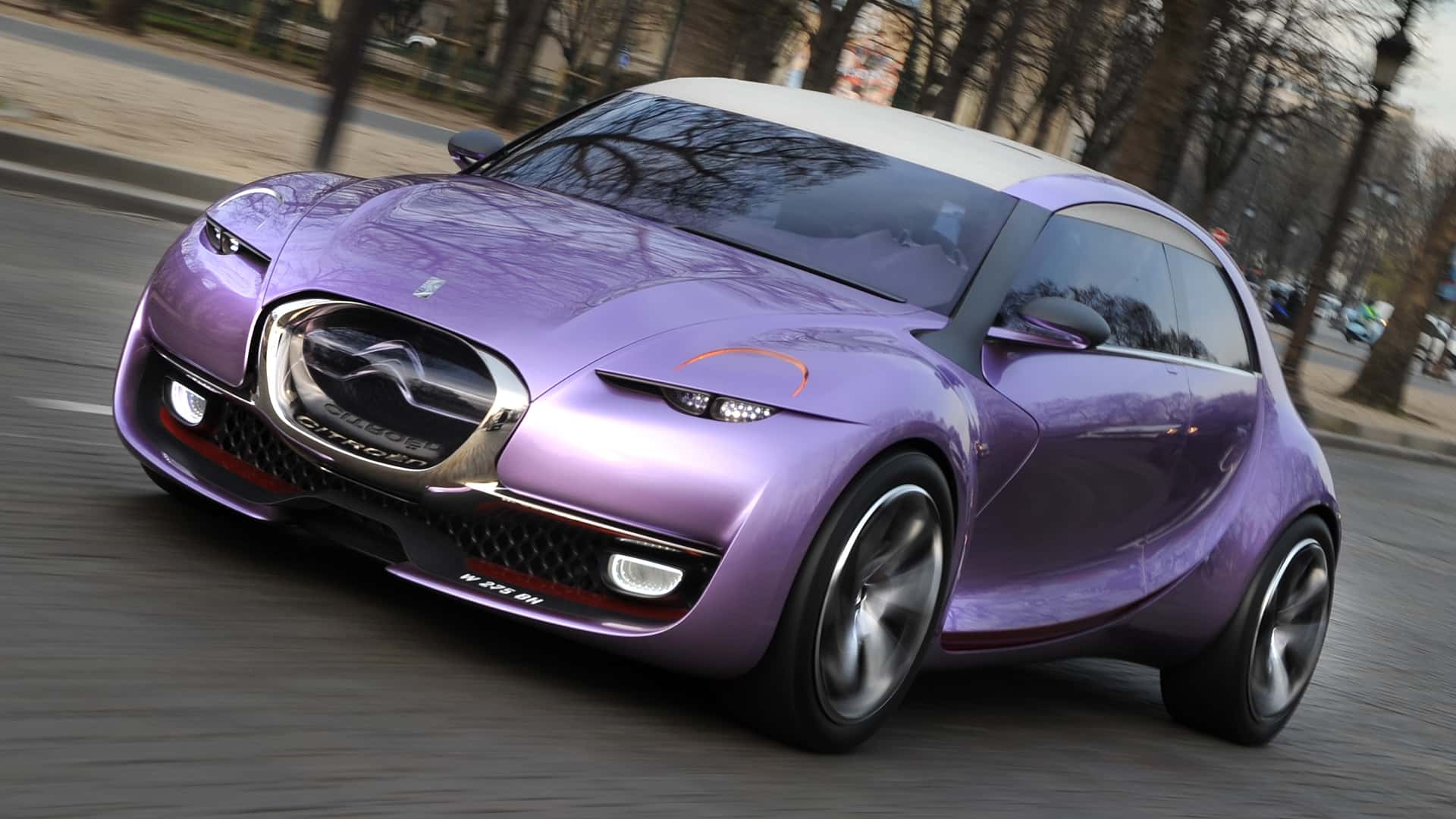
After decades out of the spotlight, Citroën is preparing to bring back the legendary 2CV as a low-cost electric vehicle, betting on the revival of one of the most popular cars in history and aiming to enter the race for affordable compact cars.

However, the impact of the changes goes far beyond numbers or administrative decisions. The crisis is directly affecting workers, unions, and even the global image of the automaker.
Volkswagen’s Plan: Cuts and Factory Closures
Volkswagen CEO Thomas Schäfer confirmed that the company will undergo drastic cuts to face the current economic crisis.
Among the announced measures are early retirement programs, operational cost reductions, and, more alarmingly, the closure of production units.
The factories in Dresden and Osnabrück, Germany, are among the most threatened. Both play an essential role in the production of iconic vehicles like the Porsche Cayman and the ID.3.
A third plant at risk is the one in Emden, which currently manufactures electric models like the ID.4 and the ID.7.
If the forecasts materialize, it will be the first time in history that Volkswagen closes factories on German soil, a concerning milestone for the country’s economy.
Social Impact: Tense Negotiations and Strike Threats
The announcement generated immediate reactions. The IG Metall union, representing workers at the affected factories, has intensified negotiations with Volkswagen in an attempt to avoid such severe measures.
However, so far, the talks have not reached a consensus, and the possibility of strikes is being openly discussed.
Internal sources indicate that shutdowns could be announced as early as early December if negotiations do not advance.
Tension increases each day, and the atmosphere in the factories already reflects the weight of uncertainties.
Europe and China: The Epicenters of the Crisis
The crisis at Volkswagen did not come out of nowhere. The European automotive market, still trying to recover from the pandemic’s impact, has shrunk significantly, affecting the automaker’s sales.
According to Arno Antlitz, the brand’s chief financial and operational officer, Volkswagen is facing a loss of about 500,000 cars sold per year, directly harming its revenue.
In China, which for decades has been a key market for the company, the situation is even more alarming.
The automaker lost its leading position in the Chinese market in 2023 to BYD, a local electric vehicle manufacturer.
Chinese consumers, previously loyal to foreign brands, now prefer vehicles from domestic companies, putting Volkswagen in a disadvantageous position.
Oliver Blume, another executive at the automaker, reinforced that the company can no longer count on the profits once guaranteed by the Chinese market. “The checks from China no longer exist,” he stated.
The Future of Volkswagen and the German Industry
In addition to the direct economic impact, the closure of factories may cause significant collateral effects on the German economy.
Volkswagen employs thousands of people in its manufacturing units, and mass layoffs could lead to a significant rise in unemployment in regions already affected by industrial crises.
Experts warn that the decision could further undermine market confidence in Germany’s ability to maintain its position as a leader in the global automotive industry.
Outlook for Workers
As Volkswagen moves forward with its restructuring plan, workers face an uncertain scenario.
Although early retirement programs have been proposed, many employees fear losing their jobs without clear alternatives.
The union pressure will be decisive in the coming weeks, especially with strike threats looming.
Conclusion: A Watershed Moment
The scenario unfolding for Volkswagen represents much more than an internal crisis. The situation reflects profound changes in the global automotive market, with challenges both in traditional economies and in emerging markets.
How the automaker manages this critical moment could define not only the future of the company but also that of the automotive industry itself.
What do you think? Do you believe Volkswagen will be able to overcome this crisis without compromising its historic position in the global market? Leave your opinion in the comments!





A Volkswagen tem que voltar às origens. Confiabilidade é o bem mais precioso de uma empresa. Problemas com a Amarock e o motor EA 111 derrubaram muito dessa confiança. Desde 1972, eu tive foscas, gols, voyages, paratys. Há mais de ano, uso um Hb20 de um filho. E estou gostando.
a Volkswagen é a mãe de fabricação montadora de carros e o resto das montadoras aprenderam com ela com certeza ela vai superar porque ela é a melhor desse universo
Sempte os vendrdores da volks faziam pouco caso dos clientes dizendo vão ter que esperar e agora? Estão todos desesperados Deus tarda mas jamais falha
Tive varios mas GM sempre foi mais atenciosa e dava garantias e mesmo apos o vencimento do prazo e isso faz o fregues ficar ciente de que vsle a pena!!!