





 Portuguese
  English
  Spanish
  4 min of reading
  2 comments


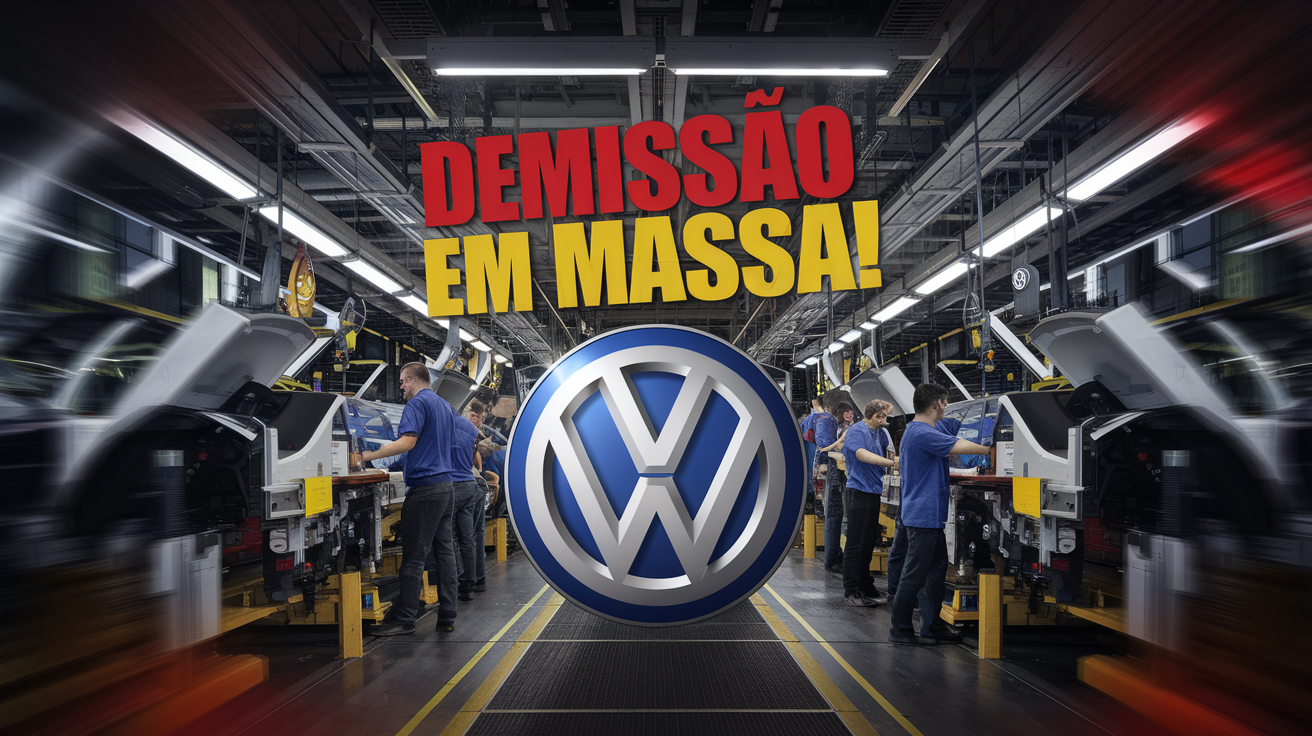


Unprecedented Crisis at Volkswagen! The German Automaker Faces Factory Closures, Layoffs, and Strikes. Find Out Everything About the Impact in Europe and China.
Behind the scenes at one of the largest automakers in the world, an unprecedented crisis threatens to change the history of the automotive industry.
Although Volkswagen is recognized as a symbol of German industrial strength, the current moment puts decades of stability into question.
Tension has grown over the past few weeks, and rumors of layoffs and factory closures have finally been confirmed by the company itself.
-
A 250cc motorcycle that can reach 560 km with a 14-liter tank, features disc brakes on both wheels and is among the most well-known in Brazil.

-
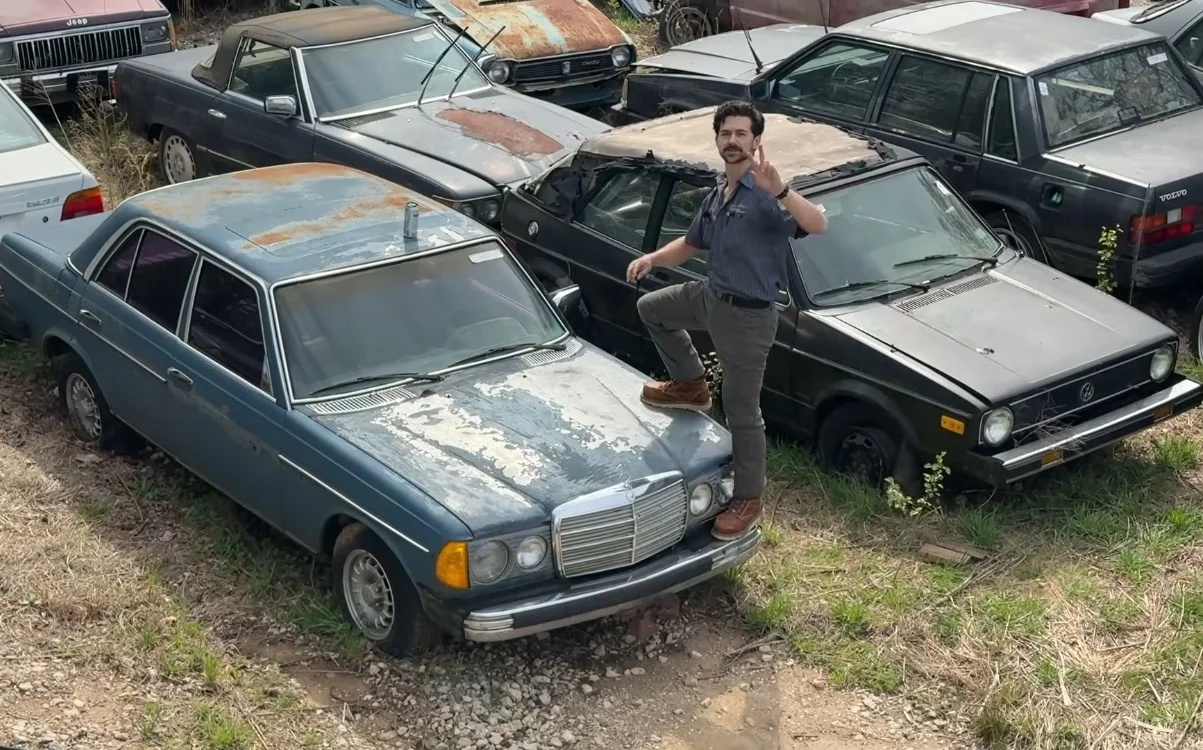
Man finds over 200 rare cars abandoned on a lot and tries to do the impossible in 8 hours with a surprise at the end.
-
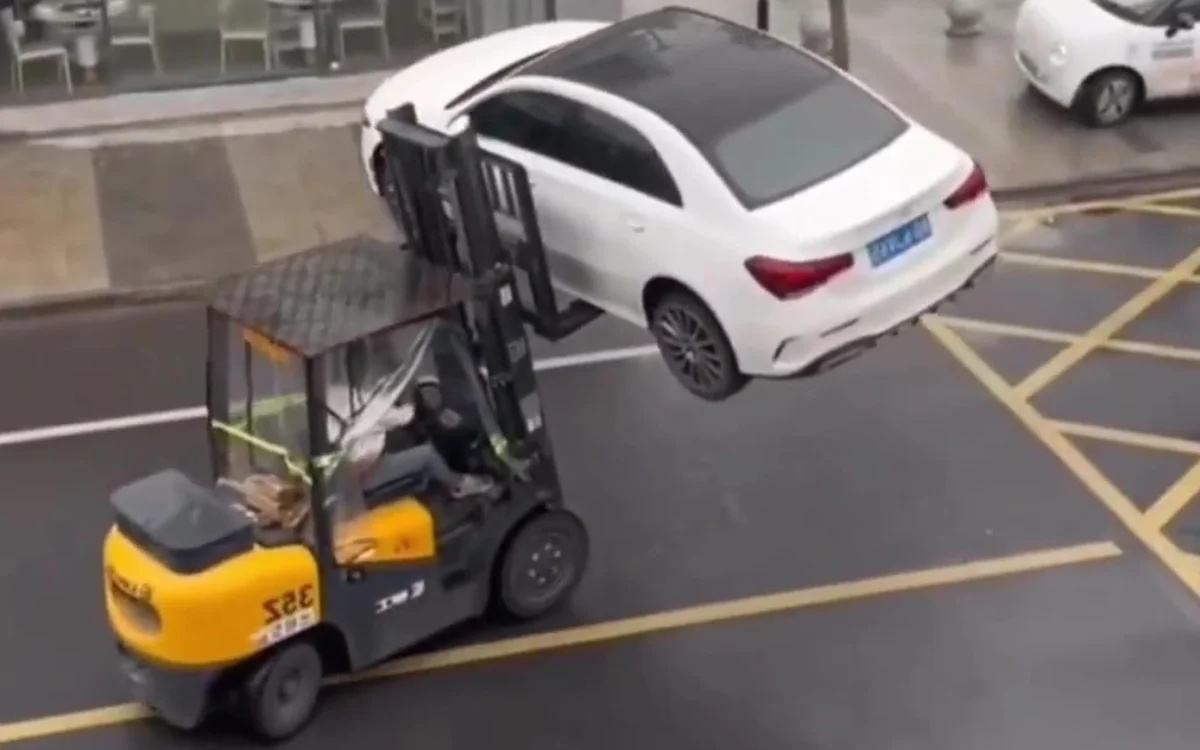
An irregular parking case gains attention after a Mercedes Classe A was removed in such a strange way that it even raised doubts about damage to the car.
-
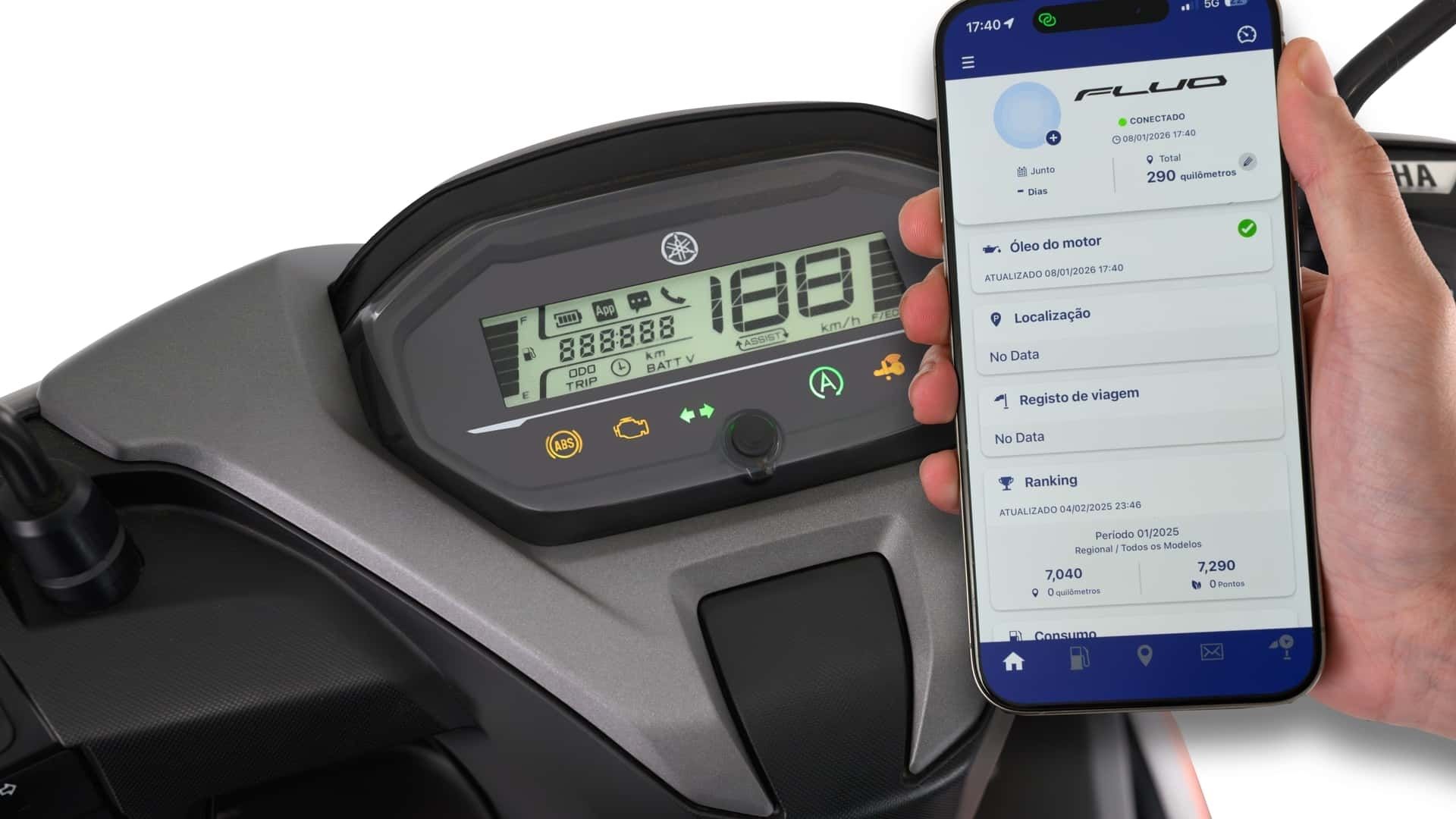
Costing R$ 16,000, the new Yamaha features a 125 cc hybrid engine with electric assistance, delivers 8.3 hp, includes ABS, optimized fuel consumption, Y-Connect connectivity, 25 liters of storage space, and a surprising 4-year warranty in the urban segment.

However, the impact of the changes goes far beyond numbers or administrative decisions. The crisis is directly affecting workers, unions, and even the global image of the automaker.
Volkswagen’s Plan: Cuts and Factory Closures
Volkswagen’s CEO, Thomas Schäfer, confirmed that the company will undergo drastic cuts to face the current economic crisis.
Among the announced measures are early retirement programs, operational cost reductions, and, more alarmingly, the closure of manufacturing units.
The factories in Dresden and Osnabrück, Germany, are among the most threatened. Both play an essential role in the production of iconic vehicles, such as the Porsche Cayman and the ID.3.
A third plant at risk is in Emden, which currently manufactures electric models like the ID.4 and ID.7.
If predictions are realized, it will be the first time in history that Volkswagen closes factories on German soil, a concerning milestone for the country’s economy.
Social Impact: Tense Negotiations and Strike Threats
The announcement generated immediate reactions. The IG Metall union, which represents the workers from the affected factories, has intensified negotiations with Volkswagen in an attempt to avoid such severe measures.
So far, however, the talks have not reached a consensus, and the possibility of strikes is being openly discussed.
Internal sources indicate that stoppages could be announced as early as December if negotiations do not progress.
Tension increases each day, and the atmosphere in the factories already reflects the weight of uncertainties.
Europe and China: The Epicenters of the Crisis
Volkswagen’s crisis did not emerge from nowhere. The European automotive market, still trying to recover from the impact of the pandemic, has significantly contracted, affecting the automaker’s sales.
According to Arno Antlitz, the brand’s chief financial and operational officer, Volkswagen faces a loss of about 500,000 cars sold per year, directly impacting revenue.
In China, which for decades has been a key market for the company, the situation is even more alarming.
The automaker lost its lead in the Chinese market in 2023 to BYD, a local electric vehicle manufacturer.
The Chinese consumer, once loyal to foreign brands, now prefers vehicles from domestic companies, putting Volkswagen in an unfavorable position.
Oliver Blume, another executive at the automaker, stressed that the company can no longer rely on profits previously guaranteed by the Chinese market. “The checks from China no longer exist,” he stated.
The Future of Volkswagen and the German Industry
In addition to the direct economic impact, the closure of factories could cause significant collateral effects on the German economy.
Volkswagen employs thousands of people in its manufacturing units, and mass layoffs could lead to a significant increase in unemployment in regions already affected by industrial crises.
Experts warn that the decision could further shake market confidence in Germany’s ability to maintain its position as a leader in the global automotive industry.
Prospects for Workers
As Volkswagen moves forward with its restructuring plan, workers face an uncertain scenario.
While early retirement programs have been proposed, many employees fear losing their jobs without clear alternatives.
The union pressure will be decisive in the coming weeks, especially with threats of strikes hanging in the air.
Conclusion: A Turning Point
The scenario unfolding for Volkswagen represents much more than an internal crisis. The situation reflects profound changes in the global automotive market, with challenges in both traditional economies and emerging markets.
How the automaker handles this critical moment could define not only its future but also that of the automotive industry itself.
What do you think? Will Volkswagen be able to overcome this crisis without compromising its historic position in the global market? Leave your opinion in the comments!







Está pagando o preço da soberba , chegou a concorrência a altura e deu nisso aí !
Eu acho que nada dura para sempre e a cada dia que passa a concorrência fica mais acirrada
Acredito que a VW é gigante e é questão de tempo para ela contornar os problemas e voltar a crescer e a liderar nos mercados onde atua