





 Portuguese
  English
  Spanish
  3 min of reading


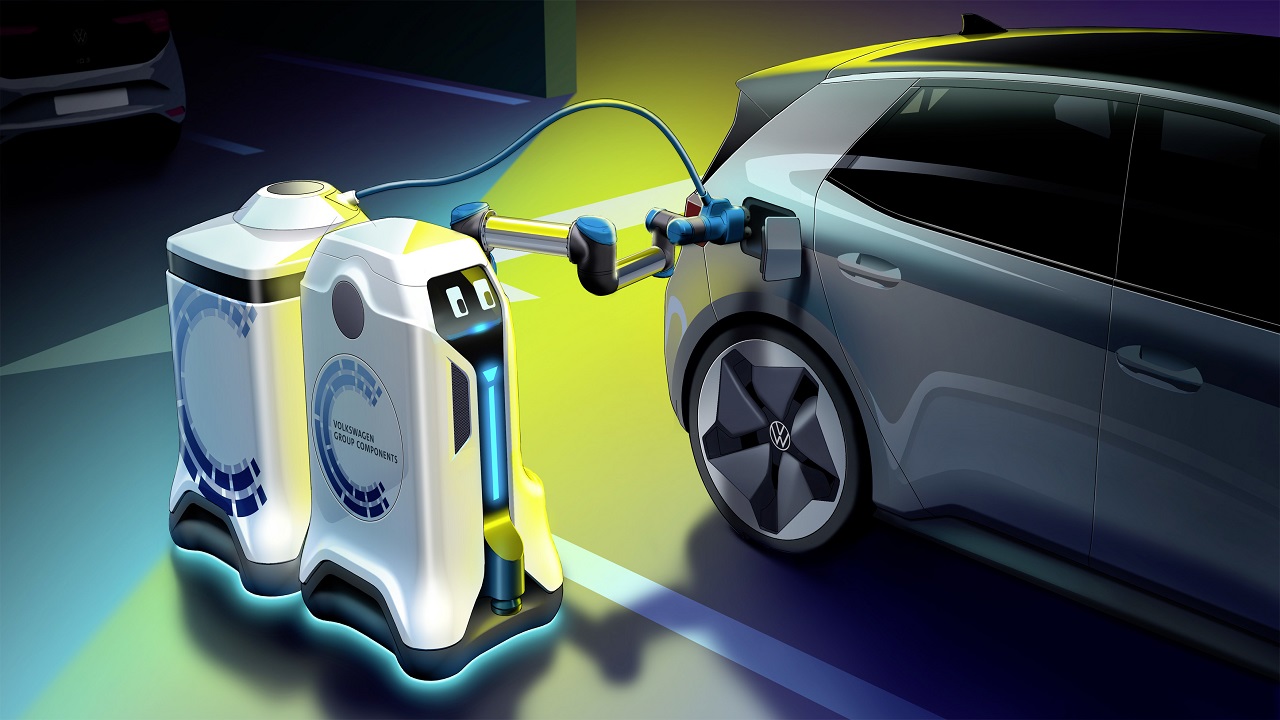
Volkswagen Formed A New Partnership With BP To Encourage The Use Of Electric Cars Through Investments In Charging Points In European Countries.
Volkswagen has just taken another step in the development of infrastructure for electric mobility and announced this Friday (29) a new strategic partnership with British Petroleum (BP), one of the world’s largest oil and gas companies, which plans to transition its operations to renewable energy and electricity. Thus, the German automaker is also fulfilling the promise made on Power Day. The inauguration of the first electric car charging station in Düsseldorf, Germany, marks the beginning of this strategic partnership.
Chargers Will Have Power Up To 150 kW
The partnership between Volkswagen and BP aims to develop access to electric car charging facilities in the most essential European markets, and this is expected to be achieved by 2024, establishing a charging network across Europe. Volkswagen’s new Flexpole charging stations feature an integrated system for battery storage and two charging points.
This type of installation allows one of the biggest obstacles to the rapid expansion of fast charging infrastructure to be overcome, which is the need for high-performance electrical network connections.
-
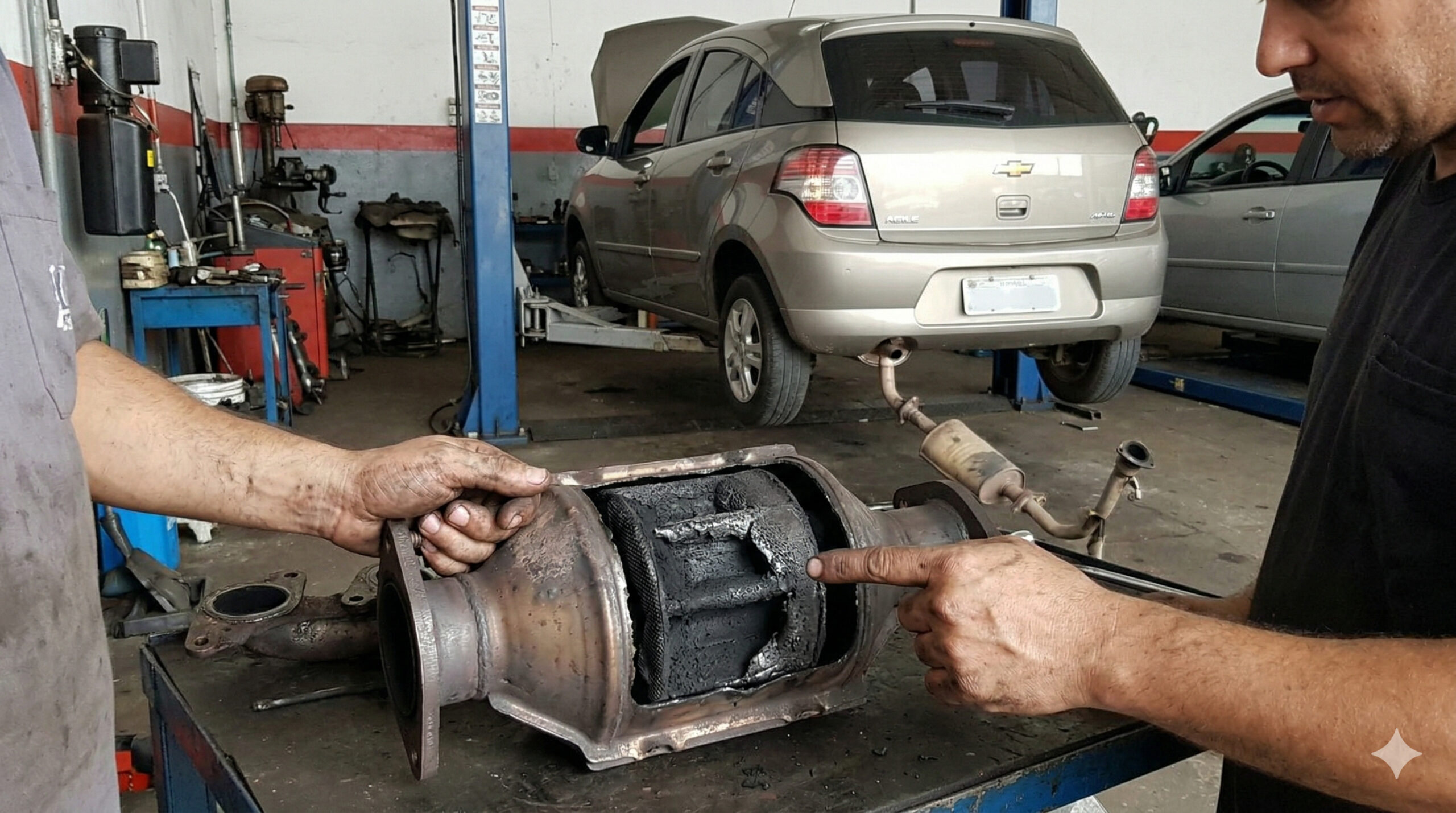
Owners of Chevrolet Agile discover a problem with the catalytic converter that can lead to a bill of up to R$ 4,000, steal engine power, increase fuel consumption, trigger the injection light, and worsen quickly when the first signs are ignored.
-
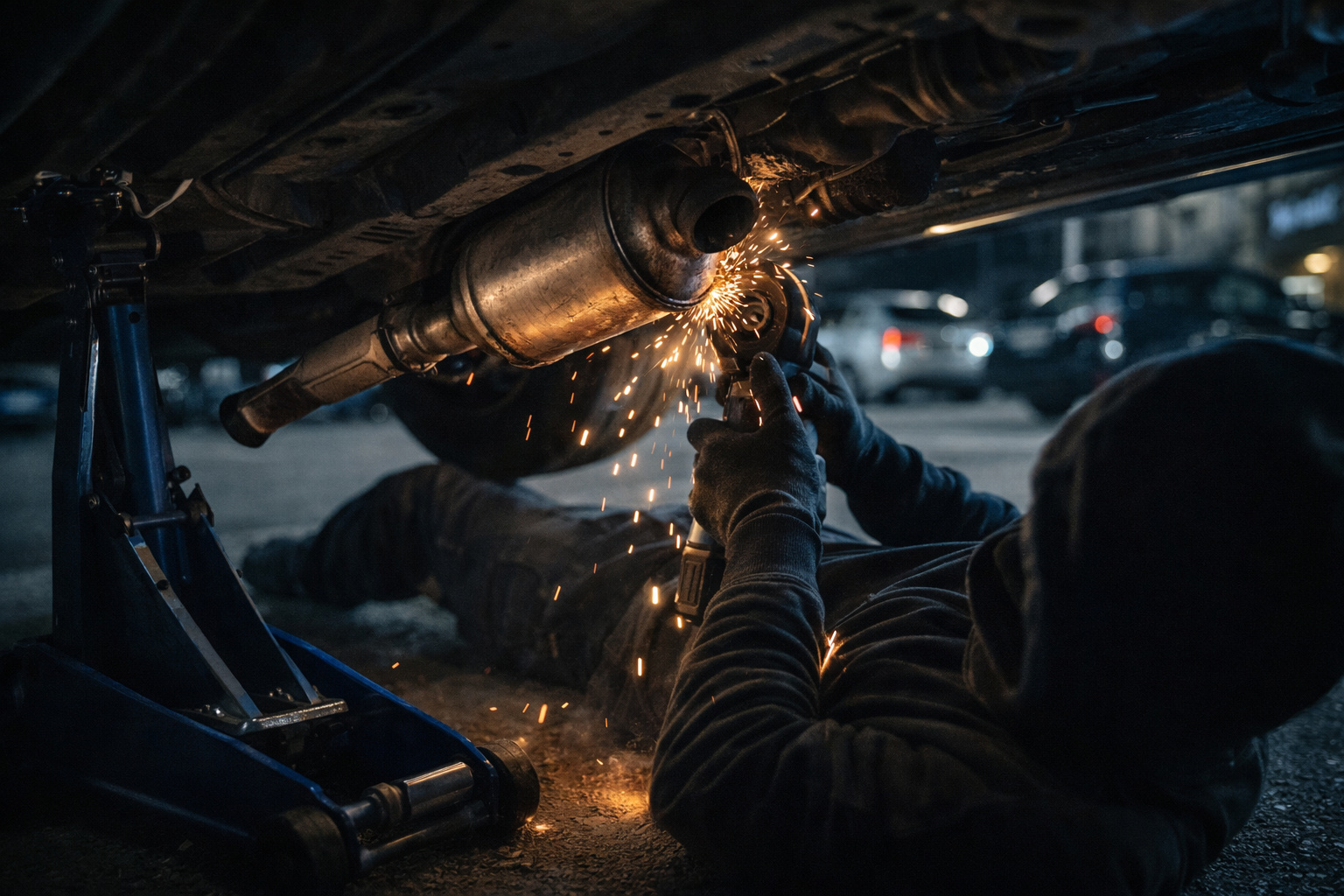
Thefts of catalytic converters are increasing in Brazil, a component that contains platinum, palladium, and rhodium, metals that can be worth more than gold, and can be removed from under a car in less than 2 minutes, causing losses of up to R$ 8,000 and only being noticed when the driver starts the vehicle and hears an extreme noise from the exhaust.
-
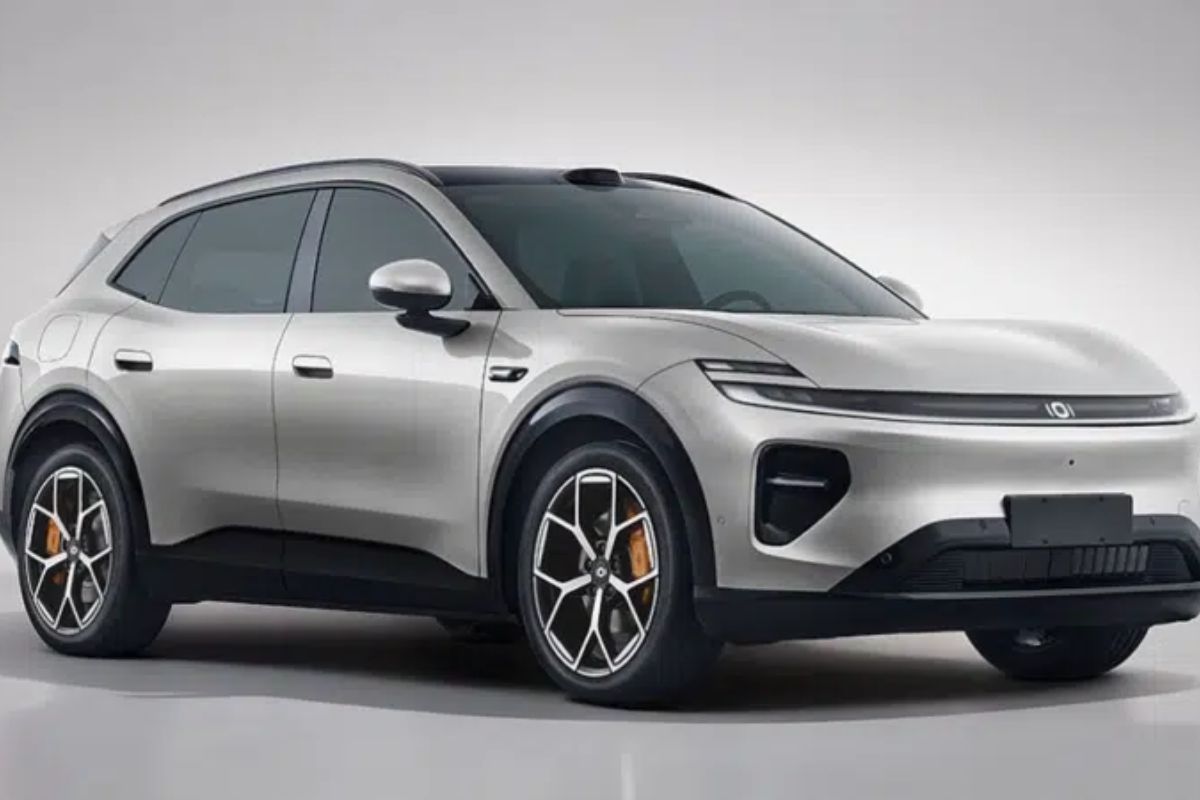
Changan launches Nevo Q06 with 800V architecture and 6C ultra-fast charging, AWD option with two rear motors, EV and EREV versions, LiDAR on the roof, and up to 14 different wheels now.
-
Losses that can exceed R$ 15,000 affect owners of Jeep Renegade and Compass after a failure in the heat exchanger mixes oil with coolant, generating emulsion in the system and causing overheating that can destroy the transmission.
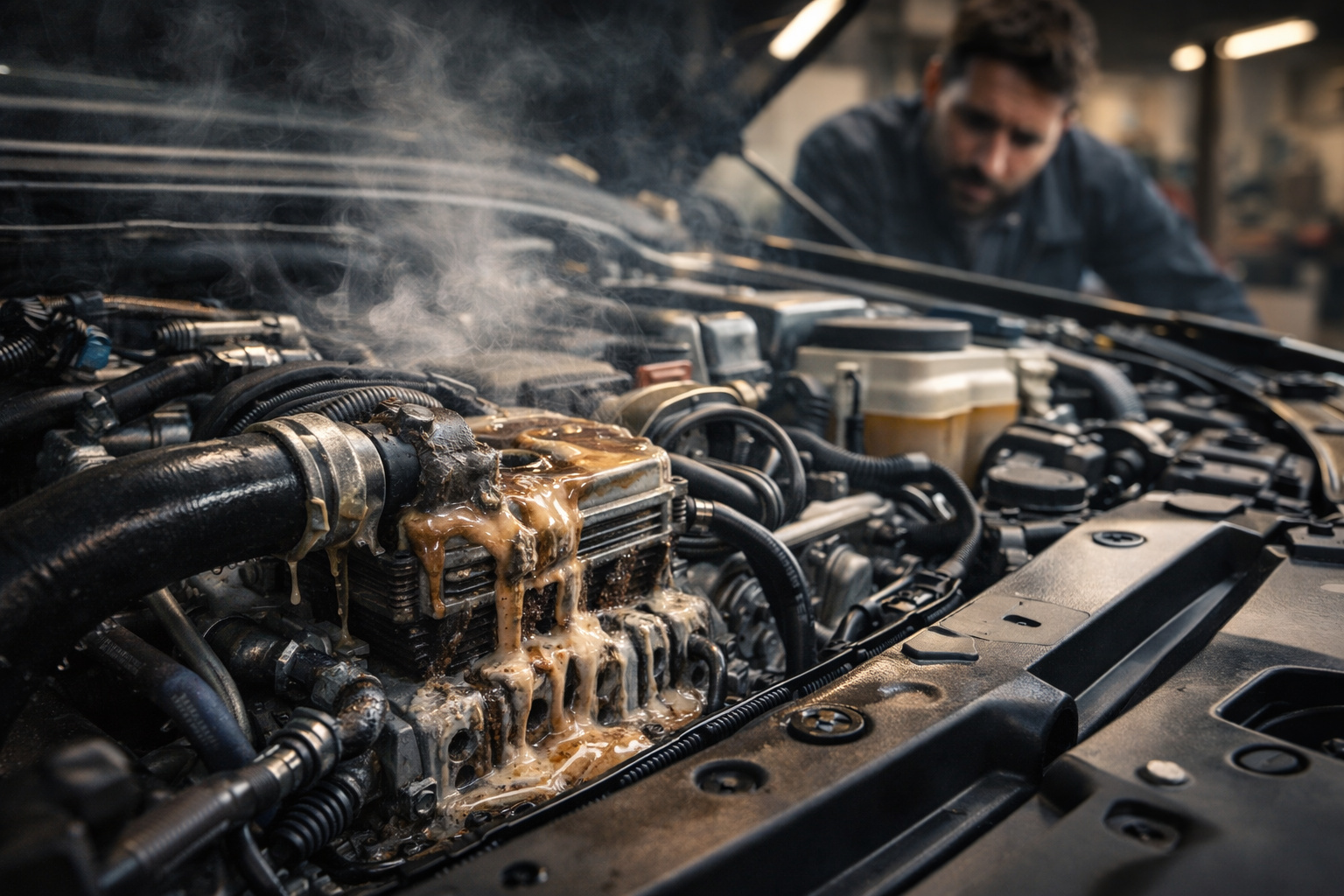
Thus, Volkswagen’s electric car chargers can be connected directly to a low-voltage network, overcoming the need for a dedicated transformer or more expensive works. This change significantly reduces installation time and simultaneously allows a charging speed exceeding 150 kW. It is worth noting that chargers for electric vehicles with a power greater than 50 kW are considered fast charging points.
4,000 Charging Points Will Be Installed By Next Year By Volkswagen and BP
-
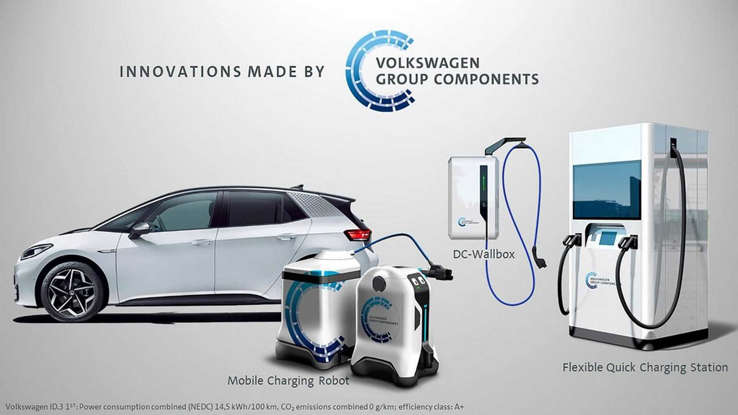
Volkswagen Charging Solutions – Image: insideEvs.com Copyright -
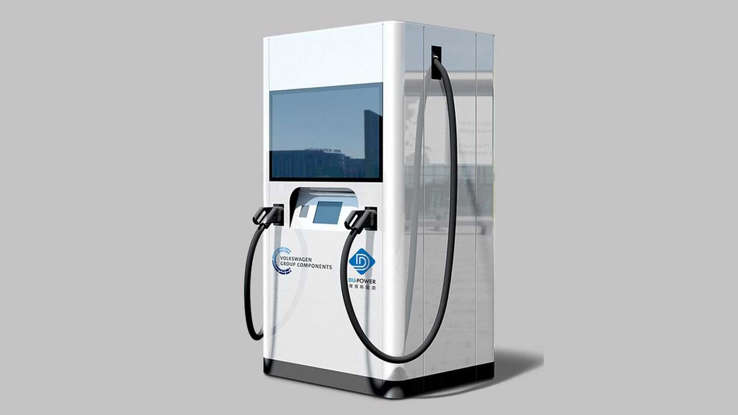
Volkswagen Charging Solutions – Image: insideEvs.com Copyright -
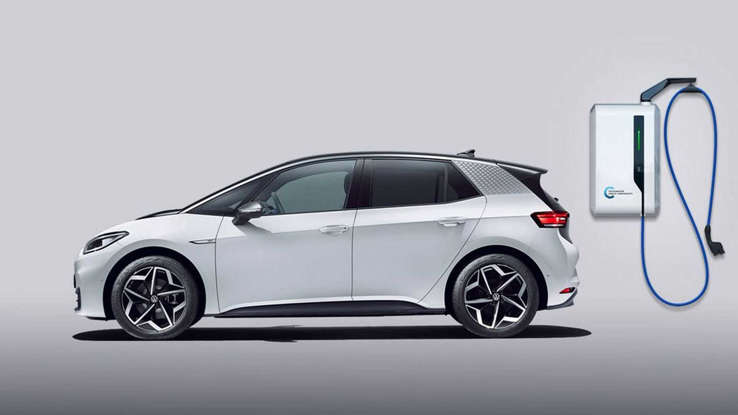
Volkswagen Charging Solutions – Image: insideEvs.com Copyright
Initially, about 4,000 additional charging points will be installed in the United Kingdom and Germany next year through the partnership between Volkswagen and BP. By the end of 2024, a total of 8,000 charging points could be installed in the United Kingdom, Germany, and other European countries.
Considering other initiatives, in addition to the one closed with the German automaker, BP is rapidly expanding its charging network for electric cars across the European continent, primarily at strategically located national charging stations.
The locations of the new charging stations will be integrated into navigation and also into other internal apps of models from the German automaker, SKODA and Seat/Cupra, as well as in the “Elli” charging app from Volkswagen.
Volkswagen and BP Are Already Planning Other Low-Carbon Initiatives
According to Thomas Schmall, CEO of Volkswagen Group Components and member of the Board of Directors of the Volkswagen Group, the expansion of charging infrastructure in Europe is advancing at an accelerated pace, as promised on Power Day. Alongside BP, thousands of fast charging stations will be put into operation in a short time.
The rapid expansion of the charging network is now essential, and Schmall states that the company’s innovative and flexible fast charging stations provide a perfect solution for this. Because the time and cost required for installation are very low.
As part of the agreement signed this week, Volkswagen and BP are also exploring other opportunities to provide future solutions for low-carbon mobility.
In Brazil, where the German automaker plans to launch its first electric cars in the near future, a partnership with Shell is emerging to develop a charging network using the already existing gas stations, but still without many details revealed.






Seja o primeiro a reagir!