





 Portuguese
  English
  Spanish
  3 min of reading


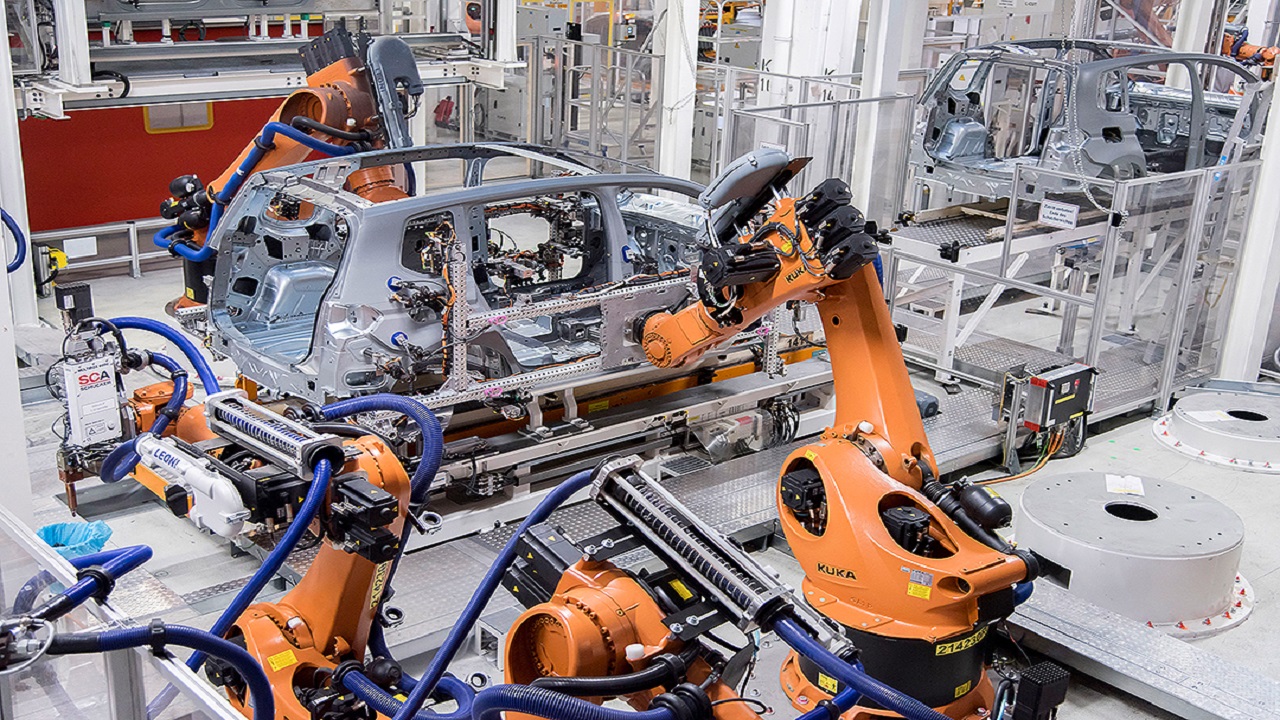
Volkswagen Invests in Its New R&D Center That Will Use Ethanol and Other Biofuels in Hybrid Cars, Making Brazil a Reference for Other Emerging Countries
Volkswagen is investing in its new research and development center for technologies that will use ethanol and other biofuels in hybrid cars. The aim of the German automaker is to seek more efficient combustion and new hybrid solutions, focusing on the market of emerging countries. The investment is Volkswagen’s response to the expected delay in the global transition to electric vehicles, including in Indian territory.
Read Also
Volkswagen Latin America CEO Speaks Out
According to Pablo Di Si, President and CEO of Volkswagen Latin America, hosting the new R&D Center for ethanol in Brazil puts Latin America in the spotlight in the “Volkswagen world.”
According to the executive, being able to develop, lead, and export technological solutions through the use of clean energy from biofuels like ethanol is a complementary strategy to electric, hybrid, and combustion vehicles in emerging markets.
-
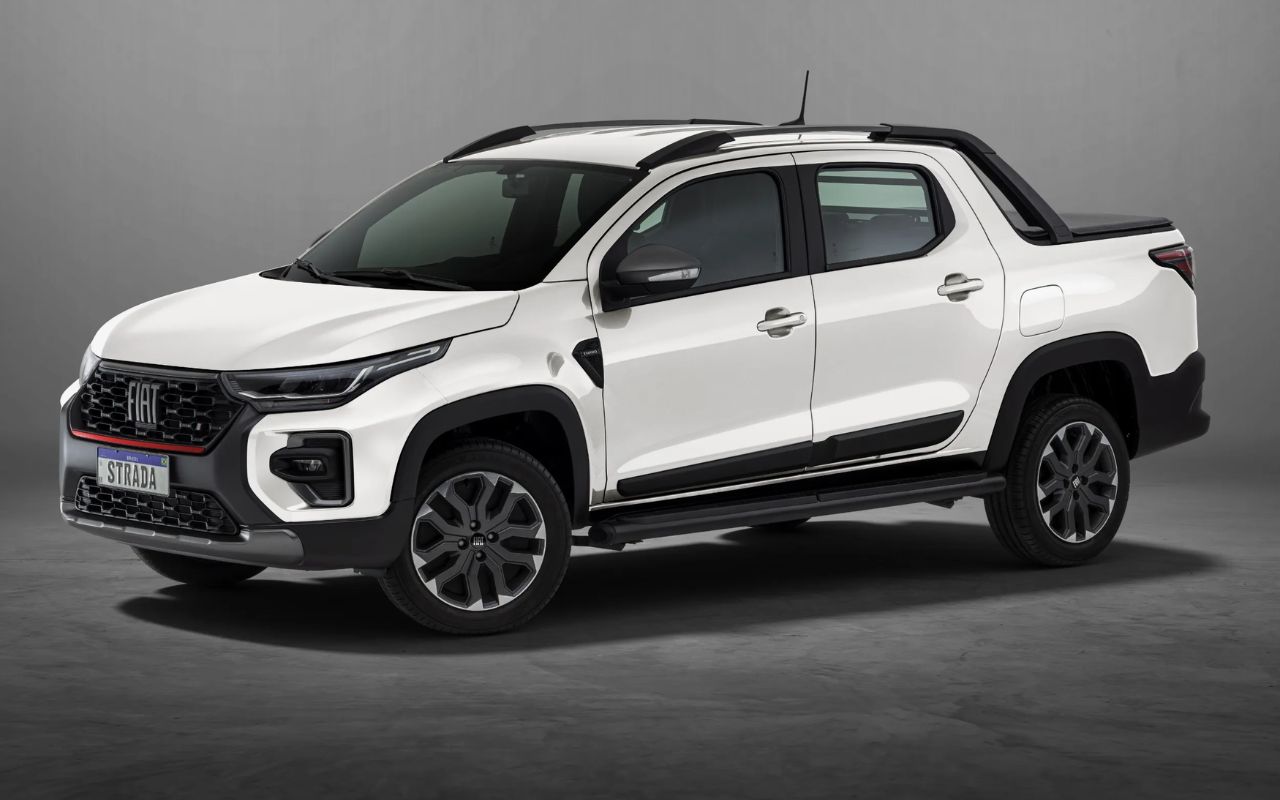
It surpassed the Polo, the Toro, the Hilux, and the Saveiro: with almost 17 thousand units sold, the Fiat Strada was the best-selling car in March 2026.
-
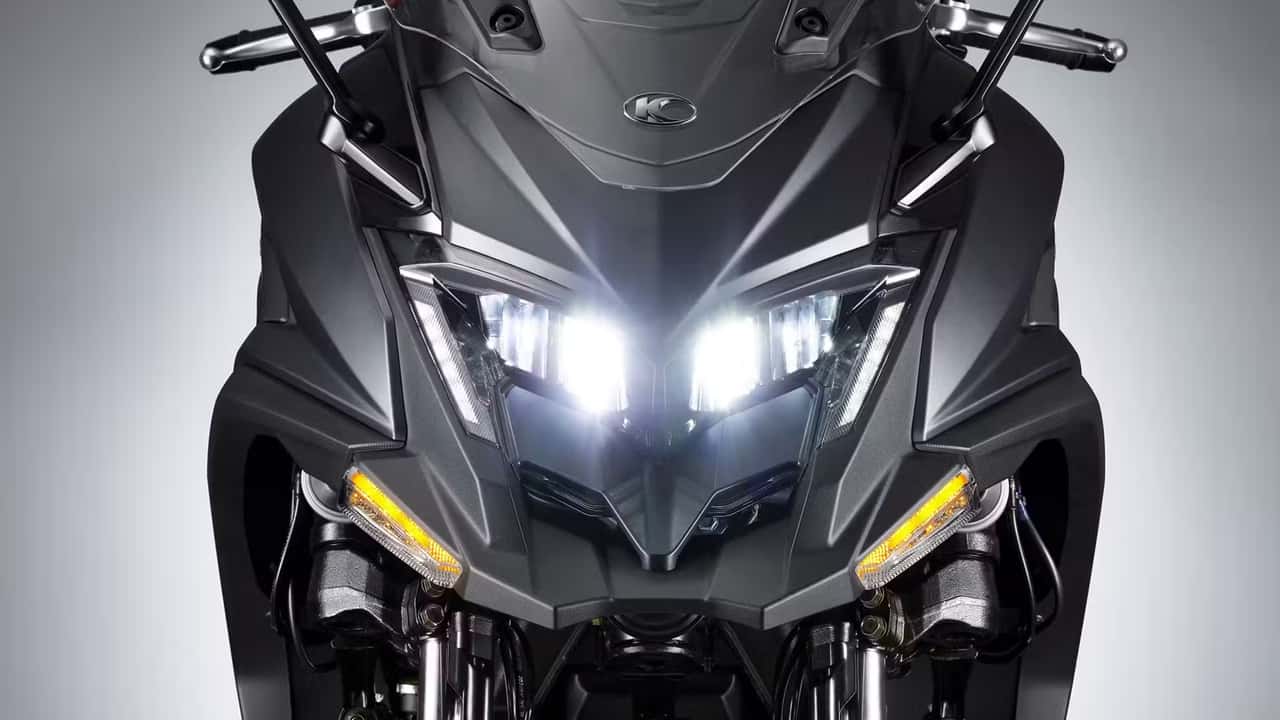
Kymco launches a 3-wheeled scooter with a 52 hp engine, a tilting front, and an audacious proposal to address one of the biggest fears of those who want to ride a motorcycle but still do not trust two wheels.
-
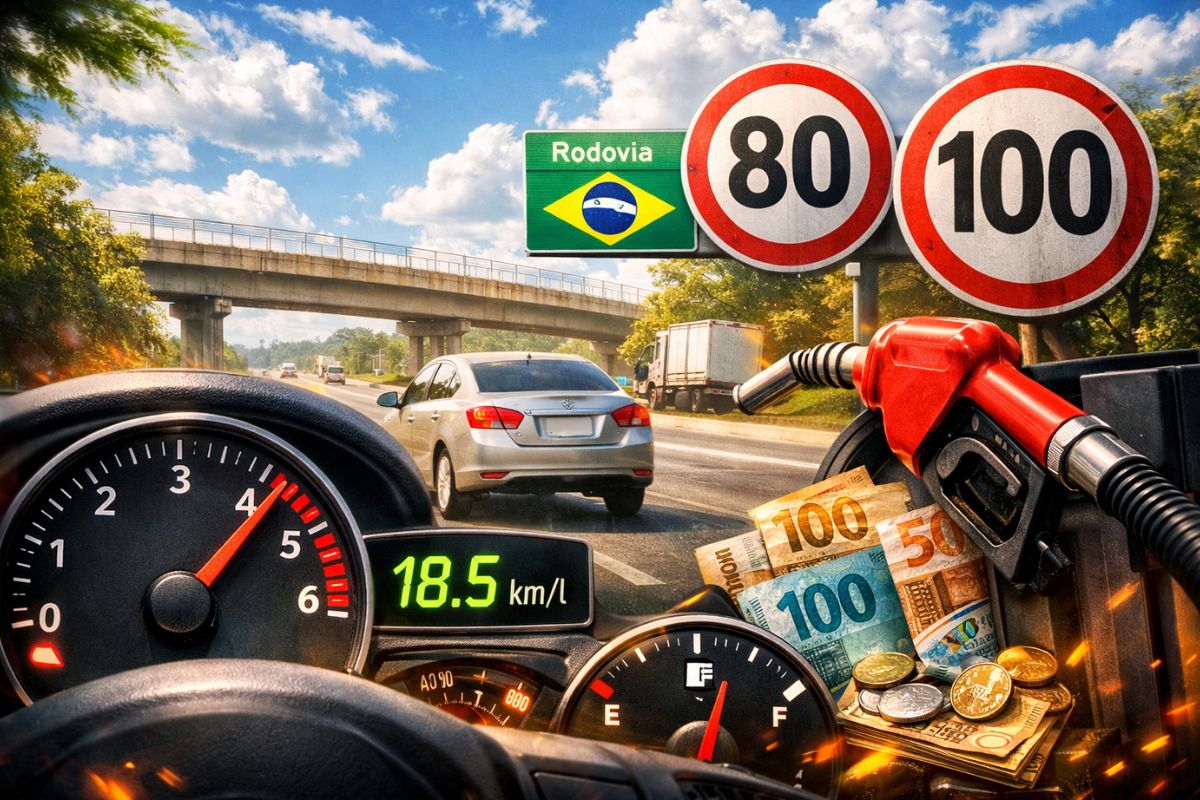
Most drivers make a big mistake on the road without knowing: there is an exact speed that makes the engine work with minimal effort and saves much more fuel, and it is neither 80 km/h nor 100 km/h as many imagine.
-
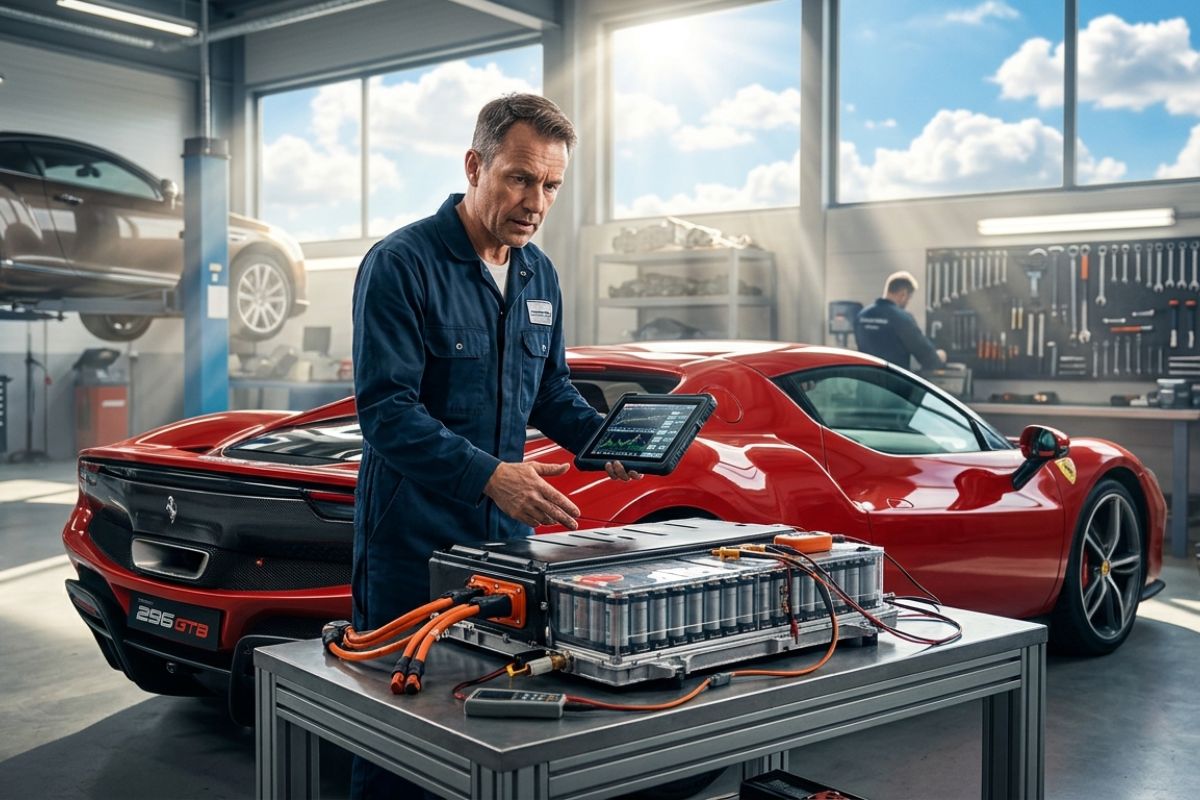
Mechanic explains: Ferrari 296 has a hybrid system management failure that can drain the high-voltage battery to an “irrecoverable” point in the car; recovery requires charging cell by cell on a bench, is risky, and the battery can cost R$ 250,000 imported.
Di Si states that with this investment, Volkswagen will partner with the government, agribusiness, and universities to work with the best for the automotive future. The Volkswagen executive in Latin America had already hinted at this subject, indicating that the company did not have the same stance regarding European countries.
Ethanol and Hybrid Cars Are the Only Solution, Says Volkswagen
Volkswagen’s plan for Europe is to be 100% carbon neutral between 2033 and 2035, when the European Union is likely to ban the sale of combustion engine cars.
In the case of emerging markets, such as Brazil, the company explains that the lack of investments in charging infrastructure, renewable energy, and income makes electrification impossible. Thus, ethanol emerges as the only viable option for hybrid cars.
According to a study by the World Wildlife Fund (WWF) in Brazil, by 2030, 72% of the national demand for biofuels will be met only if the currently degraded pastures are optimized without compromising food production.
Expectations for the Automotive Future of Brazil
The study shows that currently, 1.2% of the national territory is used to cultivate sugarcane, with 0.8% used for ethanol production, and 92% of the harvested cane comes from the Central-South and 8% from the Northeast.
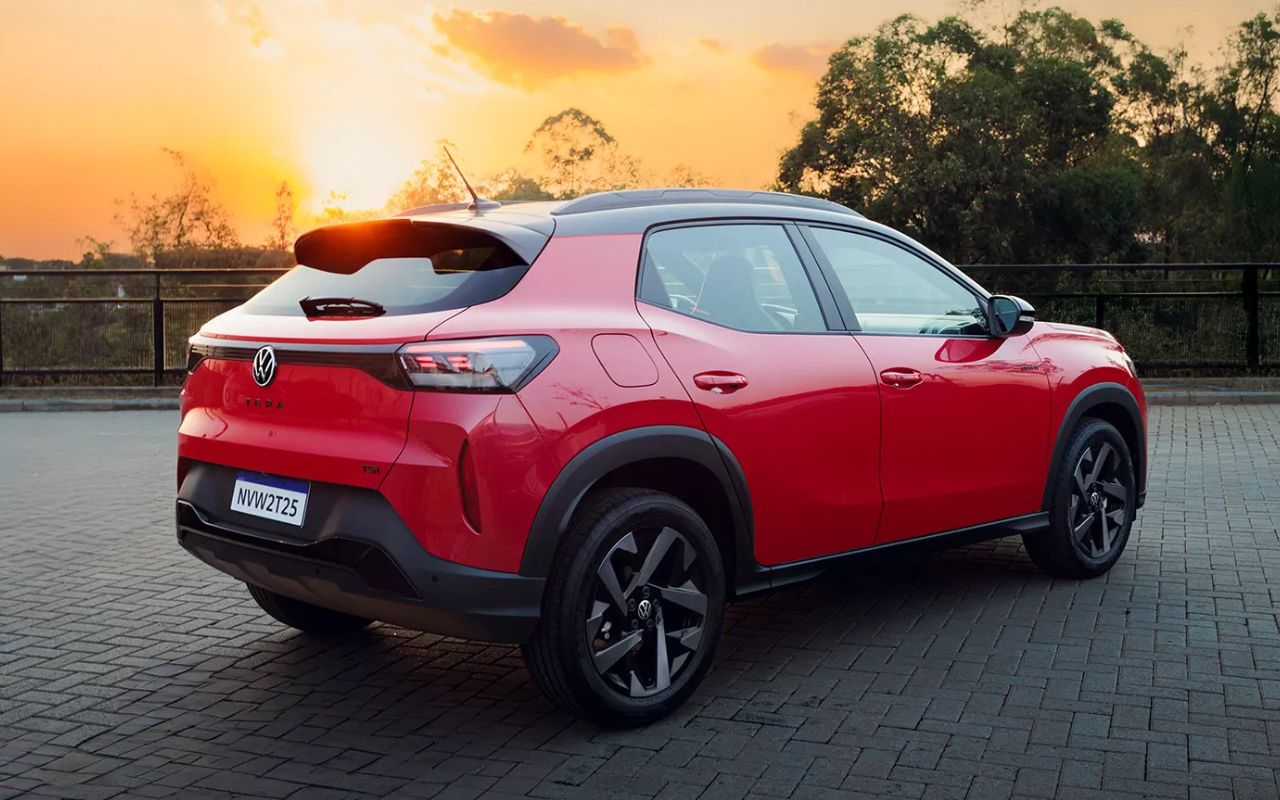
Therefore, for Brazil, it is possible to expect EA211 series engines using TSI technology with Miller cycle, dual high-pressure injection, and variable geometry turbocharger. Additionally, mild hybridization with 12V or 48V may be utilized, considering it will no longer be used in Europe in 10 years.







Seja o primeiro a reagir!