





 Portuguese
  English
  Spanish
  3 min of reading


Volkswagen Partners With Five Companies to Reduce Carbon Emissions, Offering Benefits for Those Who Join the Conscious Refueling Program Using Ethanol as Fuel
Volkswagen Brazil aims to have its customers refuel their cars exclusively with ethanol. This is part of Volkswagen’s strategy to reduce carbon emissions. This time, the company has entered into a partnership with five companies and established the Conscious Refueling Program, which offers benefits to those who join.
To achieve its goal, Volkswagen cars equipped with the new VW Play app will have access to carbon emission data on the customer’s mobile device each time they refuel with ethanol, as well as the price per km driven.
The app developed by Volkswagen will also display the reduction in CO2 emissions and even the equivalent in trees, which help reduce carbon in the atmosphere. In a scenario with the Volkswagen T-Cross 200 TSI, for example, a customer refueling their car 100% with ethanol fuel will emit 56 g/km of CO2 over a journey of 400 km.
-
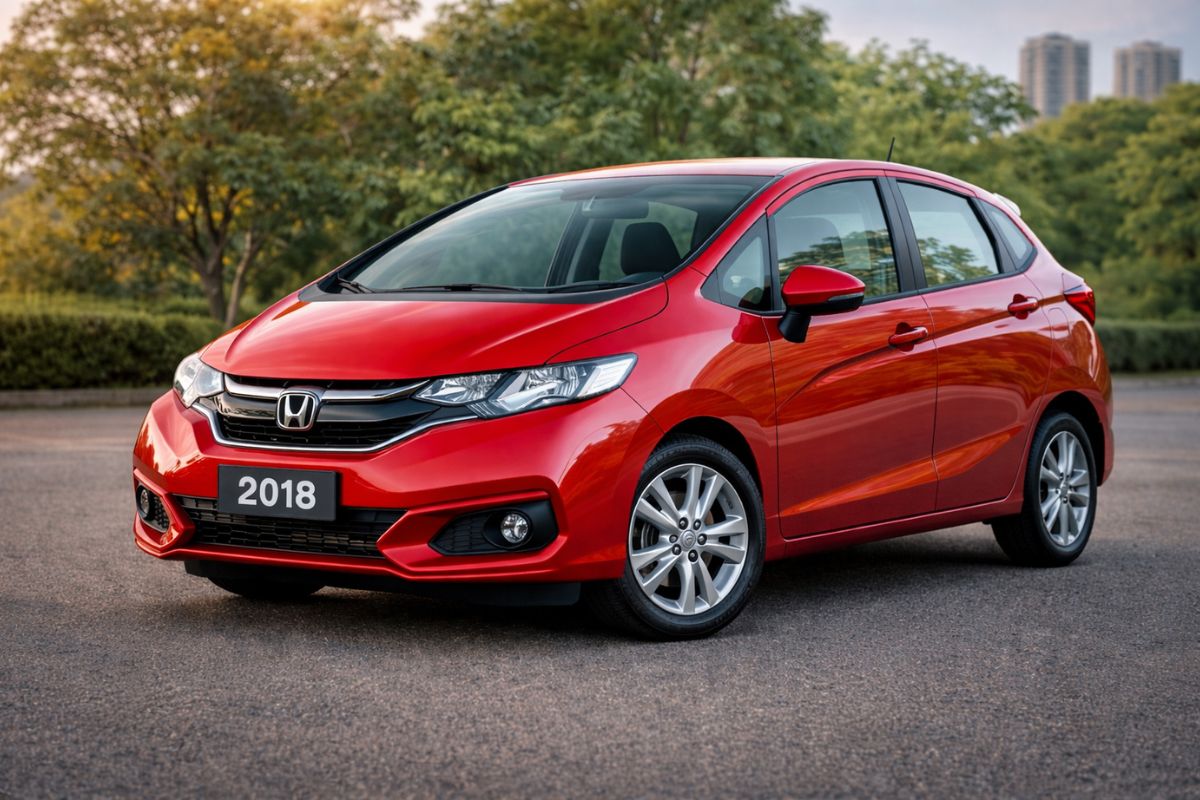
The Honda Fit has been discontinued for years, but the 2018 model is worth more today in the Fipe table than it cost brand new, proving that this used car, valued with a 1.5 i-VTEC engine and Magic Seat, only increases in price.
-
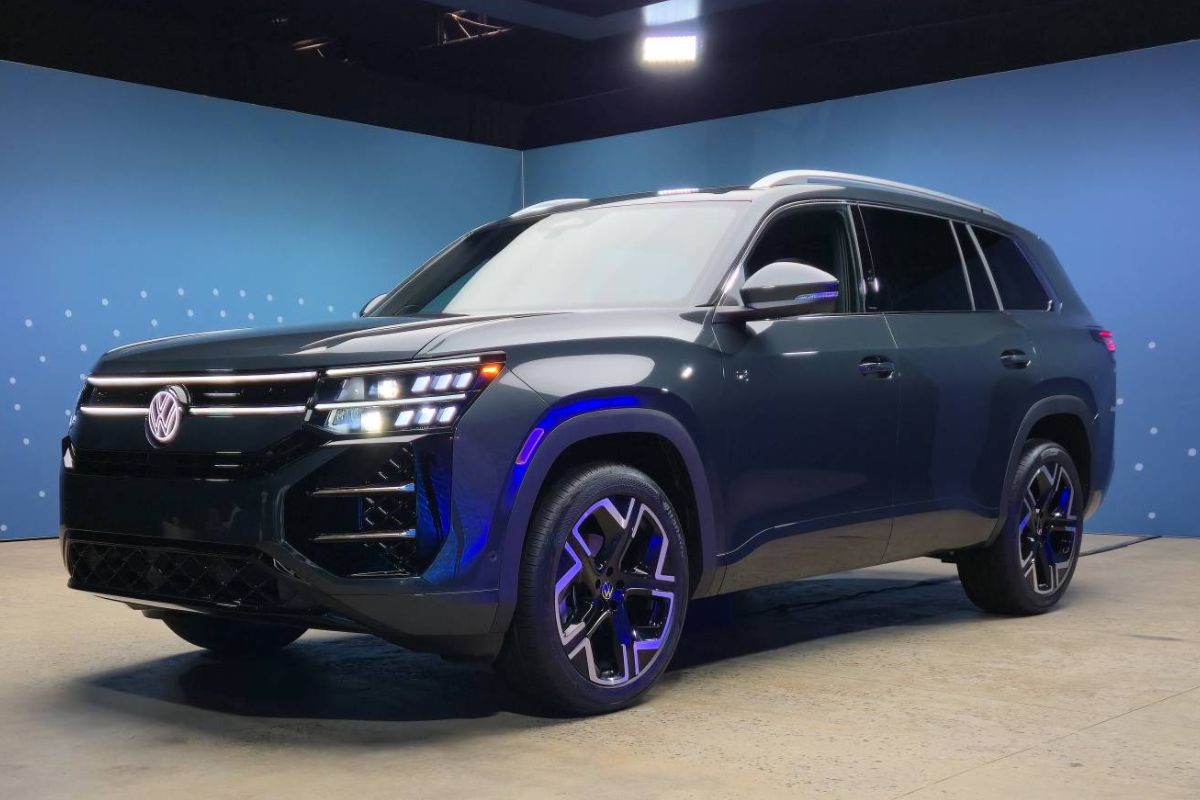
Volkswagen unveiled the 2027 Atlas with a 282-horsepower EA888 turbo engine, a 15-inch screen, massage seats, and a completely new interior to finally elevate the three-row SUV built on the MQB platform to a new level.
-
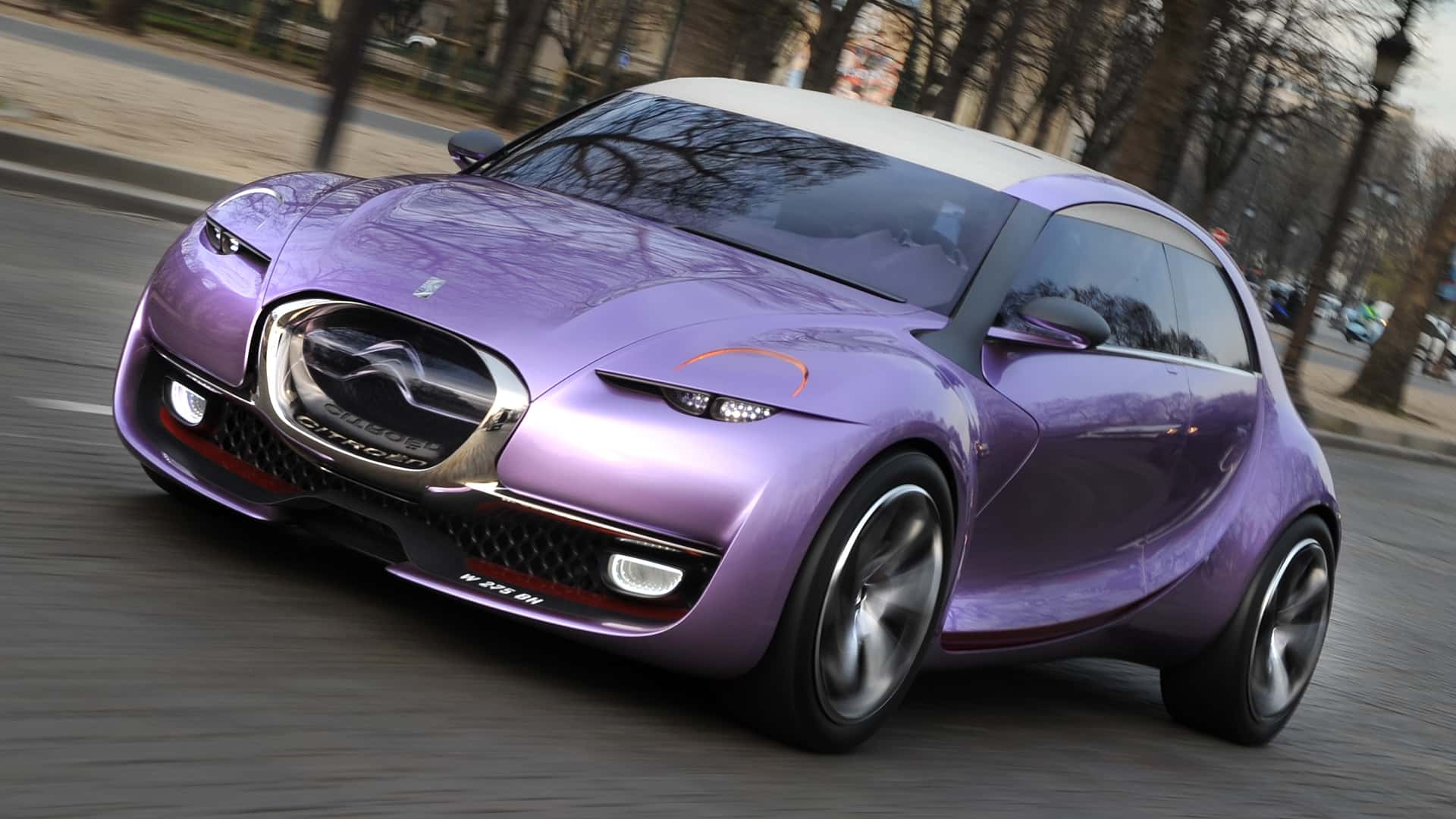
After decades out of the spotlight, Citroën is preparing to bring back the legendary 2CV as a low-cost electric vehicle, betting on the revival of one of the most popular cars in history and aiming to enter the race for affordable compact cars.
-
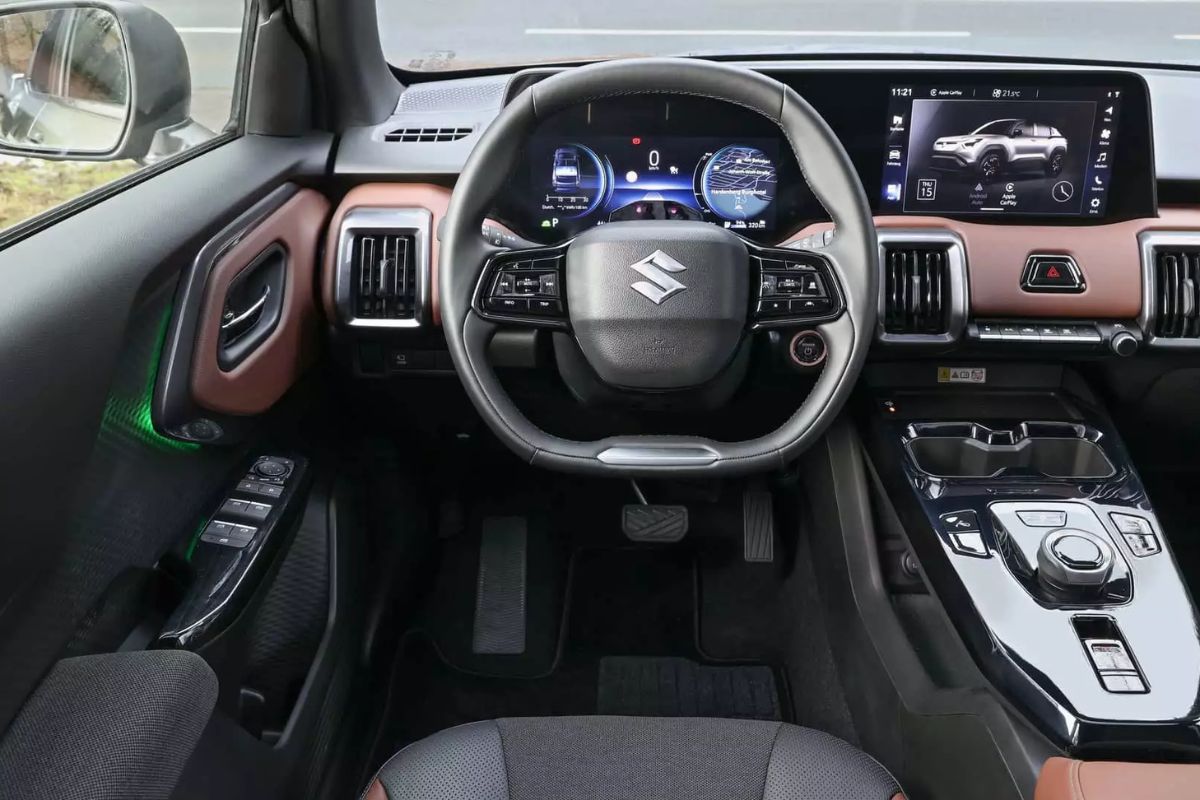
The 2026 electric Vitara arrives in Brazil and proves that Suzuki is not leaving: 4×4 traction, 184 hp, 61 kWh LFP battery, 293 km range, R$ 259,000, and a trunk capacity of 224 L.

More About the Initiative to Use Ethanol as Fuel
Pablo Di Si, CEO of Volkswagen, acknowledges that ethanol fuel does not completely eliminate CO2 emissions; however, he believes this initiative is the best alternative for countries like Brazil, India, Indonesia, and Africa.
The financial aspect is also important; fully electric cars will still take time to become cheaper than internal combustion engine vehicles. However, a deficit that has arisen in Brazil is that ethanol fuel has become extremely expensive compared to gasoline due to the electoral PEC, established to benefit President Jair Bolsonaro in the elections. Currently, it is not advantageous to refuel with ethanol fuel, given that gasoline has become cheaper.
The companies that partnered with Volkswagen in the program include Bosch, Localiza, Raízen (licensed by Shell), LM, and Unica (sugarcane producers), along with VW Financial Services itself.
Currently, Volkswagen’s fleet in Brazil consists of 96% flex-fuel vehicles, which means cars capable of running solely on ethanol fuel. Volkswagen is also exploring the possibility of offering discounts on products and services to its customers through a points program that will be announced soon.
Volkswagen Wins BRT Tender in Rio de Janeiro; Capable of Carrying 22 Tons and 110 Passengers, 15-Meter Superbus Features a Third Axle, 277 hp Engine, and Air Suspension
The super-buses from the world’s largest vehicle manufacturer, Volkswagen, have arrived in the market to meet the needs of large cities. The German automaker won the tender for the BRT in Rio de Janeiro, and Volkswagen Trucks and Buses will deliver 35 units by the end of the year to transport the population of the capital.
Volksbus 22.280 ODS has the highest technical capacity in the segment, capable of carrying approximately 110 passengers, in bodies up to 15 meters in length.
In addition, the super bus from Volkswagen features air suspension, a crucial item for onboard comfort, along with the MAN D08 engine of 277 horsepower and a six-speed ZF transmission.
The key to the success of this passenger transport giant is the positioning of the third axle at the front. This allows the chassis to achieve a load capacity of 22 tons while also providing greater flexibility in configurations according to operational needs.







Seja o primeiro a reagir!