





 Portuguese
  English
  Spanish
  5 min of reading
  0 comments


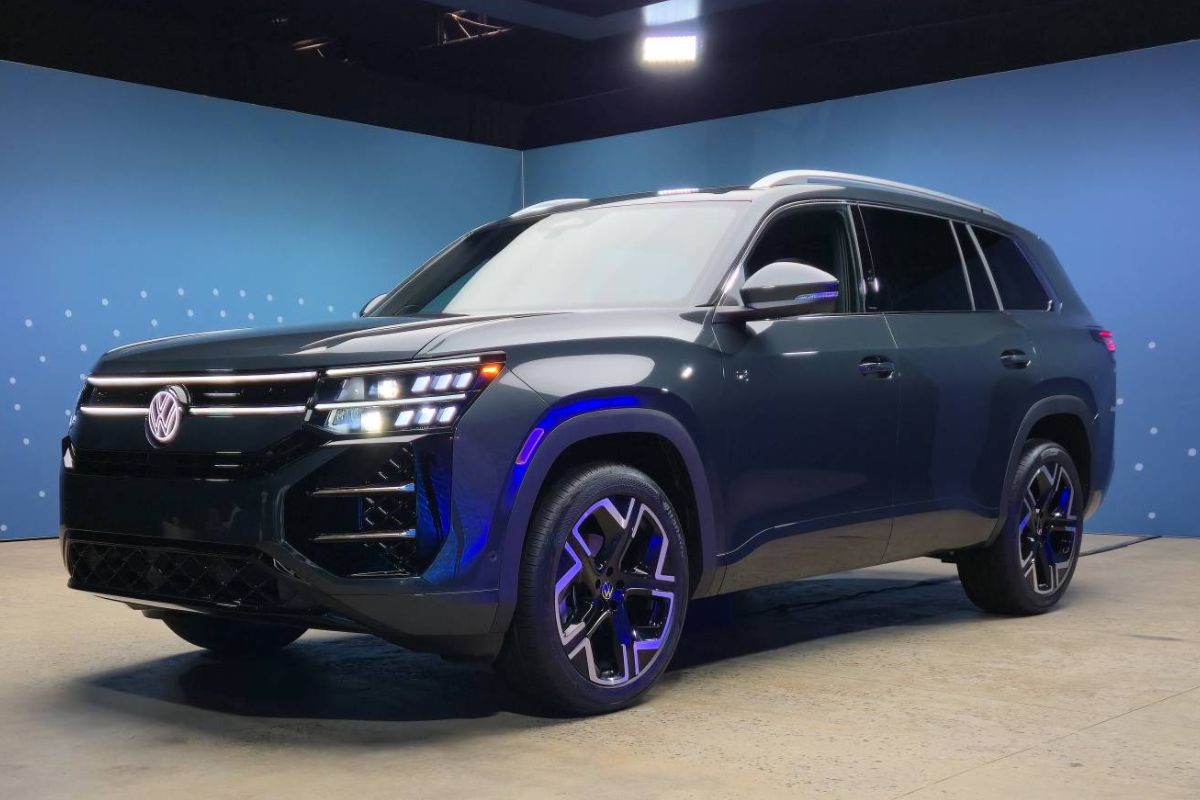
The second generation of the Atlas 2027 arrives as the most ambitious three-row SUV from Volkswagen in the United States with a EA888 Evo5 engine of 282 horsepower, redesigned cockpit on the MQB Evo platform, and equipment that puts the model in another level of comfort
The Volkswagen has finally revealed the second generation of the Atlas 2027, and the result is a three-row SUV that has abandoned the merely correct stance to become a complete proposal. The model comes with a 282-horsepower EA888 Evo5 turbo engine, a completely redesigned interior with a screen of up to 15 inches, and front seats with a massage function, all built on the MQB Evo platform.
The Atlas has always occupied a strange space in the Volkswagen lineup, according to AutoMais: it had plenty of space for American families but lacked refinement, technology, and a clear reason to choose it over competitors. Now the German brand has corrected these gaps at once, delivering a package that ranges from real wood and Nappa leather finishes to an AI voice assistant, without giving up the more than five meters in length that have always been the model’s trump card.
EA888 Evo5 engine delivers 282 horsepower and prepares the ground for a hybrid version

The mechanical heart of the Atlas 2027 is the EA888 Evo5 engine, a 2.0 turbo that already equips the Jetta GLI and the new Tiguan, but which in the Atlas has received its own calibration.
-
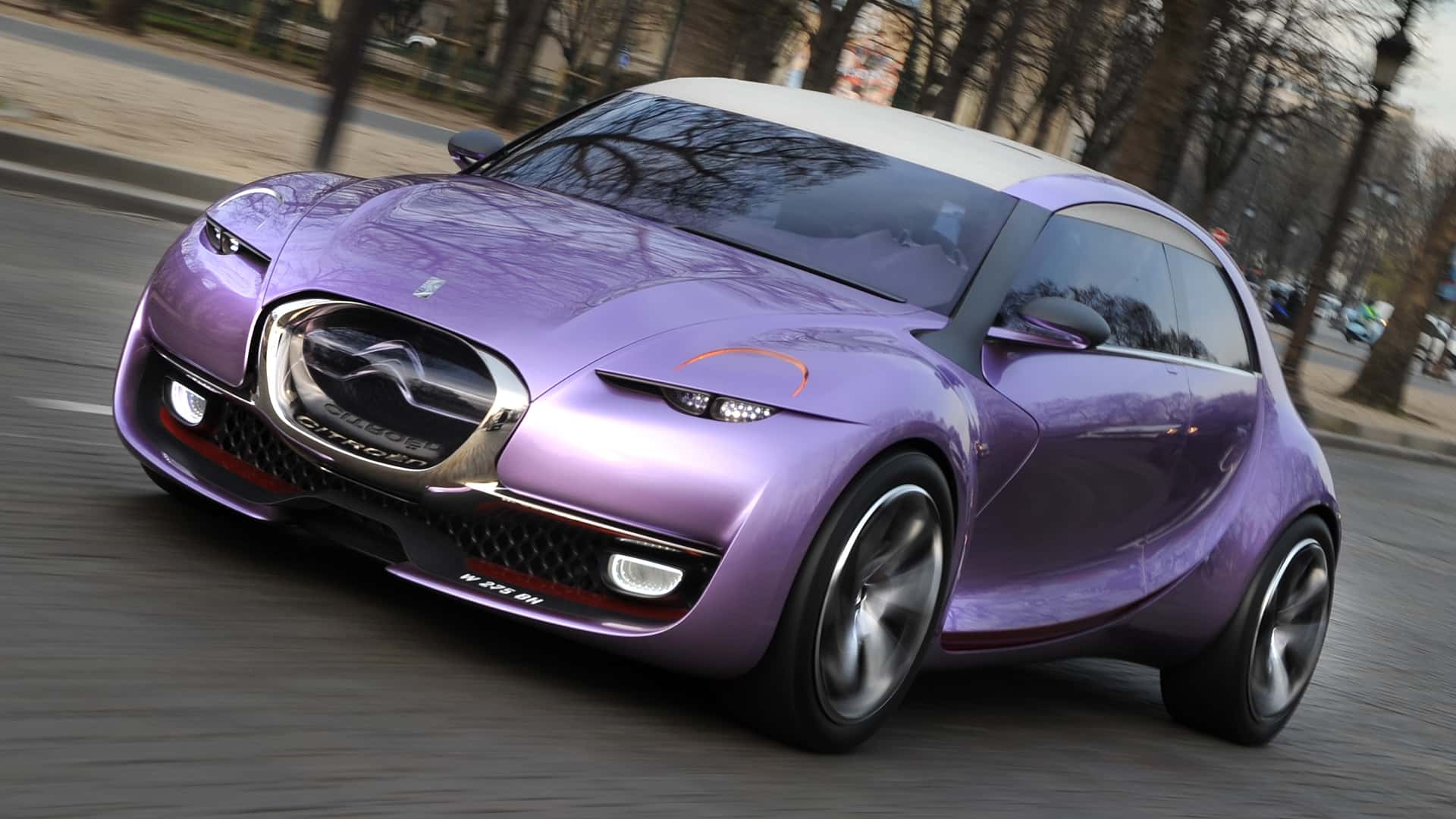
After decades out of the spotlight, Citroën is preparing to bring back the legendary 2CV as a low-cost electric vehicle, betting on the revival of one of the most popular cars in history and aiming to enter the race for affordable compact cars.
-
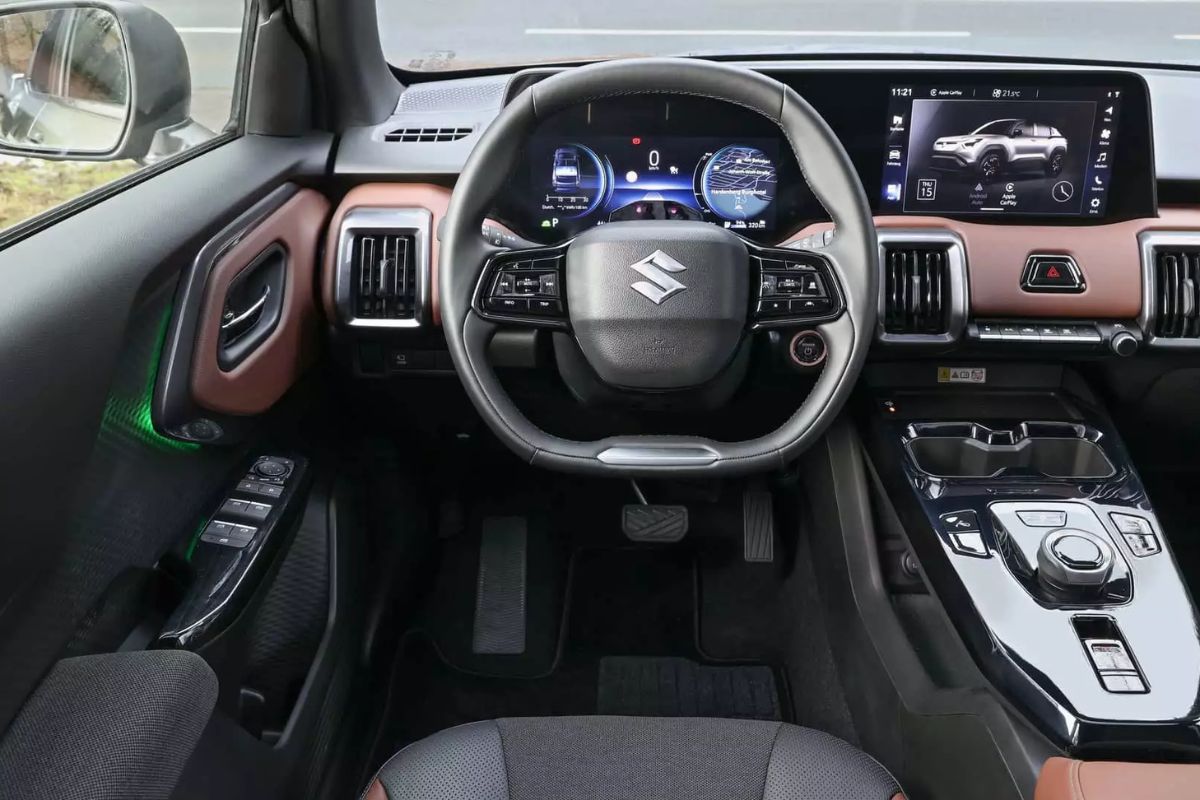
The 2026 electric Vitara arrives in Brazil and proves that Suzuki is not leaving: 4×4 traction, 184 hp, 61 kWh LFP battery, 293 km range, R$ 259,000, and a trunk capacity of 224 L.
-
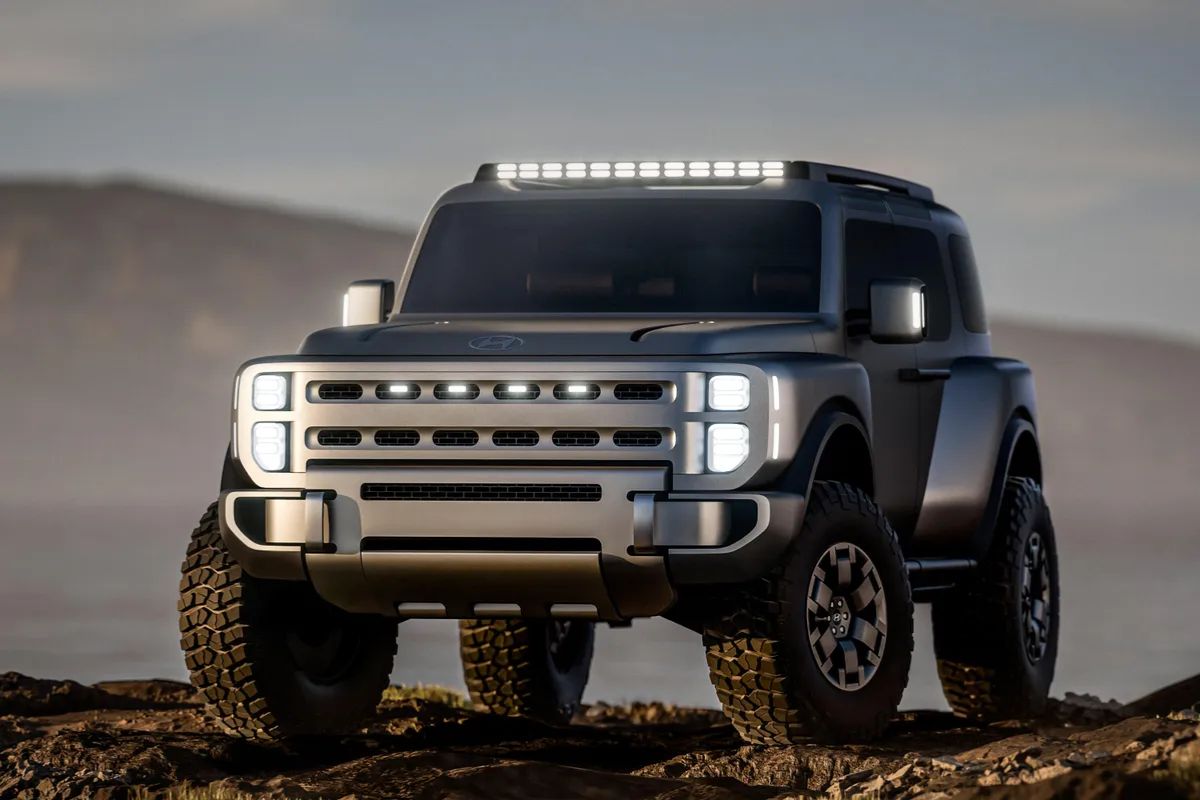
Hyundai has unveiled the Boulder, a square SUV with a body-on-frame design, 37-inch mud tires, and carriage-style doors that seems to be made to take on the Ford Bronco and the Scout Traveller in the United States.
-
The Toyota Hilux is R$ 75.5 thousand cheaper and bets on the 2.8 turbodiesel engine with up to 204 hp and 50.9 kgfm to catch up with the VW Saveiro, which leads with 4,472 sales.

The power reaches 282 horsepower and 35.7 kgfm of torque, which represents 13 horsepower more than the previous generation, a gain that makes a difference in a three-row SUV that is over five meters long and has capacity for seven occupants.
The set works with an eight-speed automatic transmission, front-wheel drive as standard, and an option for all-wheel drive 4Motion.
Volkswagen promises better energy efficiency with the EA888 Evo5 engine, although official consumption figures have not yet been released.
The manufacturer also confirmed that a hybrid version of the Atlas is already in the plans, but it is only expected to appear in the mid-life facelift, which means that the model’s partial electric debut will still take a few years.
MQB Evo platform supports an even larger SUV
The Atlas 2027 continues to be built on the MQB Evo platform, the same base that supports the Tiguan, but with considerably larger dimensions.
Volkswagen confirmed that the model has grown by about an inch in length, around 2.5 centimeters, while width, wheelbase, and height have been maintained at the same levels as the previous generation.
The numbers are impressive: the three-row SUV is 5.09 meters long, 1.99 meters wide, 1.79 meters high, and has a wheelbase of 2.98 meters.
This makes it larger than the Hyundai Palisade, which measures 4.99 meters in length, and reinforces the positioning of the Atlas as one of the largest SUVs on the MQB platform in the world.
In the United States, the model enters the medium and large SUV segment, above the Tayron and the Tiguan, which is considered compact in the American market.
The interior of the Atlas 2027 has completely changed and risen to another level

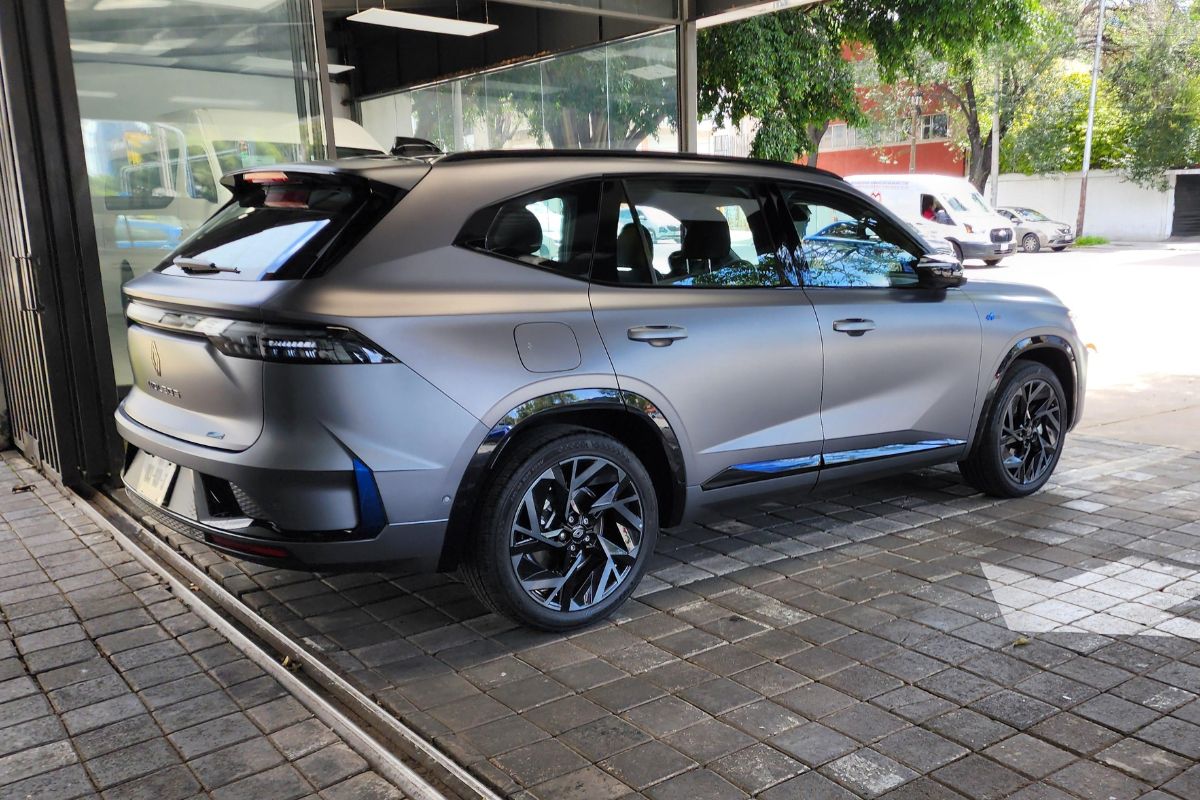
While on the outside the Atlas 2027 has evolved with overlapping dual LED headlights, a wider grille, and a taller hood, the transformation inside is even more radical.
Volkswagen has abandoned the old cockpit and adopted a completely new dashboard with a clean and horizontal design, following the visual language that already appears in the Tiguan and other recent models from the brand.
The multimedia center reaches 15 inches in the higher versions, while the entry-level configurations use a 12.9-inch screen.
The digital dashboard is 10.25 inches in all versions, and the gear lever has moved from the console to the steering column, freeing up space in the center of the vehicle.
The finish now includes real wood and Nappa leather in the more expensive versions, as well as ambient lighting with up to 30 colors that integrates with the sound system and driving modes.
Comfort for the whole family with ventilation, massage, and seven USB-C ports
As the focus of the Atlas 2027 is to serve large families, Volkswagen has reinforced comfort in all rows of the three-row SUV.
The front seats offer up to 12 electric adjustments, and in the more complete versions, they feature thigh support and a massage function, something unprecedented for the model.
The second row has gained its own ventilation and new air outlets in the central columns, addressing a long-standing complaint from rear passengers on long trips.
The Atlas 2027 also brings dual wireless charging, seven USB-C ports, an electric trunk, rear curtains, and a rotary selector in the center console that controls volume, driving modes, and car settings.
The AI voice assistant completes the technological package, showing that Volkswagen has taken seriously the mission of elevating the EA888 engine and the MQB platform beyond the realm of “just sufficient.”
The Atlas 2027 will not come to Brazil
Despite all the advancements, the Atlas 2027 has no plans for the Brazilian market. Volkswagen developed the three-row SUV exclusively for the United States, China, and the Middle East, where the model is sold as Teramont.
Production takes place in Chattanooga, Tennessee, in a strategic operation to serve the local market without import costs.
In Brazil, the Atlas would sit above the Tiguan and would not fit easily into Volkswagen’s portfolio due to the extremely specific niche and high import costs.
The Atlas family represents about 30% of the brand’s sales in the United States, which shows the model’s weight for the American operation. In addition to the Atlas 2027, there is the Cross Sport version with only five seats and a more sporty proposal, which has not yet received the new generation.
What do you think of the new Atlas 2027?
The second generation of the Atlas 2027 shows that Volkswagen has decided to stop delivering just the basics in the three-row SUV segment.
With a 282-horsepower EA888 engine, MQB Evo platform, 15-inch screen, and massage seats, the model finally has arguments to compete on equal footing with American and Korean rivals.
Do you think Volkswagen should bring the Atlas to Brazil? Is a three-row SUV of this size missing in the Brazilian market? Leave your opinion in the comments.









Seja o primeiro a reagir!