





 Portuguese
  English
  Spanish
  5 min of reading
  0 comments


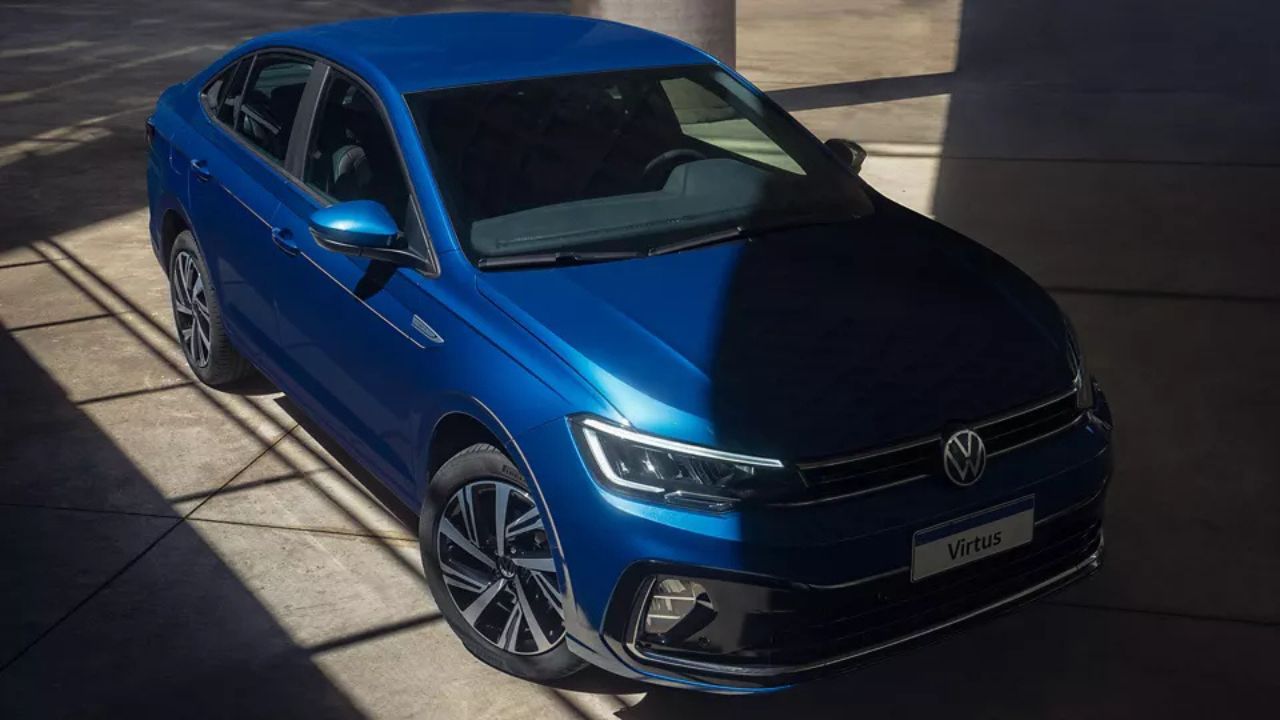
With 1.4 Turbo Engine of 150 Hp, the Volkswagen Virtus Exclusive 2025 Positions Itself as the Most Powerful Compact Sedan in the Category, but Its High Price Puts It in Collision Course with Medium Sedans and SUVs.
The sedan market in Brazil welcomes a heavyweight contender with the launch of the Volkswagen Virtus Exclusive 2025. Positioned as the top-of-the-line version, this configuration brings back the 250 TSI engine, which combines high performance with a robust technological package, targeting consumers who seek more than just a simple compact sedan but who do not compromise on performance. The German brand’s strategy is clear: fill the gap left by the entry-level Jetta versions, offering a vehicle with attributes of a higher category.
However, this ambition comes with a price that approaches R$ 170,000, a level that puts it in direct confrontation not only with competitors like the Honda City and the Nissan Versa but also with established medium sedans and the growing wave of SUVs. Analysis from the portal Opinião Sincera highlights that although the Virtus Exclusive delivers a unique mechanical package in its segment, the cost-benefit becomes a crucial point of debate, especially when the interior finish and fierce competition come into play.
Performance and Engine: The Heart 250 TSI
The major differentiator of the Volkswagen Virtus Exclusive 2025 is under the hood. Equipped with the 1.4 turbo four-cylinder engine (250 TSI), it delivers 150 horsepower and 25.5 kgfm of torque. This engine, already known and praised in other models from the brand, offers a performance that completely distinguishes it from other versions of the Virtus, which use the 1.0 turbo engine (200 TSI). Coupled with a six-speed automatic transmission, the setup provides agile driving and vigorous responses.
-
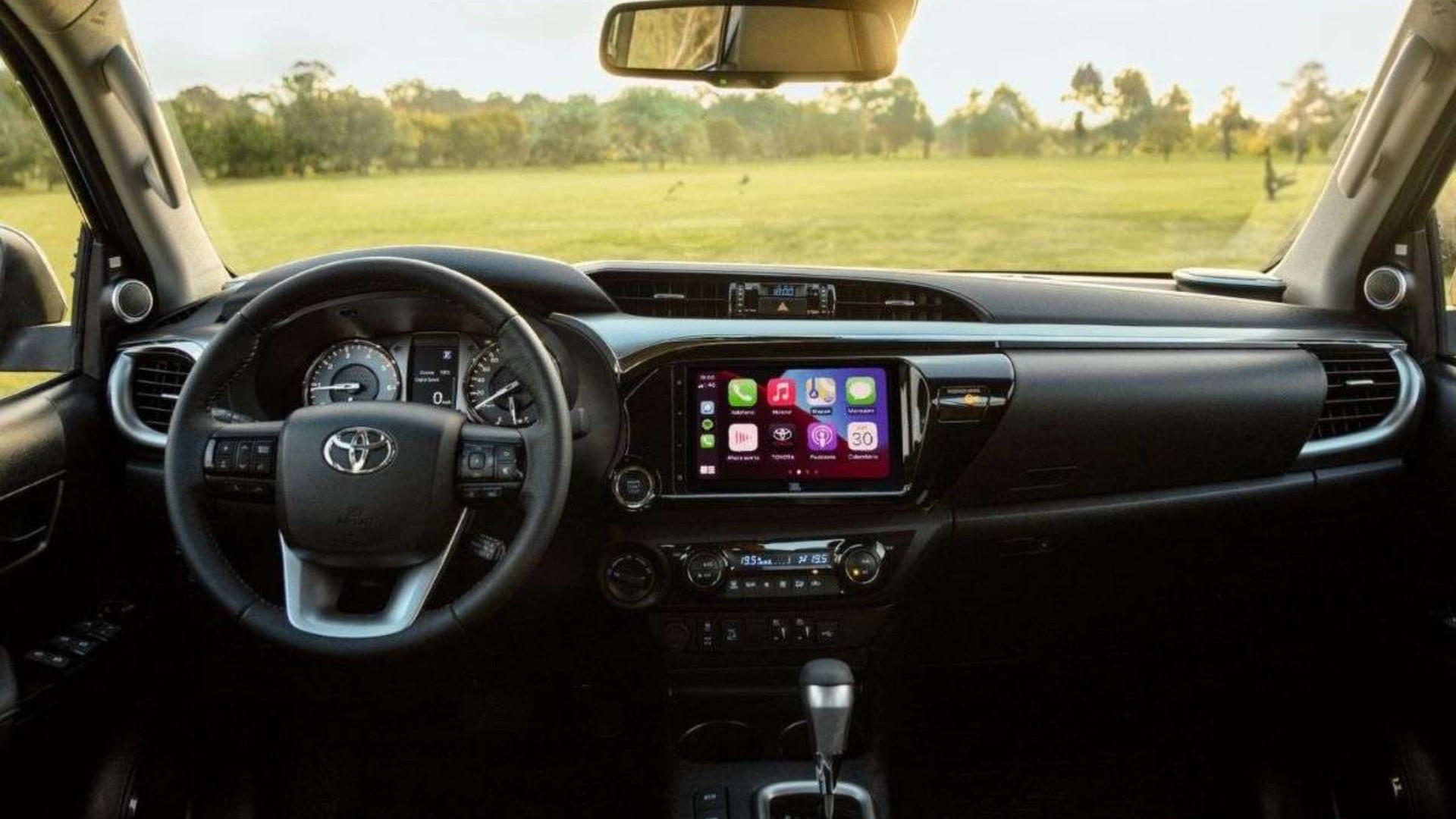
The Toyota Hilux is R$ 75.5 thousand cheaper and bets on the 2.8 turbodiesel engine with up to 204 hp and 50.9 kgfm to catch up with the VW Saveiro, which leads with 4,472 sales.
-
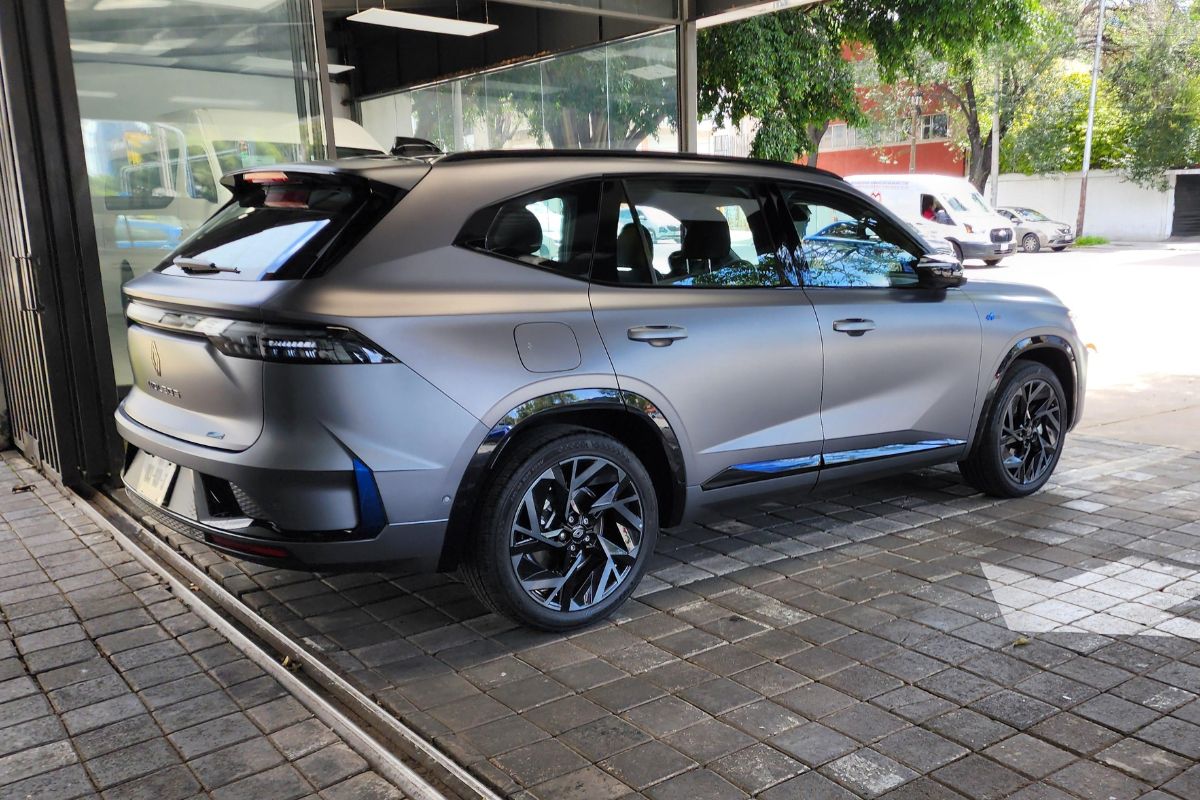
The new Renault Koleos has a screen exclusively for the passenger that is invisible to the driver, heated rear seats, and 29 assistance systems, but its Chinese competitors cost R$ 40,000 less and deliver more power.
-
The car stored for 38 years: when opening the barn door, what appears is breathtaking and looks like a scene from a movie!

-
Fiat works miracles in the Brazilian market, lowers the price of its 0 km hatch to R$ 69,990, reestablishes the model as the cheapest car in the country, and reignites the battle against Kwid and C3.

This engine translates into numbers that impress for a family sedan: acceleration from 0 to 100 km/h is achieved in just 8.5 seconds, making it the fastest compact sedan in the category. According to data from Inmetro, the fuel consumption stands at 11.7 km/l in the city and 14 km/l on the highway (with gasoline). The portal Opinião Sincera indicates that under real-world highway conditions, it is possible to achieve even better averages, reinforcing the efficiency of the TSI engine in combining power and economy in an exemplary way.
Design and Dimensions: Space of Higher Category
Visually, the Exclusive version stands out with details that reinforce its more refined proposal. The 18-inch wheels with dark diamond finish, the black glossy side mirrors and rear spoiler, and the “Exclusive” badge give the model a unique identity. The Full LED headlights and the honeycomb front grille, updated in the recent facelift, modernized the appearance and made it more imposing. One noticeable feature is the slightly elevated suspension, a decision by Volkswagen to adapt the car to the conditions of Brazilian roads.
Where the Virtus truly shines is in its generous dimensions. With 4.56 meters in length and a wheelbase of 2.65 meters, it offers an interior space comparable to that of medium sedans, ensuring ample comfort for rear passengers. The trunk is another major highlight, with a capacity of 521 liters, easily surpassing not only its direct competitors but also most compact and medium SUVs available in the market.
Internal Finish and Technology Onboard
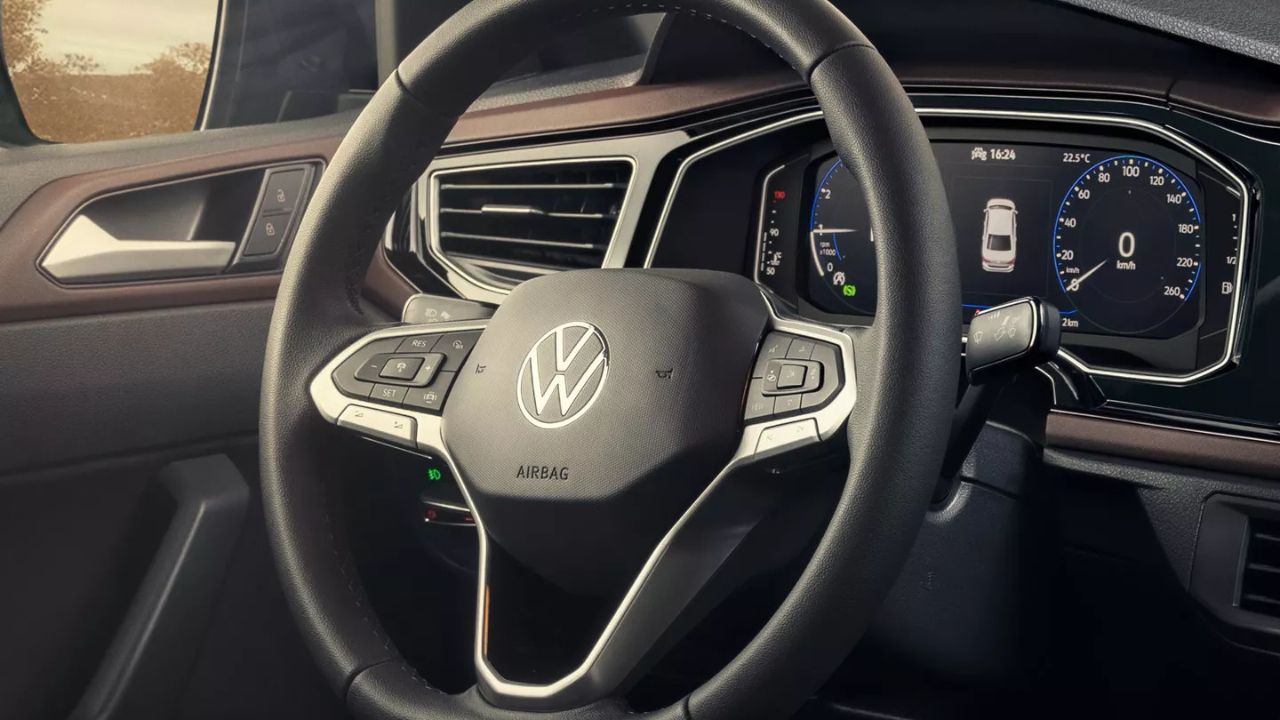
Inside, Volkswagen aimed to create a more premium atmosphere for the Exclusive version. The dashboard and doors feature upholstery that mimics Suede, with visible stitching, providing a pleasant touch sensation. The synthetic leather seats have an exclusive design and offer good support. However, despite these details, the cabin still overuses hard plastics, a point that distances it from the perceived quality found in medium sedans in the same price range.
The technological package is comprehensive, including the 10.25-inch digital instrument cluster and the 10-inch VW Play multimedia center, with wireless mirroring for Android Auto and Apple CarPlay. In terms of safety, the model comes with six airbags, adaptive cruise control (ACC), autonomous emergency braking, and lane keeping assist. However, the absence of an electronic parking brake prevents the ACC from having the Stop & Go function, a useful feature in urban traffic.
The Price Dilemma: Is It Worth It?


The Volkswagen Virtus Exclusive 2025 is undoubtedly an exceptional car in its proposal. It offers the best performance in its category, a vast interior space, and a robust technological package. For those who value the driving experience and the power of a renowned turbo engine, it presents a unique option. The problem, however, lies in its price positioning, which forces it to compete in a highly competitive territory.
At nearly R$ 170,000, it dangerously approaches models like the Toyota Corolla and the Nissan Sentra, which, although not offering the same performance, deliver superior finishes, greater riding comfort, and the status of a medium sedan. Moreover, the Brazilian market has a clear preference for SUVs, and in this price range, there are many options, including well-equipped models that offer the elevated driving position so desired by consumers.
The Volkswagen Virtus Exclusive 2025 hits the mark by delivering a mechanical set that unites performance and efficiency, combined with generous internal space and a good package of technologies. It is, in fact, a “mini-Jetta,” fulfilling the mission of providing a superior driving experience. However, its commercial success will depend on the consumer’s ability to justify the high investment in the face of strong and diverse competition.
Do you agree with this Volkswagen strategy? Do you think the performance justifies the price and impacts the market? Leave your opinion in the comments; we want to hear from those living this reality.







Seja o primeiro a reagir!