





 Portuguese
  English
  Spanish
  3 min of reading


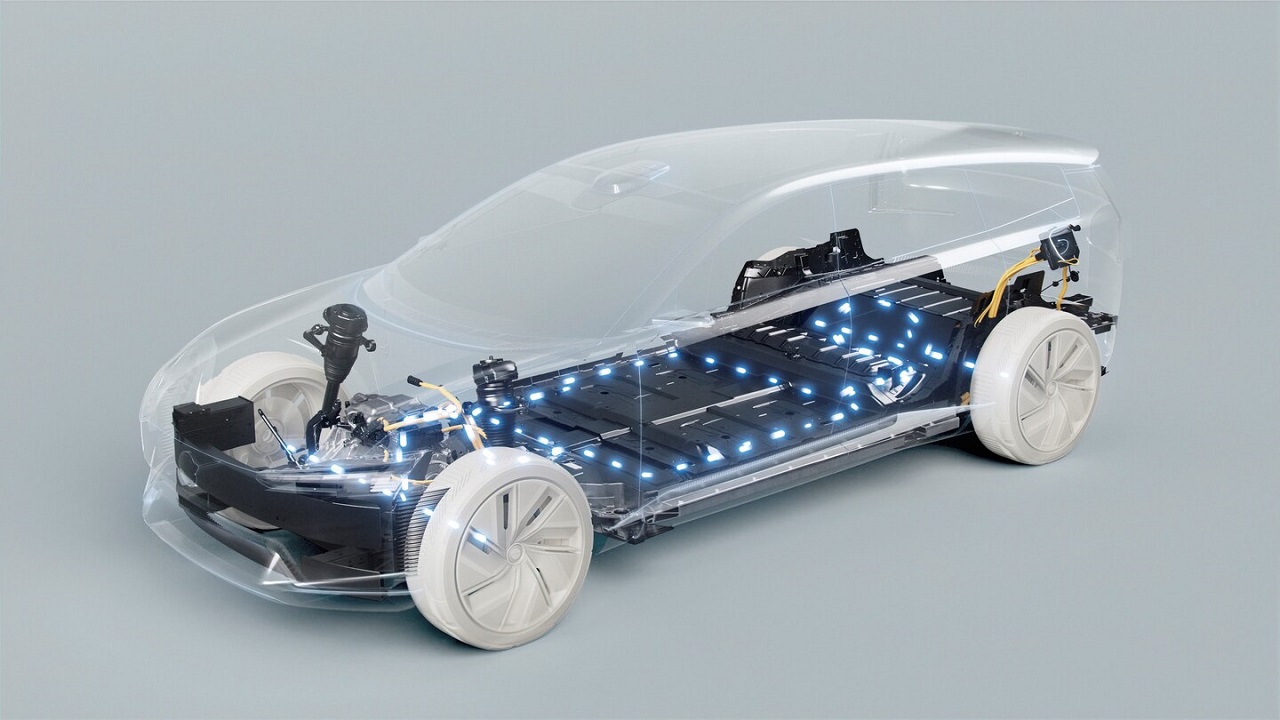
In Order to Accelerate the Arrival of Super Batteries for Electric Cars, Volvo Has Closed an Investment Partnership with StoreDot, Ensuring the Product Will Hit the Market by Mid-2024
Volvo Cars, through its venture capital division Volvo Cars Tech Fund, announced last Friday (22) that it is making investments in the Israeli company StoreDot, which develops high-performance batteries for electric cars. The Swedish automaker has not disclosed details about the amount being invested. It is worth noting that, in addition to Volvo, StoreDot also has other investors such as VinFast, Daimler, BP, Ola Electric, TDK, and Samsung Ventures. The Israeli startup works with battery cells featuring silicon anodes, which can be charged very quickly.
Extremely Fast Charging Batteries for Electric Cars May Arrive Sooner

With this investment, Volvo is securing its access to this technology, and moreover, the partnership between StoreDot and the Swedish automaker has allowed for a reduction in the time until the miraculous battery is launched to the market.
The StoreDot announced last week that “silicon-dominated XFC battery cells” will be launched in 2024. The acronym XFC stands for Extreme Fast Charging. Instead of a common graphite anode, lithium-ion batteries feature a silicon anode produced with nanotechnology, incorporating both inorganic and organic materials.
-
With a mild hybrid system of 48 V, 176 hp and a price of R$ 175,990 in the Sahara version, the new Jeep Renegade changes mostly on the inside, improves slightly in fuel consumption, and remains almost the same car.
-
With a 293.5 cm³ engine and a range of up to 400 km with a 14.1-liter tank, the Honda CB 300F Twister 2026 has up to 24.7 hp, an initial price of R$ 25,150, and already exceeds R$ 29,000 in the Fipe Table.
-
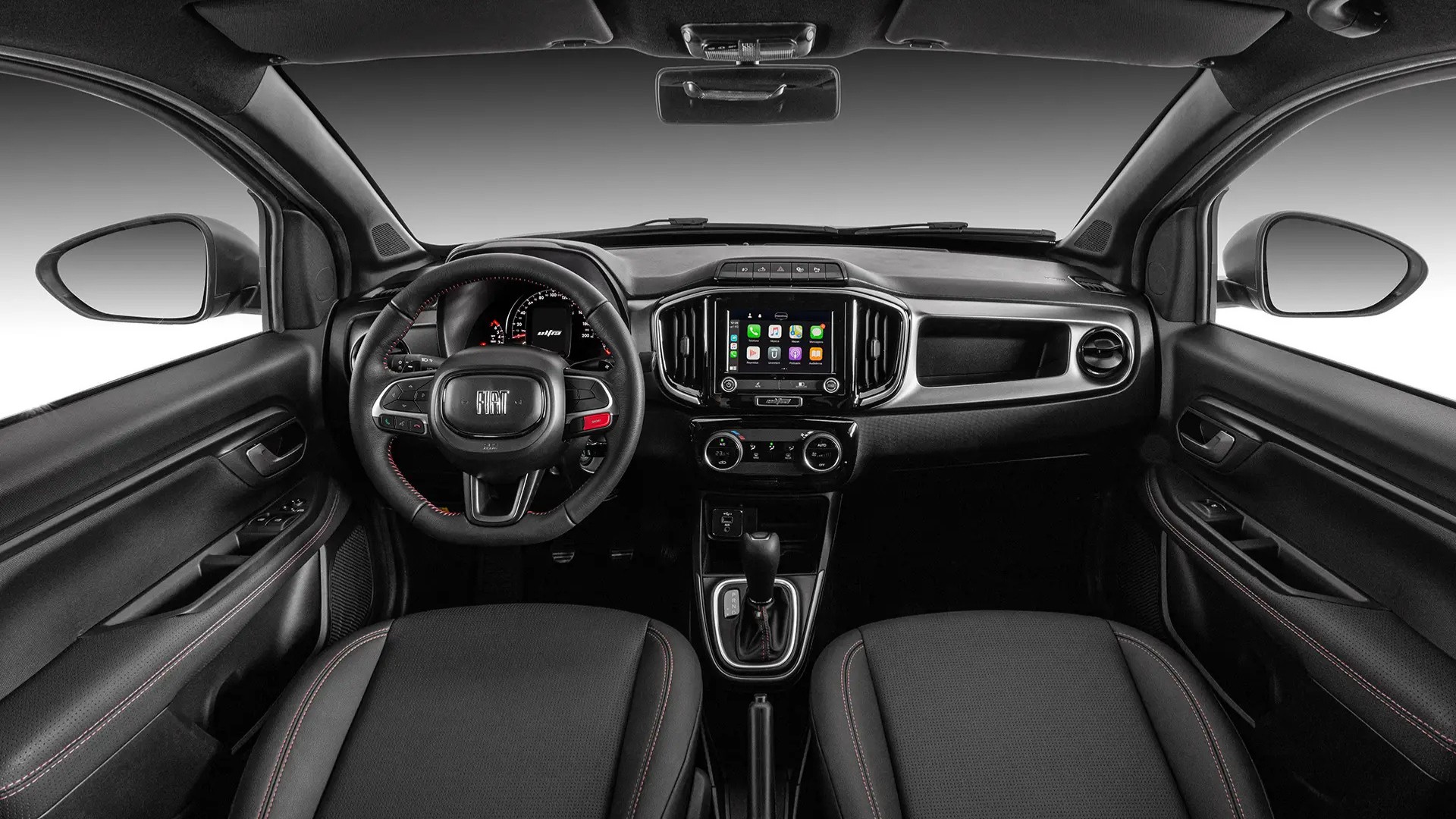
With a 1.3 engine, nearly 700 km of range, and Turbo 200, the Fiat model surpasses Polo, Tera HB20, and Onix, becoming the best-selling car in March; see the numbers for the Fiat Strada and others.
-
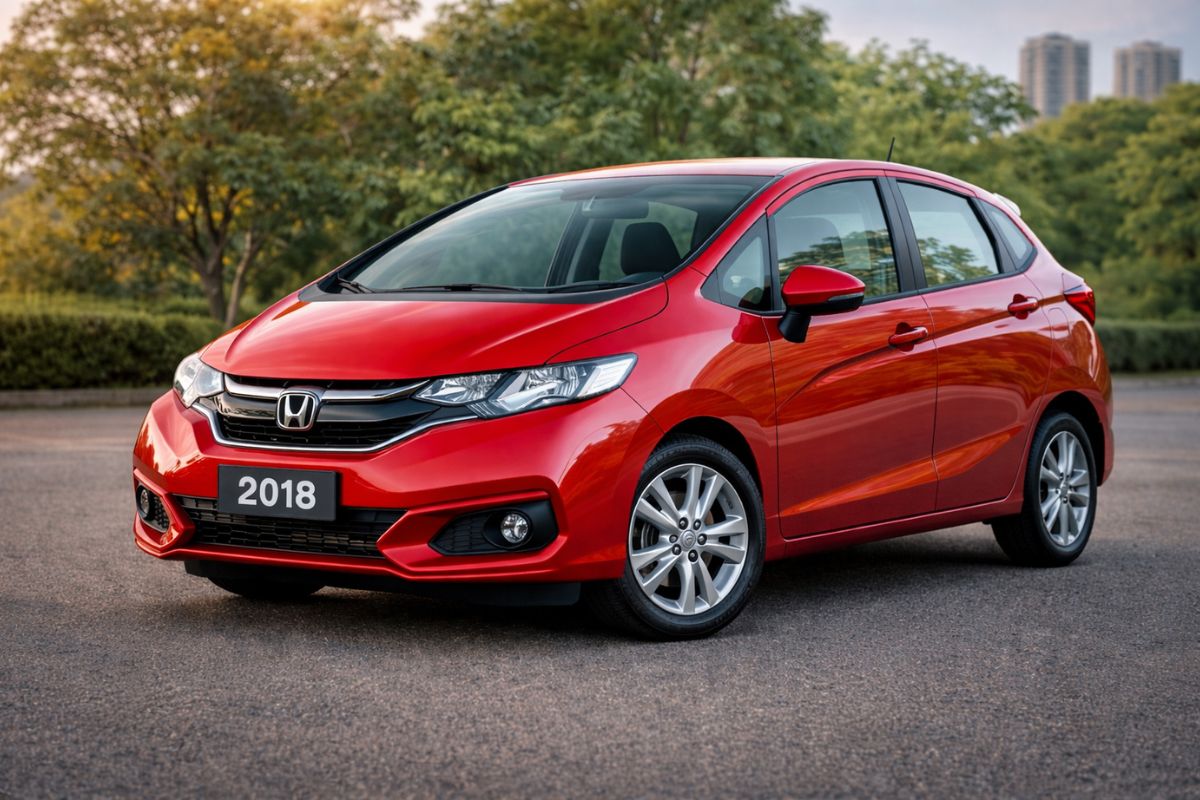
The Honda Fit has been discontinued for years, but the 2018 model is worth more today in the Fipe table than it cost brand new, proving that this used car, valued with a 1.5 i-VTEC engine and Magic Seat, only increases in price.

With these batteries for electric cars, it will be possible to recharge approximately 160 km of range in just 5 minutes. For comparison, a Lucid Air, using 900-volt battery technology, is expected to recharge 480 kilometers of range in about 20 minutes, achieving 120 km in 5 minutes.
The cooperation between Volvo and StoreDot will primarily take place as part of the joint venture between Northvolt and Volvo. The joint venture was established in 2021 and is currently constructing a battery factory in Gothenburg capable of producing 50 GWh per year.
Concept Recharge and XC90 May Be the First Electric Cars from Volvo to Receive the New Batteries
In addition to cell production, the joint venture will also develop modern batteries, and for that to be possible, a separate Research and Development Center is being set up in Gothenburg.
As expected, Volvo has yet to announce which electric cars will receive StoreDot’s new batteries. An attached press release includes an image that apparently shows the Concept Recharge. However, the production version corresponds to the successor of the XC90, which is likely to be named Embla and is expected to be marketed as soon as next year.
However, StoreDot’s technology will only be available starting in 2024. Shortly after, the Polestar 5 would be another electric car model that could receive the batteries. The vehicle is expected to launch in 2024 in the market and is seemingly designed as a high-tech car on an independent platform. The electric model should also feature extremely powerful motors and 800-volt technology.
Swedish Automaker Comments on the New Partnership
According to Volvo, the goal is to be the fastest transformer in the industry, and the Tech Fund plays an essential role in establishing partnerships with future leaders in the technology sector.
The partnership with the electric battery company will also help the Swedish brand achieve its goal of making half of its sales electric by 2025, and allow the entire fleet to consist of these vehicles by the next decade.
In comparison to current batteries, the electric car component of Volvo, the XC40, which was very successful in 2021, is 78 kWh. According to the company, this provides a range of 418 km and takes about 40 hours to charge from a 220V outlet.









Seja o primeiro a reagir!