





 Portuguese
  English
  Spanish
  4 min of reading
  0 comments


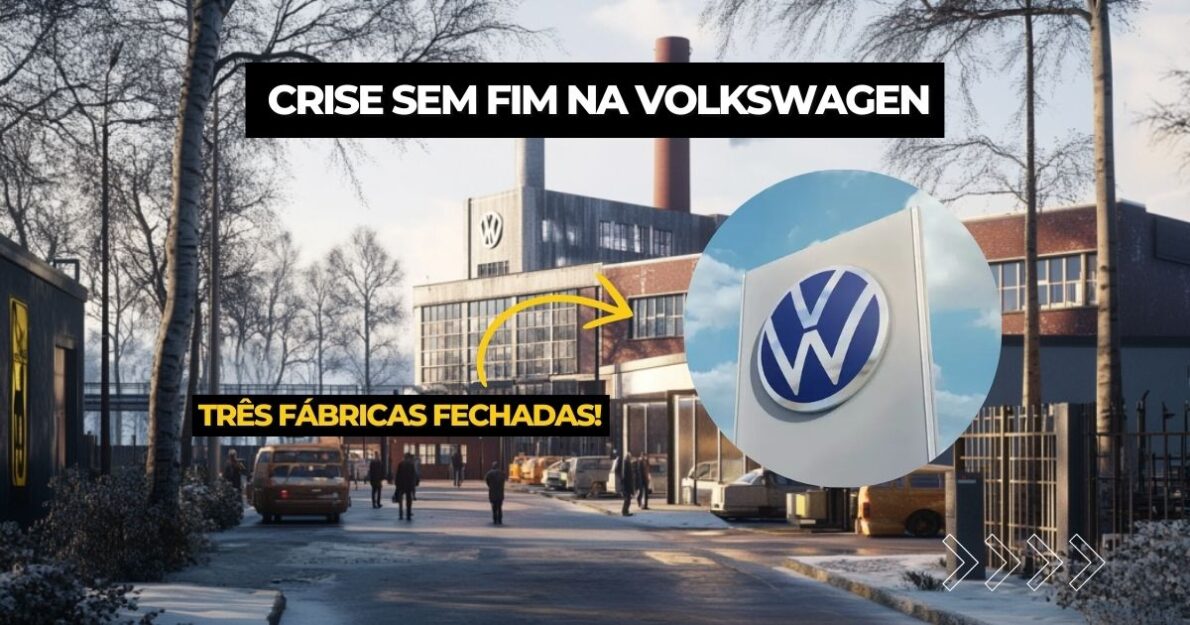
Volkswagen Announces Closure of Three Factories and Thousands of Layoffs, Along With Salary Cuts and Freezing Benefits. The Transition to Electric Cars and Competition With Chinese Manufacturers Pressure the Company to Restructure Its Costs.
Volkswagen, one of the largest names in the automotive industry, recently announced a controversial plan to restructure its production in Germany, ceasing operations in at least three of its ten factories in the country.
As a result, thousands of workers will lose their jobs as the company tries to face the pressures of transitioning to electric vehicles and intense competition with Chinese manufacturers.
In Brazil, the company experiences a rollercoaster scenario with production stoppages, financial challenges, and an announcement of a billion-dollar investment that could impact the local economy.
-
China alone accounts for 70% of trade within the BRICS, while Brazil establishes itself as an essential supplier of food and minerals: understand how the group, which already represents nearly 40% of the world’s GDP, is changing the game.

-
Starting in May, those who do not have registered biometrics will not be able to apply for Bolsa Família, sickness benefits, or unemployment insurance: understand the new rule that changes access to benefits for millions of Brazilians.

-
A new law being voted on in Brazil proposes a minimum fare of R$ 10 per trip and R$ 2.50 per kilometer for Uber and 99 drivers, and promises to ensure they earn as well as taxi drivers did during the golden age of taxis in the country.

-
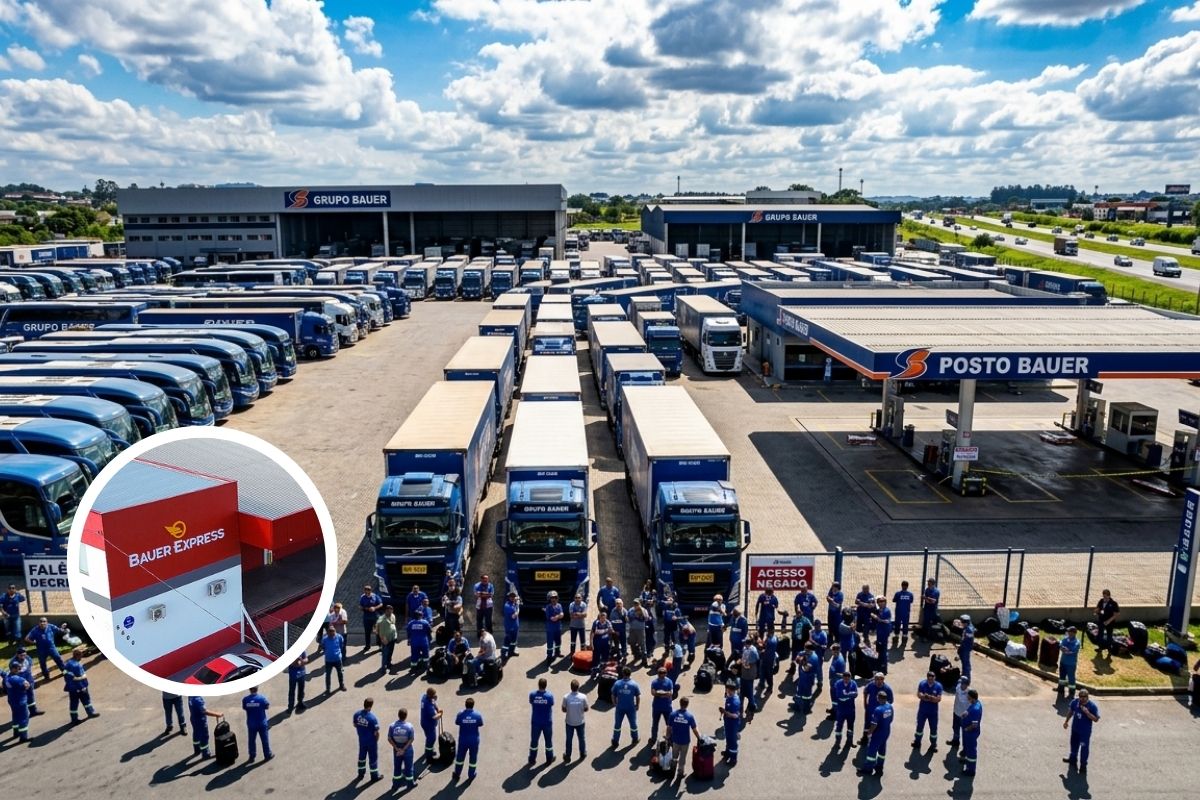
Bauer Group collapses after failed judicial recovery: 25 years, 800 vehicles, and a network of gas stations leave a debt of R$ 50 million and 100 layoffs, exposing costs, tight margins, and expensive credit in Brazil.

According to Daniela Cavallo, chair of the Volkswagen employee council, the decision to close factories and reduce personnel is not merely a negotiation strategy.
For her, the group is actually starting a “liquidation” of its operations in Germany.
The statement was made public in a speech to hundreds of workers at the company’s headquarters in Wolfsburg, where Cavallo harshly criticized Volkswagen’s management and what she described as a “direct threat” to German job security.
This restructuring is not limited to just factory closures.
The company also plans to cut 10% of salaries and suspend benefits such as bonuses, in addition to proposing a salary freeze for the next two years.
These proposals have been met with resistance from the IG Metall union, which, in turn, demands a 7% annual salary increase.
The company’s expected financial loss is likely to make the upcoming collective negotiations quite heated.
The Impact of the Electric Transition
Volkswagen, like many other global automakers, is facing difficulties in transitioning to the electric vehicle market.
Additionally, the competition with Chinese electric vehicle brands, which are gaining popularity in Europe with lower prices, further intensifies the challenges.
This scenario has led Volkswagen to rethink its structure and operational costs in Germany and Europe to enhance its competitiveness in an increasingly demanding sector.
The employee representative also revealed that there are plans for a reduction of operations across Europe, which could include transferring some of these activities to countries outside the continent, without ruling out a potential impact on the company’s subsidiaries, such as Volkswagen Brazil.
The Situation of Volkswagen in Brazil
Volkswagen’s operation in Brazil, although also facing difficulties, has a strategy that differs in some aspects from the reality faced in Germany.
Recently, the company announced a R$ 9 billion investment plan until 2028 for the development of new models and technologies, focusing on hybrid vehicles and more sustainable solutions.
This amount reinforces Volkswagen’s commitment to maintaining a relevant presence in Latin America, which has proven to be a growing market for electric and hybrid vehicles.
On the other hand, the Brazilian market also has its challenges.
In 2023, Volkswagen halted production at its three main automotive factories in the country—located in São Bernardo do Campo, Taubaté, and São José dos Pinhais.
These interruptions, justified by the company as a response to stagnant demand and rising production costs, affected popular models such as T-Cross, Nivus, Polo, and Saveiro.
Moreover, the high Selic rate and the elevated price of cars have been significant barriers, limiting the purchasing power of Brazilian consumers.
What Is at Stake for the Brazilian Automotive Market?
Meanwhile, the Brazilian government has been discussing possible incentive measures for the sector, including extending a program aimed at facilitating vehicle purchases.
However, political figures, such as the Planning Minister, Simone Tebet, emphasized the need for tax reform to reduce production costs in Brazil.
The situation of automakers in the country reflects a larger structural problem that requires changes to make the sector more competitive and less dependent on government incentives.
With Volkswagen seeking alternatives to cut costs and adapt to the demands of a rapidly changing market, it remains to be seen how these decisions will impact its employees and its consumer base.
In Brazil, although the billion-dollar investment signals a long-term commitment, production stoppages and falling demand make it clear that the company’s future also depends on economic adjustments and structural changes in the country.
The Future of Volkswagen: A Journey of Uncertainties
Volkswagen remains steadfast in its intention to redefine its course in the global market, with one foot in innovation and the other in austerity.
But, with job cuts in Germany, a competitive market in Europe, and economic challenges in Brazil, the path for the German automaker is far from predictable.
The transition to sustainable vehicles represents both a promise and a challenge, and the impacts of these changes extend far beyond the factories and dealerships.
Will Volkswagen manage to balance the pressure for electrical transition with the need to maintain its workforce and its global presence? Or will we see an expansion move outside European countries that will change the way the automaker operates?








Seja o primeiro a reagir!