





 Portuguese
  English
  Spanish
  4 min of reading
  0 comments


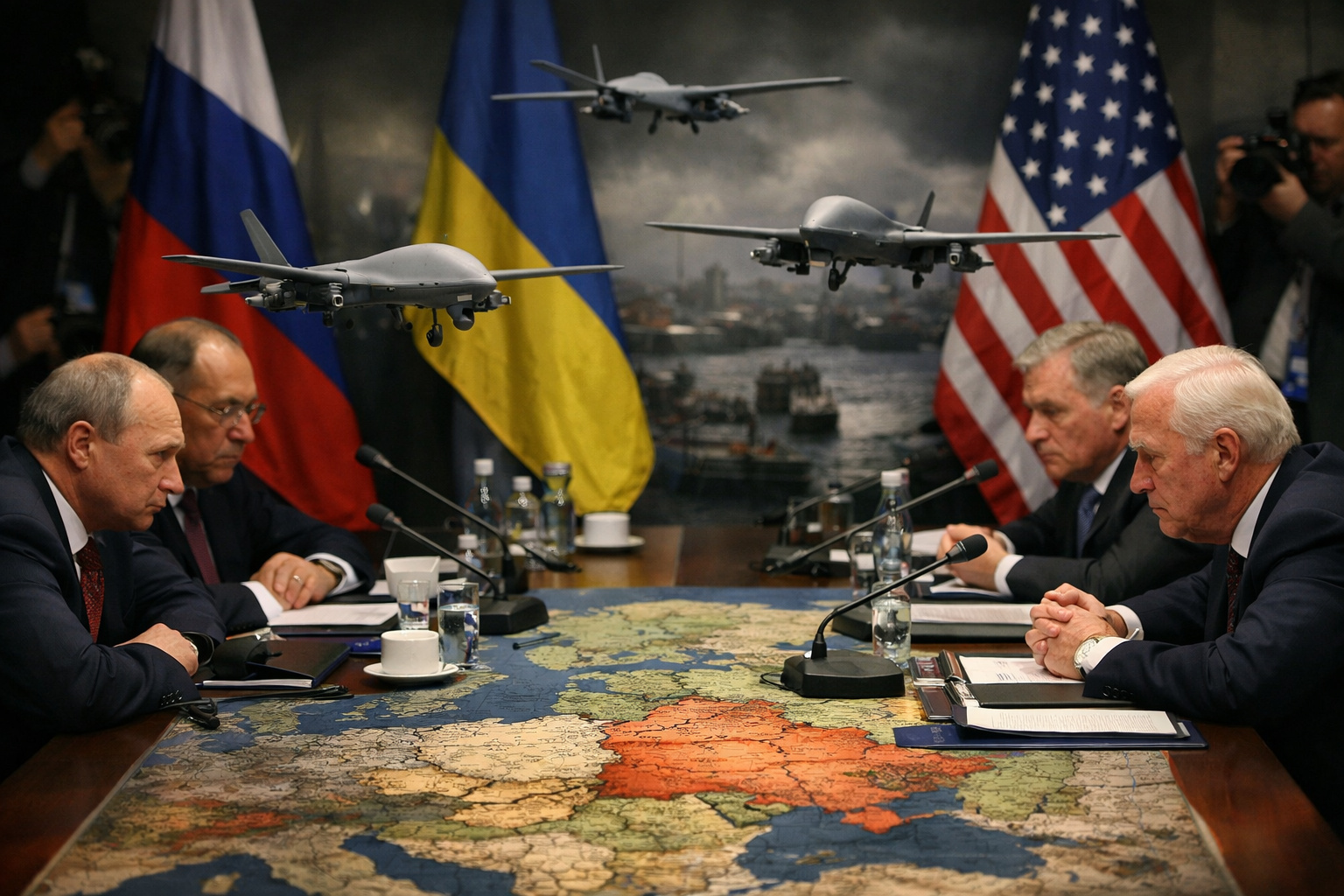
Accusations Involving a Supposed Attack on Vladimir Putin’s Residence Deepen Distrust Between Moscow and Kyiv and Expose the Fragility of the Current Negotiation Process

The peace negotiations regarding the war in Ukraine have faced turmoil again. After initial signs of progress, the dialogue suffered a new setback. This occurred one day after the meeting between Donald Trump and Volodymyr Zelensky, when the U.S. president stated that the talks were in a “final phase.”
However, shortly after, Moscow accused Kyiv of attempting to carry out a drone attack on the residence of Russian President Vladimir Putin. The accusation heightened diplomatic tensions. As a result, the possibility of an agreement once again seemed distant.
The information was reported by international media and confirmed in official statements, according to a report published by Brasil de Fato. According to the Kremlin, the alleged attack would have occurred on Monday (29). Ukraine denied any involvement. Furthermore, it described the allegation as “yet another lie” from Russia.
-
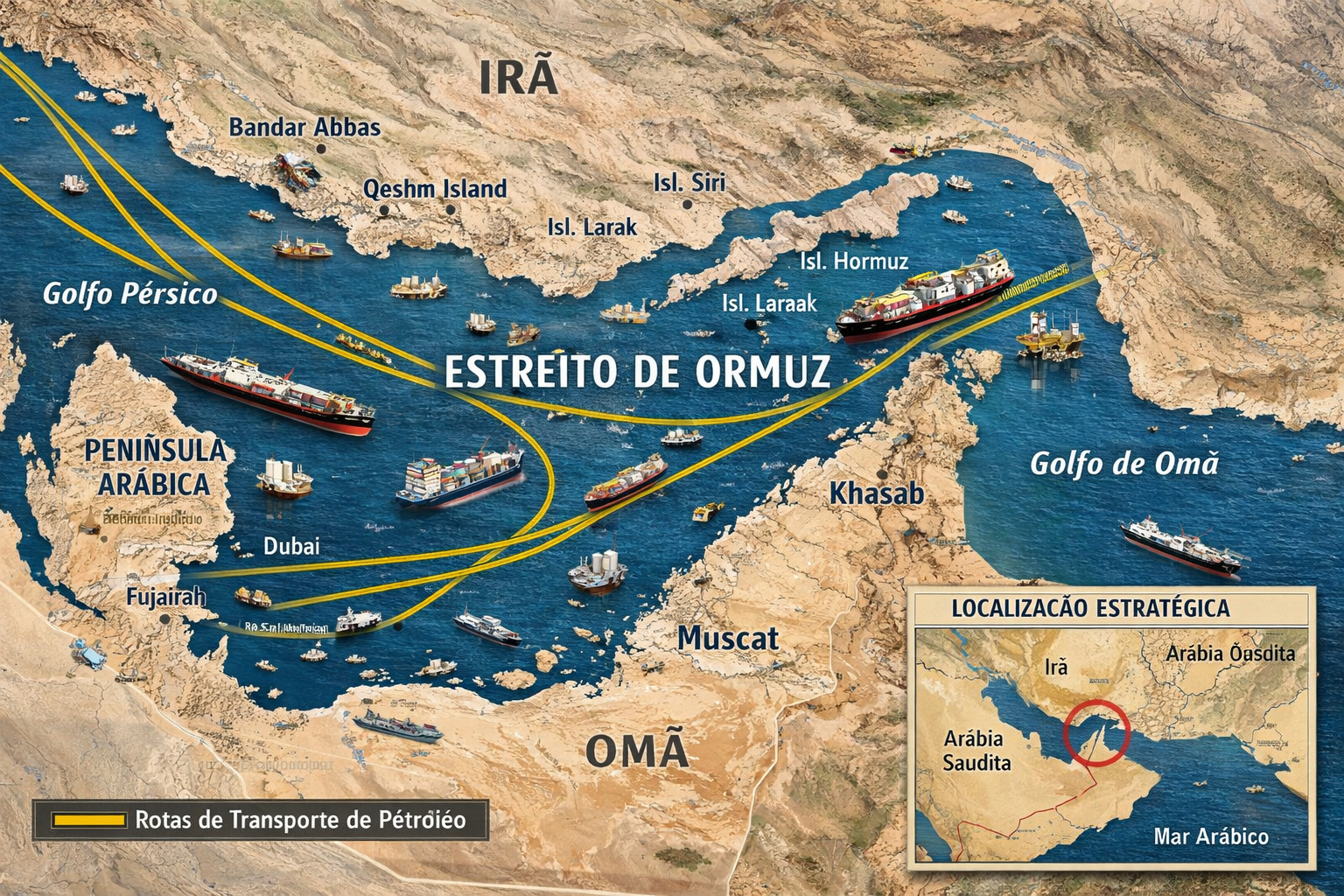
Global summit with over 40 countries pressures Iran for a blockade in the Strait of Hormuz and warns of direct impact on oil, food, and the global economy.
-
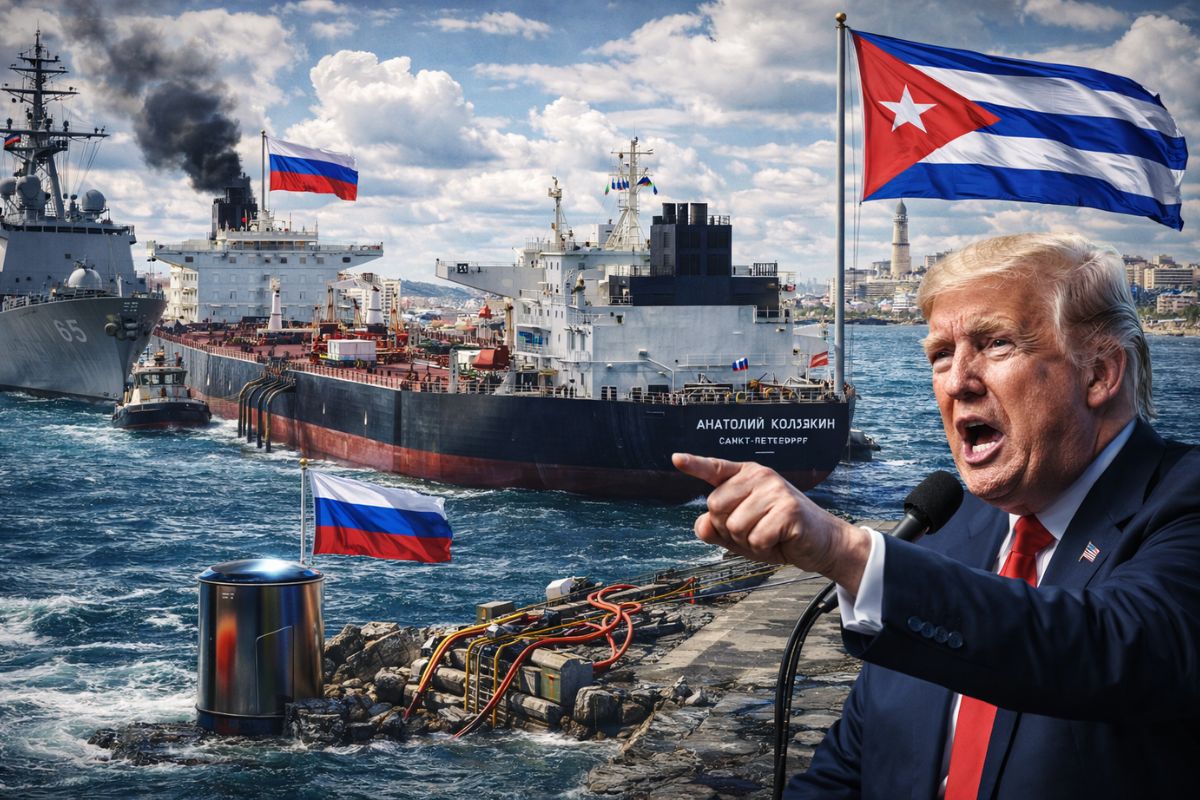
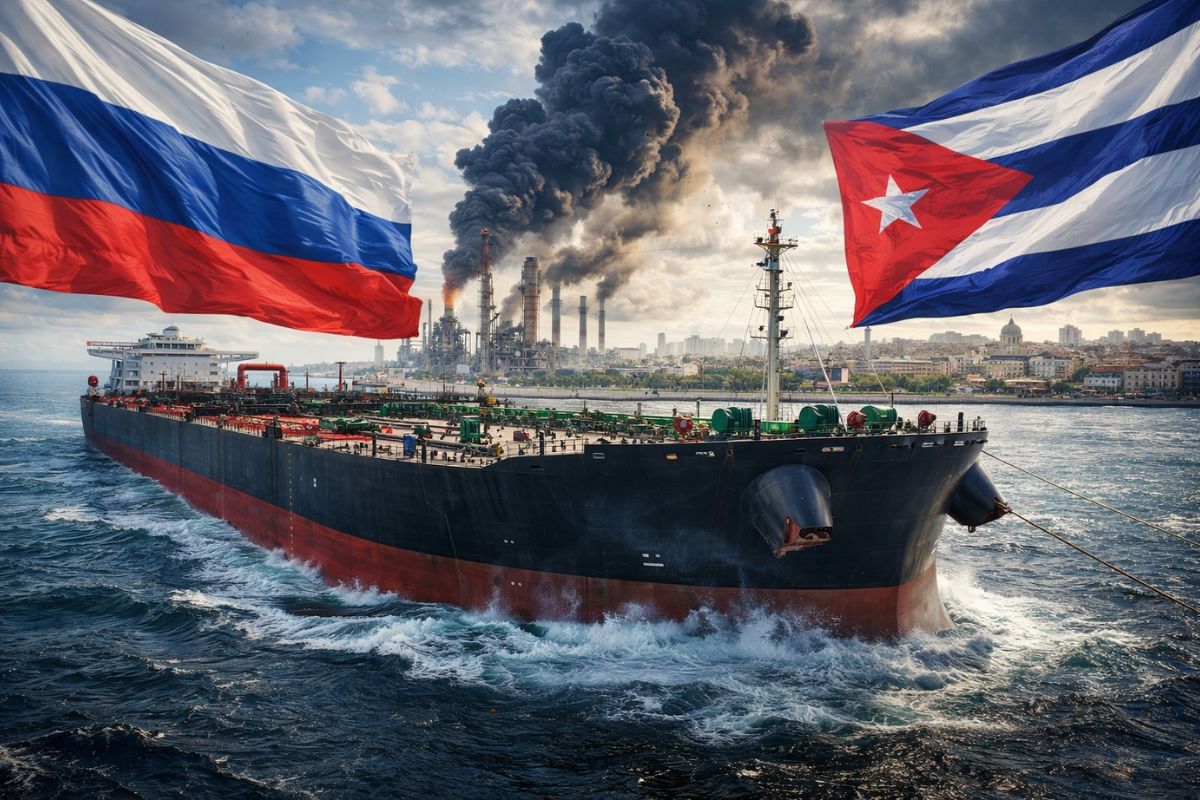
Russia has broken the U.S. maritime blockade to send oil to Cuba and is now loading a second ship while Trump says that “Cuba is next” in a possible military action against the island.
-
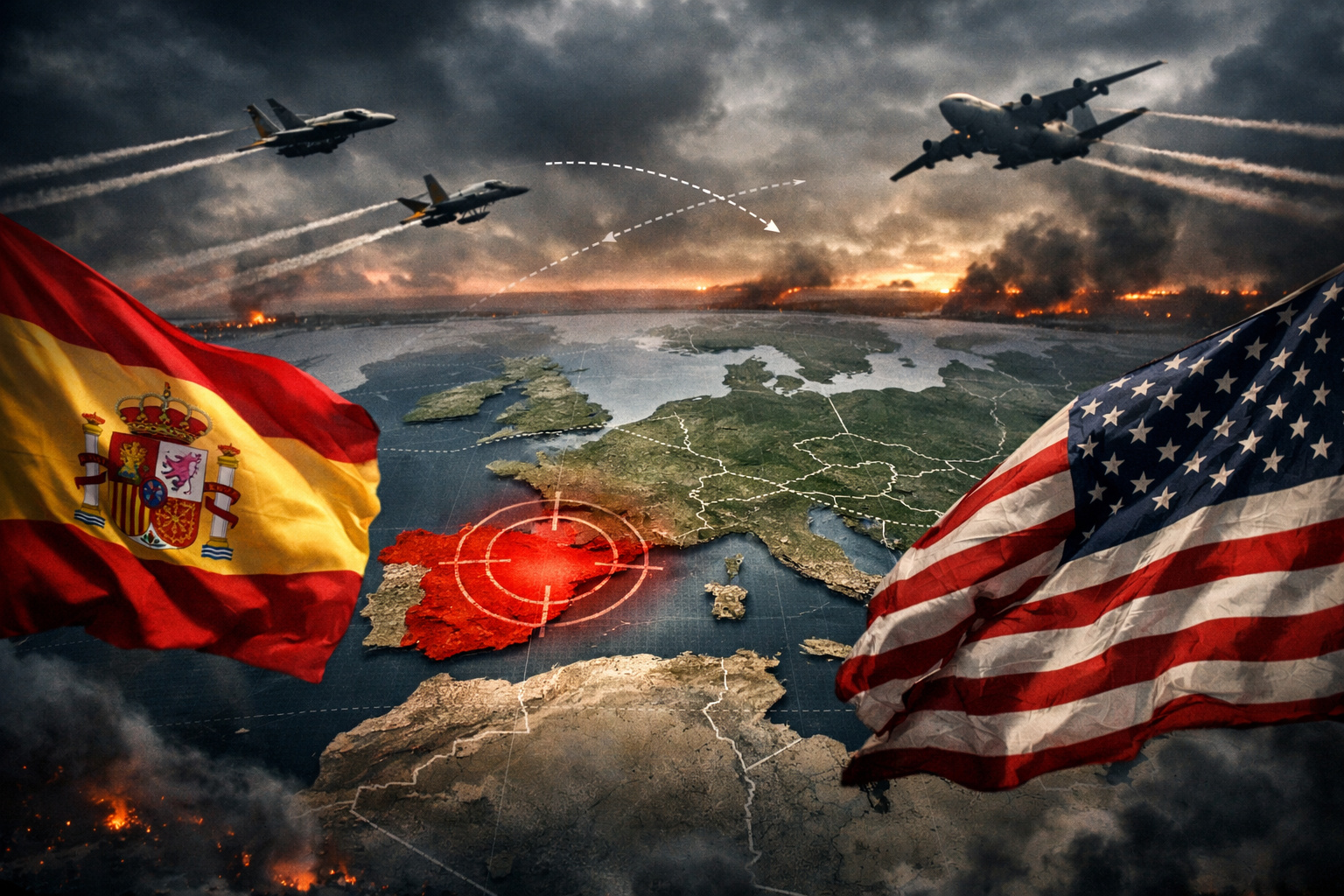
Spain challenges the USA and closes its airspace for operations against Iran, raising global tension and provoking the threat of a trade rupture.
-
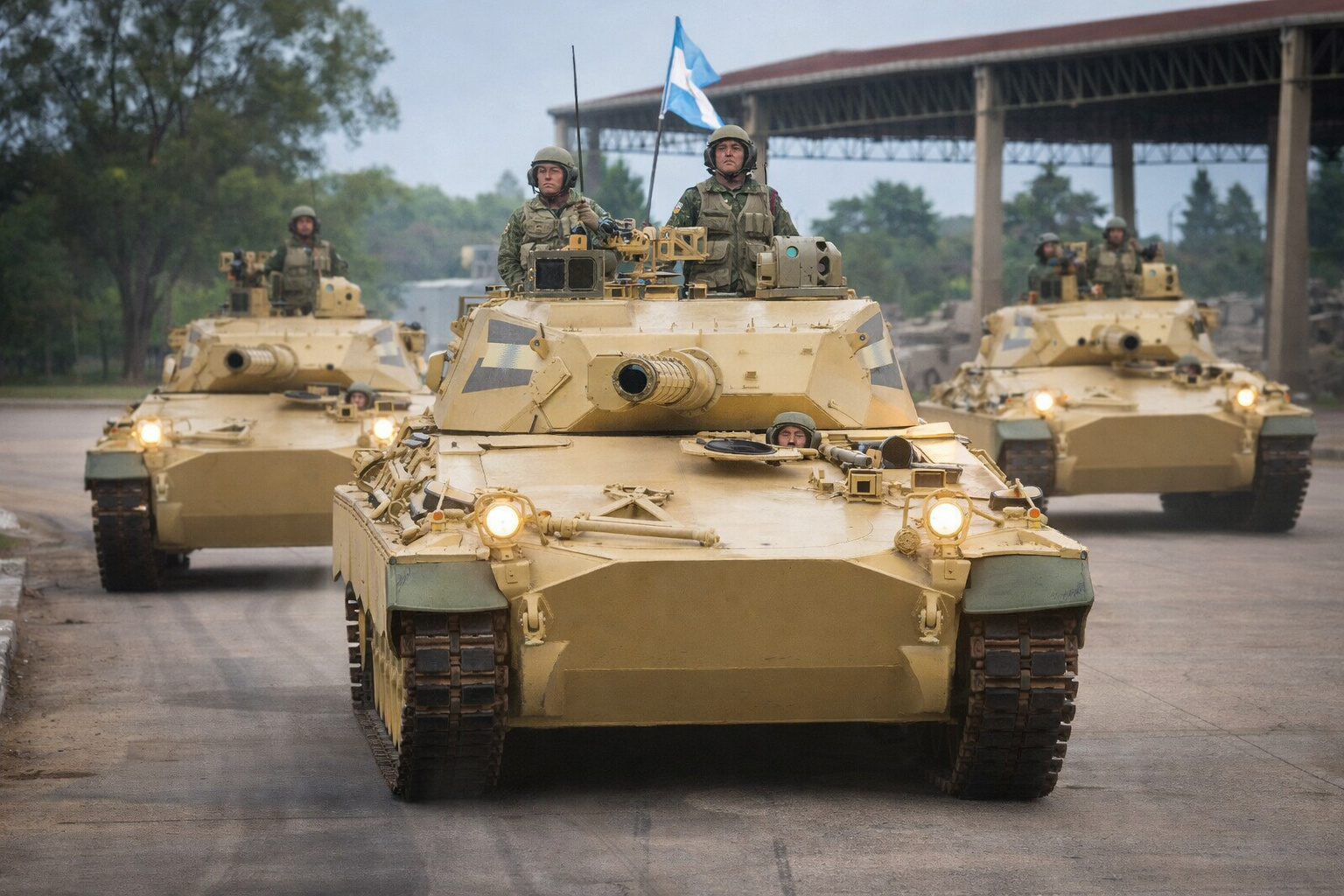
While no other country manufactures tanks in Latin America, Argentina activates the TAM 2C-A2 and raises a curiosity about the technological lag in the region.

Russia Claims to Have Shot Down 91 Drones and Hardens Its Rhetoric
Initially, the Russian Ministry of Defense reported that its air defense forces shot down 91 Ukrainian drones. Of that total, 41 were over the Novgorod region, 49 were in Bryansk, and one was intercepted in Smolensk. At that moment, the Russian government did not mention specific targets.
Subsequently, Foreign Minister Serguei Lavrov stated that the drones were aimed at the residence of Vladimir Putin, located in Valdai, in the Novgorod region. Despite the seriousness of the claim, Moscow did not present concrete evidence confirming a direct attack on the location.
Next, the head of Russia’s Air Defense Forces, Alexander Romanenko, released a map with details of the operation. According to him, around 7:20 PM on December 28, 2025, Russian radars detected drones flying at extremely low altitudes.
According to Romanenko, the equipment originated from Ukrainian regions of Sumy and Chernihiv. Additionally, they would have advanced from the south, southwest, and west. For Moscow, this pattern indicated a planned and targeted attack.
Zelensky Rejects Accusations and Calls It a Farce
In response, the President of Ukraine, Volodymyr Zelensky, dismissed the accusations. According to him, Moscow is trying to use the episode as an excuse to intensify attacks against Kyiv. He also warned that the Russian narrative could compromise any diplomatic progress.
Zelensky stated that the accusations are “very dangerous”. For him, they put at risk the gains achieved in recent negotiations. The Ukrainian leader also mentioned that he maintains constant dialogue with the United States.
According to Zelensky, Ukrainian and American teams analyzed the technical data. The conclusion, according to him, is that there was no attack on Putin’s residence. “It’s a farce,” he stated. He also emphasized that international partners have technical means to prove this.
Even so, Moscow reacted firmly. On Tuesday (30), Kremlin spokesman Dmitry Peskov stated that Russia will harden its position in peace negotiations. According to him, the episode further reduces trust between the parties.
Experts See Peace Process Becoming Increasingly Fragile
For experts, the episode reveals the fragility of the negotiations. In an interview with Brasil de Fato, Professor Fernando Brancoli from the Federal University of Rio de Janeiro (UFRJ) assessed that the conflict of narratives complicates any consensus.
According to Brancoli, it would not make sense for Ukraine to launch such an attack while discussing a peace agreement. This becomes even less likely after recent meetings of Zelensky in the U.S. On the other hand, Russia maintains that Kyiv seeks to demonstrate military strength.
Moreover, the obstacles extend beyond this episode. Central issues remain unresolved. Among them are security guarantees for Ukraine and the status of the occupied territories.
Since October 2022, Russia claims to have annexed Donetsk, Lugansk, Kherson, and Zaporozhye. However, Moscow does not fully control these regions. Nonetheless, it demands the withdrawal of Ukrainian troops as a condition for ending the war.
Trump, Donbass, and Security Guarantees Remain at the Center of the Stalemate
On Sunday (28), Donald Trump and Zelensky met in Florida. They discussed a 20-point peace plan developed by Kyiv. After the meeting, Trump called for quick approval of the document.
Despite this, the issue of Donbass remains unresolved. Zelensky admitted the possibility of a referendum, but conditioned the proposal to a ceasefire of at least 60 days. According to him, any concession would need to be reciprocal.
Trump has already announced an offer of security guarantees for 15 years for Ukraine. However, experts highlight that the mechanism of these guarantees remains undefined. It is still unclear whether it would involve troops, direct attacks, or just continuous military support.
Meanwhile, Russia rejects a ceasefire without resolving what it calls the root causes of the conflict. On June 14, 2024, Putin stated that he would accept an immediate ceasefire if Ukraine left the annexed regions and renounced joining NATO. Kyiv rejected the proposal.
Thus, despite the public rhetoric in favor of peace, attacks continue, offensives persist, and distrust dominates the scene. For analysts, there is still no clarity on the possibility of a viable and lasting agreement.
Given so many versions, tensions, and interests at play, do you still believe that peace in the Ukraine war is possible or does this conflict already seem like a dead end for the entire world?









-

Uma pessoa reagiu a isso.