





 Portuguese
  English
  Spanish
  3 min of reading
  2 comments


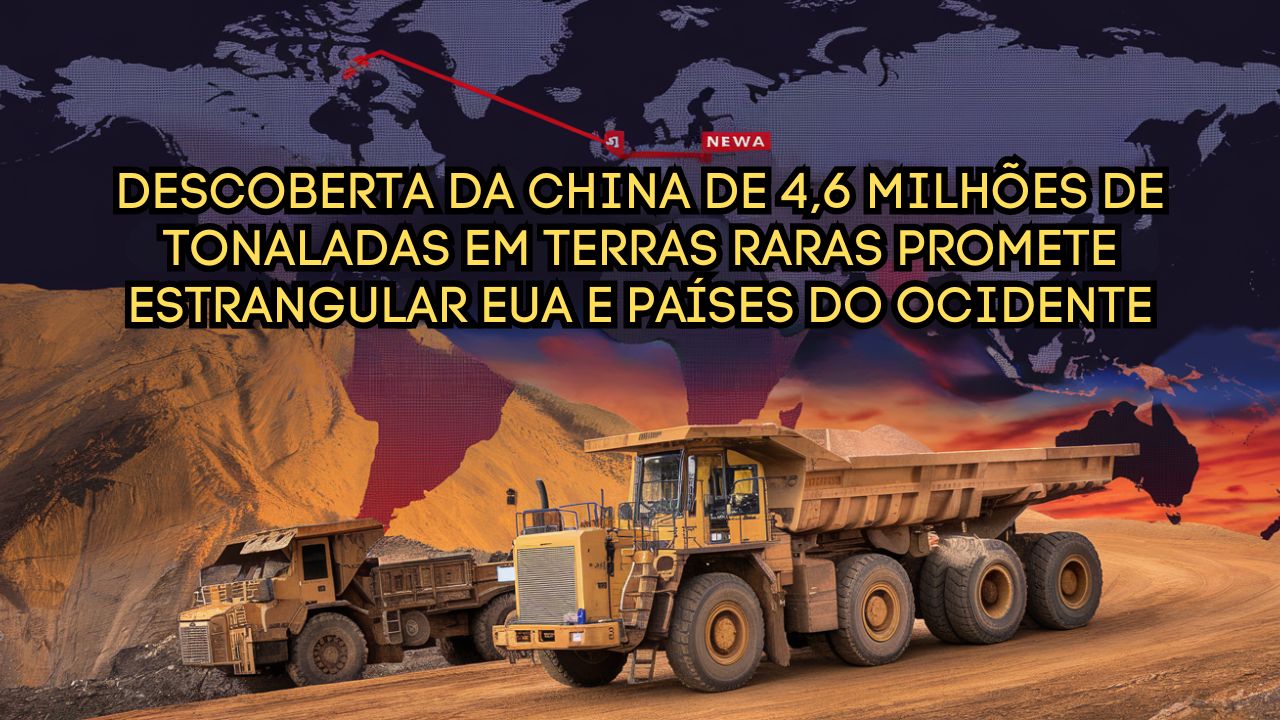


China and Its Control of the Global Market: Beijing Sets the Rules for Rare Earth Exports and Prices and Promises to Further Strangle the U.S. and Other Western Countries
China is already a superpower in rare earth mining, and a new find further reinforces its control. The West, on the other hand, faces a tough battle to compete, hampered by strict environmental regulations and vast Chinese experience.
“While the Middle East has oil, China has rare earths.” This statement by Deng Xiaoping, who led China from 1978 to 1989, still rings true. Rare earths have become vital in the 21st century, being essential for industries such as electric vehicles, technology, aerospace, and others involving lasers and astronomical instruments.
Although there are rare earths in various parts of the world, China maintains a leading position, not only in volume but also in its extraction and processing capabilities. Now, this control is further expanding with the discovery of a new source in Sichuan province.
-
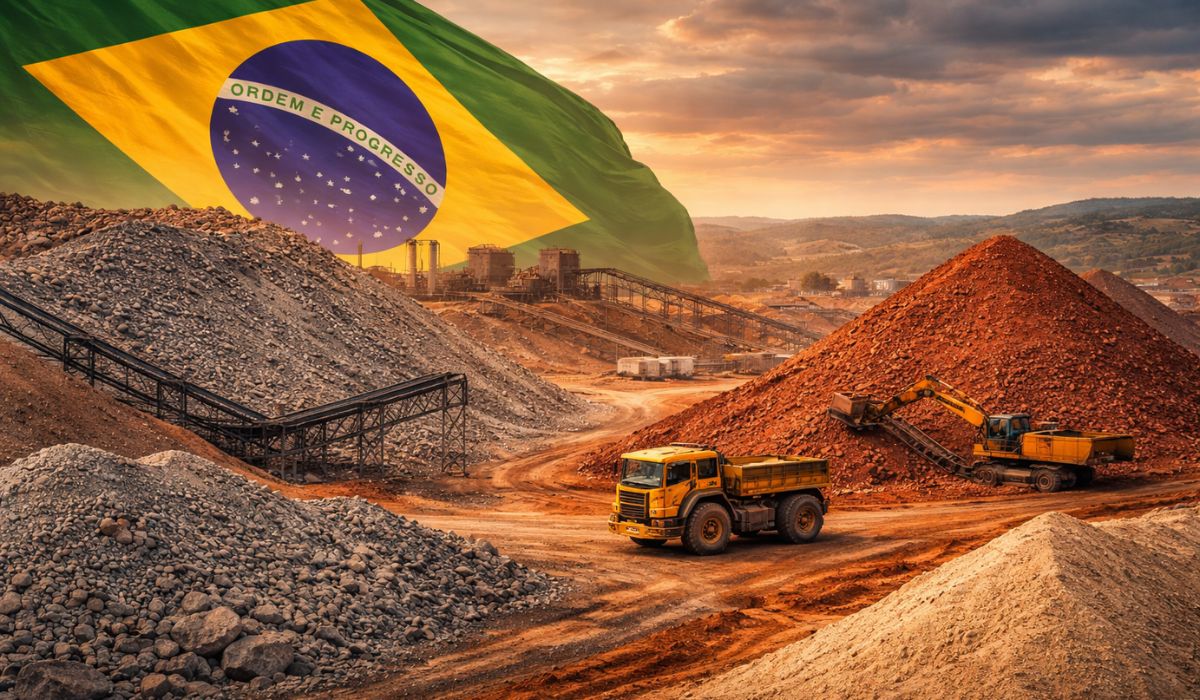
Brazil extracts 26.3 million tons of ore from what was previously treated as waste, transforming residues into wealth, producing over 3 million tons of sand, and demonstrating how national mining is relearning to generate value.
-
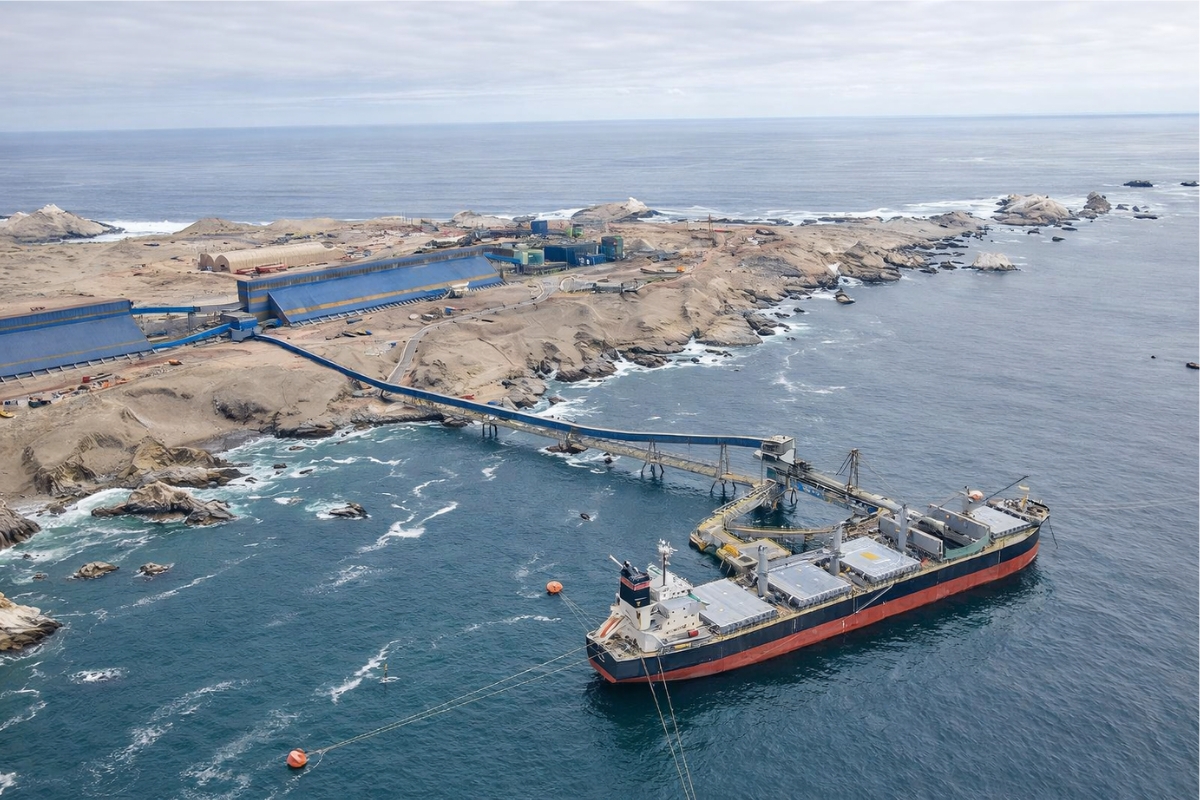
A $3.5 billion megaproject in Latin America pumps desalinated seawater at 1,050 liters per second over 194 km to keep a copper supermine in the Andes operational for another 20 years.
-
If the USA were to go to war with Brazil, Washington’s greatest fear would not be the attack itself, but facing a vast territory, prolonged resistance, and a costly, chaotic, and unpredictable occupation.

-
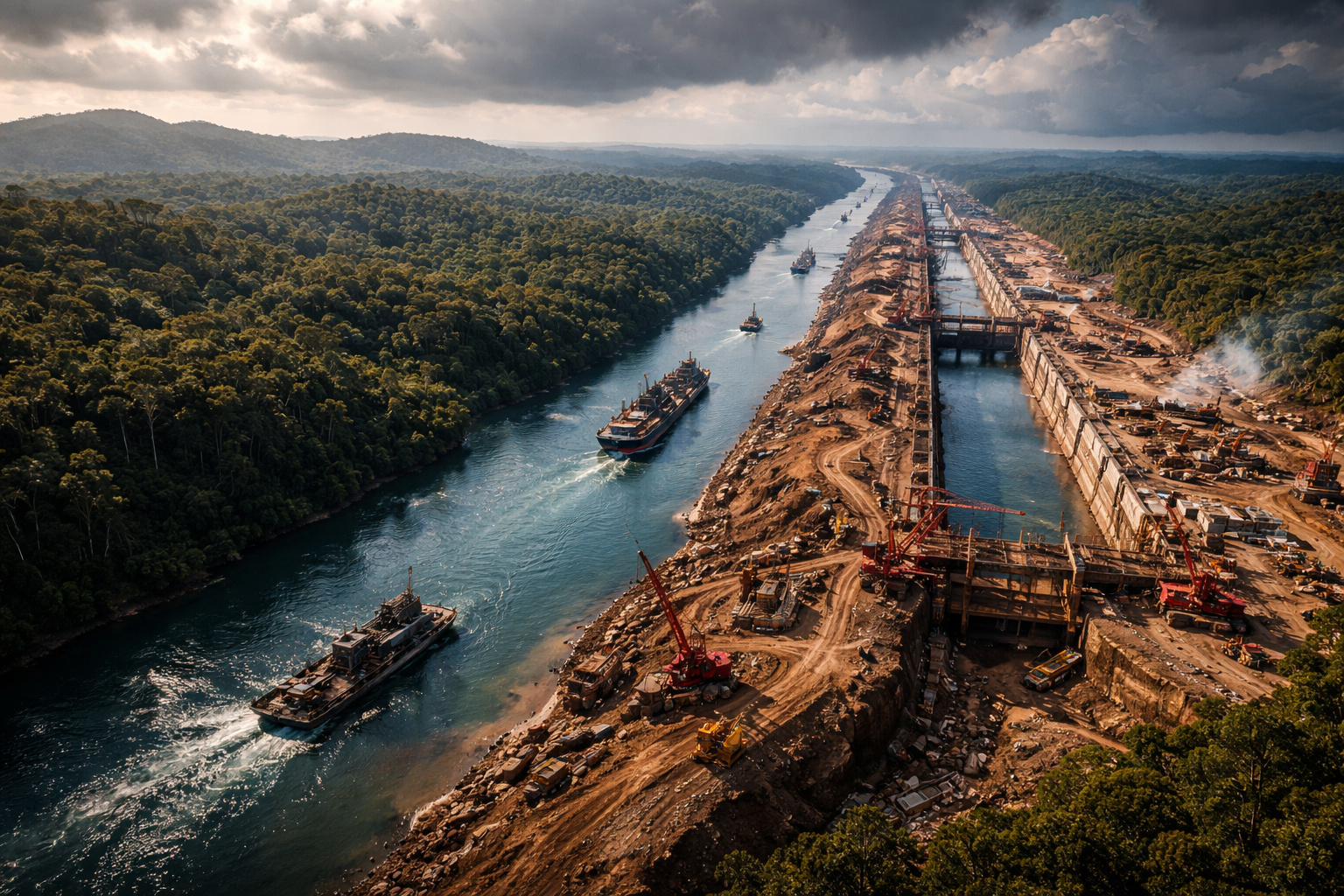
In 2013, Nicaragua sold the concession for a canal to rival Panama to a Chinese billionaire who lost 85% of his fortune, disappeared, and was declared bankrupt. Now the project resurfaces with a new route, a new Chinese partner, and a cost of $64.5 billion.

China Accelerates Its Leadership in Rare Earth Mining
The elements that constitute rare earths are generally not found in their pure form in nature, requiring complex extraction processes to obtain metals like neodymium, promethium, scandium, and gadolinium, which are fundamental to many modern industries. In 2021, three of China’s largest rare earth extraction and production companies merged to create the China Rare Earth Group, further strengthening Chinese dominance.
In recent months, the country has increased its extraction quotas by 5.9% and smelting quotas by 4.2% compared to the previous year, totaling 270,000 and 254,000 tons, respectively.
Hidden Wealth in Poor Lands
China’s experience in processing rare earths is complemented by less stringent environmental legislation compared to the West, allowing the country to continue leading the market. Additionally, China has vast reserves of these materials. The latest addition to these reserves is the discovery of 4.96 million tons of rare earths in Sichuan province, specifically in the Liangshan region, one of the poorest areas of China.
This new deposit is considered a strategic resource for the country’s technological advancement, which includes sectors such as electric vehicles, wind turbines, robotics, and even armaments.
Washington on Alert: Geopolitical Implications
During a recent conference, the China Rare Earth Group highlighted that “in light of the new international competition, the focus will be on ensuring the security of China’s rare earth resources,” revealing the geopolitical importance of these discoveries. Chinese protectionism has been intensifying, with clear examples such as electric vehicle technology that has captured the global market.
Meanwhile, Washington is on alert, with the West aware of its dependence on Chinese rare earths, seeking new sources and methods to process these materials. Some alternatives include regions like Greenland and Norway, along with Japan’s efforts to reduce its dependence.
An Unbeatable Control Over the Global Market: China Sets the Rules for Rare Earth Exports and Prices
Although the West is making progress in reducing Chinese hegemony, the Asian giant continues to discover new deposits of rare earths, like the one in Sichuan, further consolidating its dominance. China controls the market to the extent that, when prices rise, it gathers its top manufacturers to adjust and balance the market.
Despite the efforts of other countries, China still sets the rules. In the 2010s, it controlled between 80% and 90% of global rare earth production. In 2023, this percentage dropped to 70%, according to the U.S. Geological Survey, but Chinese influence remains decisive in regulating exports and prices.







Espero que a China não mande nenhuma grama desta gema para os americanos, deixa que eles moram seu próprio veneno.
O próprio EUA tem reserva em terras raras,mas eles não tem técnico altamente qualificado e refinaria de ponta para extração,por ignorância deles mesmo, na época,se os chineses vende mais barato e danificar ambiente deles porque não compra deles, aí americano desmantelado as fábricas e demissão de operário foca comprar na china que era muito pobre não tinha conhecimento de Terra raras era tão útil