





 Portuguese
  English
  Spanish
  4 min of reading
  0 comments


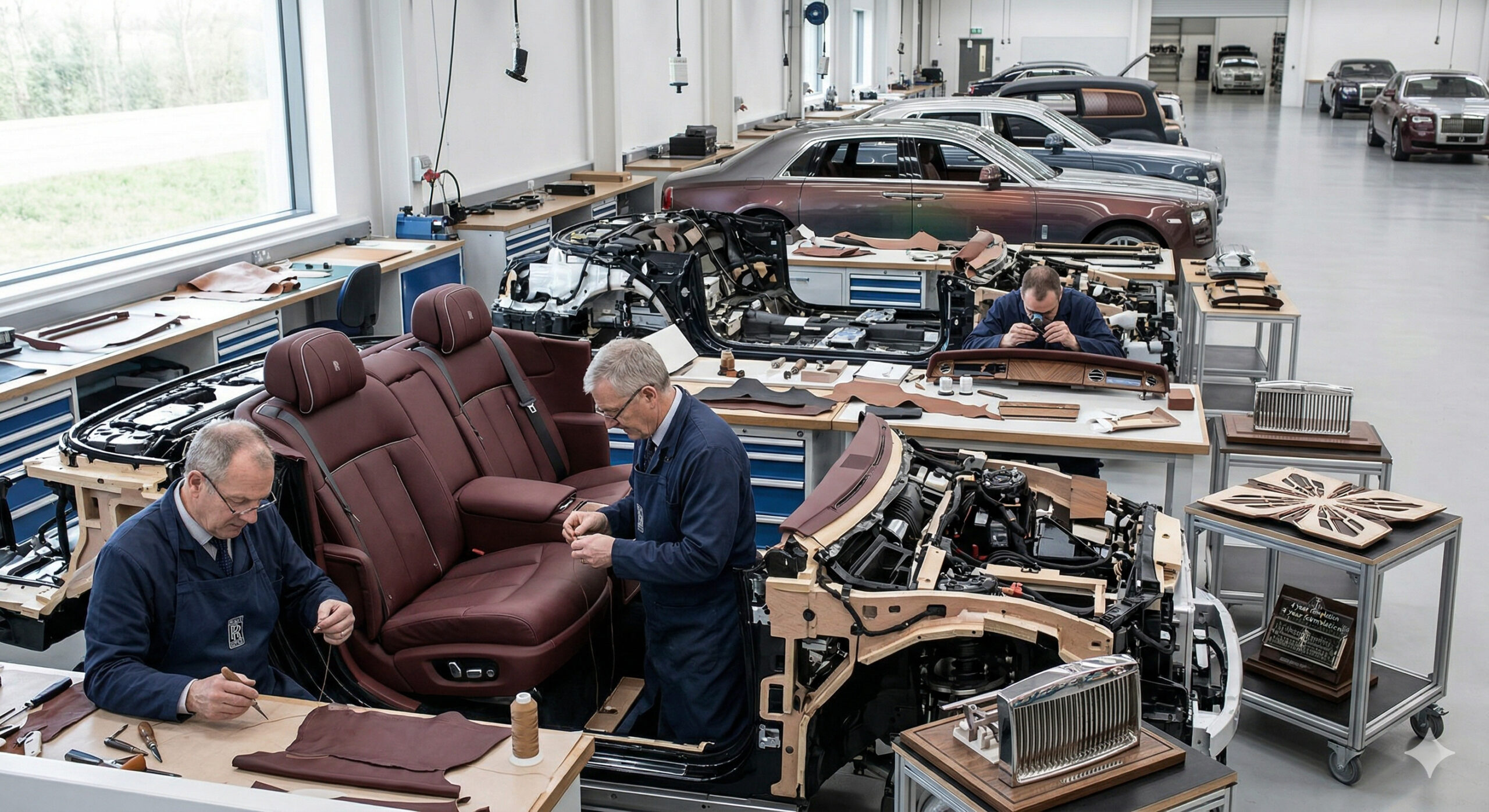
Rolls-Royce maintains handcrafted production in Goodwood, with more than 600 hours per car and orders that can take up to four years.
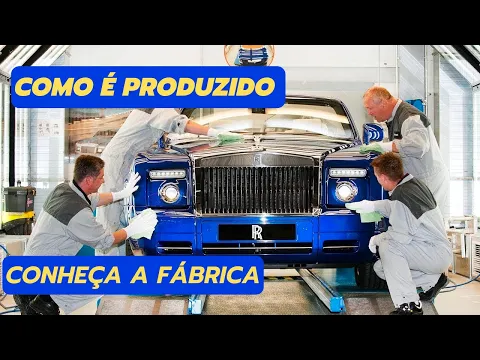
In 2025, information released by Rolls-Royce Motor Cars reinforced one of the most unusual production models in the global automotive industry. Located in Goodwood, West Sussex, UK, the brand’s factory maintains a production process centered on manual assembly and custom personalization: according to the manufacturer, each vehicle requires more than 600 hours of work to be completed, and more complex projects can take years between development and construction.
While traditional automakers prioritize scale, standardization, and a high level of automation, Rolls-Royce has structured its production with a strong presence of specialists in areas such as painting, leather, and finishing carpentry. In the same material, the company describes that its cars are designed and built by hand in Goodwood, with processes that include multi-layer paint finishes and manual polishing, consolidating an industrial system that combines precision engineering with a level of human intervention rarely seen in contemporary industry.
Rolls-Royce handcrafted production replaces automation with highly specialized labor
Unlike automated lines, where vehicles pass through conveyors with repetitive operations, production in Goodwood follows a completely different flow. The car is not treated as a standardized unit, but as an individual project.
-
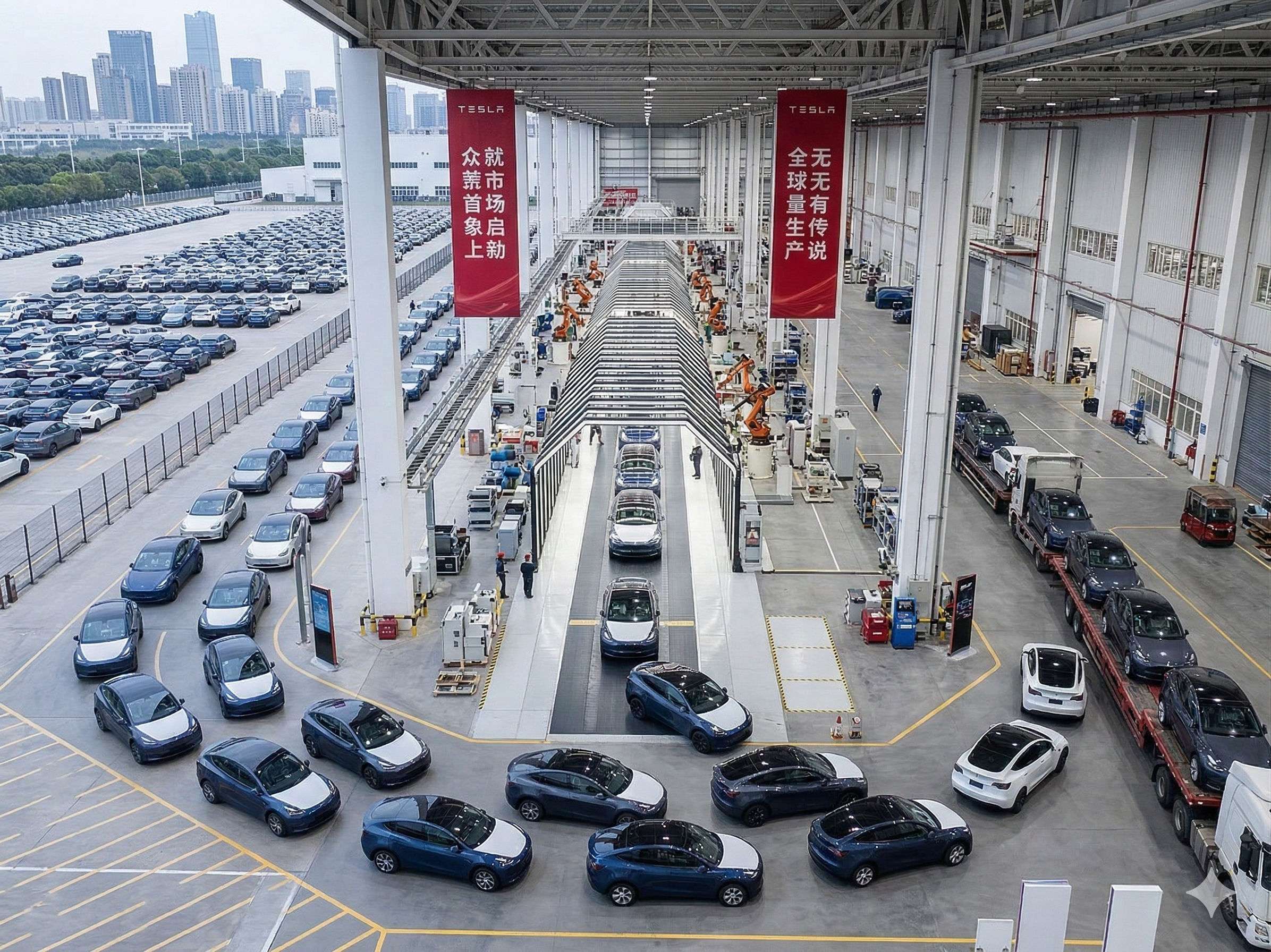
Smaller than the Model Y, lighter, with a single motor and designed to cost less than the current Model 3, Tesla’s new compact electric SUV is born in China and could seal the automaker’s return to the race for mass-market electric vehicles.
-
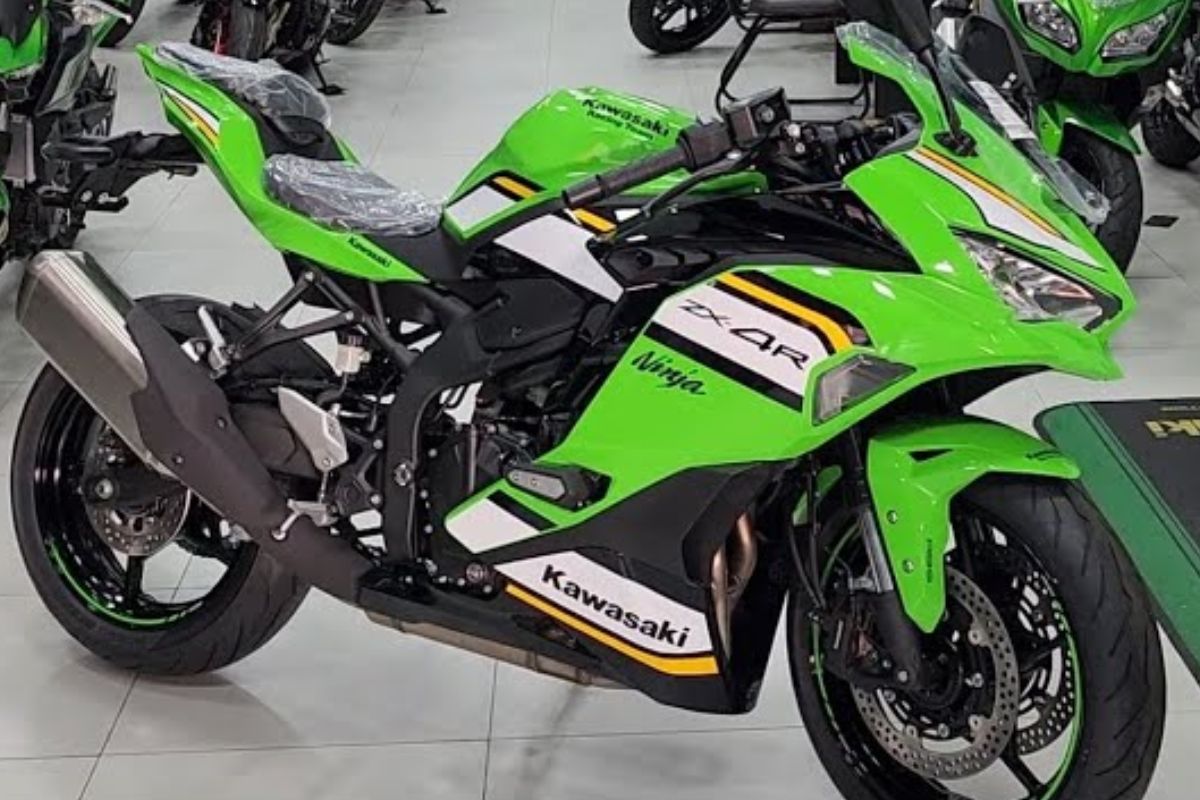
Kawasaki took the technology from its most brutal racing bikes, squeezed it into a 400cc 4-cylinder engine that revs to 15,000 RPM, and created the ZX-4R, a machine that shouldn’t exist in this displacement but is making experienced riders rethink everything they thought they knew about mid-range motorcycles.
-
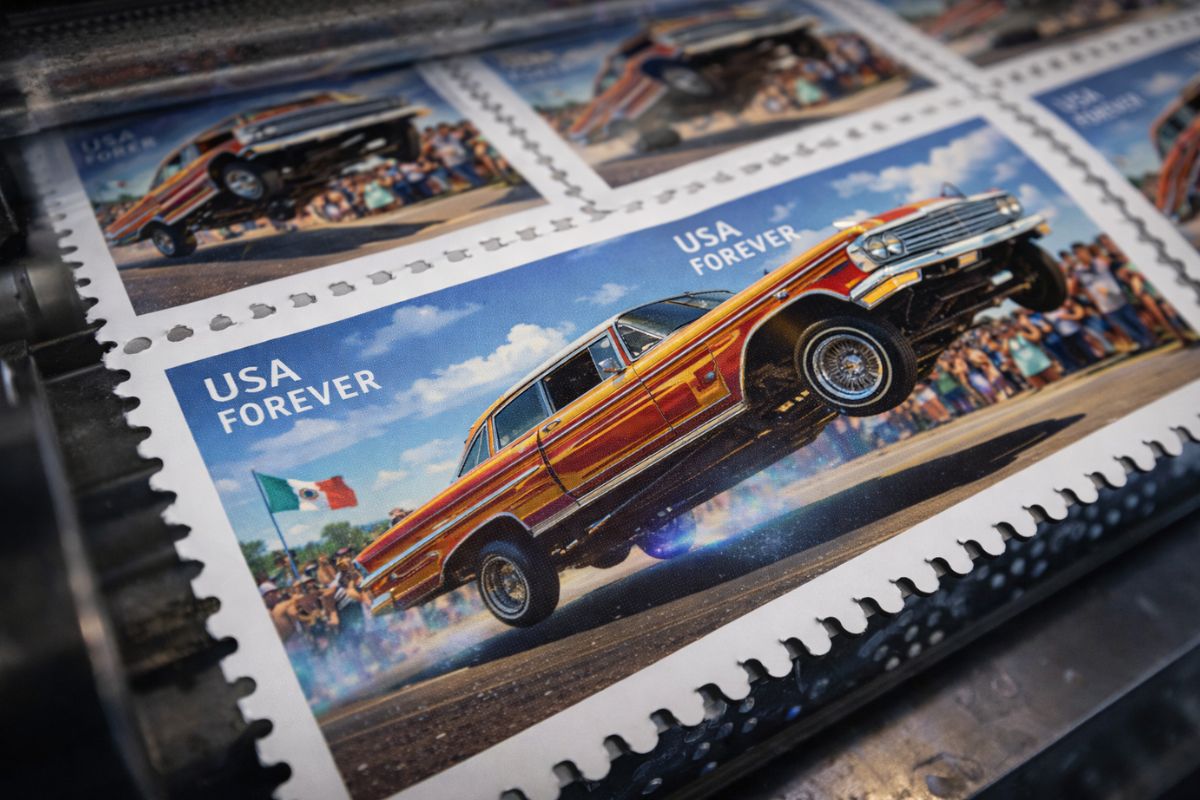
The culture of cars that jump on the asphalt was born in the garages of Mexicans in the 1940s, was treated as a crime in the United States for decades, and has now become an official postage stamp of the American Postal Service in a twist that no one expected.
-
It surpassed the Onix Plus and HB20S: with over 5,000 units sold in March, the Caoa Chery Tiggo 5X 2027 has refreshed its look, conquered the market, and will soon launch a version priced at R$ 120,000 for PcD.
Each unit goes through processes that involve:
- manual assembly of internal components
- fine-tuning of finishes
- detailed visual inspections conducted by specialists
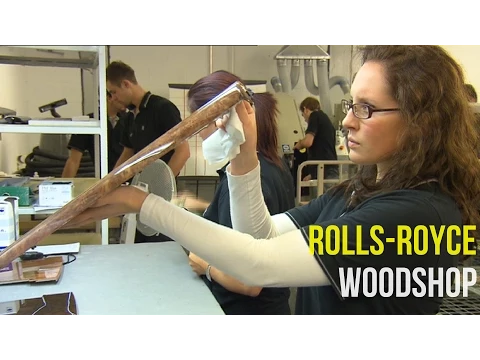

The absence of automation in critical stages does not mean a lack of technology. On the contrary, Rolls-Royce uses advanced engineering and measurement tools, but keeps the final control in the hands of highly trained professionals.
This model allows for a level of precision that, according to the brand itself, cannot be replicated by fully automated systems, especially when it comes to bespoke customization.
Rolls-Royce painting can take days and includes multiple layers applied manually
One of the clearest examples of the complexity of this process lies in the painting of the vehicles. Unlike the automated painting common in the industry, Rolls-Royce applies multiple layers by hand.
Each car can receive:
- multiple coats of paint
- sanding processes between layers
- extensive manual polishing

This process can take several days and results in an extremely uniform finish, with visual depth superior to the industrial standard.
Additionally, customers can request exclusive colors, including shades developed specifically for a single unit, which further increases production time.
Rolls-Royce interior uses selected leather and handcrafted wood
Another central point of production is the interior of the vehicles. Each internal component goes through a selection and finishing process that involves human intervention at virtually every stage.
The leather used, for example, is chosen based on strict criteria, avoiding natural imperfections that could compromise the visual standard. The wooden elements are shaped, treated, and finished by hand.
The result is an interior where:
- each stitch is made with individual precision
- each panel is adjusted by hand
- each detail is checked by specialists
This level of care contributes to the brand’s reputation as one of the most exclusive in the world.
Rolls-Royce customization allows unique cars and orders that take years
Rolls-Royce not only allows customization but encourages completely exclusive projects through its Bespoke division.
Customers can request:
- specific colors created on demand
- unusual or customized materials
- unique design details
In some cases, the level of complexity of these orders is so high that the entire process can take up to four years from the initial concept to final delivery.
This approach transforms the car into a practically unique product, bringing the manufacturing process closer to that of a high-level handcrafted model.
Goodwood factory combines modern technology with traditional techniques
Despite the strong manual component, the Goodwood factory is not technologically backward. On the contrary, it integrates modern engineering systems with traditional manufacturing techniques.
This balance allows for:
- advanced dimensional precision
- strict quality control
- maintenance of the handcrafted standard
The combination of these elements creates a hybrid model, where technology and human skill coexist complementarily.
Limited production reinforces Rolls-Royce exclusivity in the global market
The decision to maintain manual processes directly impacts production capacity. Unlike automakers that produce millions of units per year, Rolls-Royce operates with significantly lower volumes. This limitation is not a problem for the brand, but rather part of its strategy. Reduced production:
- increases exclusivity
- allows for greater quality control
- maintains premium positioning
This model reinforces the idea that each car is not just a product, but an individual project.
Rolls-Royce handcrafted model contrasts with global automation trend
The case of Rolls-Royce draws attention precisely because it contrasts with the direction followed by most of the automotive industry.
While companies invest billions in:
- robotics
- artificial intelligence
- mass production
Rolls-Royce maintains a system based on:
- human skill
- long execution time
- extreme customization
This contrast makes the brand a rare example of resistance to a dominant industrial model.
Comment: Does manual production still make sense in the modern industry?
Rolls-Royce shows that, even in a highly technological sector, there is still room for manual and personalized processes. More than 600 hours per car and years of development for a single unit place the brand in a unique position within the global automotive industry.
In your view, does this handcrafted model represent the future of luxury or is it just an exception in an increasingly automated market?





Seja o primeiro a reagir!