





 Portuguese
  English
  Spanish
  7 min of reading
  0 comments


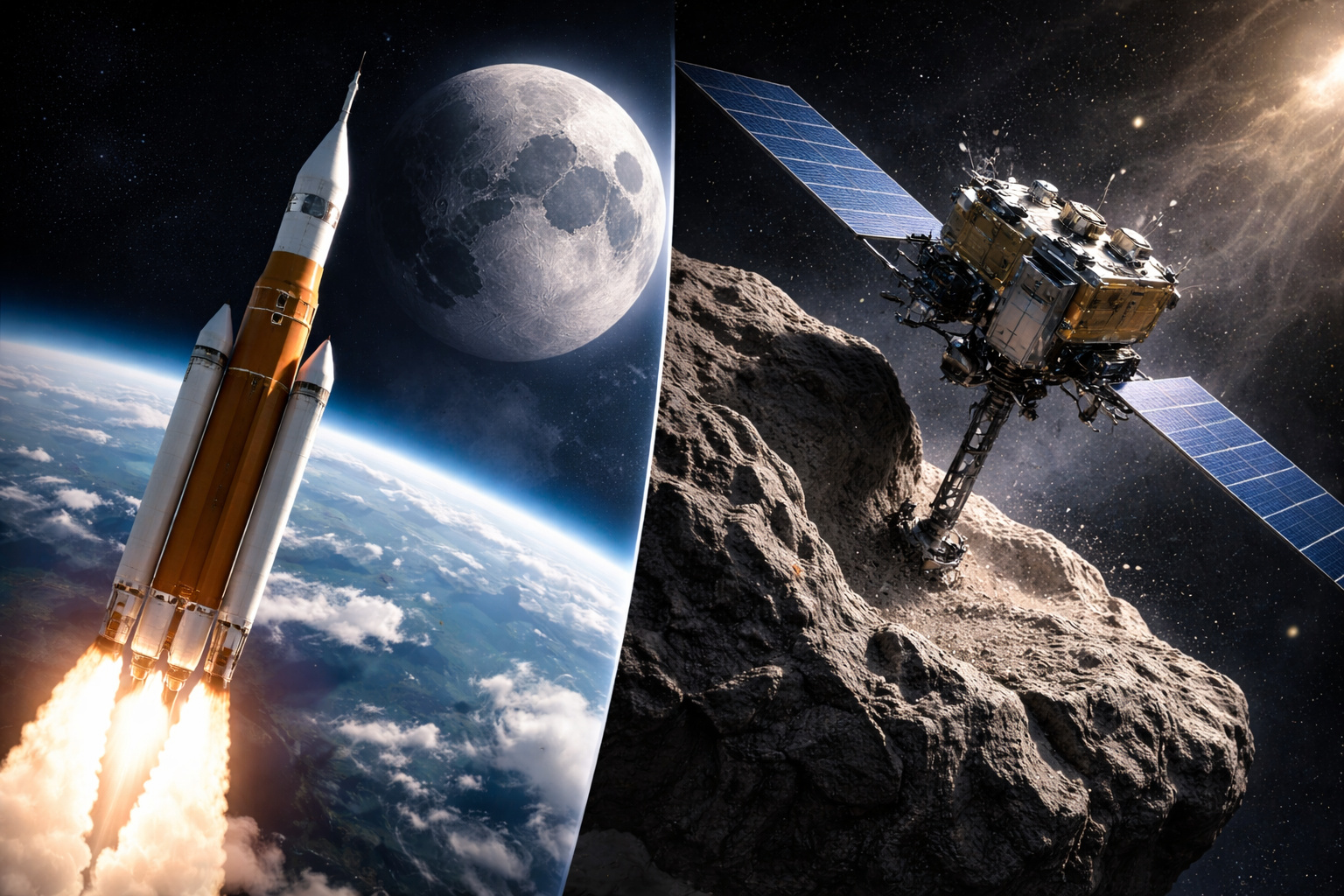
While NASA returns astronauts to the Moon with Artemis II, China advances with Tianwen-2 to bring asteroid samples to Earth in 2027.
While NASA conducts the Artemis II mission, the first crewed flight around the Moon in over 50 years, another front in the space race is advancing at a less symbolic and more scientific pace: Tianwen-2, a mission from China designed to reach the asteroid Kamoʻoalewa and bring samples back to Earth. The contrast is revealing: on one side, the United States is resuming human presence in deep space; on the other, Beijing is betting on a high-complexity robotic operation aimed at collecting extraterrestrial material and investigating the origin of the mission’s target itself.
Launched in 2025 and currently on an interplanetary trajectory, Tianwen-2 is China’s first mission to return samples from an asteroid and is designed to collect up to about 1 kilogram of material from Kamoʻoalewa, a small celestial body that some studies suggest is possibly linked to the Moon. The return capsule is expected to arrive on Earth in 2027, in a phase that could make the mission one of the most ambitious ever executed by the Chinese space program outside of lunar and Martian orbits.
But Tianwen-2 does not end with the return of these samples. According to plans released by Chinese official sources and detailed by international media, the probe will then embark on a mission lasting about 10 years in deep space, extending to the active comet 311P/PanSTARRS. In other words, while Artemis II is placing astronauts back in the lunar neighborhood, China is already conducting a long-range robotic offensive that combines the return of extraterrestrial material, precision planetary science, and sustained presence beyond Earth’s orbit.
-
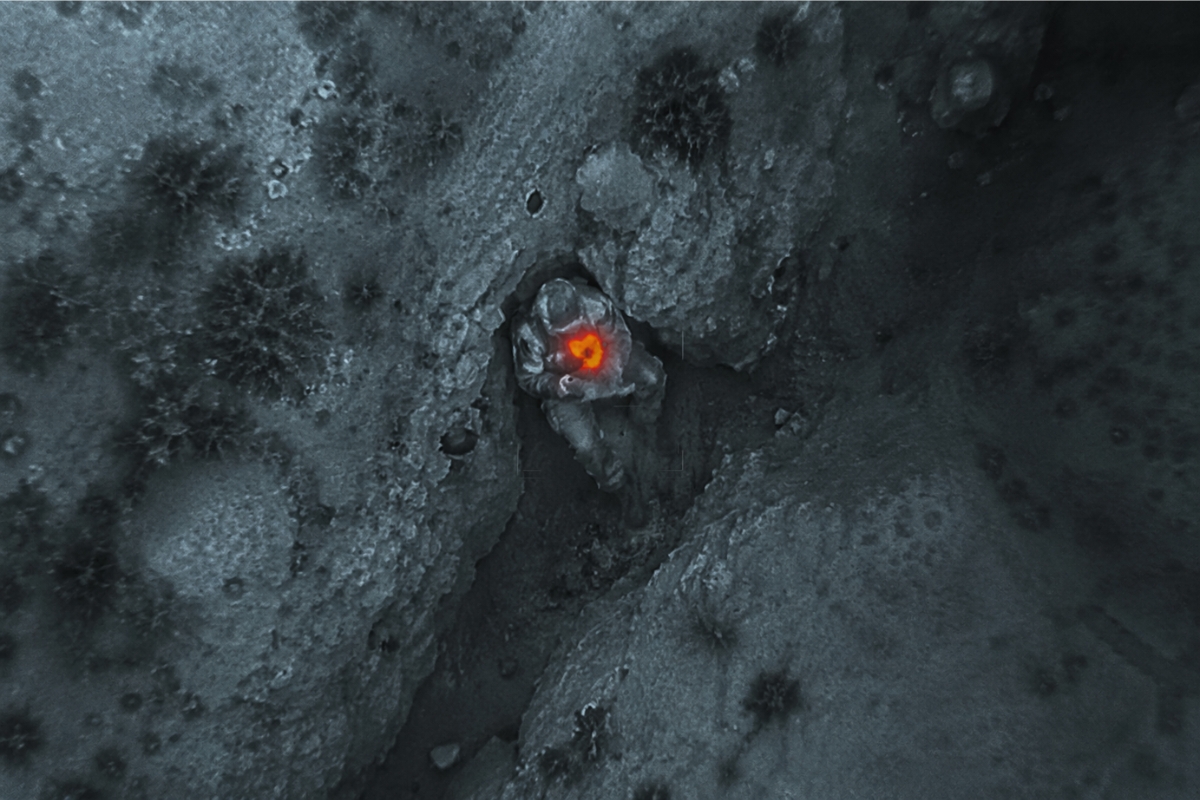
The USA would have located a downed pilot in Iran using technology capable of identifying the electromagnetic signature of the human heart from up to 60 km away.
-
China will deliver more than 2,280 electric buses to Nicaragua and transform the public transport of the entire country into a showcase of Chinese technology in the backyard of the United States in Latin America.

-
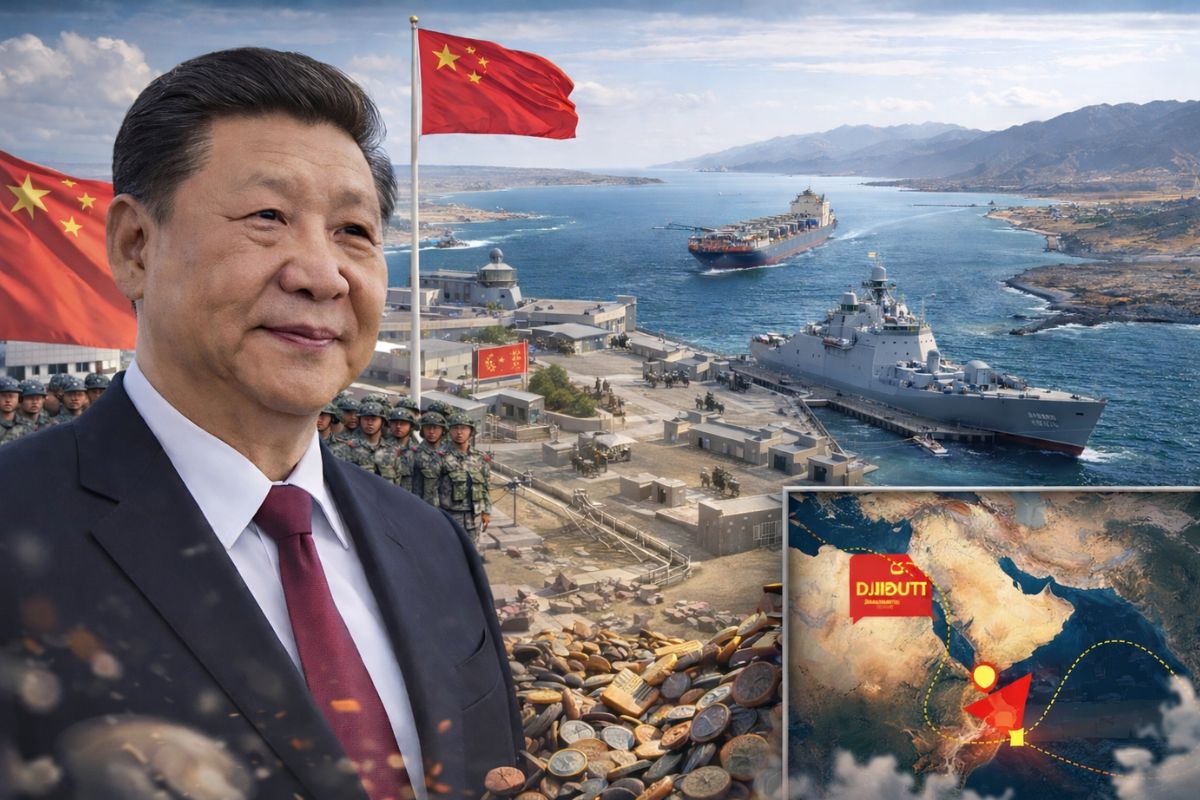
China has chosen the most strategic point on the planet to establish its first military base abroad: Djibouti controls the strait through which oil, goods, and routes connecting three continents pass simultaneously.
-
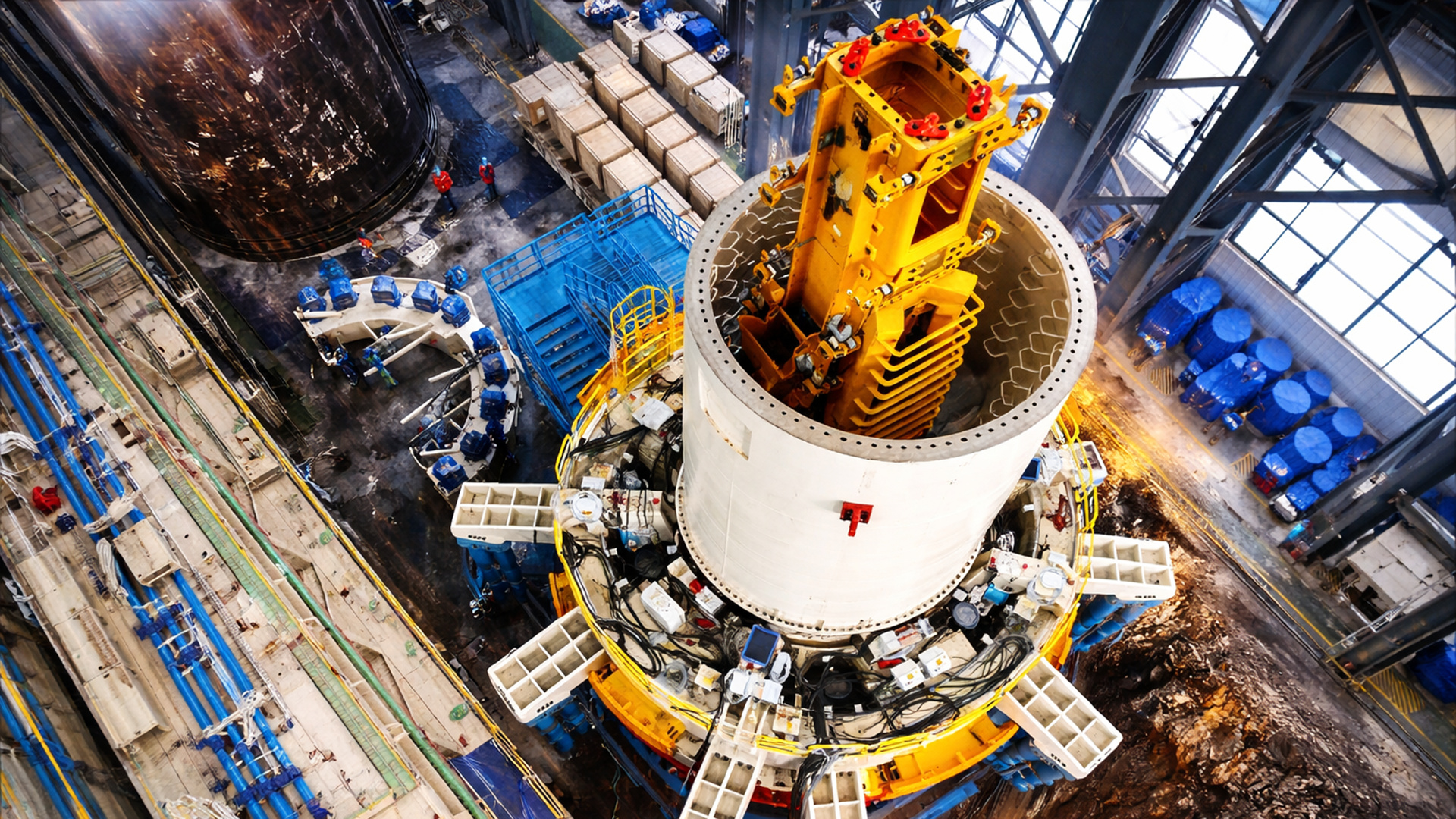
China tests a 500-ton drilling machine that descends more than 1,000 meters into hard rock and could change mining by providing direct access to mineral deposits that were previously too deep, too expensive, and too complex for economic exploration.
Tianwen-2 mission is already on course for asteroid and marks China’s advancement in deep space
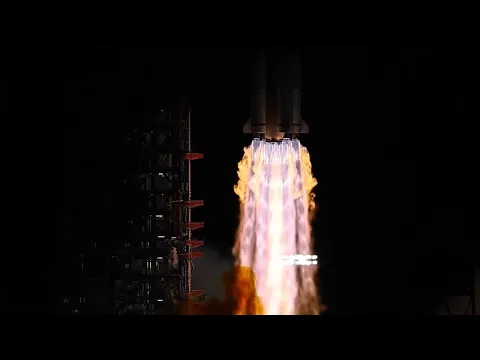
In parallel with NASA’s advancements, China has launched the Tianwen-2 mission, which was launched in May 2025 by the country’s space program. The mission departed from the Xichang Launch Center and is currently on a trajectory towards the asteroid 469219 Kamoʻoalewa.
This object is classified as a near-Earth satellite, orbiting the Sun in a trajectory close to that of the planet, making it accessible and scientifically relevant.
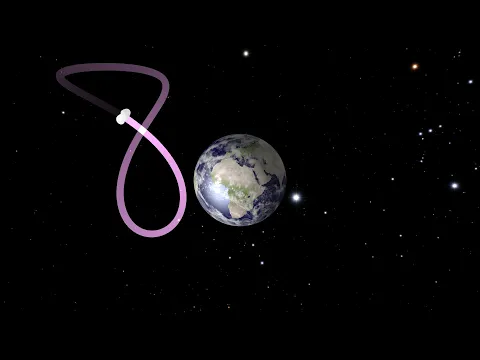

Tianwen-2 represents China’s first attempt to collect material from an asteroid and bring it back to Earth, a feat achieved so far by very few countries. The timeline anticipates arrival at the target in 2026, with collection operations still in the same year.
Asteroid Kamoʻoalewa may be a fragment of the Moon and a strategic target of the mission
The mission’s target, the asteroid Kamoʻoalewa, has characteristics that have sparked great scientific interest. Spectral studies indicate that its composition may be similar to that of lunar rocks.
This hypothesis suggests that the object may be a fragment ejected from the Moon after an impact that occurred in the past. If confirmed, this origin would make the mission one of the most indirect and rare ways to obtain lunar material.
Furthermore, the asteroid has relatively small dimensions, between about 40 and 100 meters, and exhibits complex orbital dynamics, requiring high precision in navigation.
Collection system combines advanced techniques to secure asteroid samples
Tianwen-2 has been designed with a hybrid sample collection system, combining different technologies to increase the chances of success.
Among the methods planned are:
- rapid approach with contact collection
- use of robotic arms with drilling capability
This second method allows for the extraction of material below the surface, potentially less altered by exposure to the space environment.
The combination of techniques increases the complexity of the mission but also enhances the scientific value of the samples obtained. The goal is to collect between 100 grams and up to approximately 1 kilogram of material.
Return of samples is expected in 2027 with capsule reentry into Earth
After the collection phase, the spacecraft will begin its return trajectory. The plan calls for the release of a capsule containing the samples as it approaches Earth.

The atmospheric reentry is scheduled for 2027, marking the most critical point of the mission. This phase requires precise control of speed, entry angle, and thermal protection to ensure the integrity of the collected material.
The success of this phase will place China among the few nations with proven capability to return samples from asteroids.
Mission continues after return and will head to comet until 2035
Unlike other similar missions, Tianwen-2 does not end with the return of the samples. After releasing the capsule, the spacecraft will continue its journey towards the comet 311P/PanSTARRS, with an expected arrival in 2035.
This object is considered an active comet in the main belt, exhibiting hybrid characteristics between asteroids and comets.
This second phase transforms the mission into a long-term project, with the potential to generate scientific data for over a decade. The extension of the mission significantly increases its scientific and strategic value.
Economy and geopolitics increase the importance of simultaneous space exploration
The context in which these missions occur is marked by a profound transformation in the global space economy.
With the sector surpassing hundreds of billions of dollars and being predominantly dominated by private companies, space exploration has begun to have a direct impact on the Earth economy.
At the same time, governments continue to invest in strategic missions to ensure technological autonomy and global leadership.
The coexistence of crewed and robotic missions highlights a competition for scientific, technological, and geopolitical prominence. The United States and China lead this new phase, with complementary and competitive approaches.
Difference between crewed and robotic exploration defines current space strategies
Artemis II and Tianwen-2 represent two distinct approaches to space exploration. The American mission prioritizes human presence, focusing on establishing infrastructure for future lunar bases.
On the other hand, the Chinese mission focuses on data and material collection, expanding scientific knowledge about the Solar System.
These strategies are not mutually exclusive but reflect different priorities within the contemporary space race. While crewed flights have a high symbolic and technological impact, robotic missions allow for broader and more frequent exploration.
Sample return is considered one of the greatest challenges of space engineering
Bringing material from another celestial body to Earth involves a sequence of highly complex operations.
This includes:
- precise interplanetary navigation
- operations in microgravity
- collection on unstable surfaces
- return launch
- controlled atmospheric reentry
Each of these steps requires advanced technologies and minimal margins of error.
Therefore, sample return is considered one of the most difficult feats of modern space engineering. Few missions in history have successfully completed this cycle.
New phase of the space race combines science, technology, and global infrastructure
The simultaneity of Artemis II and Tianwen-2 demonstrates that space exploration has entered a new phase. It is no longer just about reaching specific destinations but about developing sustainable and economically viable systems in space.
This new dynamic involves:
- advanced scientific exploration
- continuous technological development
- integration with the global economy
- geopolitical competition
Space has ceased to be an isolated stage of achievements and has begun to directly integrate into the economic and strategic structure of the planet. This transformation redefines the role of space missions in the 21st century.
What these two missions reveal about the future of human presence outside Earth
The combination of crewed and robotic missions indicates that the future of space exploration will be multifaceted. While humans return to lunar orbit, probes advance to collect material from distant bodies and study the Solar System in detail.
This hybrid model allows for an expanded reach of exploration and increases the amount of available data.
The trend is for increasingly complex missions to integrate different technologies and objectives into a single operation. The result could be a continuous expansion of human and technological presence beyond Earth.
The new space race has already begun and now happens on multiple fronts at the same time
The current scenario shows that the space race is no longer linear nor concentrated on a single objective.
It occurs simultaneously on multiple fronts:
- human presence on the Moon
- robotic exploration of asteroids
- long-duration missions in deep space
- development of orbital infrastructure
This multiplicity of initiatives indicates that space has become a permanent strategic environment. In light of this, an inevitable question arises: which of these fronts will have a greater real impact on the future of humanity beyond Earth, human presence or data and resource collection?





Seja o primeiro a reagir!