





 Portuguese
  English
  Spanish
  5 min of reading
  0 comments


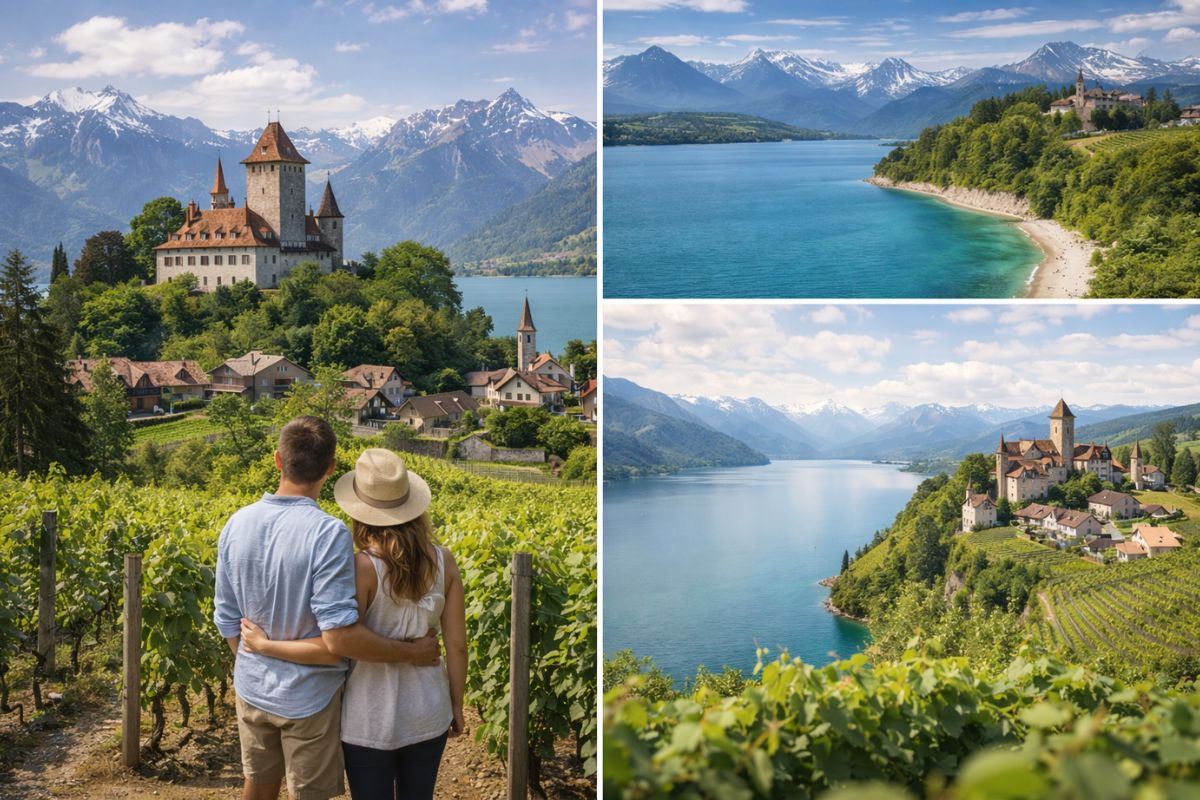
The movement called undertourism is gaining strength among Generation Z and millennials who are tired of 3-hour lines to enter the Louvre and want real experiences in places where locals are still surprised to see a foreigner
Europe receives more tourists than any other continent. France alone surpassed 102 million visitors in 2025, according to recent data. Barcelona limits short-term rentals. Venice charges an entrance fee for those who come just for the day. Amsterdam has banned new hotels. The phenomenon has a name: overtourism. Too much tourism.
But there is another side to this coin that almost no one knows. In the same Europe that is suffocated by tourists, there are entire countries where visitors barely reach a few hundred thousand per year. Countries with medieval castles, Alpine mountains, century-old wineries, and Mediterranean beaches that most Brazilians have never heard of.
The reverse phenomenon has also gained a name: undertourism. And it is becoming a trend among travelers who are tired of competing for space with crowds, according to a report by Euronews published on April 8, 2026.
-
The Sun emits strange “voice” captured by a telescope and antenna, and radio signals from a solar spot the size of Earth are surprising.

-
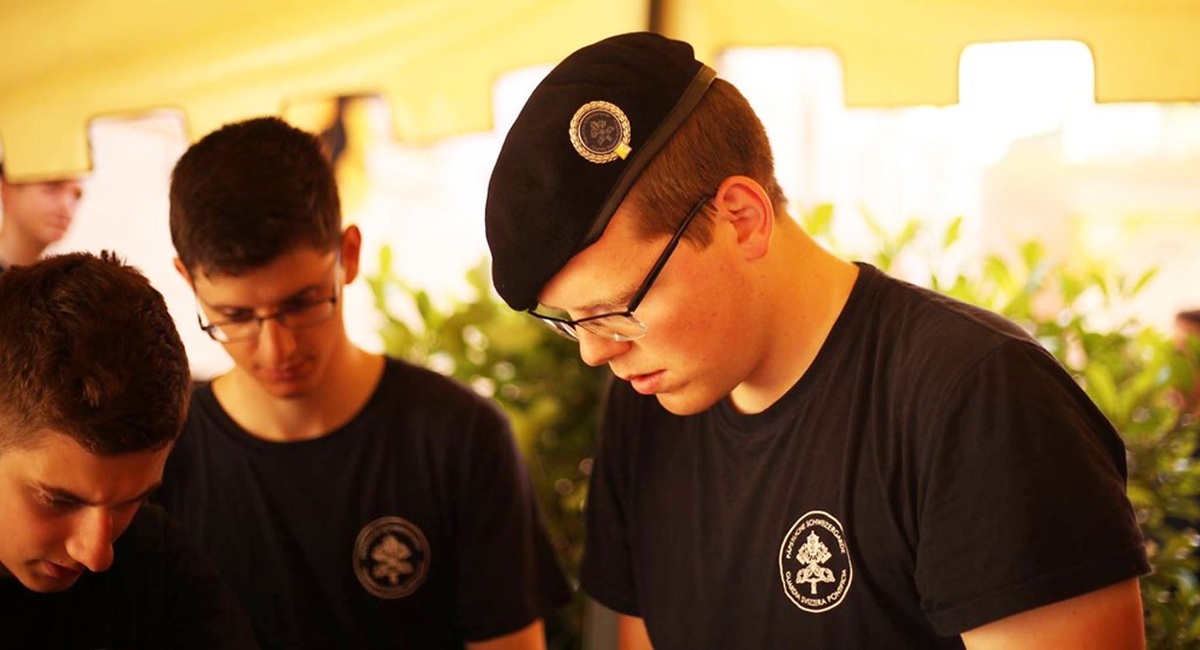
This is the weaponry that the smallest army in the world uses on a daily basis.
-
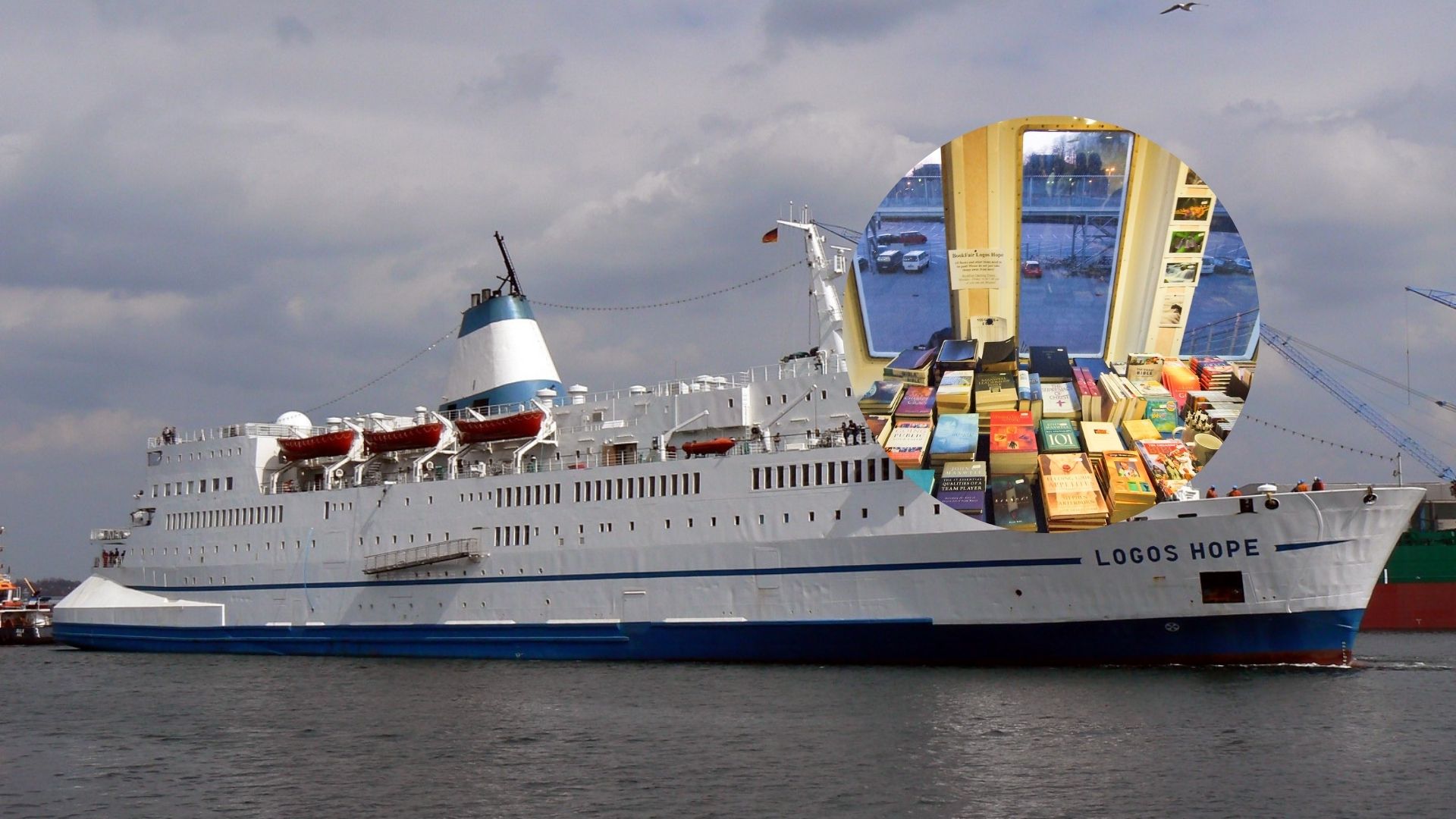
World’s largest floating library: at 132.5 meters long, Logos Hope is the largest floating book fair in the world, welcoming thousands of visitors each day and bringing over 5,000 titles to ports across various continents.
-
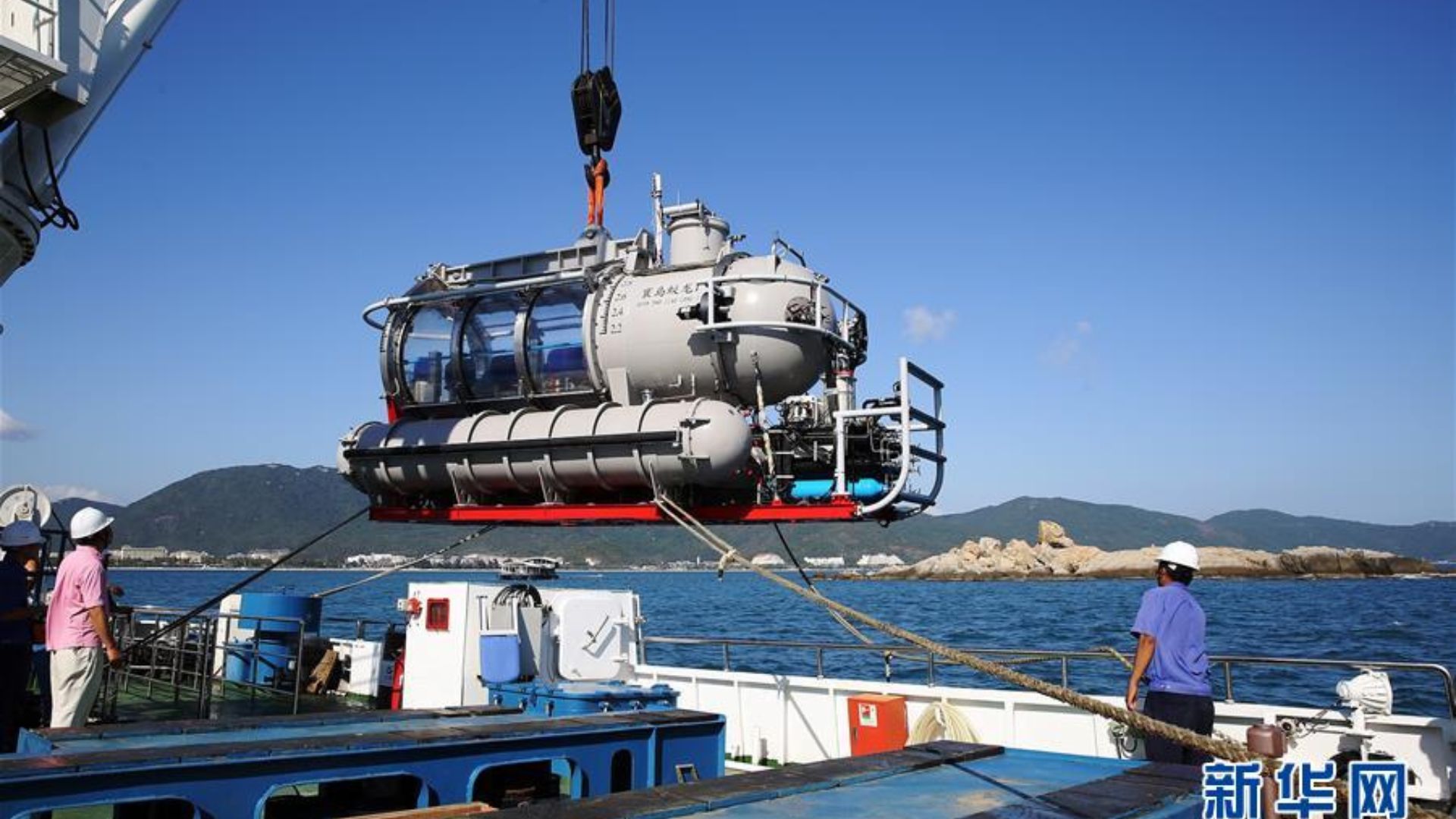
China has designed its first tourist submarine to take 3 passengers to a depth of 1,000 meters.
Which European countries are visited by almost no one?

According to data from Eurostat compiled by Time Out, the ranking of European countries with the fewest tourist overnight stays in 2024 is surprising:
Liechtenstein tops the list. The small alpine country between Austria and Switzerland recorded only 228,579 tourist overnight stays in 2024. To put it in perspective: Venice receives more visitors in a week than Liechtenstein does in an entire year. The capital, Vaduz, has a castle with a panoramic view of the Rhine Valley that most Europeans have never visited.
North Macedonia comes in second, with just over 2 million overnight stays. The country has mountains, crystal-clear lakes, and a history that dates back to Alexander the Great, but it simply does not appear on the radar of international tourists.
Luxembourg surprises in third place, with 3.6 million overnight stays, a very low number for a country located in the heart of Europe, surrounded by France, Belgium, and Germany.
Completing the list are Latvia, Montenegro, Moldova, and San Marino, all with visitor numbers that would make any Brazilian tourist city seem overcrowded.
Why do these countries receive so few tourists?

It is not for lack of attractions. It is due to a lack of marketing, visibility, and direct flights. Most of these countries simply do not compete with the advertising budgets of destinations like France, Spain, and Italy. They do not appear in travel agency campaigns. They are not in recommendation algorithms.
Moldova, for example, is one of the cheapest countries in Europe to travel to, according to Euronews. Accommodation, food, and transportation cost a fraction of what you spend in any Western European capital. But almost no one knows this because the country simply does not feature in people’s tourist imagination.
San Marino, nestled within Italy, is an independent republic of 33,000 inhabitants with a medieval fortress atop a mountain and one of the most beautiful views of the Adriatic. Most tourists visiting Italy pass within 200 km of San Marino without knowing that the place exists.
What is the undertourism movement and why is it growing?
Undertourism is the opposite of overtourism. It is the deliberate search for destinations that receive few visitors. And those driving this trend are Generation Z and millennial travelers, according to Euronews.
The motivations are clear. Those who have been to Europe and faced 3-hour lines at the Louvre, crowds at the Rialto Bridge, and prices of R$ 80 for a pizza in Rome know that the experience does not always match the expectation. The most popular destinations are so crowded that the experience of visiting them has become stressful.
Undertourism offers the opposite: empty streets, locals who are genuinely surprised (and happy) to see a foreigner, affordable prices, and an authenticity that traditional tourist destinations lost decades ago.
It is what Euronews describes as the search for “authentic experiences,” “off-the-radar places,” and “untouched local communities.” Everything that Paris, Barcelona, and Rome have stopped offering.
What do Brazilians gain by visiting these countries?
Besides the unique experience, the wallet thanks you. Countries like Moldova, North Macedonia, Latvia, and Montenegro have significantly lower travel costs than traditional Western European destinations. Accommodation, food, and transportation can cost half or even a third of what you spend in France or Italy.
Montenegro, for example, has an Adriatic coast with beaches that rival Croatia, but for a fraction of the price. Latvia has Riga, a capital with art nouveau architecture that is a UNESCO World Heritage site and costs less to visit than Porto or Lisbon.
Liechtenstein, being nestled between Austria and Switzerland, is not cheap, but offers something that money cannot buy in crowded destinations: silence, alpine scenery without crowds, and the rare feeling of being in a place where tourism has not spoiled anything.
Will this last?
This is the question every savvy traveler asks. The honest answer is: probably not for long. The history of tourism shows that every “secret” destination stops being secret as soon as the first viral article about it is published. Croatia was unknown until Game of Thrones. Iceland was a dot on the map until Instagram discovered the waterfalls. Portugal was cheap until digital nomads arrived.
The countries of European undertourism are in a window of opportunity. Those who go now will find the Europe that existed before mass tourism. Those who wait five years may find the same lines, the same inflated prices, and the same problems that today make Paris, Barcelona, and Venice cry for help.
Europe is not just the Eiffel Tower, the Colosseum, and the Sagrada Família. Europe is also a castle atop a mountain in Liechtenstein overlooking the Rhine Valley with no one else in the photo. The difference is that, for this second type of Europe, the window is open now. And such windows do not stay open forever.
With information from Euronews, Time Out, Eurostat, and Travel And Tour World.






Seja o primeiro a reagir!