





 Portuguese
  English
  Spanish
  3 min of reading
  1 comment





Unprecedented Construction Involves Completely Enclosed Acoustic Barrier to Preserve Thousands of At-Risk Birds in Guangdong Province
China is building a fully enclosed acoustic railway to protect the ecosystem of one of the country’s oldest natural sanctuaries. Located in Xinhui, in Jiangmen City, the structure spans more than 2 km and is designed to reduce noise from high-speed trains traveling through the region at 200 km/h. The barrier is considered the first in the world to provide total sound insulation on commercial high-speed railways.
The project was developed by the Fourth Railway Engineering Institute of China and began operations in 2018 after years of testing and simulations. The main goal is to prevent the trains’ noise from affecting the daily lives of the over 30,000 birds that live in the area, known for migrating and breeding in an environment that is extremely sensitive to noise.
What Is the Covered Railway Built in China?

It is a completely enclosed acoustic barrier, made with a metal arch structure, sound-absorbing panels, and high-strength cement composites (ECC). The cover was installed over a section of the Xanzem-Moamin railway line, which passes through the so-called “Birds’ Paradise” — a nature reserve with century-old fig trees and rare native species.
-
Created by George Lucas with over $1 billion, a futuristic museum in the shape of a spaceship with 1,500 curved panels is about to open in Los Angeles and will house one of the largest private collections of narrative art in the world.

-
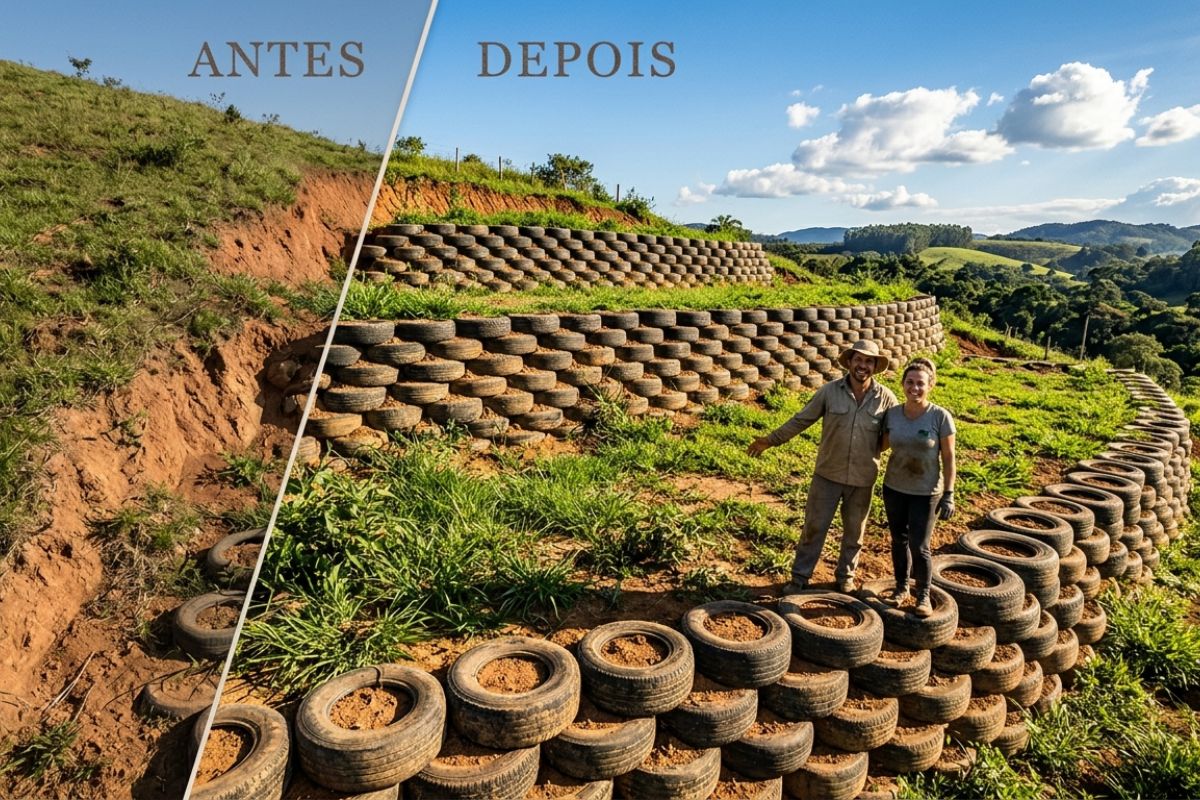
Couple shows how they built a retaining wall on their property using 400 old tires: sloped land turned into plateaus, tires are aligned, filled, and compacted with layers of soil, with grass helping in support and at almost zero cost.
-
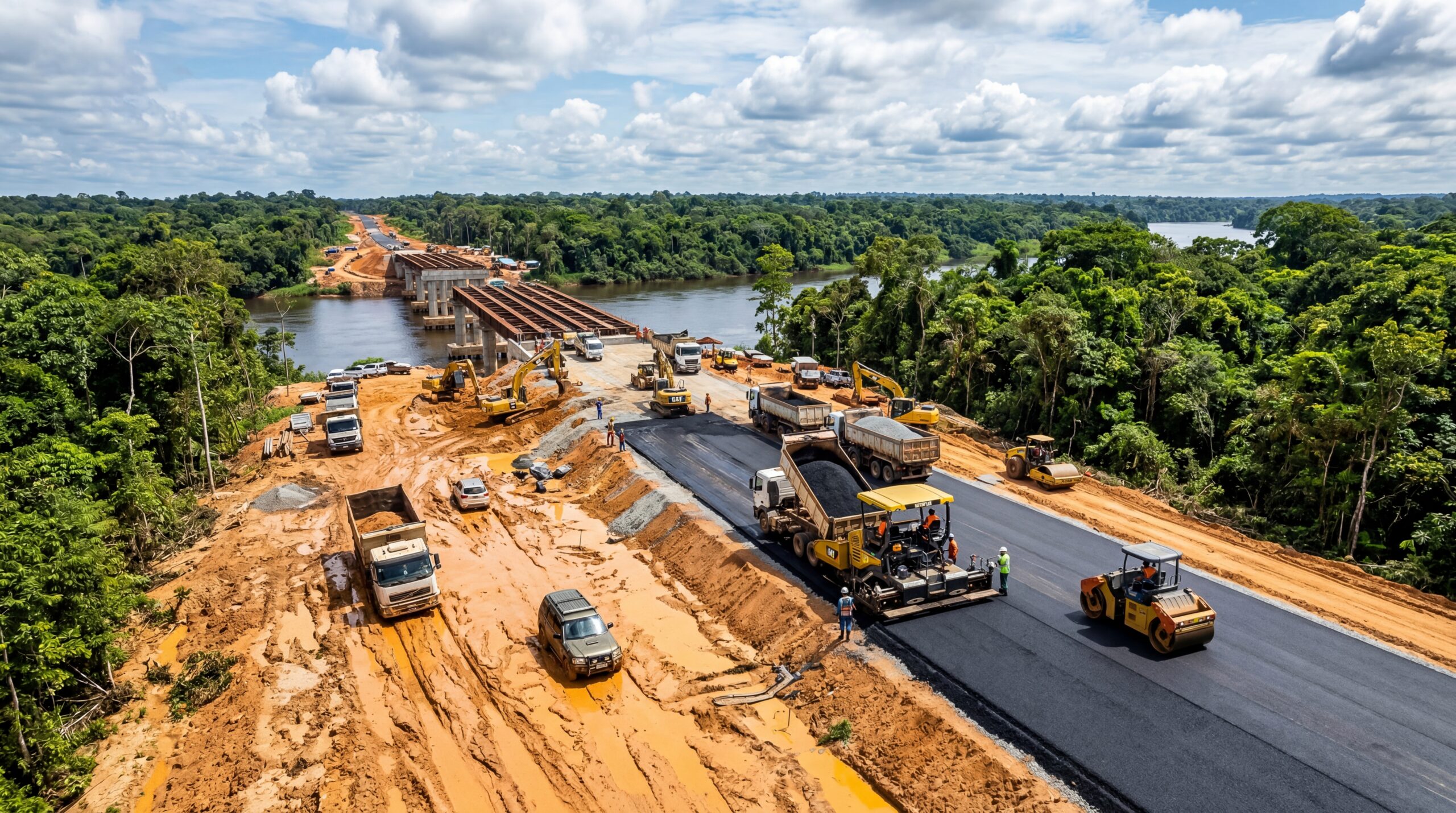
Engineer explains drainage during the rainy season: the difference between surface water and deep water, ditches, gutters, and water outlets on the road, as well as drains and drainage mattresses, to prevent erosion, aquaplaning, and flooding at the construction site today.

-
With 55 floors, 177 meters in height, a 15-meter walkway between the twin towers, ventilated facade, and 6,300 m² of leisure space, Ápice Towers already has one tower completed and another nearly at the top.


With an investment of around 28 million dollars, the barrier can reduce sound by more than 20 decibels, lowering train noise from 76 dB to about 49 dB — a level considered safe for wildlife. The technical challenge included the need to withstand category 14 typhoons and maintain aerodynamic integrity so as not to compromise train operations.
Why Did China Opt for This Project?
The decision was based on the acknowledgment that conventional solutions, such as side barriers, would be insufficient to protect the local ecosystem. High noise levels could interfere with the migration, reproduction, and presence of the birds, jeopardizing an ecological and cultural heritage that has inspired poets and writers for centuries.
Thus, engineers developed a unique structure in the world, which underwent two years of wind tunnel testing, full-scale trials, and acoustic analyses. The project was registered as an official technical innovation by the Chinese railway system and is now considered a model of international sustainable infrastructure.
How Was the Execution of the Covered Railway Done?
The construction was carefully adjusted to the biological cycle of the birds: work was suspended during breeding and migration periods, and the machinery used had a low noise impact. On July 1, 2018, a maximum speed test was conducted with specialists monitoring the animals’ responses — no changes in behavior were detected.
Today, the barrier serves its purpose without passengers or residents noticing its existence, while ensuring that the ecosystem remains virtually intact. The structure acts as a sound capsule, completely isolating train noise and preventing impacts on the surrounding nature.
Is the Covered Railway Unique in the World?
Yes. While countries like Germany, Japan, France, and Switzerland invest in side acoustic barriers or partial tunnels, no other structure has a fully enclosed cover, resistance to extreme winds, and similar acoustic performance.
In Germany, for instance, barriers can reach 4 meters in height. In Japan, there are transparent panels, but they remain open. In Switzerland, small acoustic tunnels protect urban areas, but over short stretches. The Chinese project is the only one with total insulation to safeguard a large critical environmental zone.
What Does This Project Represent for the Future of Engineering?
The acoustic barrier in the Birds’ Paradise has become a symbol of a new generation of railway projects that combine development with environmental responsibility. The structure is already inspiring similar initiatives in other sensitive areas of China, especially migratory corridors and conservation zones.
More than a technical achievement, the Chinese covered railway shows that it is possible to rethink the relationship between large constructions and the environment. It represents a viable model for countries expanding their high-speed networks and facing sustainability challenges.
Do you think projects like this should be mandatory in natural areas? Or do you consider the cost too high for something that “nobody sees”? Leave your opinion in the comments — your view could enrich this debate.








Achei pioneira essa idéia do túnel, e demonstra um avanço na sustentabilidade, a qual deve ser seguida por todos os governantes do mundo. Parabéns a China, por dar o passo inicial. O planeta terra é o nosso presente.