





 Portuguese
  English
  Spanish
  3 min of reading
  0 comments



The Largest Bypass Infrastructure Project in Brazil Has Finally Been Completed, Bringing a New Era to Traffic in the Metropolitan Region of Florianópolis with the Delivery of the Bypass of Grande Florianópolis.
The completion of the largest bypass infrastructure project in Brazil is a historic milestone not only for Santa Catarina but for the entire country. The Bypass of Grande Florianópolis promises to be the definitive solution to the congestion and traffic problems that plagued BR-101, especially during peak hours. But will this much-anticipated project really deliver everything it promises?
With a length of 50 km, the Bypass of Grande Florianópolis is one of the most ambitious and complex projects ever undertaken in Brazil. There are two lanes on each side, four double tunnels of 900 meters each, six interchanges, seven double bridges, and 21 underpasses. A true engineering colossus, it had a billion-dollar cost and involved the work of over 20,000 people over the past few years.
Dependence on BR-101


Expectations are high, and rightly so. Until now, the dependence on BR-101 for freight transport and daily traffic was a problem that affected not only the local economy but also the quality of life of the region’s residents. Congestion, pollution, and accidents were constants in the lives of those who had to use this highway in recent years. The promise is that now, all of this will be in the past.
-
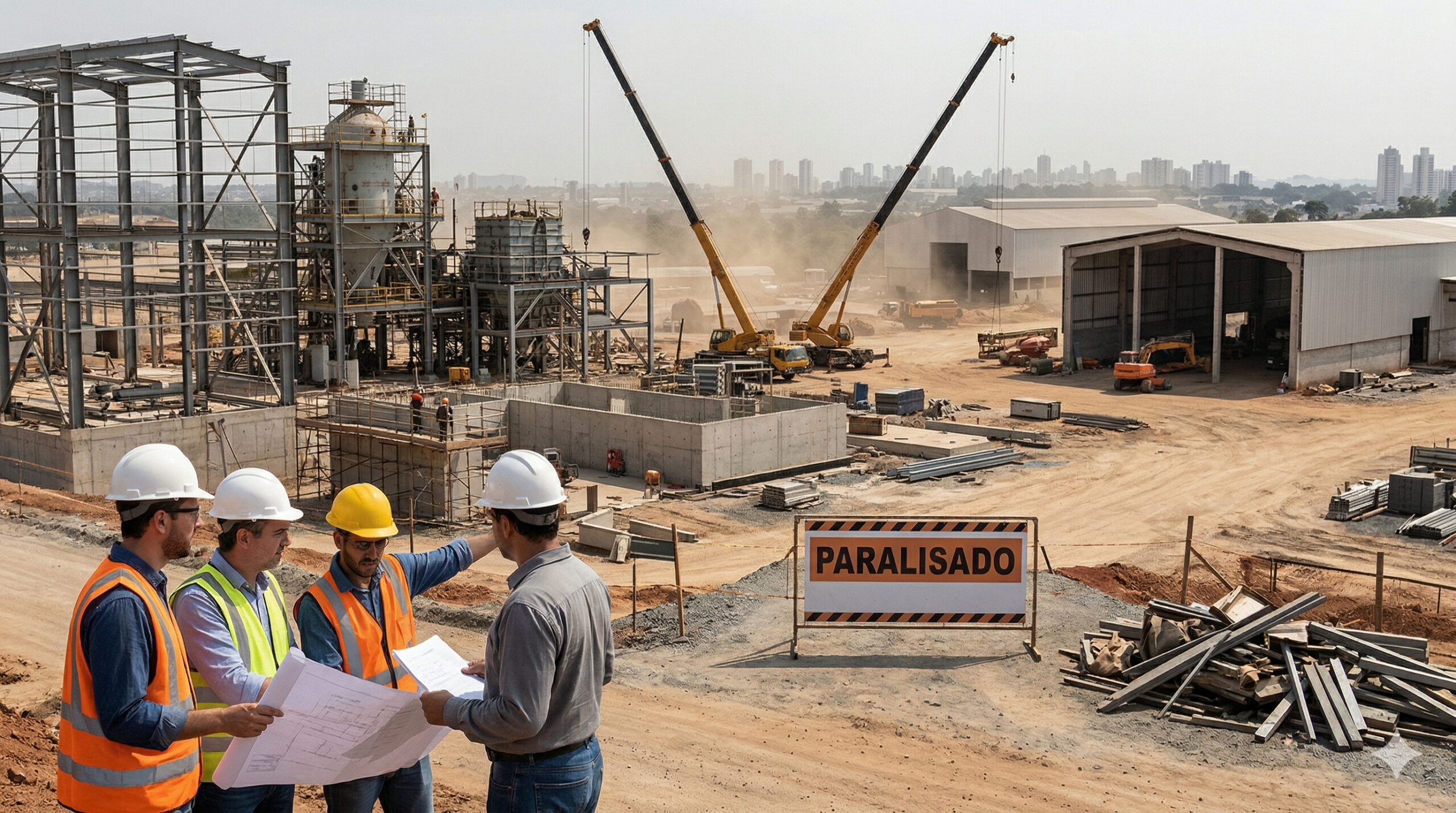
The lack of welders, electricians, and operators becomes a structural threat in 2025, with the construction industry and manufacturing already suffering from delays, cost pressures, and labor shortages in Brazil.
-
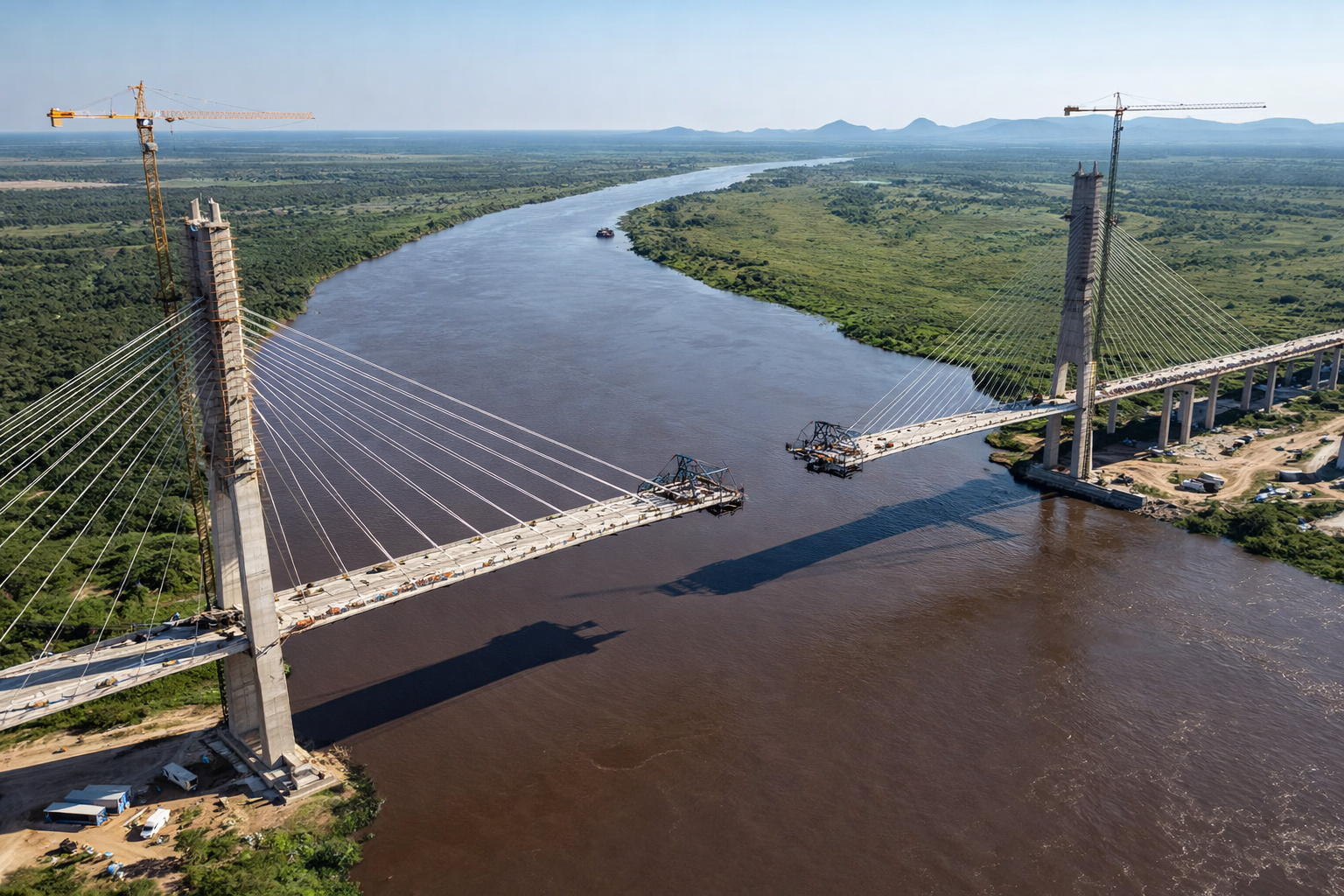
Brazil and Paraguay are just 46 meters away from a historic union on the bioceanic bridge that promises to revolutionize trade between the Atlantic and the Pacific.
-
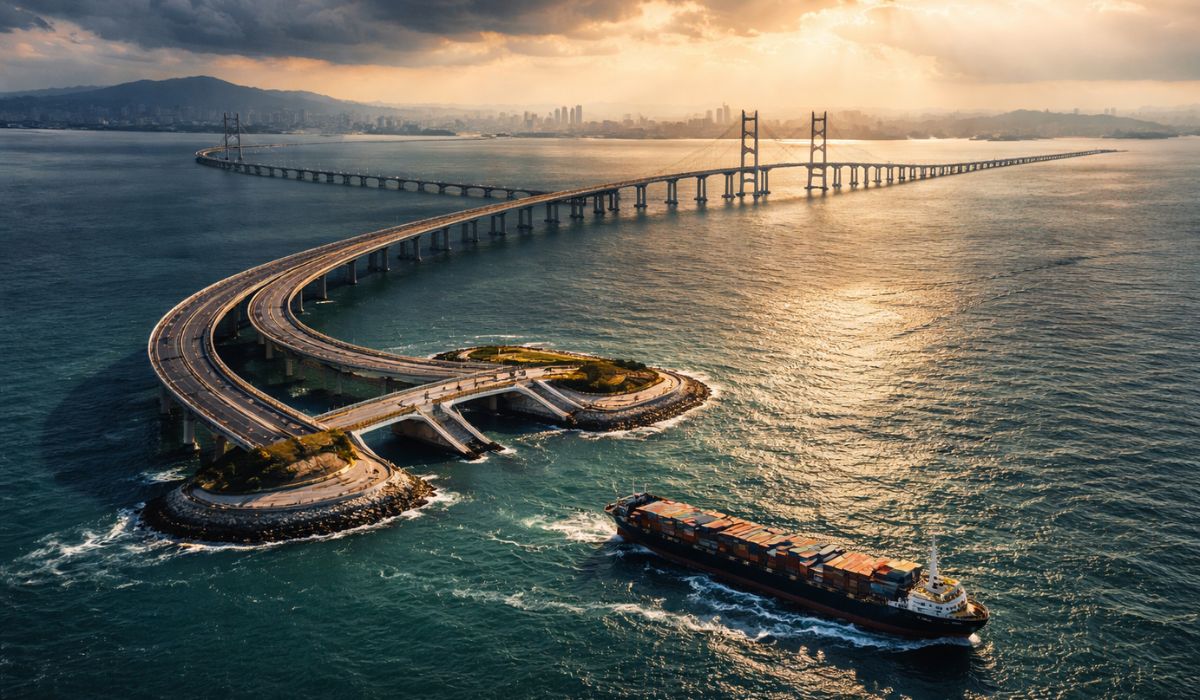
With 55 km over the sea, a cost of US$ 20 billion, and enough steel to build 60 Eiffel Towers, China’s largest project has connected Hong Kong, Zhuhai, and Macau in a colossal bridge that defies the logic of engineering.
-
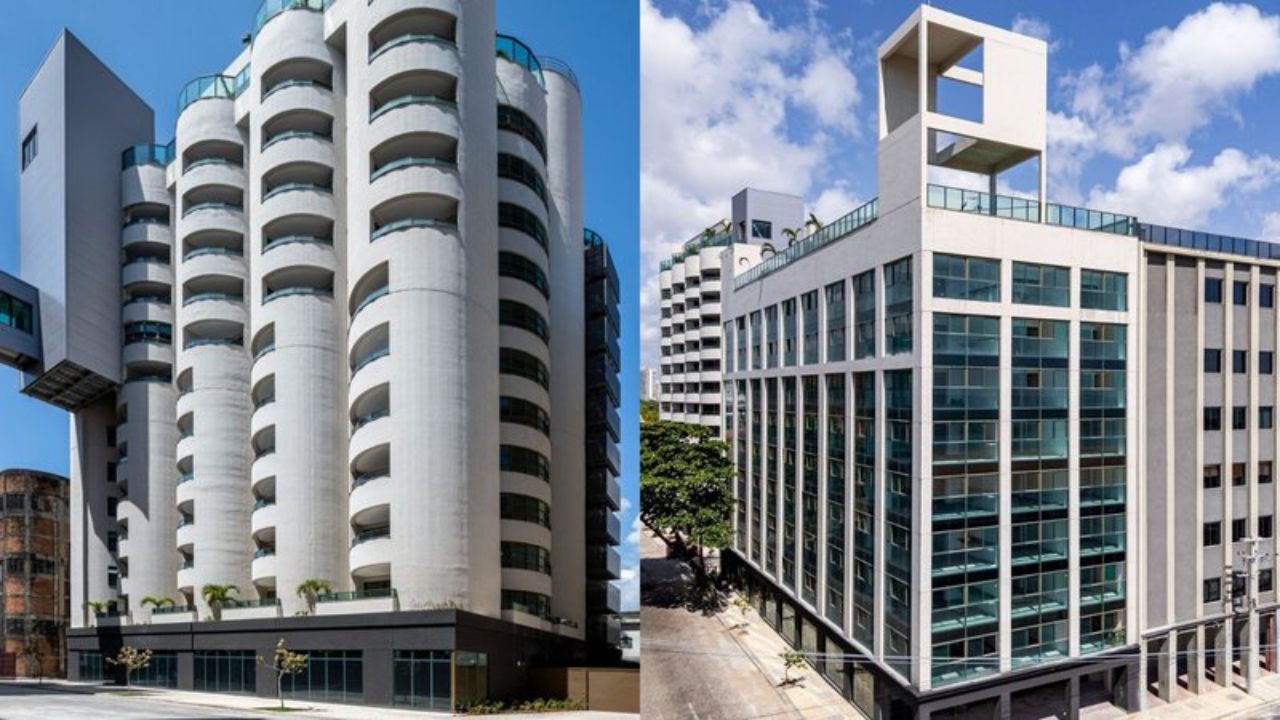
A trick with joint compound transforms a Styrofoam ceiling into a plaster-like ceiling: leveled panels, wires and mesh at the joints, sand, paint, and change the environment while spending little today.


But will the Bypass of Grande Florianópolis really solve these problems? It is worth remembering that, although the project was designed to divert heavy traffic from BR-101, its construction was not easy at all. There were years of debates, changes to the original layout, and adjustments to minimize social and environmental impacts. After all, we are talking about over a thousand expropriated areas and numerous public hearings that delayed the progress of the works.
Project Finally Ready
The project had to adapt to environmental requirements, resulting in the creation of four tunnels to preserve the Atlantic Forest and avoid impacts on indigenous villages. The idea was to ensure that progress does not come at any cost, but rather in a sustainable manner and with respect for history and the environment. An admirable approach, but one that added complexity and costs to the project.
Now, with the project finally complete, the focus shifts to the benefits it can bring. The time savings promised for those who choose the bypass instead of continuing on BR-101 are significant. During peak hours, the expectation is that travel time will be reduced by half, which is a relief for those who spend hours in traffic every day.
The Bypass of Grande Florianópolis Was Marked by Challenges
But we cannot overlook the criticisms. The construction of the Bypass of Grande Florianópolis was marked by technical and logistical challenges that, at times, made the project seem impossible to complete. Problems with the soil, expropriations, environmental licenses, and even the complexity of the tunnels, which are the most modern in the country, tested the planning and execution capacity of the project.
Largest Bypass Infrastructure Project in Brazil Completed
And the question that lingers is: will the billion-dollar investment be worth it? Of course, the Bypass of Grande Florianópolis brings numerous benefits in terms of traffic flow, safety, and accident reduction. However, time will tell if all these efforts and resources resulted in the long-awaited improvement in the quality of life for the people of Santa Catarina.
The fact is that, with the largest bypass infrastructure project in Brazil completed, Santa Catarina gains a new transportation infrastructure that promises to be a model for the rest of the country. The challenge now is to keep this promise alive, ensuring that the operation of the bypass is efficient and that the positive impacts are felt by all. After all, the success of a project of this magnitude is measured not only by its size but primarily by its ability to transform the reality of those who depend on it.









Seja o primeiro a reagir!